




A glazing mistake usually shows up late – when sightlines look too heavy, U-values miss the brief, lead times slip, or the opening simply does not work for the room. That is why a trade glazing specification guide matters. Good specification is not just about picking a product that looks right on a screen. It is about balancing performance, budget, compliance, installation practicality and the finish your client expects.
For builders, installers and developers, the pressure is always the same. You need products that are straightforward to order, technically sound and reliable on site. For homeowners managing an extension, renovation or garden room, the goal is simpler but no less important – maximise light and space, improve thermal performance and make sure the end result feels right for the property. In both cases, a clear specification process saves time, avoids compromise and reduces expensive changes later.
How to use this trade glazing specification guide
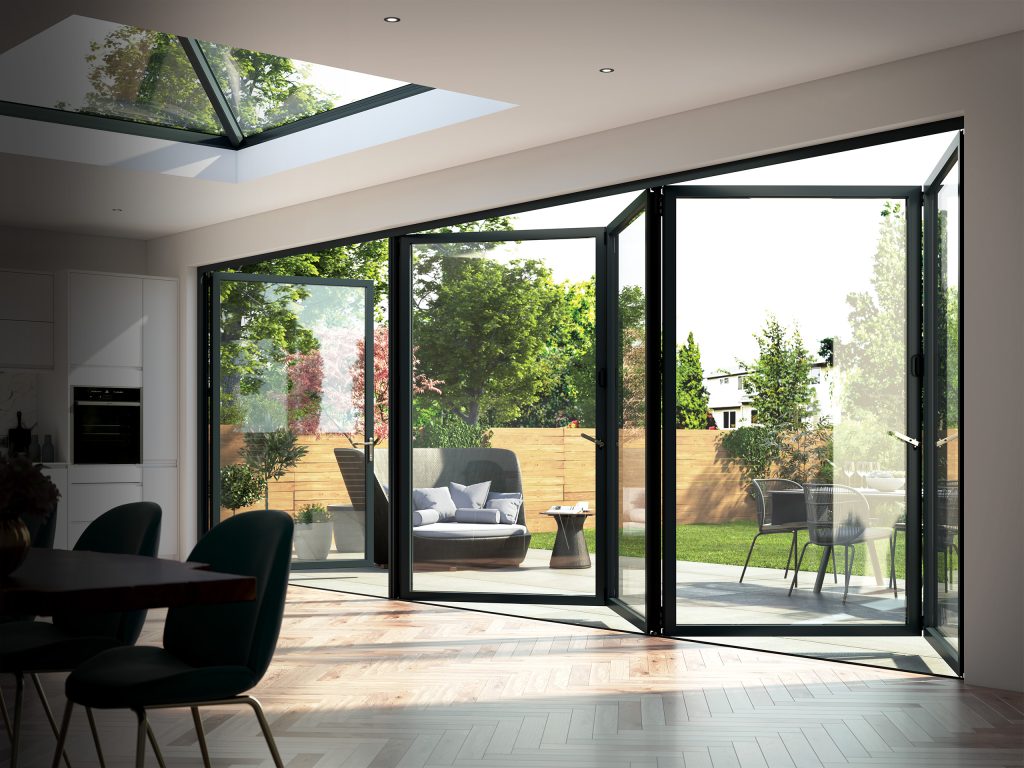
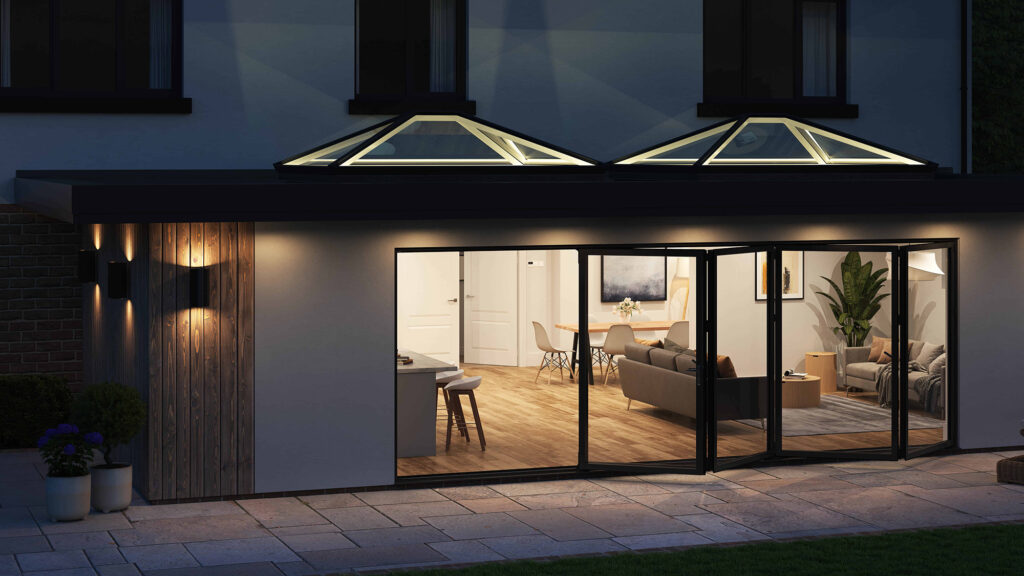
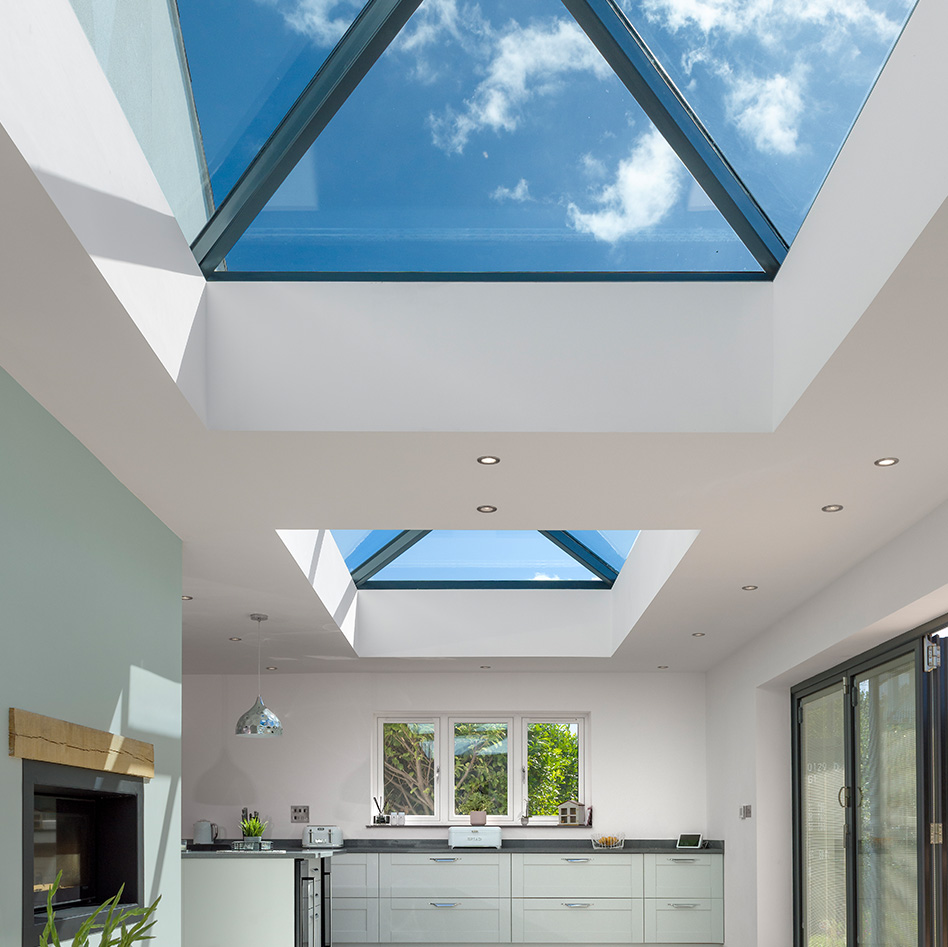
Start with the opening, not the brochure. Every glazing product has strengths, but the right choice depends on how the space needs to perform. A wide rear extension with a strong indoor-outdoor focus may suit bifold or sliding doors. A period-style renovation may call for slimmer heritage styling with more sympathetic detailing. A flat roof extension may need a fixed rooflight for daylight, while a larger lantern could be better where visual impact matters as much as light levels.
At specification stage, the most useful question is not which product is best in general. It is which product is best for this opening, this budget and this build programme. That distinction matters because premium glazing is full of trade-offs. Slimmer frames can improve sightlines but may affect cost. Larger panes can look exceptional but may alter lead times, glass weight and installation requirements. Triple glazing can boost thermal performance, but it is not automatically the best fit for every project if solar gain, frame size or budget become limiting factors.
Get clear on the purpose of the glazed opening
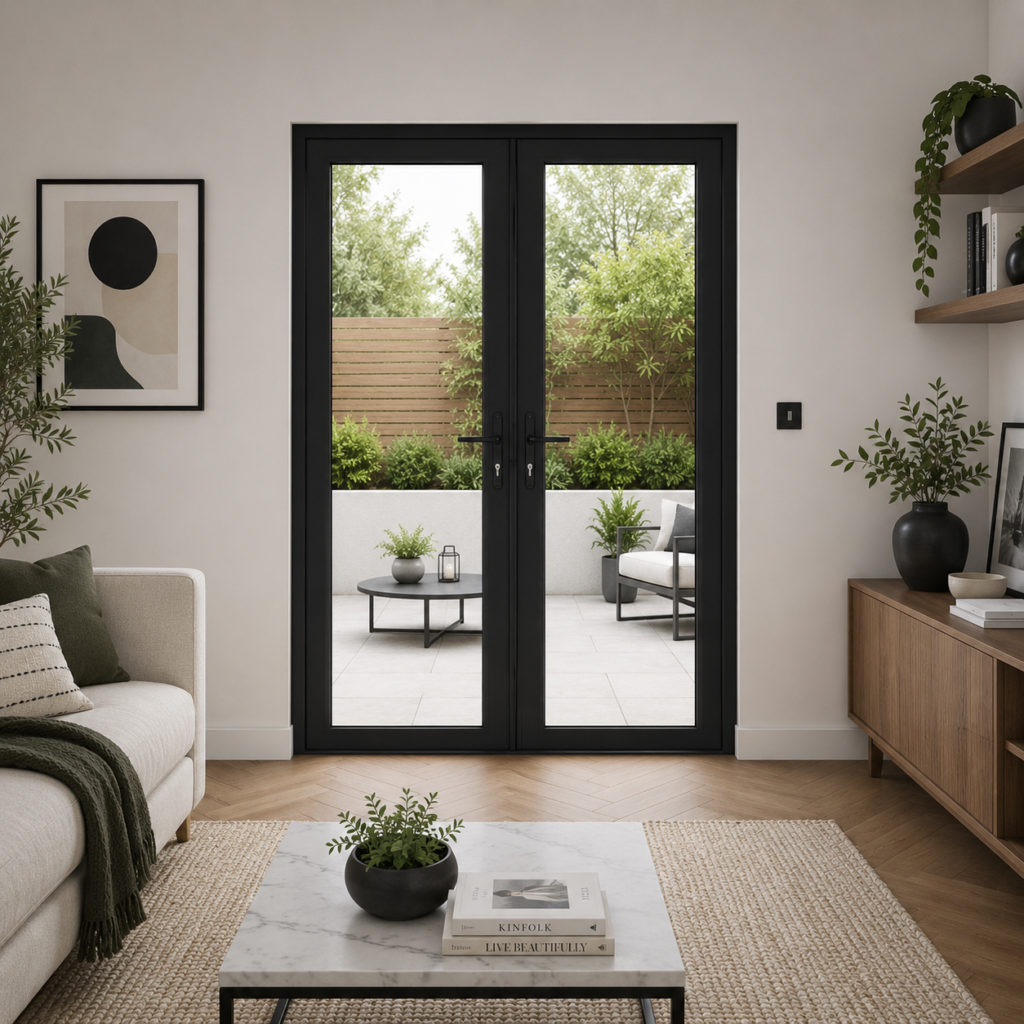
Every specification should begin with function. If the product is a main access point to the garden, threshold detail, traffic door access and day-to-day usability matter as much as appearance. If the glazing is primarily there to frame a view, sightlines and panel configuration often take priority. If the project is exposed to weather, coastal conditions or busy roads, you may need to think more carefully about weather performance, acoustic glazing or marine-appropriate finishes.
This is also where client expectations need careful handling. Many homeowners ask for the slimmest possible frames, but that is only one part of the decision. You also need to consider thermal targets, security, opening practicality and whether the surrounding structure can support the design intent. A door set that looks excellent in a showroom image may not suit a compact opening, a stepped threshold or a family home that needs easy everyday access.
Material choice shapes performance and price
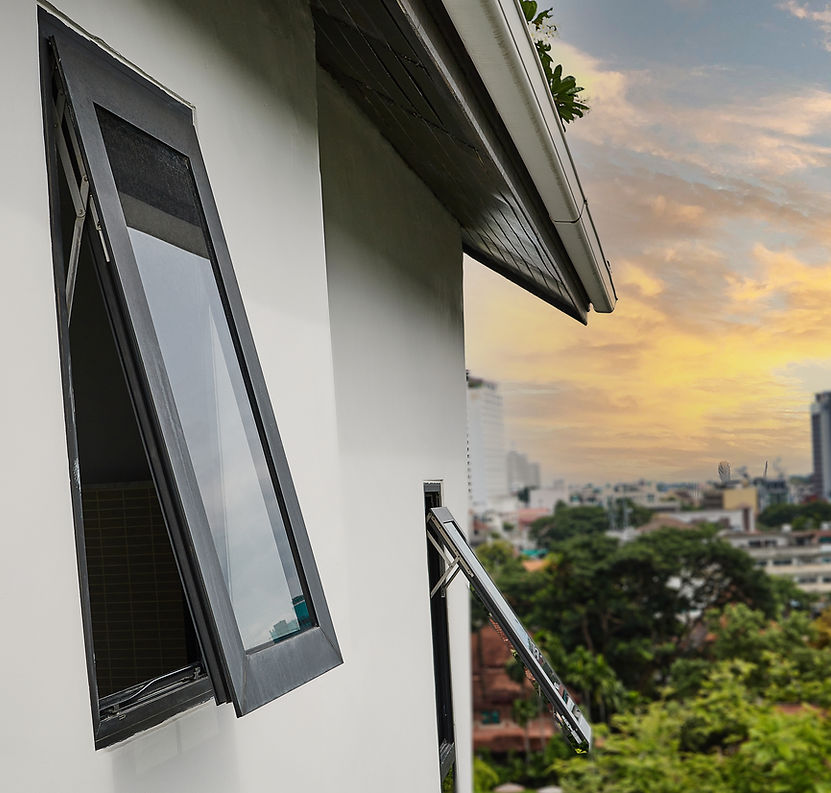
In most residential projects, the decision comes down to aluminium, uPVC or a more specialist steel-look or heritage-style system. Aluminium remains a popular choice where sightlines, durability and contemporary design are priorities. It works particularly well for bifolds, sliders, roof glazing and modern window schemes, especially when larger sizes and bespoke configurations are required.
uPVC still has a strong place in specification, particularly where budget control, thermal performance and low maintenance are key. For many homeowners, it offers an effective route to upgrading comfort and appearance without stretching the overall renovation spend. The right answer depends on the property type and project brief. On a high-end extension, aluminium may support the desired finish more naturally. On a full-house window replacement, uPVC may deliver better overall value while still improving performance significantly.
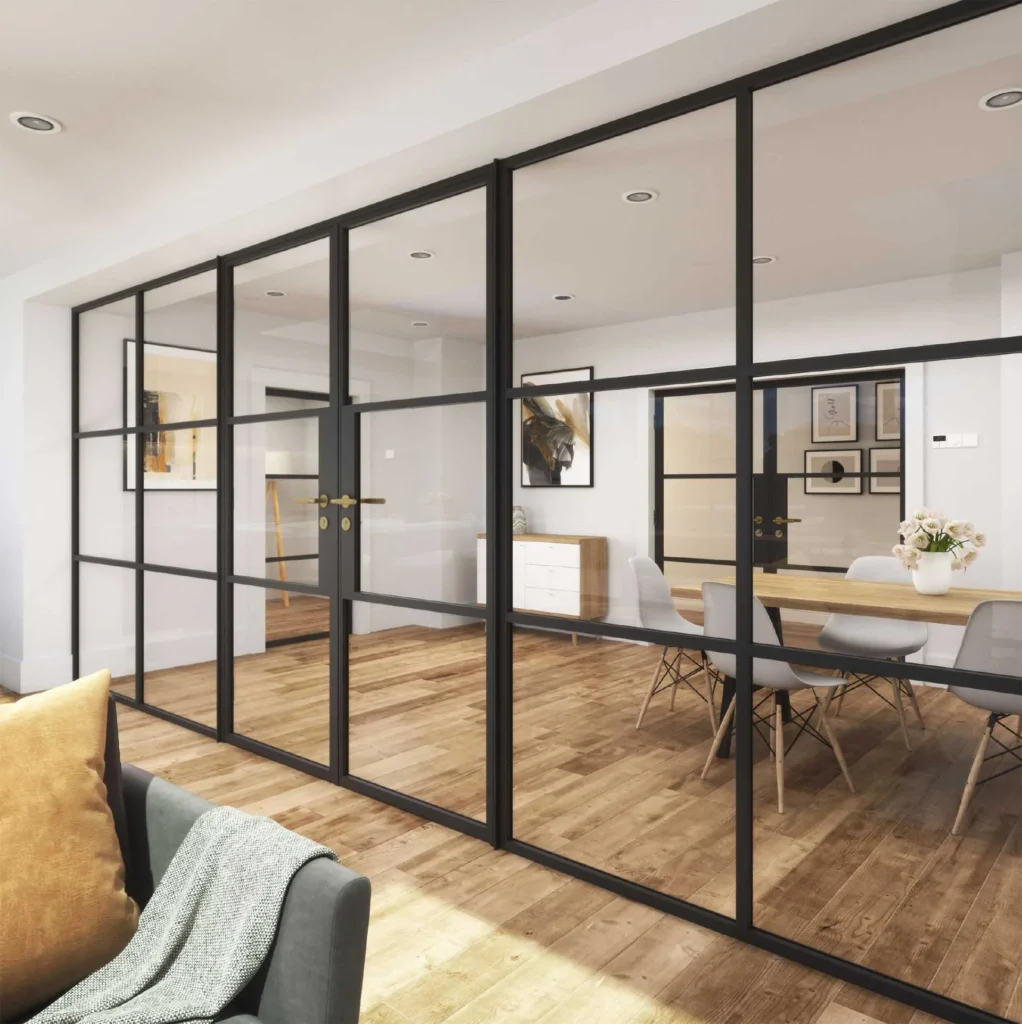
Heritage-style products sit slightly differently. These are often driven by aesthetic goals, planning sensitivity or a desire to echo traditional steel glazing. They can transform the look of a renovation, but they need careful specification around bar layout, frame proportions and hardware so the final result feels authentic rather than decorative.
The trade glazing specification guide to thermal performance
Thermal performance is one of the first figures buyers ask for, but it should be read properly. A headline U-value is useful only when you understand whether it applies to the whole product, the centre pane or a particular configuration. In real projects, whole-unit performance is what matters most.
You also need to view thermal performance in context. A highly insulated frame and glazing unit can help reduce heat loss, but orientation, room use and ventilation strategy still influence comfort. South-facing roof glazing, for example, may need more attention around solar control than a standard vertical window. Likewise, large glazed openings can transform a living space, but they must be specified carefully to avoid overheating in summer or underperformance in winter.
For trade buyers, this is where technical documentation becomes valuable. Product data, section drawings and tested performance figures make it easier to compare systems honestly and specify with confidence. It also helps avoid a common issue – selecting a product based on a marketing claim rather than the actual configuration being ordered.
Think beyond the frame and glass
A strong specification covers the details around the product, not just the product itself. Thresholds, cills, trickle ventilation, drainage, glazing bars, hardware finishes and handle positions all affect the finished result. These choices may seem secondary early on, but they often decide whether the installation feels considered or compromised.
Take door thresholds as an example. A flush threshold can improve accessibility and visual flow, which is ideal for extensions and garden rooms. But exposure levels, water management and building use all need checking. In some settings, a weathered threshold detail may simply be the better practical choice. The same applies to hardware. Black hardware can sharpen a modern scheme, while a heritage project may need more sympathetic finishes. If these choices are left until late in the process, they can disrupt lead times or leave the product feeling mismatched.
Site realities should inform the specification
This is where experienced trade buyers often get ahead. They know that glazing performance on paper is only part of the story. Access, lifting requirements, opening tolerances and installation sequencing all need to be considered before the order is placed.
Large panes and oversized door sets can create a strong visual result, but they may require specialist handling or more labour on site. That has cost implications. It can also affect scheduling if the project has limited access or if installation is happening alongside other trades in a tight build programme. A product that looks efficient to specify can become difficult to install if practical site conditions have not been factored in.
For homeowners, this is one reason consultative support matters. The right supplier should help translate technical options into workable choices, rather than simply presenting a long list of configurations. On bespoke projects especially, that guidance can make the difference between a smooth order and an avoidable delay.
Compliance, security and long-term value
Glazing is a design feature, but it is also part of the building envelope. That means compliance and security need proper attention. Building Regulations, ventilation requirements, safety glazing and energy performance should all be accounted for early, not treated as a final check before purchase.
Security specification is equally important. Homeowners want peace of mind, and trade professionals need confidence that the chosen system meets expected standards. Locks, glazing specification and overall system testing all contribute here. Higher performance products often carry a stronger upfront cost, but they can offer better value over time through durability, lower maintenance and stronger user satisfaction.
This is also where product quality becomes more visible after installation. A well-made glazed system should feel solid in use, operate cleanly and continue performing through seasonal changes. Cheap compromises rarely stay hidden for long.
Choosing a supplier is part of the specification
A good product range helps, but supply support is what keeps projects moving. Trade buyers usually need clear lead times, dependable communication, access to technical files and pricing that works across repeat orders. Homeowners often need reassurance, guidance on customisation and confidence that the product they are choosing will suit the property.
That is why supplier choice should sit within any trade glazing specification guide. The ideal partner combines breadth of range with practical support – especially where projects vary from straightforward replacements to more bespoke glazed designs. A retailer that can provide recognised systems, downloadable technical information and UK-based guidance gives both trade and consumer buyers a cleaner route from design idea to final order.
For many projects, the best result comes from slowing down the decision at the right moment. Not to overcomplicate it, but to ask the questions that shape better outcomes. What does this room need from its glazing? Where should budget be prioritised? Which details will affect installation, comfort and appearance once the product is in place? Get those answers right, and the specification becomes far more than a product choice – it becomes the foundation for a smoother build and a result that looks right, works properly and adds lasting value.