If you are comparing roof windows vs rooflights, you are probably already at the stage where daylight matters just as much as layout. That is usually the point in a project where small specification choices start having a big effect on comfort, appearance and budget. Get this one right and you can brighten your home, improve ventilation and make a new space feel properly finished.
The confusion is understandable because the terms are often used interchangeably. In everyday conversation, plenty of people call any glazed opening in the roof a skylight, a rooflight or a roof window. But when you are choosing products for a loft conversion, extension, garden room or renovation, the distinction matters.
Roof windows vs rooflights: what is the difference?
The clearest way to separate them is by how they are used and where they are installed.
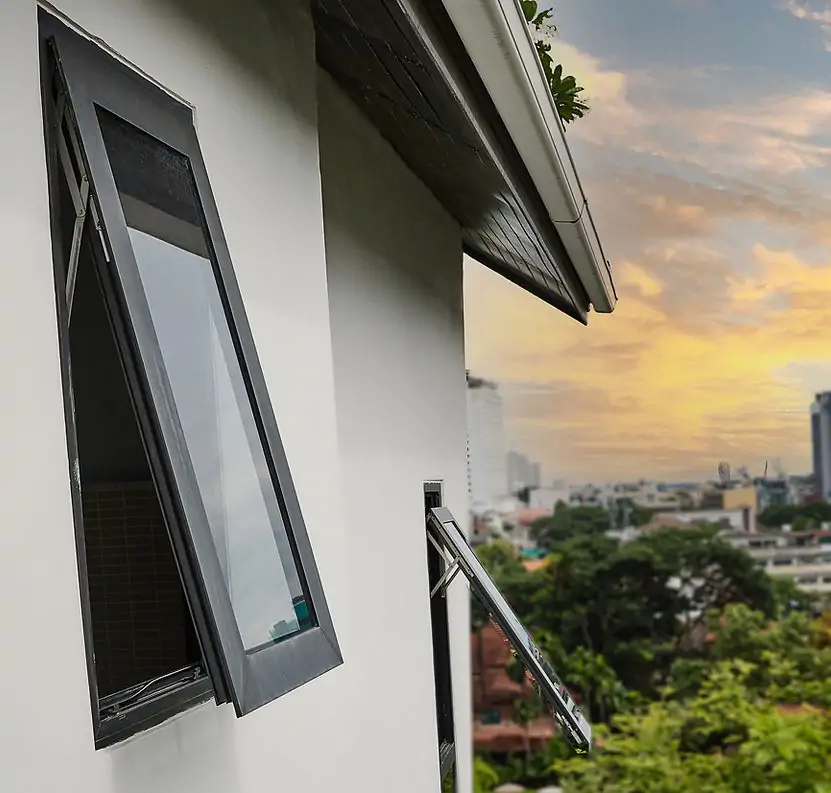
A roof window is typically installed within the pitch of a sloping roof and is designed to be within reach. It usually opens, often with a centre pivot or top-hung operation, and is intended to provide both daylight and ventilation. This makes roof windows especially popular in loft conversions, attic rooms and upper-floor spaces where the glazing becomes part of the everyday living environment.
A rooflight is a broader term, but in most residential projects it usually refers to a glazed unit that brings light through the roof without functioning like a conventional window. Rooflights are commonly fixed, can be fitted to flat roofs or pitched roofs, and are often chosen where the priority is maximising daylight and creating a clean architectural look. Flat rooflights, walk-on rooflights and frameless internal views all sit within this category.
So the short version is simple. If it opens like a window and is designed for in-reach use on a pitched roof, it is usually a roof window. If it is primarily a glazed roof opening focused on light, especially on a flat roof, it is more likely to be a rooflight.
Where each option works best
The best product usually depends less on terminology and more on the room you are building.
Roof windows for lofts and converted roof space
If you are converting a loft into a bedroom, office or studio, roof windows are often the natural fit. They offer ventilation at high level, can help meet habitable room requirements, and make the space feel like a proper room rather than an afterthought tucked under the eaves.
Because they are designed to be reached and operated, they are practical in day-to-day use. You can open them to release warm air in summer, clean many models from inside, and choose options such as blackout blinds for bedrooms or moisture-resistant finishes for bathrooms.
Rooflights for flat roof extensions and modern additions
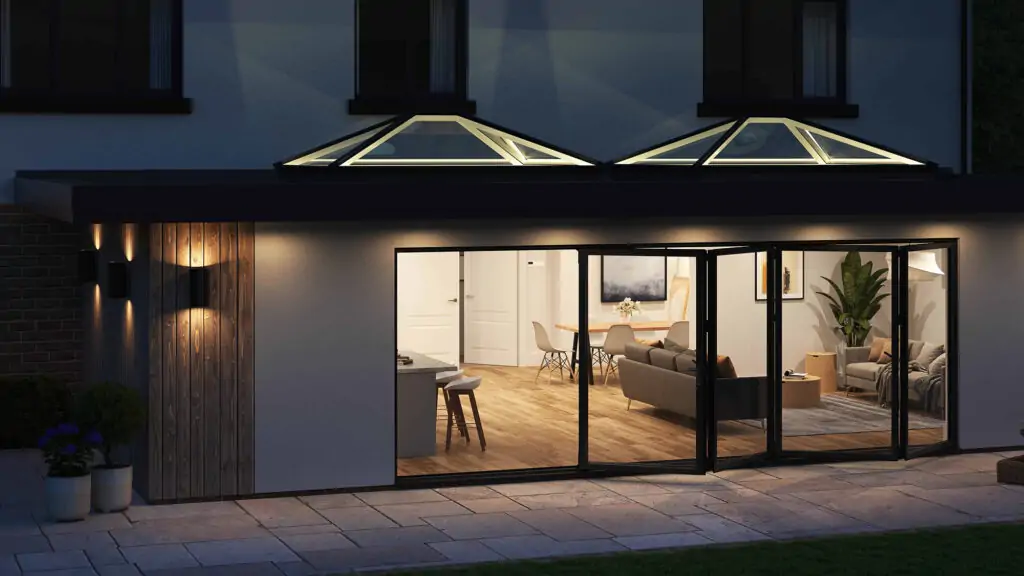
Flat rooflights are a go-to choice for kitchen extensions, open-plan rear additions and garden rooms. They bring daylight into the centre of the property, which is often the darkest part of an extended home. In a single-storey extension, that can completely change how the space feels.
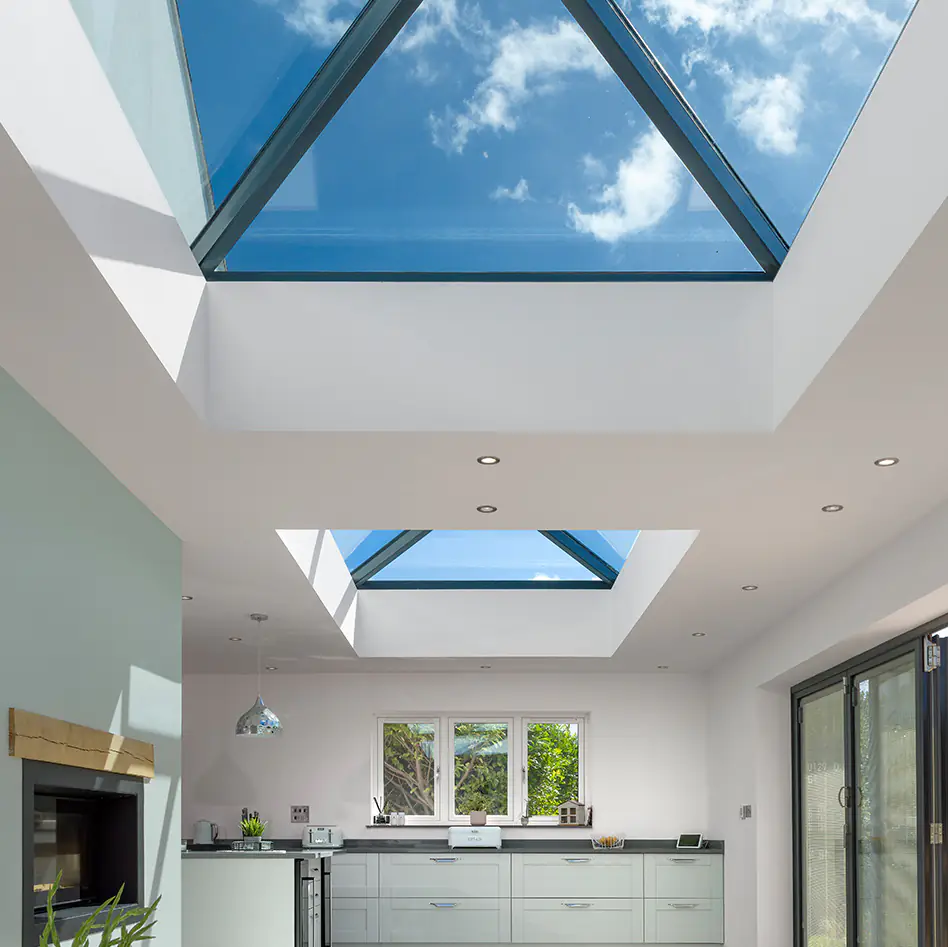
They are particularly effective when you want a minimal external profile and a broad spread of light from above. A fixed flat rooflight over a dining area or kitchen island can create a brighter, more open feel without taking up wall space needed for cabinets, doors or furniture.
Pitched roof projects can use both
Some pitched roof designs can accommodate either roof windows or rooflights, depending on the purpose. If you need ventilation and regular access, a roof window is usually the stronger option. If you are aiming for a cleaner, more fixed glazed look and ventilation is handled elsewhere, a rooflight may suit the design better.
Design, appearance and the feel of the room
This is where the decision becomes more than technical.
Roof windows tend to look more functional because they are. They have visible frames, opening hardware and a clear window-like appearance. In loft rooms, that works well. It feels appropriate, practical and in keeping with the way the room is used.
Rooflights, especially modern flat rooflights, often create a more streamlined architectural effect. Slim frames and larger panes can make the glazing feel less intrusive and the light more dramatic. For contemporary extensions, that cleaner look is often a big part of the appeal.
There is a trade-off, though. Minimal designs can look excellent, but specification still matters. Glass performance, kerb detail, solar gain and installation quality all have a direct impact on how usable the room feels throughout the year.
Ventilation and everyday practicality
If ventilation is high on your list, roof windows usually have the advantage.
Opening roof windows are built with daily use in mind. They are ideal for releasing heat from upper floors and improving airflow in converted roof spaces. In rooms where warm air gathers quickly, that can make a noticeable difference.
Rooflights can also provide ventilation, but not all do. Many flat rooflights are fixed units, chosen purely for light and appearance. Opening flat rooflights are available, including electrically operated models, but they tend to add cost and complexity compared with a standard fixed unit. That does not make them the wrong choice. It just means the practical brief needs to be clear from the start.
For trade buyers and homeowners alike, this is often where projects go off course. A product is selected for how it looks in plans, then someone realises later that the room also needs purge ventilation, easier temperature control or access to fresh air.
Planning, building regulations and fire escape
The product you choose can also affect compliance.
In many cases, roof windows are used in loft conversions because they can support ventilation requirements and, where specified correctly, may also contribute to escape access. That does not mean every roof window qualifies as an escape window, because dimensions, opening area and positioning all matter. It means the category is more closely aligned with habitable roof-space use.
Rooflights are often simpler from a design perspective in flat roof extensions, but they still need to meet building regulation requirements for thermal performance, safety glazing and structural suitability. If the glazing is overhead, glass specification becomes especially important.
Planning permission will depend on the wider project rather than just the product name. Many installations fall under permitted development, but conservation areas, listed buildings and more complex roof alterations can change that. If the roofline is being altered significantly, early checks are worthwhile.
Thermal performance and comfort
Both roof windows and rooflights can deliver strong thermal performance if specified well. The bigger issue is choosing the right glazing for the room orientation and use.
A large south-facing rooflight can flood a room with light, but if solar control is not considered, it can also contribute to overheating in summer. On the other hand, a poorly specified roof window in a loft room can make an already exposed space harder to keep comfortable in winter.
This is why glass specification matters as much as product type. U-values, g-values, low-emissivity coatings and frame quality all play a part. For many buyers, the best route is to begin with how the room will be used, then work backwards to the most suitable product and glazing combination.
Cost and value
There is no single price rule for roof windows vs rooflights because size, glazing specification, opening function and brand all affect the final figure.
In broad terms, a standard roof window for a pitched roof can be a cost-effective solution where ventilation and usability are essential. Fixed flat rooflights can also offer good value, especially when the aim is to maximise daylight in an extension without moving to more complex lantern systems.
Costs rise when you add larger sizes, special finishes, electric opening, premium glazing or bespoke dimensions. Installation requirements also vary. A flat rooflight may require a properly formed upstand or kerb, while a roof window installation depends heavily on roof pitch, flashing compatibility and internal finishing detail.
For homeowners, value is usually about getting the right performance for the room rather than simply choosing the cheapest unit. For builders and installers, it is also about reliability, lead times, technical clarity and avoiding specification issues on site.
How to choose the right option
If the space is a loft conversion or an in-reach room under a pitched roof, roof windows are often the better fit. They provide ventilation, practical operation and a familiar window function.
If the project is a flat roof extension and the goal is to pull more daylight into the heart of the home, a rooflight will often make more sense. It keeps the design clean and focuses on brightening the room from above.
If you are still unsure, ask three straightforward questions. Do you need ventilation? Is the roof flat or pitched? Will the unit be within reach and used regularly? Those answers usually point you in the right direction quite quickly.
For more design-led projects, the decision may come down to aesthetics as much as performance. That is where having access to a wider product range, technical information and practical guidance can make specification much easier.
The right choice is the one that makes the room work better every day, not just the one that looks best on a drawing.