



A room can look bright, modern and full of glass, yet still feel chilly by the sofa in January. That is usually the moment thermal performance glazing explained stops being a technical phrase and starts becoming a practical buying question. If you are planning new windows, sliding doors, bifolds or roof glazing, understanding how glazing handles heat is what helps you choose a product that looks right and performs properly.
For homeowners, that means better comfort and lower heating demand. For installers and trade buyers, it means fewer specification mistakes and a cleaner route to the right product. Good glazing is not just about letting light in. It is about managing how heat moves through the glass, the frame and the overall unit.
What thermal performance glazing explained really means
In simple terms, thermal performance refers to how well a glazed product resists heat transfer. In a UK home, the goal is usually to keep warmth inside during colder months while reducing cold spots, draughty areas and condensation risk.
Glass on its own is not a strong insulator. That is why modern glazed systems are built as sealed units rather than single panes. Once you start combining multiple panes of glass, gas-filled cavities, warm edge spacer bars and insulated frames, thermal performance improves significantly.
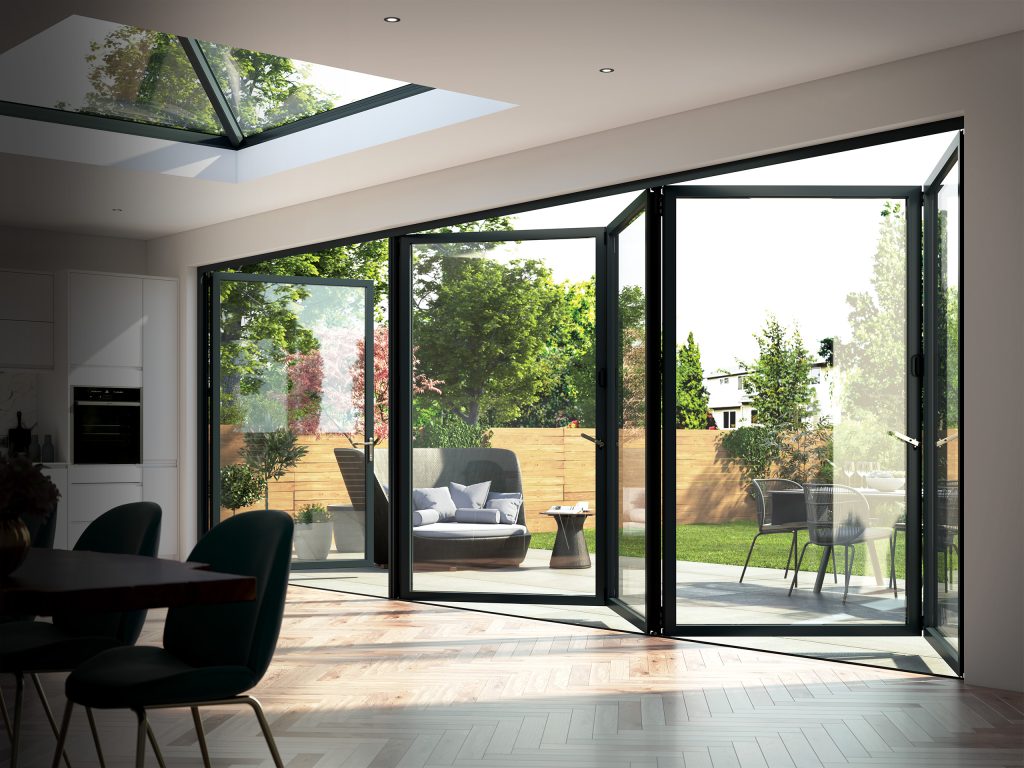
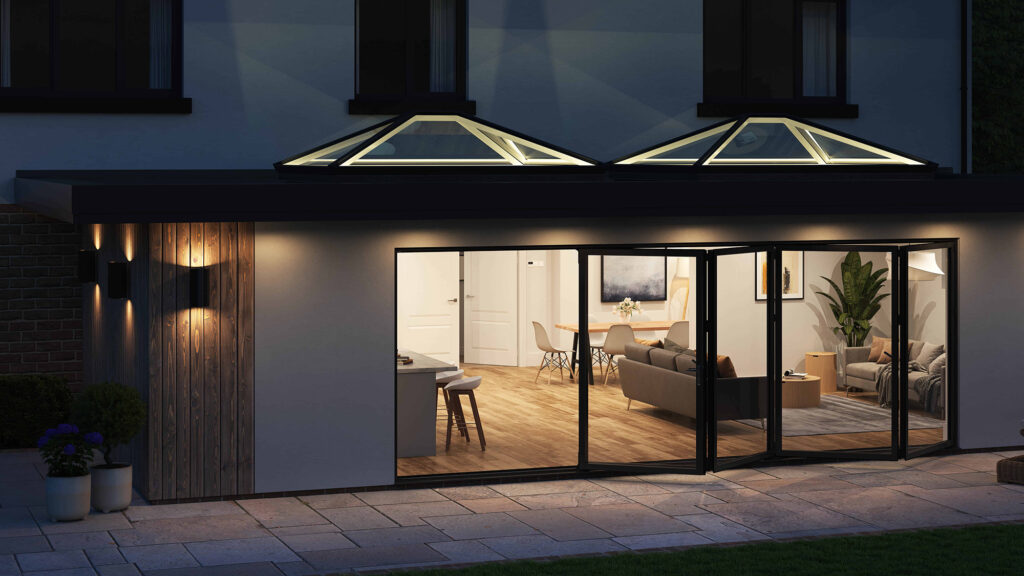
This matters most in spaces with large glazed openings. A bifold door across the rear elevation, a slim sliding door in an extension or a rooflight over a kitchen can completely transform natural light. But if those products are poorly specified, they can also become weak points in the thermal envelope.
The figures you will see on glazing specifications
When reading product details, the term you will come across most often is the U-value. This measures how much heat passes through a building element. The lower the U-value, the better the insulation.
For glazing, you may see centre pane U-values, glass-only figures or whole-window and whole-door U-values. That distinction matters. A centre pane figure might look impressive, but the whole-unit performance is the more useful number because it reflects the combined effect of glass, spacer bars, seals and frame.
Solar gain can also enter the conversation, especially on south-facing elevations or in rooms prone to overheating. A highly insulating glazing unit can still allow useful solar warmth into the property, but the balance depends on the glass specification. In some projects, especially extensions with lots of roof glazing, controlling heat gain is just as important as reducing heat loss.
That is why there is rarely one universal “best” option. The right glazing specification depends on orientation, room use, glazing size and frame design.
How double and triple glazing affect thermal performance
Double glazing remains a strong choice for many UK homes because it offers a good balance of insulation, cost, weight and sightlines. A well-made double glazed unit with a low-emissivity coating, argon gas fill and thermally efficient frame can deliver excellent results in standard residential applications.
Triple glazing can improve thermal insulation further, but it is not automatically the better option in every case. It usually costs more, weighs more and can affect frame design and installation requirements. In some door systems, particularly those prioritising slimmer profiles or larger panes, triple glazing may not be the most practical route.
For many renovation and extension projects, the smarter question is not “double or triple?” but “how well is the full system designed?” A premium double glazed aluminium or uPVC product with strong thermal breaks and quality seals can outperform a poorly designed triple glazed alternative.
Why the gap between panes matters
The cavity between panes is not empty by accident. It is part of the insulating system. Manufacturers often fill that space with argon gas because it slows heat transfer more effectively than air.
The spacer bar around the edge of the sealed unit also plays a part. Warm edge spacers help reduce heat loss at the perimeter of the glass and can lower the chance of condensation forming around the edges. It is a small component, but it makes a measurable difference.
Low-E coatings and why they matter
Low-emissivity, or Low-E, glass has a microscopically thin coating that reflects heat back into the room while still allowing light to pass through. This is one of the biggest reasons modern glazing performs so much better than older units.
Without this coating, indoor heat escapes more easily through the glass. With it, the room retains warmth more effectively. In practical terms, that can mean a more comfortable living area near large panes of glass and less reliance on heating to maintain the same room temperature.
Some glass specifications are designed to maximise solar gain, while others are intended to control it. This is where expert advice can save time. A bright kitchen extension with a roof lantern may benefit from a different glass specification than a north-facing bedroom window.
Frames matter as much as the glass
People often focus on the glazing unit and overlook the frame. In reality, thermal performance depends on the full product.
Modern aluminium systems now use thermal breaks to reduce heat transfer through the frame, making them far more efficient than older aluminium products. This has made aluminium a strong option for homeowners who want slimmer sightlines and larger glazed areas without sacrificing performance.
uPVC is naturally a good insulator and remains popular for energy-efficient windows. Timber also offers strong thermal properties, though maintenance expectations are different. Each material has its place, and the right choice depends on budget, appearance, project style and the size of the opening.
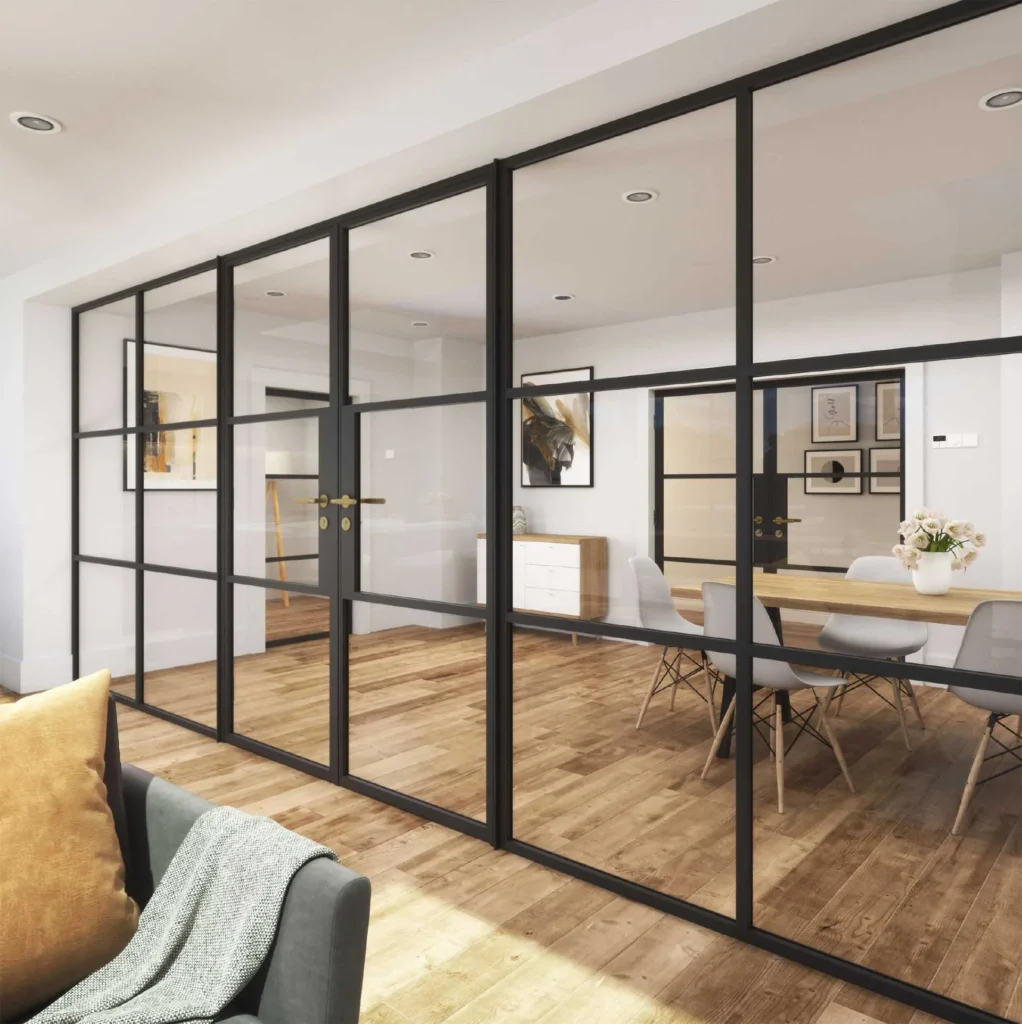
For trade buyers, this is where specification discipline matters. A large-format sliding door designed around minimal sightlines may deliver a different U-value from a more heavily framed system. Neither is automatically wrong. It comes down to the priorities of the project.
Thermal performance glazing explained for different products
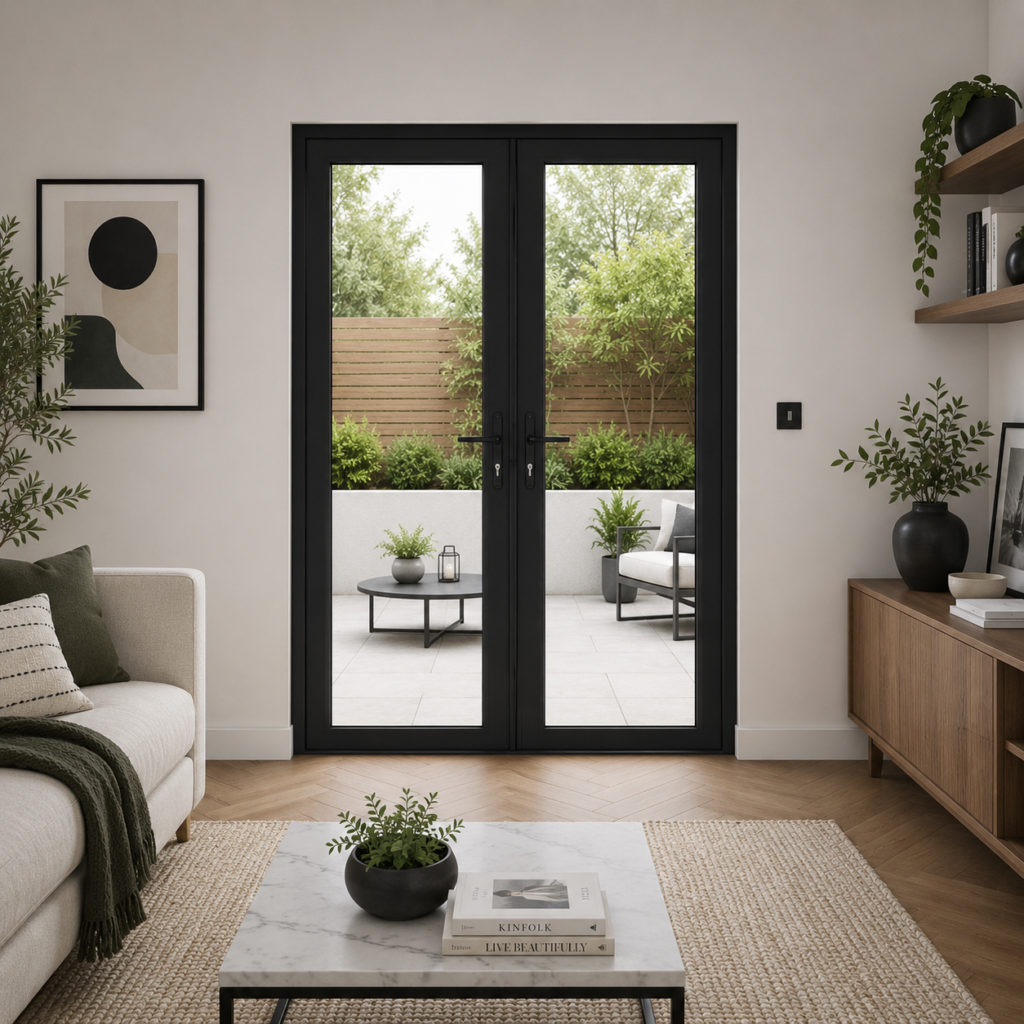
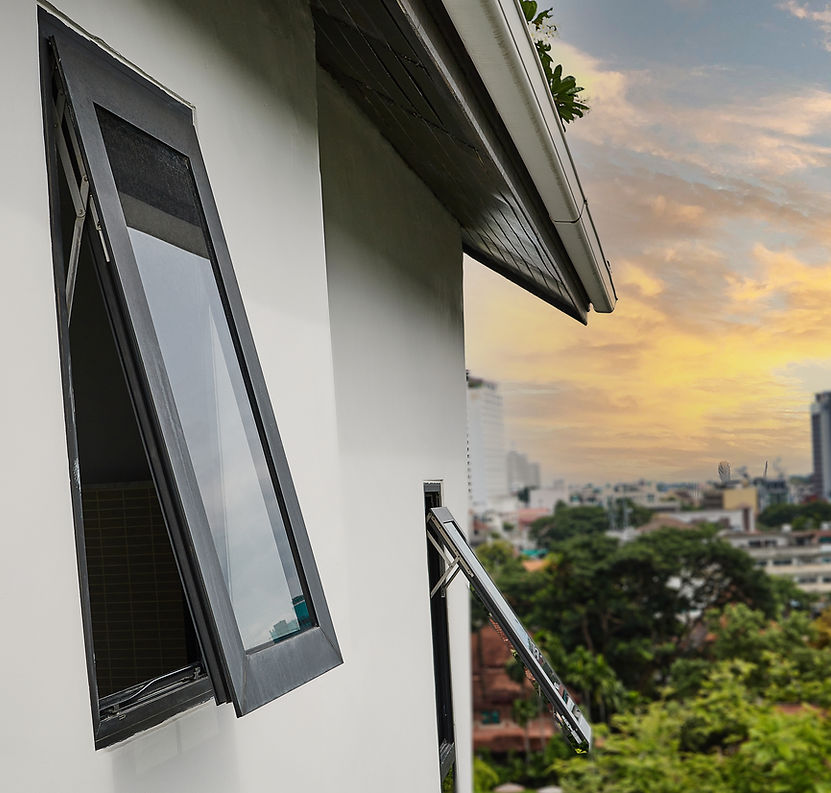
Not all glazed products behave the same way. A standard casement window, a bifold door and a flat rooflight each face different performance demands.
Windows generally achieve strong thermal performance because they have more framing relative to glass size and tighter opening sections. Sliding doors often prioritise larger panes and reduced frame lines, so achieving low U-values within a slim aesthetic takes more engineering. Bifold doors can perform very well, but there are more moving parts, seals and meeting stiles to consider.
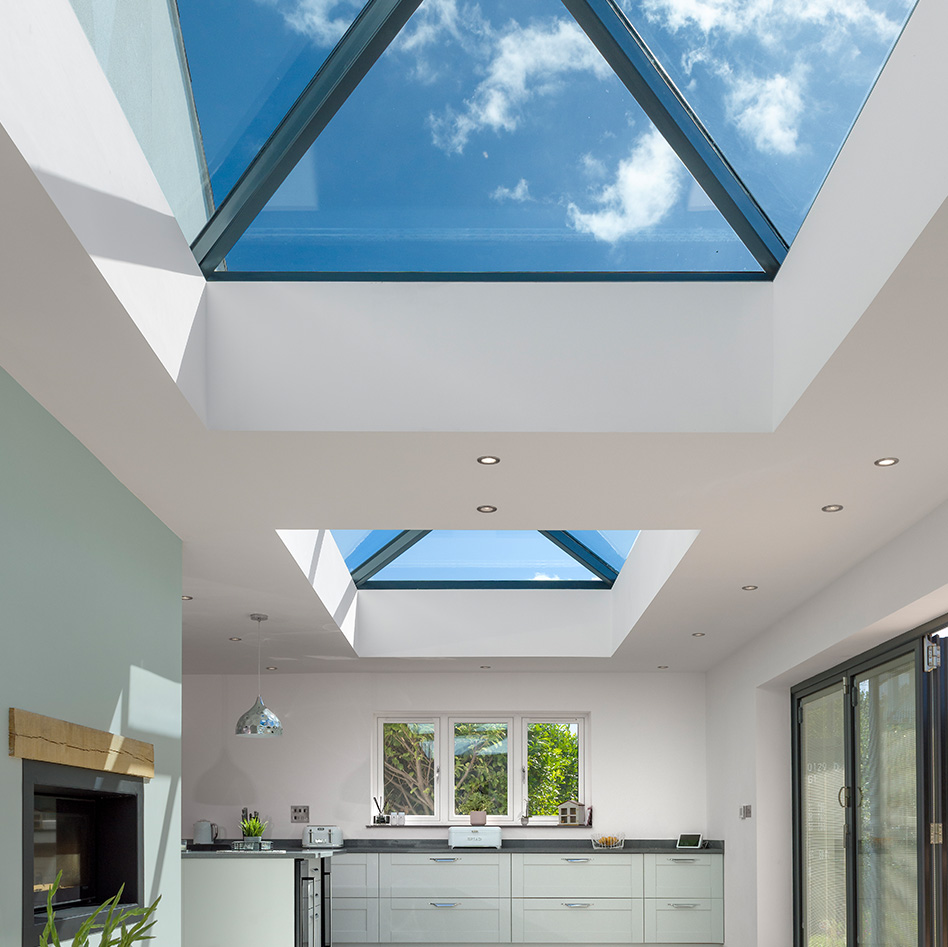
Roof glazing introduces another layer. Because heat rises, thermal performance is especially relevant in rooflights, lanterns and roof windows. At the same time, solar gain can become a larger issue in summer. That is why roof glazing specification should look at both insulation and solar control rather than one number in isolation.
Common mistakes when comparing glazing
A common mistake is comparing products using headline figures that are not measured the same way. One supplier may quote a centre pane U-value while another quotes a whole-product figure. Those are not equal comparisons.
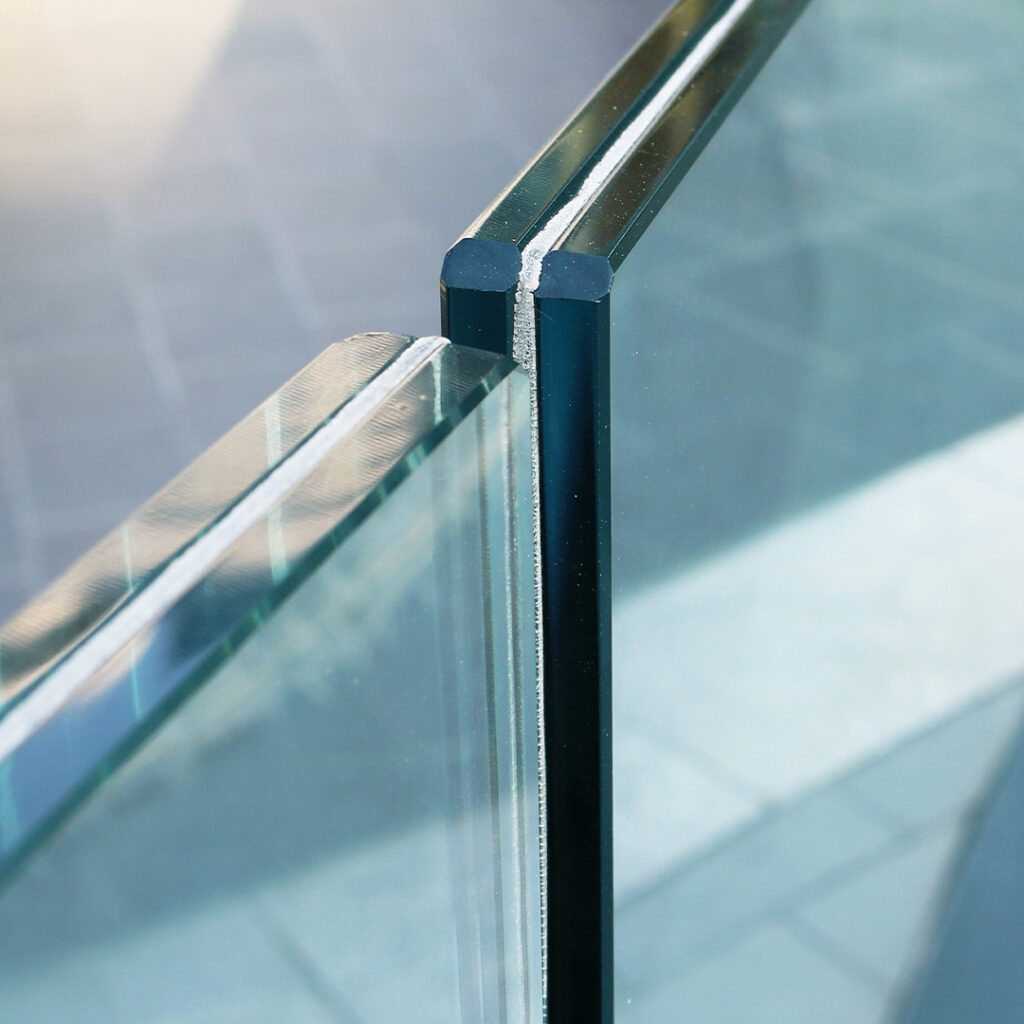
Another is assuming thicker glass means better thermal performance. Thickness can help with acoustics or structural requirements, but insulation depends more on the unit makeup, gas fill, coatings and cavity design.
It is also easy to focus purely on energy bills and forget comfort. Good thermal performance is not just about annual savings. It is about making the room usable year-round. That matters just as much in a garden room, open-plan extension or glazed corner as it does in the main house.
What to ask before you buy
If you are comparing glazing products, ask for the whole-unit U-value, not just the glass figure. Check whether the specification includes Low-E glass, argon-filled units and warm edge spacer bars. Ask how the frame is thermally broken or insulated, and whether the quoted performance applies to the exact product size you want.
For larger projects, it also helps to think beyond the product itself. Installation quality affects thermal performance in a big way. Poor fitting, weak sealing or badly detailed junctions can undermine even a high-spec unit.
This is one reason many buyers prefer a supplier that offers technical support alongside product choice. When there are multiple brands, frame materials and glazing options on the table, clear guidance helps you match performance to the real demands of the project rather than choosing on marketing terms alone.
Thermal performance glazing explained in practical terms
If you want the simplest version, it is this: better thermal glazing keeps warmth where you want it, supports a more comfortable room and helps large glazed areas feel like an upgrade rather than a compromise.
That does not mean chasing the lowest number on a datasheet at any cost. It means choosing a glazing system that suits the opening, the orientation, the frame material and the way the room will be used. For some homes, that may be a well-specified double glazed aluminium sliding door. For others, it may be triple glazed windows or solar-control glass overhead.
The best results come from balancing performance, appearance and budget in a way that makes sense for the property. Get that balance right and your glazing does more than brighten your home. It helps the space feel warmer, more consistent and more enjoyable every day.