A slim window frame can change the whole feel of an extension. More glass, cleaner sightlines and better views of the garden are compelling reasons to choose aluminium. But are aluminium windows worth it when the initial price is often higher than uPVC? For many UK renovation and new-build projects, the answer is yes – provided the system, glazing and specification suit the property.
Aluminium is not automatically the right choice for every opening. A well-specified uPVC window can be excellent value, while a premium aluminium system may be the better long-term investment where large panes, contemporary design or a particular colour finish matter most. The key is comparing the complete window, not simply the frame material.
Are aluminium windows worth it in the UK?
Aluminium windows are worth considering if you want a durable, low-maintenance frame with a refined appearance and the strength to support larger areas of glass. They are especially popular in rear extensions, garden rooms, loft conversions and modern replacement projects where natural light is central to the design.
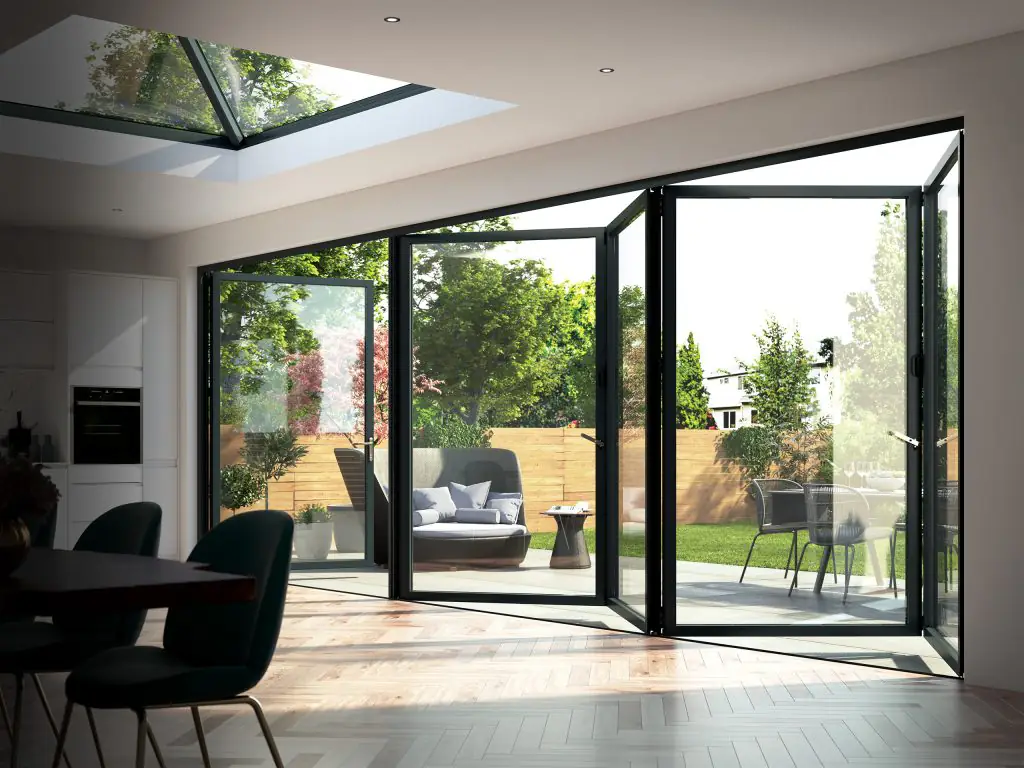
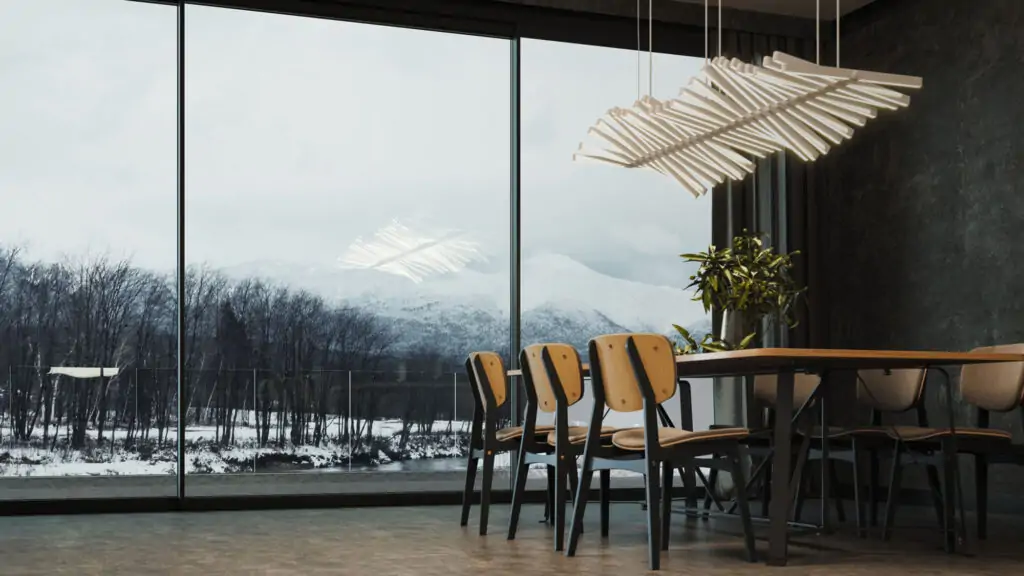
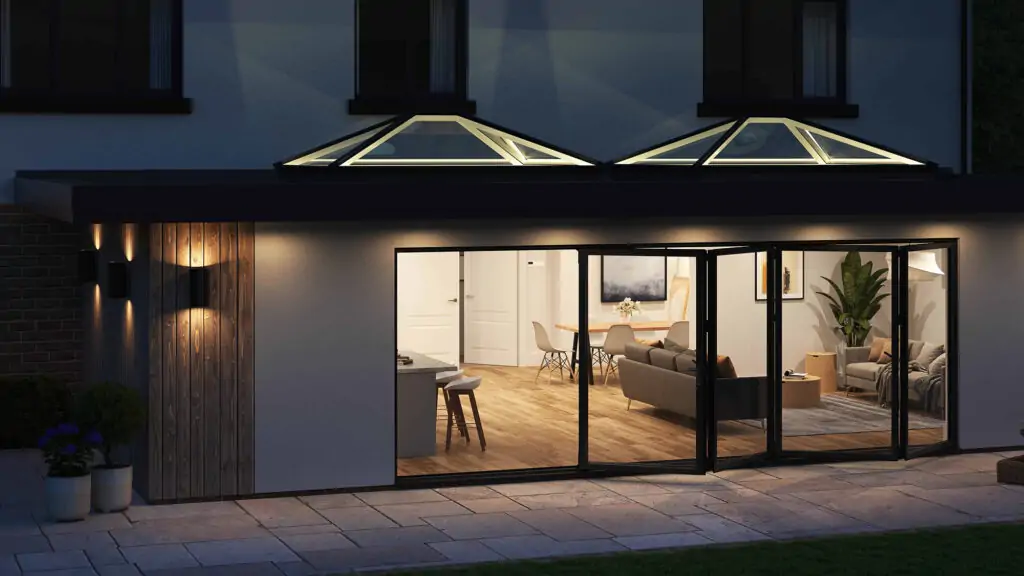
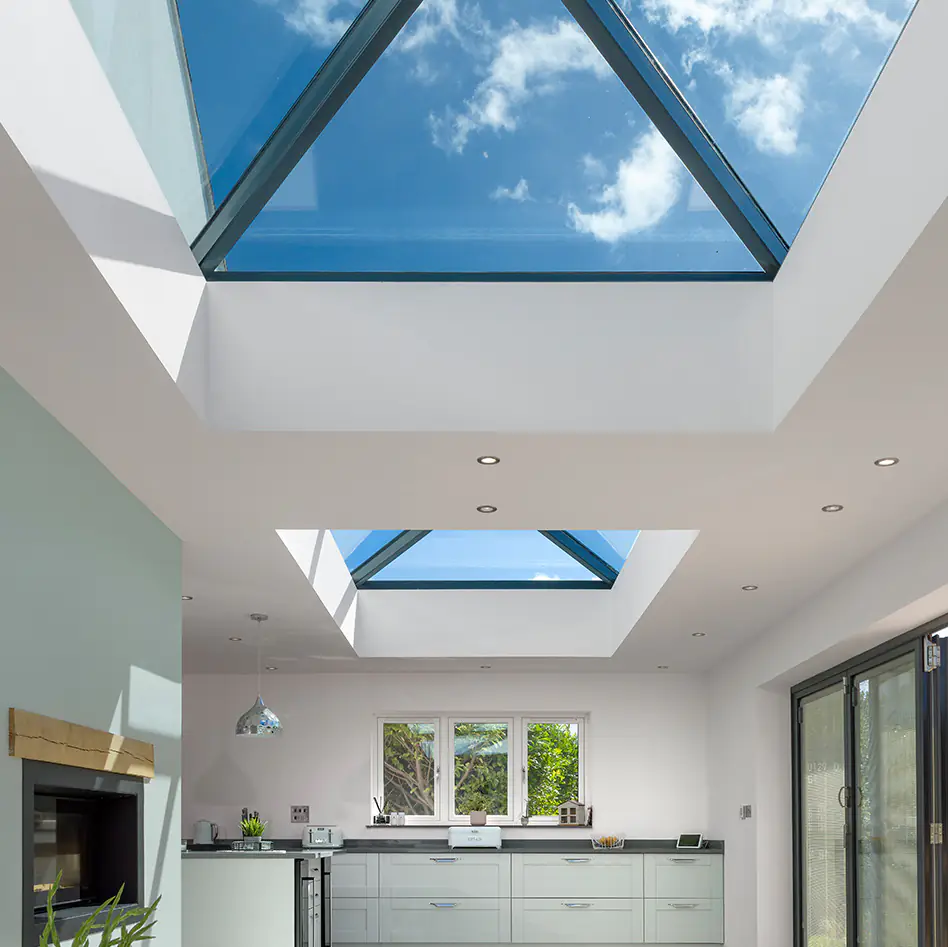
Their greatest advantage is strength. Aluminium frames can be slimmer than many alternatives while still supporting substantial glazed units. That means less frame and more daylight, which is particularly valuable around wide fixed windows, corner glazing and feature openings. It also creates a crisp, architectural finish that works well alongside aluminium bifold doors, sliding doors and rooflights.
Modern aluminium windows are very different from the cold metal frames found in older properties. Quality systems use a thermal break – an insulating barrier built into the frame – to reduce the movement of heat between indoors and outdoors. Combined with suitable double or triple glazing, this helps deliver strong thermal performance for a UK home.
That said, aluminium tends to cost more upfront. If your priority is replacing several standard-sized windows at the lowest possible purchase price, uPVC will often offer the stronger short-term value. Aluminium makes more sense when its design flexibility, longevity and performance justify the additional budget.
The benefits that add real value
Slim frames and more natural light
The visual difference is often immediate. Aluminium’s inherent strength allows narrow frame profiles, helping maximise the glass area without compromising stability. In a kitchen extension or living space facing the garden, those extra glazed inches can make the room feel brighter and more open.
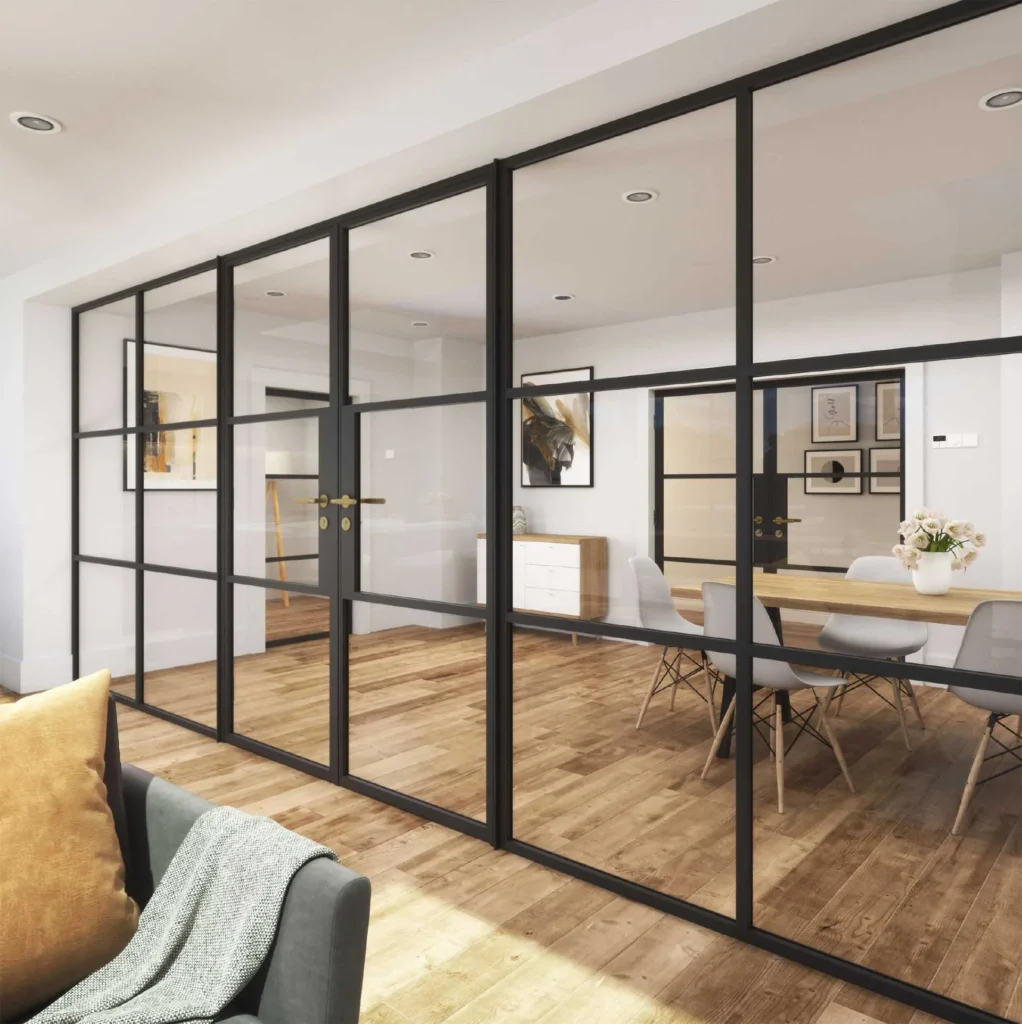
This is not only about contemporary homes. Aluminium also suits period-style projects when a heritage system with slim, steel-look sightlines is selected. The finish can provide character without the maintenance demands associated with traditional steel frames.
A long service life
Aluminium does not rot, swell or warp in changing weather conditions. Powder-coated finishes are designed to retain their appearance for years with straightforward care, making the material a sensible option for exposed elevations and busy family homes.
Routine maintenance is usually limited to cleaning the frames with mild soapy water, keeping drainage paths clear and checking hinges, handles and seals periodically. For landlords, developers and homeowners planning to stay put, lower ongoing maintenance can improve the overall value calculation.
Colour and design freedom
White remains a practical choice, but aluminium gives you considerably more scope to tailor the finish to your home. Anthracite grey, black, heritage colours and lighter neutral shades can all create a considered result. Many systems also offer different internal and external colours, allowing you to coordinate the outside with doors and cladding while keeping the interior softer.
The quality of the coating matters. A reputable powder-coated finish is far more resistant to fading and peeling than a basic painted surface, particularly on south-facing elevations that receive strong sunlight.
Security and weather resistance
A good aluminium window is built around more than the visible frame. Multi-point locking, secure glazing beads, durable hardware and carefully engineered seals all contribute to security and weather performance. Aluminium’s rigidity also helps large sashes remain stable over time when the window is correctly manufactured and installed.
For exposed sites, it is worth checking the product’s tested weather ratings rather than assuming all aluminium windows perform the same way. Specification should match the building’s location, height and exposure.
What to weigh up before choosing aluminium
The main drawback is price. Aluminium windows commonly cost more than comparable uPVC options because of the material, engineering, finish and manufacturing involved. The difference can be worthwhile, but only where the benefits will be seen and used. Installing premium aluminium in a small utility-room window may not offer the same return as using it for a wide picture window or a prominent front elevation.
Thermal performance also deserves a closer look. Aluminium itself conducts heat, so thermal breaks are essential. Do not compare frame materials in isolation. Ask for the whole-window U-value, which measures how readily heat passes through the combined frame and glass. Lower figures generally indicate better insulation, but the best choice depends on your Building Regulations requirements, glazing specification and budget.
Triple glazing can reduce heat loss further and may improve comfort near the window, but it adds weight and cost. It is not always necessary for every project. A high-quality double-glazed aluminium system may be the more proportionate choice in a standard replacement scheme, while triple glazing can be more attractive in a highly insulated new build or a particularly exposed property.
Condensation is another area where expectations need to be realistic. No window material can prevent condensation caused by high indoor humidity, inadequate ventilation or cold internal surfaces elsewhere in the home. Well-performing glazing and frames help, but extractor fans, trickle ventilation where appropriate and sensible heating habits still matter.
Aluminium vs uPVC: which offers better value?
uPVC remains a popular choice for good reason. It is affordable, thermally efficient and available in a broad range of styles, including woodgrain finishes. For conventional replacement windows, especially where budget is fixed, it can be the most practical route to improved comfort and lower energy use.
Aluminium becomes more compelling when design is driving the project. It provides slimmer sections, larger glass sizes, a more premium finish and a long-lasting alternative for feature glazing. It can also create a more consistent look where windows sit alongside aluminium patio doors, roof lanterns or fixed glazed screens.
Value therefore comes down to the project rather than a universal winner. A homeowner replacing every window in a rental property may reasonably favour uPVC. Someone creating a light-filled extension in Fleet, Farnborough or further afield may decide that aluminium’s sightlines and finish are worth the extra investment. For trade professionals, aluminium can be easier to justify on projects where architectural detail and client expectations are higher.
How to specify aluminium windows with confidence
Start with the opening and how the room will be used. A fixed picture window, a casement window, a tilt-and-turn design and a flush heritage window all solve different problems. Consider ventilation, cleaning access, fire escape requirements and whether the window needs to match existing doors.
Then focus on the details that affect performance and appearance:
- the whole-window U-value, rather than glass performance alone;
- the glazing type, including low-emissivity coatings, warm-edge spacers and safety glass where needed;
- frame sightlines and the opening configuration;
- security hardware, handle finish and locking specification;
- colour, inside and out, plus the quality of the powder-coated finish;
- survey, installation and making-good work, which should be allowed for from the beginning.
It is also wise to request technical documentation before ordering, particularly for a new build, structural opening or trade installation. Accurate sizes, glass weights, drainage requirements and installation clearances matter as much as the product style. Bespoke aluminium windows are made to suit an opening, so changes after manufacture can be expensive and disruptive.
When aluminium is the right investment
Aluminium is usually a strong fit for extensions with large glazing, contemporary renovations, premium replacement projects and homes where a long-lasting coloured finish is a priority. It is also a practical choice where narrow sightlines will make a noticeable difference to the view or daylight entering the room.
It may be less suitable where the budget is tight, openings are small and standard, or the property needs a more traditional appearance that can be achieved more economically with another material. There is no benefit in paying for features that the building does not need.
The most rewarding projects begin with the desired result: brighter rooms, better views, improved comfort and windows that complement the rest of the home. Choose an aluminium system that delivers those benefits at the right specification, rather than treating the material alone as the measure of quality.