



A bright extension can look perfect on paper and still feel cold in January or too warm by mid-afternoon in July. That is usually where glazing choices start to matter. If you want to choose glazing for thermal efficiency, the right answer is rarely just “triple glazing” or “the lowest U-value available”. It depends on where the glazing is going, how large the opening is, what frame system you are using and how you want the room to feel all year round.
For homeowners, that means balancing comfort, appearance and budget. For trade professionals, it means specifying a system that performs properly once it is installed, not just one that reads well on a datasheet. Good glazing should help retain heat in colder months, manage solar gain in warmer weather and support the overall performance of the window, door or rooflight rather than working against it.
What really matters when you choose glazing for thermal efficiency
Most buyers begin with U-values, and that makes sense. A U-value measures how much heat passes through a product. Lower numbers indicate better insulation. But glazing is not assessed in isolation in the real world. A pane of glass may perform very well in testing, yet the overall result will also depend on the spacer bar, the gas fill, the edge seal, the frame material and the quality of installation.
That is why it helps to separate glass performance from whole-product performance. Centre-pane performance can sound impressive, but the figure that matters most for a completed window or door is the whole-unit U-value. If you are comparing products, make sure you are looking at like-for-like figures.
There is also a practical point here. Chasing the absolute lowest U-value is not always the smartest route if the improvement is marginal but the cost increase is substantial. On some projects, especially larger glazed openings, a well-specified double glazed unit can offer excellent thermal performance and better value than a triple glazed upgrade.
Double or triple glazing?
This is where many buying decisions become oversimplified. Double glazing remains a strong option for a large number of UK residential projects. A modern double glazed unit with a low-emissivity coating, warm edge spacer and argon gas fill can deliver strong insulation while keeping sightlines slimmer and overall unit weight lower.
Triple glazing can improve thermal performance further, but it is not automatically the best choice in every setting. It adds weight, can affect hardware requirements and may increase cost noticeably on larger doors and windows. In some systems, especially wide-span sliding or bifold configurations, that extra weight has implications for operation, transport and installation.
For north-facing elevations, rooms that struggle to stay warm or projects with a strong focus on energy efficiency, triple glazing may be worth serious consideration. For many extensions, garden rooms and general replacements, high-performance double glazing is often the more balanced choice. The key is to match the specification to the opening and the room, rather than treating glazing as a one-size-fits-all decision.
Low-E coatings, gas fills and spacer bars
If you are trying to choose glazing for thermal efficiency, these details deserve attention because they make a genuine difference.
Low-E glass has a microscopically thin coating designed to reflect heat back into the room. In UK conditions, this is one of the most important features in an insulated glazed unit. It helps reduce heat loss without stopping you from bringing in natural light.
Gas fills also matter. Argon is common and effective in many high-performance units. It improves insulation between panes at a sensible cost point. Other gases exist, but for most residential applications, argon offers the right balance of performance and value.
Then there are spacer bars. Older aluminium spacers allow more heat transfer around the glass edge. Warm edge spacers reduce this, which can improve overall thermal performance and help lower the risk of condensation at the edges of the pane. It is a relatively small component, but it contributes to the finished result.
Solar gain is part of the thermal picture
Thermal efficiency is not just about keeping heat in. It is also about controlling how much heat comes in through the glass. This matters particularly with south-facing glazing, rooflights and large expanses of glass in extensions.
A room with generous glazing can be comfortable in winter and uncomfortably hot in summer if solar gain is ignored. That does not mean you need dark or heavily tinted glass as standard. It means you should think about orientation, shading and glass specification together.
South- and west-facing glazing may benefit from solar control glass, especially in open-plan spaces that receive long periods of direct sun. North-facing glazing has a different challenge, as it typically receives less useful solar heat, so heat retention becomes more important. East-facing rooms sit somewhere in the middle and can often work well with a more general performance specification.
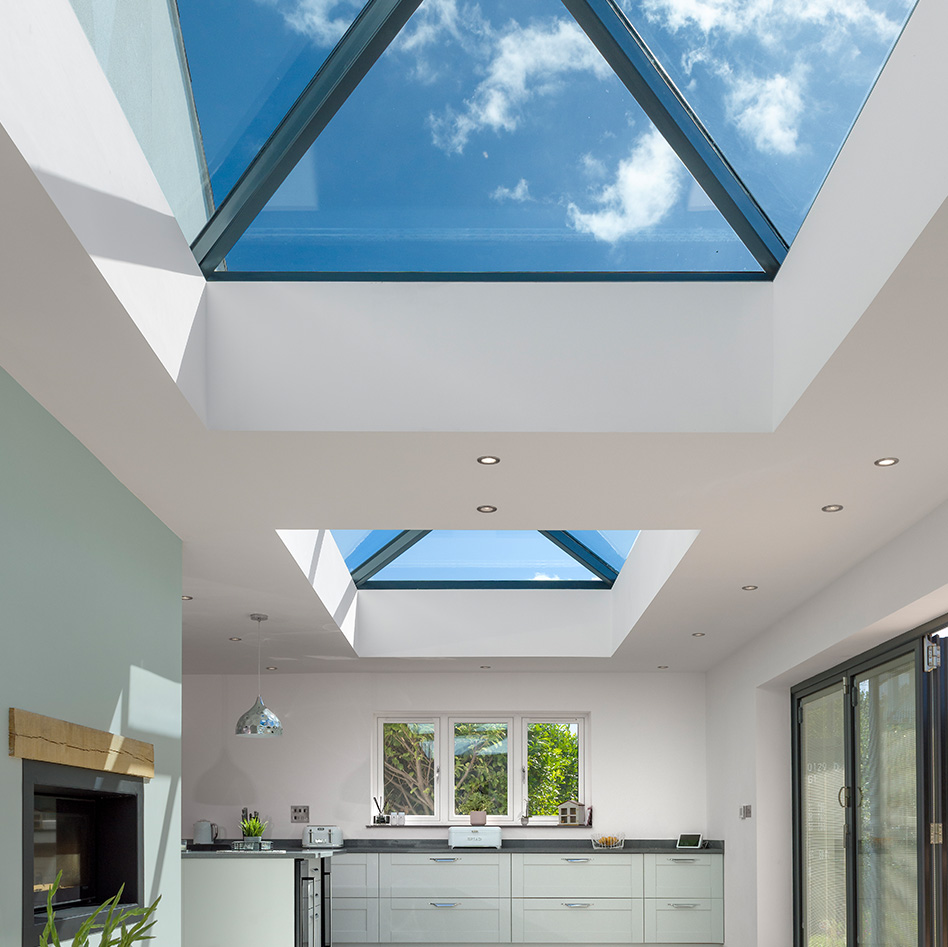
This is where project context matters. A rooflight over a kitchen-diner has different demands from a front-facing bedroom window. The right glazing choice should support how the room is actually used.
Frame material affects overall performance
Glass gets most of the attention, but the frame contributes significantly to thermal efficiency. Aluminium, uPVC and timber-alternative systems all perform differently, and modern thermal break technology has changed expectations, particularly for aluminium.
Aluminium remains a popular choice for contemporary homes because it offers strength, slim sightlines and a premium finish. With a properly designed thermal break and quality glazing specification, it can achieve impressive results. That said, not all aluminium systems perform equally, so it is worth checking certified whole-unit figures rather than assuming all products are the same.
uPVC is often very competitive from a thermal point of view and can offer excellent value. It may suit replacement windows and many residential upgrades particularly well. For buyers focused on clean aesthetics and larger glazed openings, aluminium may still be the preferred route, but the choice should be made with performance data in mind, not just appearance.
Room-by-room thinking leads to better results
The smartest specifications usually come from considering the building as a set of spaces rather than treating every opening the same.
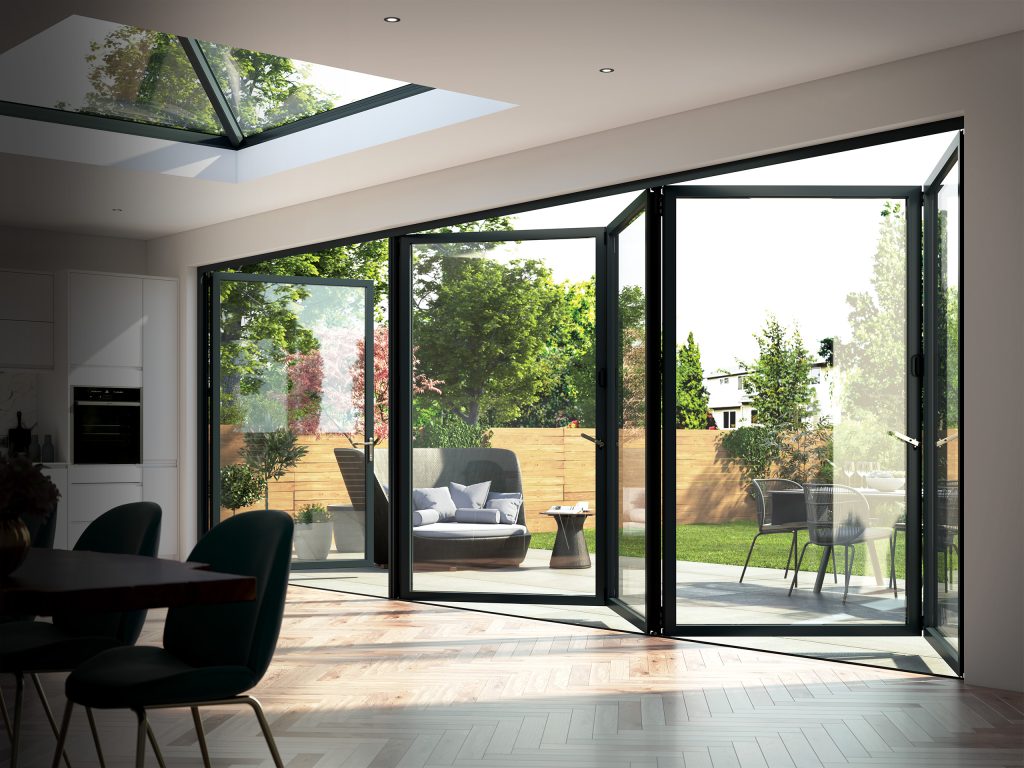
In living areas with large sliding or bifold doors, thermal performance matters, but so does solar control and day-to-day usability. In bedrooms, comfort and condensation resistance may take priority. In a garden room or home office, where you want steady temperatures throughout the day, glass that balances insulation with solar control can make the space far more usable across the seasons.
Bathrooms and kitchens may need extra thought around ventilation as well. Even high-performance glazing cannot compensate for persistent moisture issues if the room is not ventilated properly. That is why glazing should always be considered as part of a wider specification, not as a standalone fix.
Common mistakes when choosing glazing
One of the most common mistakes is focusing on the glass alone and overlooking the system. Another is assuming that larger glass areas always need the highest-spec unit available, even when the gain in performance may not justify the added cost.
There is also a tendency to compare numbers without checking what they refer to. Centre-pane, whole-window and whole-door values are not interchangeable. If you are buying for a renovation or trade project, clarity here saves problems later.
Finally, many buyers underestimate the importance of installation. Even excellent glazing will underperform if the product is poorly fitted, inadequately sealed or specified without regard to the surrounding structure. Thermal efficiency is achieved by the finished installation, not the brochure headline.
How to choose glazing for thermal efficiency with confidence
Start with the room and the orientation. Ask whether the priority is retaining heat, limiting overheating or achieving a sensible balance between both. Then look at the product type. A fixed rooflight, a heritage-style window and a large-format sliding door all place different demands on the glass and frame.
From there, compare whole-product U-values, check whether the units include low-E coatings, argon gas fill and warm edge spacer bars, and consider whether double or triple glazing is proportionate for the application. If you are working on a bespoke project, it also helps to review technical documents before ordering so the specification aligns with building requirements and practical installation needs.
For many projects, a tailored approach delivers better results than a blanket upgrade. That is especially true when combining different products across the same property. One room may benefit from enhanced solar control, while another simply needs stronger heat retention. A good supplier should help make those distinctions clear rather than pushing a single answer for every opening.
At Horizon Windows and Doors, that practical support matters because premium glazing should feel straightforward to specify, not complicated to decode.
The best glazing choice is the one that makes the room work better every day – warmer when it should be, cooler when it needs to be, and comfortable enough that you notice the space, not the temperature.