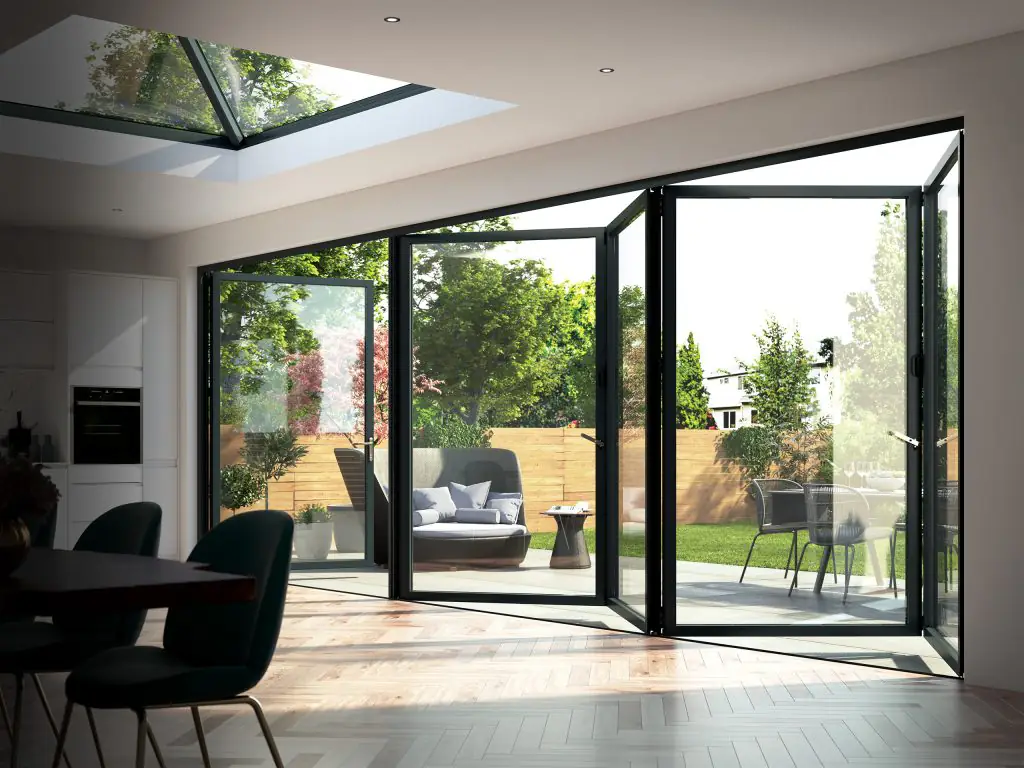
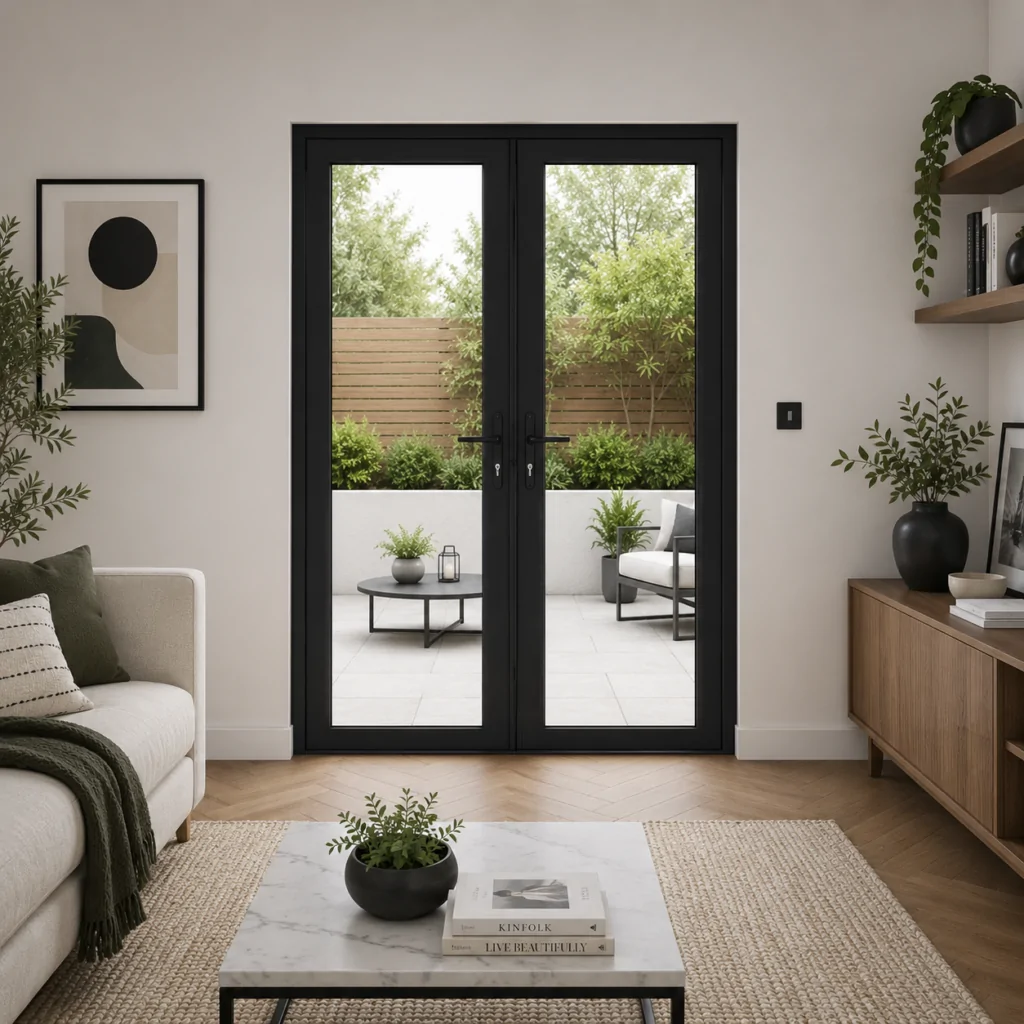
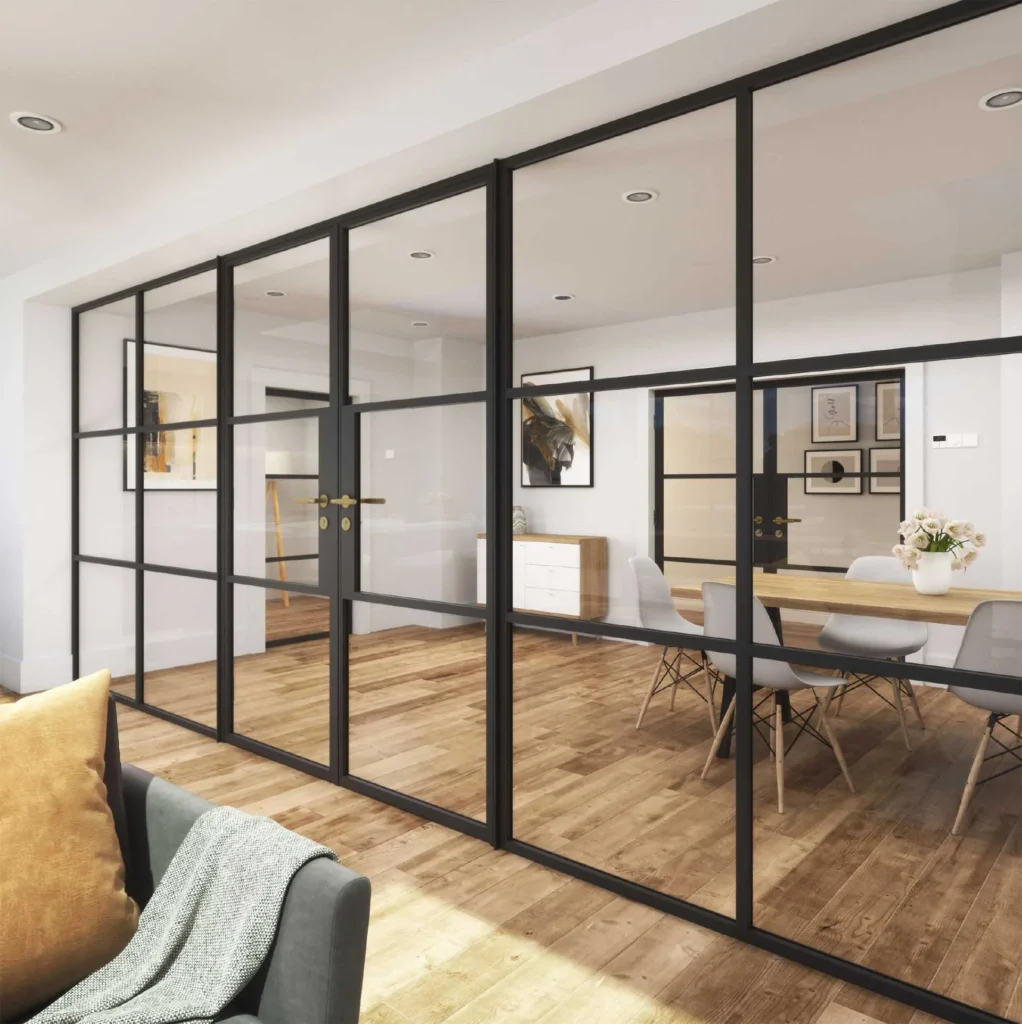
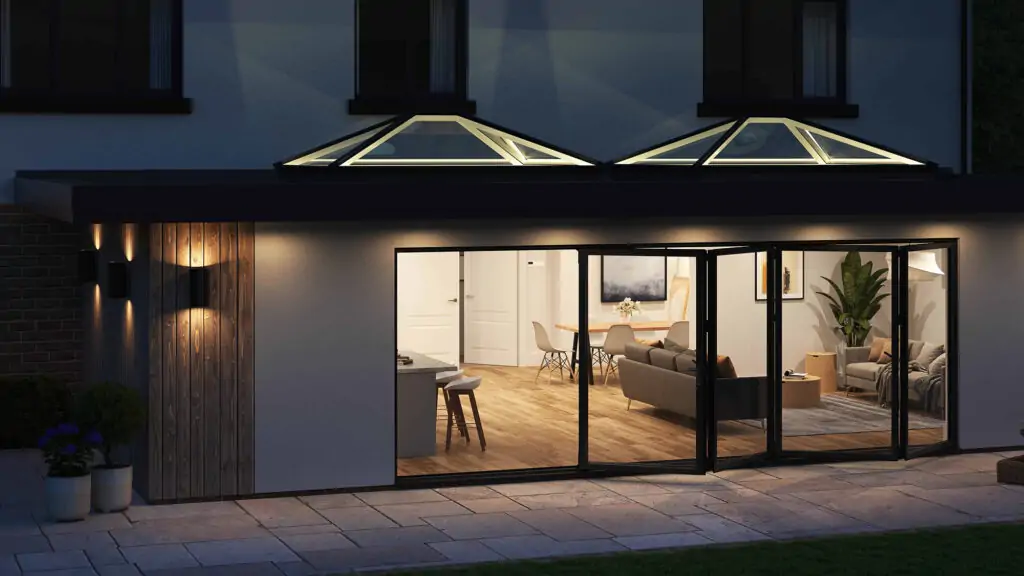
A three-panel bifold can transform a modest kitchen extension. A six-panel system spanning the full rear wall can make the garden feel like part of the living space. The difference is not only visual: it is why the answer to how much do bifold doors cost can range from a few thousand pounds to well over £10,000 once the product, installation and building work are considered.
For most UK projects, a made-to-measure aluminium bifold door will typically cost around £2,000 to £7,000 supplied, depending on its size and specification. Larger premium systems, unusual configurations and high-end finishes can move beyond this range. Installation is usually priced separately, and can add from roughly £1,000 for a straightforward replacement to several thousand pounds where structural alterations are required.
The right budget is not simply the lowest headline price. It is the cost of a door system that fits your opening accurately, performs well through the seasons and gives you the sightlines, access and finish your project deserves.
How much do bifold doors cost by material?
Material is one of the first decisions that shapes the quote. It influences the appearance, maximum panel sizes, maintenance requirements and overall performance of the door.
Aluminium bifold doors
Aluminium is the most common choice for contemporary extensions and design-led renovations. Its strength allows for slimmer frames and larger glazed panels than uPVC, helping to maximise light and garden views. It is also low maintenance and available in a wide choice of powder-coated colours.
A typical three-panel aluminium bifold door, around 2.4 to 3 metres wide, may start from approximately £2,000 to £3,500 supplied. A five- or six-panel system around 4 to 5 metres wide often sits between £4,000 and £7,000 supplied, depending on the profile, glazing and options selected.
Premium aluminium systems cost more because they may offer slimmer sightlines, improved weather performance, enhanced security hardware and more flexible configurations. For a large opening that is a key feature of the home, this can be money well spent.
uPVC bifold doors
uPVC bifolds usually provide the lower-cost route into the look and function of a folding door. They can suit smaller openings, garden rooms and budget-conscious upgrades, particularly where very slim frames are not a priority.
Expect smaller uPVC bifolds to begin at around £1,500 to £2,500 supplied. Wider or more highly specified doors will cost more. The trade-off is that uPVC frames are generally thicker and may not suit very large openings as effectively as aluminium.
Timber and composite options
Timber brings warmth and character, making it a natural match for period homes or projects seeking a softer, traditional finish. It generally requires more care over time, particularly on exposed elevations. Composite systems combine materials to balance appearance, durability and thermal performance, but prices vary considerably by manufacturer.
For many homeowners, aluminium represents the strongest long-term balance between modern appearance, durability and low maintenance. The best option still depends on the property, opening size and budget.
What changes the cost of bifold doors?
Two doors with the same width can have very different prices. That is because the overall quote is built around more than the frame and glass.
Size, panel count and configuration
Wider openings need more aluminium, more glass and often more panels. A three-panel door is typically more economical than a five-panel door across the same opening, although panel width and practical use matter too.
Consider where you want the everyday access door to sit. A traffic door lets you step outside without folding back the complete system, which is useful for bins, pets and quick trips into the garden. Doors can fold inwards or outwards, stack to one side or split in the middle. These choices affect both usability and price.
Very wide openings may require a stronger system, a structural support above the doors or a combination of fixed glazing and bifolds. It is worth designing the full glazed elevation rather than selecting a door in isolation.
Glazing specification
Double glazing is standard for most bifold doors, but glass specification has a direct impact on cost and comfort. Toughened safety glass is required in critical locations, while low-emissivity coatings help retain warmth. Solar-control glass can reduce overheating in south- or west-facing extensions, especially where there is substantial glazing overhead as well as in the doors.
Triple glazing may improve thermal performance in some designs, but it adds weight and cost. It is not automatically the best choice for every project. A well-specified double-glazed aluminium system with good installation and appropriate glass can be an excellent solution.
Colour, hardware and finishing details
Standard colours such as anthracite grey, black and white are usually the most cost-effective choices. Dual-colour frames, special RAL shades, textured finishes and marine-grade coatings can increase the price, but may be worthwhile for coastal properties or where the exterior and interior colour schemes differ.
Handles, hinges, locking cylinders and flush thresholds also matter. A low threshold creates easier access to the garden and is particularly useful for family homes and step-free layouts. It must, however, be specified alongside the correct drainage and weathering detail.
Survey, delivery and installation
A supply-only price is useful for comparing door systems, but it is not the full project cost. Professional installation may include site survey, removal of existing doors, fitting, sealing, adjustments and disposal. Access constraints, upper-floor installations and remote locations can affect labour costs too.
If you are replacing a window with a larger opening, the budget needs to include structural work. Removing brickwork, installing a lintel or steel beam, making good internal finishes and adjusting electrics are separate elements that can quickly exceed the cost of the doors themselves.
Typical UK bifold door budgets
As a practical starting point, these broad figures can help when planning a project. They are indicative supply prices for made-to-measure products rather than fixed quotations.
- A smaller two- or three-panel uPVC bifold may cost around £1,500 to £3,000.
- A three-panel aluminium bifold for a standard extension opening may cost around £2,000 to £4,000.
- A four- or five-panel aluminium system commonly falls around £3,500 to £6,000.
- A wide six-panel premium aluminium bifold, with upgraded glass and finishes, can cost £6,000 to £10,000 or more.
Add installation separately. Straightforward fitting may be around £1,000 to £2,500, while an extension or alteration project with structural work should be costed as a wider building package.
These ranges are useful for early budgeting, but measurements are decisive. Even a small change in height, panel arrangement or glass type can alter a made-to-measure quotation.
Bifold doors versus sliding doors: which gives better value?
Bifolds are often chosen because they can open up almost the entire aperture. On a warm day, folding the panels neatly aside creates a genuine inside-outside connection that sliding doors cannot completely replicate.
Sliding doors usually provide larger individual panes and slimmer uninterrupted views when closed. They may also be more economical for some very wide openings because fewer moving panels are required. If your priority is the clearest possible outlook all year round, a sliding door may offer better value. If your priority is opening the wall to the garden, bifolds are hard to beat.
There is no universal winner. The best choice comes down to how you will use the room, the available wall width and whether the view or the fully open aperture matters most.
How to get an accurate bifold door quote
Start with the structural opening width and height, then think about the practical details before comparing prices. Confirm the number of panels, folding direction, traffic door position, internal and external frame colour, glazing requirement and whether the quoted price includes VAT and delivery.
For trade buyers, check lead times, technical documentation, glass units, installation tolerances and site access before committing. For homeowners, ask who is responsible for the final survey and whether the installer will coordinate with the builder if the opening needs altering.
It is also wise to compare like for like. A lower quote may exclude a trickle vent, upgraded cylinder, delivery, special glass, a cill or installation materials. These are not always optional extras once Building Regulations, ventilation needs and the finished threshold detail are considered.
At Horizon Windows and Doors, bespoke configuration and UK-based support help make these choices clearer before you place an order. A well-planned bifold door should feel like a permanent improvement to the way your home works, not just an attractive feature in the first set of photographs.