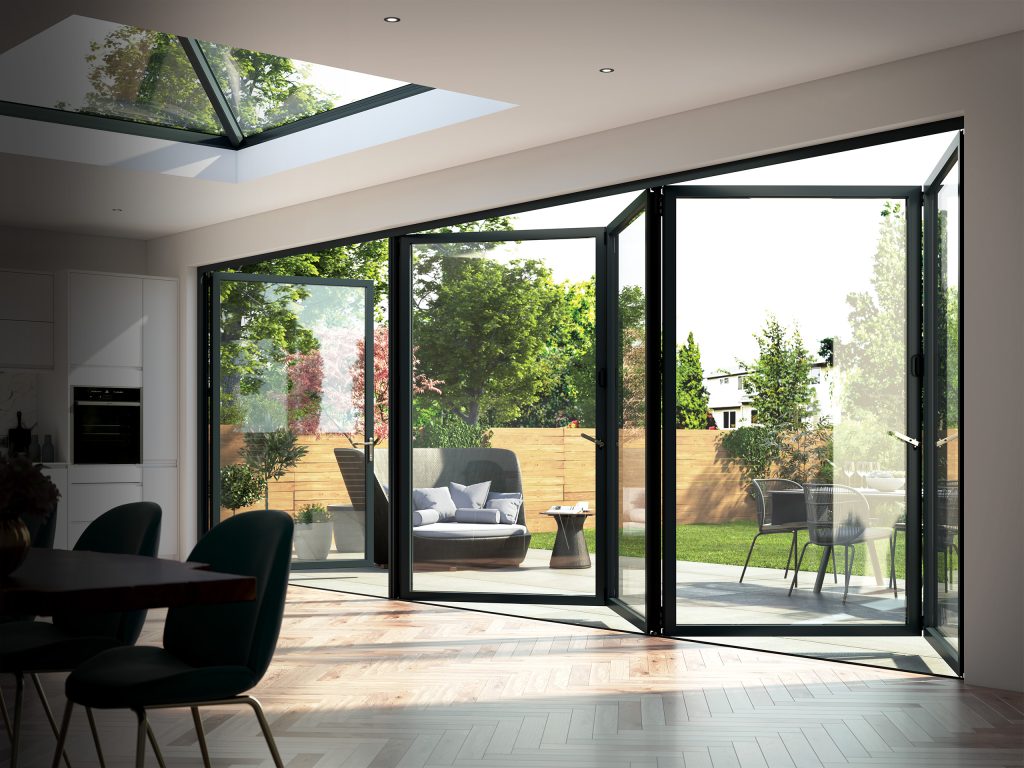
A dark rear extension can make even a generous new kitchen feel disconnected from the garden. The right overhead glazing changes that immediately, but the roof lantern vs rooflight decision affects far more than the amount of daylight you gain. It influences the room’s character, the roof build-up, ventilation options, installation cost and how confidently the finished space works throughout the year.
For most UK extensions, both are excellent ways to brighten your home. The better choice comes down to the look you want, the ceiling height available and whether you want a bold architectural feature or a clean, minimal finish.
What is the difference between a roof lantern and a rooflight?
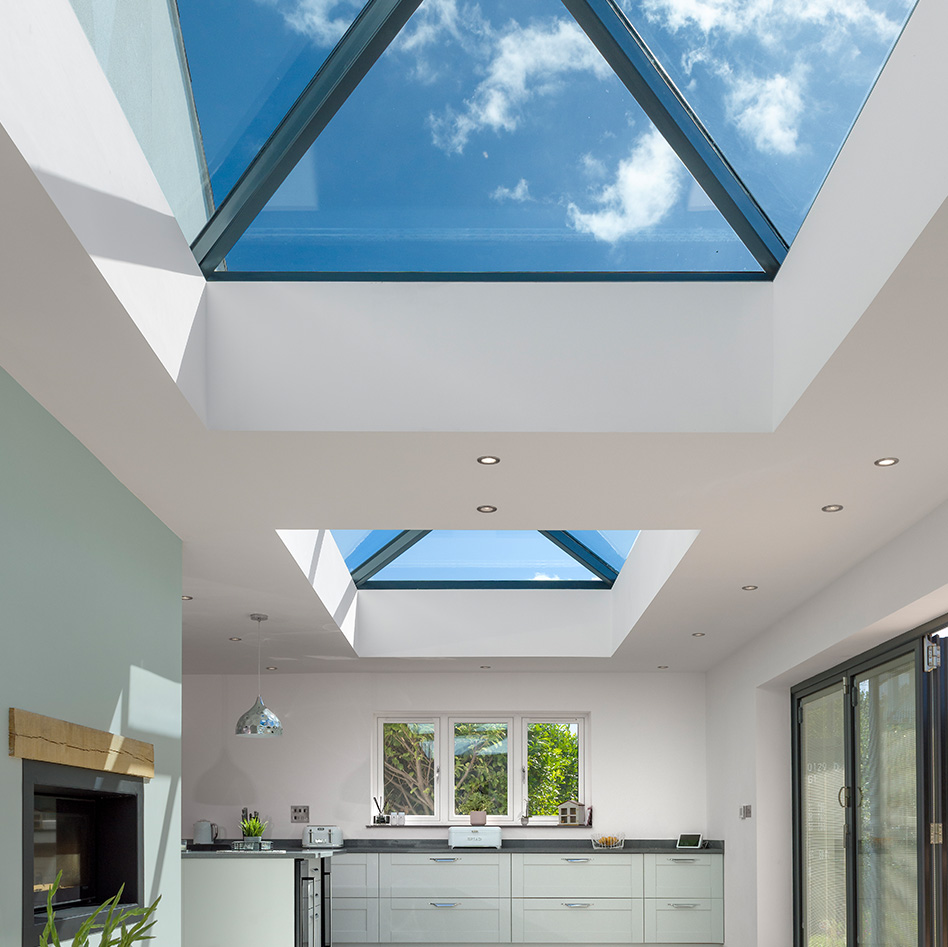
A rooflight is the broad term for a glazed unit installed within a roof. In a flat-roof extension, this will usually mean a fixed flat rooflight, a walk-on rooflight or an opening rooflight set close to the roofline. Its glass is typically slim, level or nearly level with the roof, creating a contemporary, understated result.
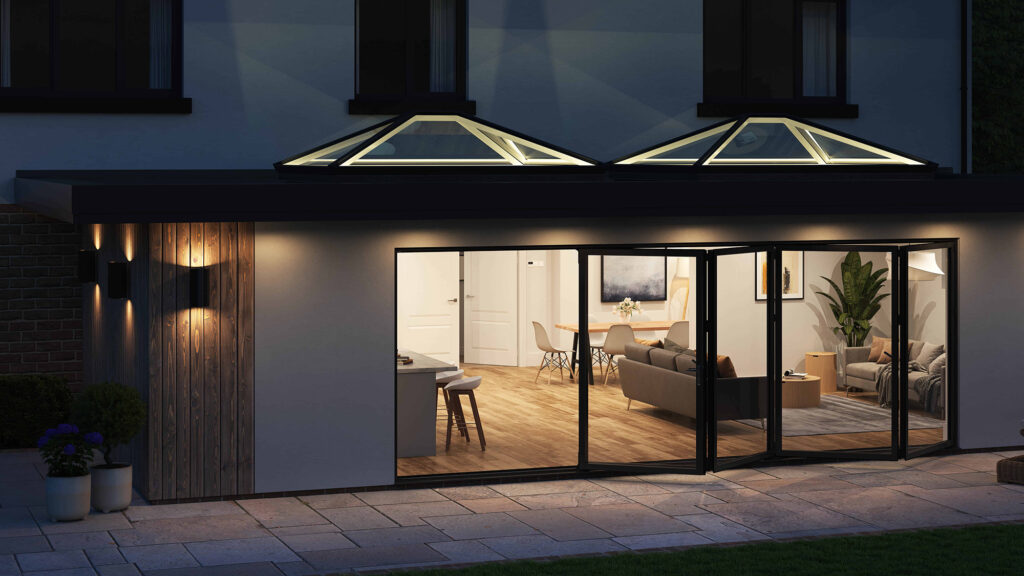
A roof lantern is a raised, multi-panel glazed structure. It sits on an upstand above the flat roof and has angled glass sections that meet along a central ridge. This pitched form gives a room more architectural presence and creates a striking focal point when viewed from inside.
In everyday conversation, people sometimes use rooflight to describe any roof glazing. For specification purposes, it helps to separate the two: a roof lantern is raised and pitched, while a flat rooflight has a lower-profile, flatter design.
Roof lantern vs rooflight: the key differences
Daylight and the feeling of space
Both products bring natural light into the centre of a plan, where vertical windows often cannot reach. A roof lantern can feel especially effective in larger kitchens, dining areas and garden rooms because its raised shape captures light from multiple directions. The internal ridge also creates a sense of height, helping a standard extension feel more open.
A flat rooflight gives a different kind of impact. With fewer visible sightlines and no raised structure, it can make the ceiling look cleaner and the glass appear almost uninterrupted. A large, well-positioned flat rooflight can flood a compact extension with daylight without competing with other design features.
The best option is not always the one with the most glass. Orientation, surrounding buildings, rooflight size and the position of the opening all matter. A south-facing extension may benefit from solar-control glazing or a considered size to manage glare and overheating, while a north-facing space may justify a more generous glazed area.
Style and architectural impact
Choose a roof lantern when you want the roof glazing to be part of the design statement. Slim aluminium frames, crisp ridge lines and a choice of frame colours suit contemporary extensions, while the pitched profile can also work beautifully with more traditional homes. A lantern above a kitchen island or dining table gives the room a natural centre point.
Choose a flat rooflight when the brief is minimalism. It suits modern extensions, single-storey side returns and rooms where you want the ceiling plane to remain calm and uncluttered. Externally, its discreet profile can be useful where you do not want roof glazing to dominate the rear elevation or garden view.
Frame colour deserves attention too. Anthracite grey and black remain popular for coordinating with aluminium bifold or sliding doors, but a carefully selected colour can complement existing windows, cladding or guttering. The roof glazing should look designed into the extension rather than added at the end.
Ceiling height and roof construction
A roof lantern needs enough visual and physical room to work. Because it projects above the roof, it can be better suited to extensions with generous proportions and a clear roof area. It will normally require a correctly sized, insulated upstand and careful coordination with the roof covering, drainage and structural opening.
A flat rooflight is often the easier fit where height is limited. Its low profile works well on narrow side extensions and contemporary flat roofs, and it may be more straightforward to integrate around parapets, roof terraces or neighbouring windows. That does not make it a compromise – it is often the more appropriate architectural choice.
For either option, the structural opening must be properly formed and supported. Your builder, architect or installer should confirm the roof joist layout, upstand dimensions and waterproofing details before the product is ordered. Bespoke glazing is worth getting right at the design stage, not after the roof is underway.
Thermal performance and comfort
Modern roof lanterns and flat rooflights can both offer strong thermal performance when specified with insulated frames, quality double glazing and suitable glass coatings. Look beyond a single headline figure. Overall performance depends on the glass, frame, edge detailing, upstand insulation and installation quality.
Solar control is particularly relevant over kitchens and south- or west-facing rooms. It can help reduce solar gain while retaining useful daylight. A self-cleaning glass coating can also be a practical choice for hard-to-reach glazing, although it does not remove the need for occasional cleaning.
The trade-off is simple: more overhead glass brings more daylight, but it can also bring more heat and potential glare. The right specification balances brightness with year-round comfort. Blinds can help, but they should support a well-considered glazing choice rather than correct an oversized one.
Ventilation and opening options
Fixed rooflights and lanterns are ideal when the room already has effective opening windows or doors. If the space is prone to cooking moisture, heat build-up or stale air, an opening rooflight can be a valuable addition. Electric opening units are particularly practical in high ceilings or above kitchen layouts, and rain sensors can close the unit automatically when the weather changes.
A roof lantern is more often selected as a fixed feature, although opening configurations are available in some ranges. Flat rooflights offer a wider, more familiar route to opening roof glazing. Consider how you will operate it, clean it and maintain it before deciding.
Cost, installation and value
Roof lanterns usually cost more than comparable fixed flat rooflights because they use more aluminium framing, multiple glass panels and a more complex structure. Installation can also take longer, especially where the roof opening, upstand or flashing detail needs additional work.
Flat rooflights are commonly the more cost-effective route to overhead daylight, particularly in standard sizes. However, a large bespoke unit with specialist glass, opening controls or walk-on specification can change that quickly. Comparing like for like is essential: check the external size, glass type, opening mechanism, kerb or upstand requirements, delivery and installation scope.
Value is not only about the initial price. In a well-designed extension, roof glazing can make the space more enjoyable every day and improve the perceived quality of the whole project. For homeowners, that can support appeal when it is time to sell. For builders and installers, a correctly specified product helps avoid delays, call-backs and awkward site changes.
Do you need planning permission?
Many rooflights and roof lanterns can be installed under permitted development, but this depends on the property, location and design. Conservation areas, listed buildings, flats and projects with previous planning conditions may have different requirements. Height, overlooking and the position of the glazing can also matter.
Building Regulations remain relevant even where planning permission is not required. Structural support, insulation, safety glazing, ventilation and weatherproofing all need proper consideration. If there is any uncertainty, confirm the position with your local planning authority and building control team before work begins.
Which should you choose for your project?
A roof lantern is usually the stronger choice for a larger open-plan extension where you want to maximise light and space with a visible architectural feature. It works particularly well over dining zones, kitchen islands and central living areas where the raised profile can be appreciated from every angle.
A flat rooflight is often best for compact extensions, low rooflines and modern schemes that call for a discreet finish. It is also a compelling option when the budget needs to work harder, without losing the benefits of overhead daylight.
If you are choosing between the two, start with the room rather than the product. Consider the available roof area, ceiling height, orientation, ventilation needs and the glazing used elsewhere in the extension. Horizon Windows and Doors can help you compare dimensions, glass specifications and configuration options so your roof glazing feels right on paper and performs properly once installed.
The most successful choice is the one that makes your extension brighter, more comfortable and more connected to the way you live – whether that is a statement lantern above the heart of the home or a discreet rooflight that lets the architecture speak for itself.