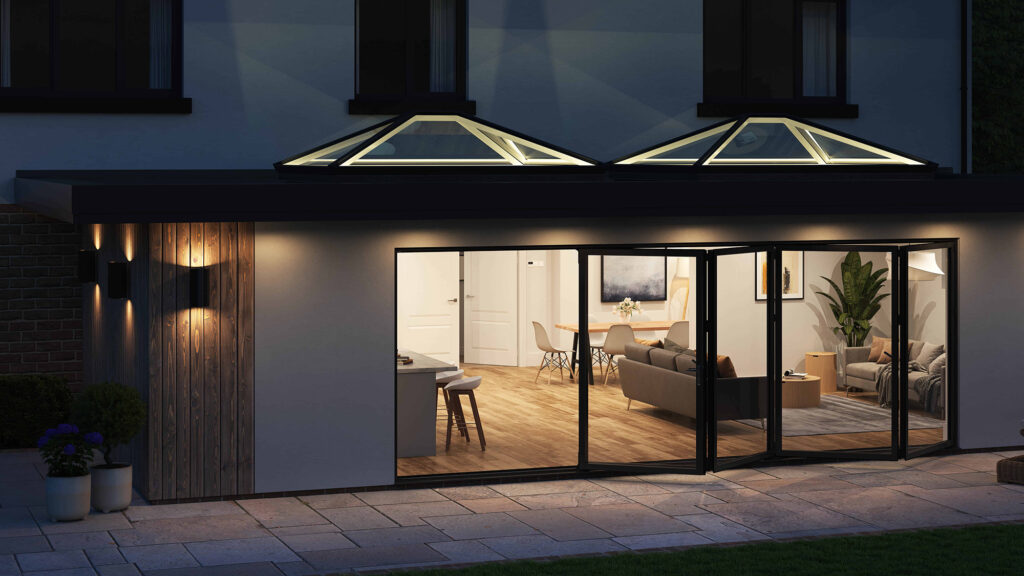
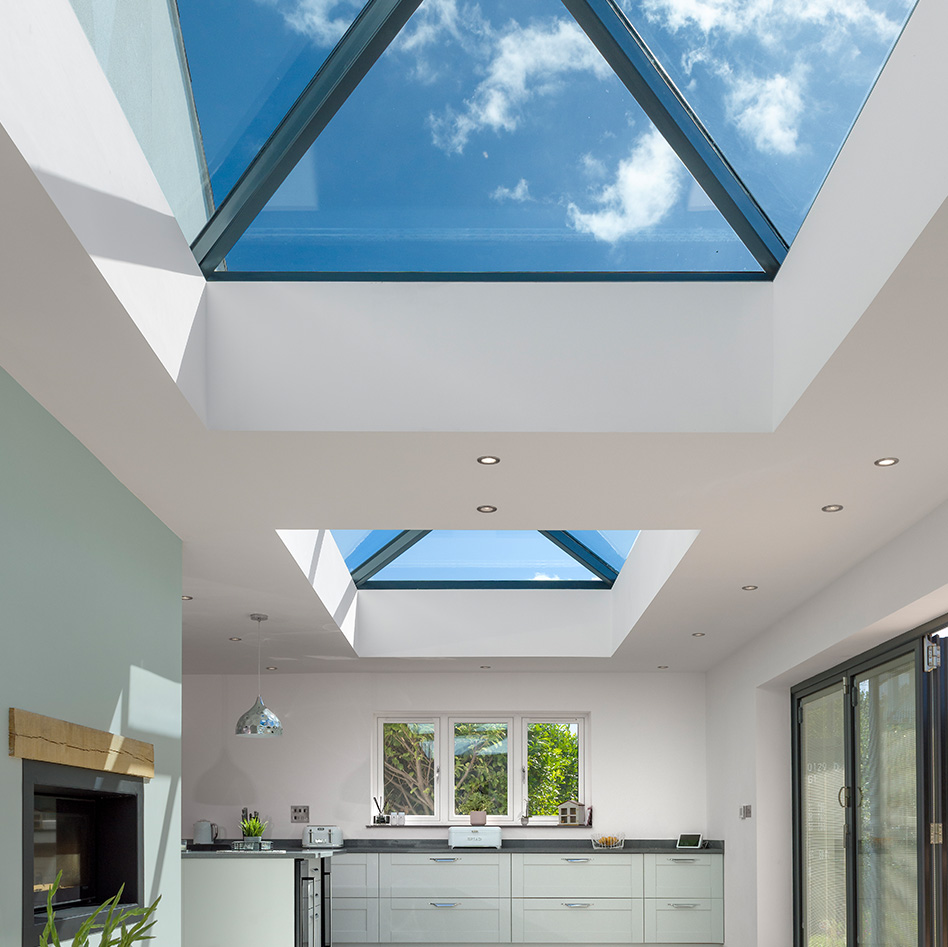
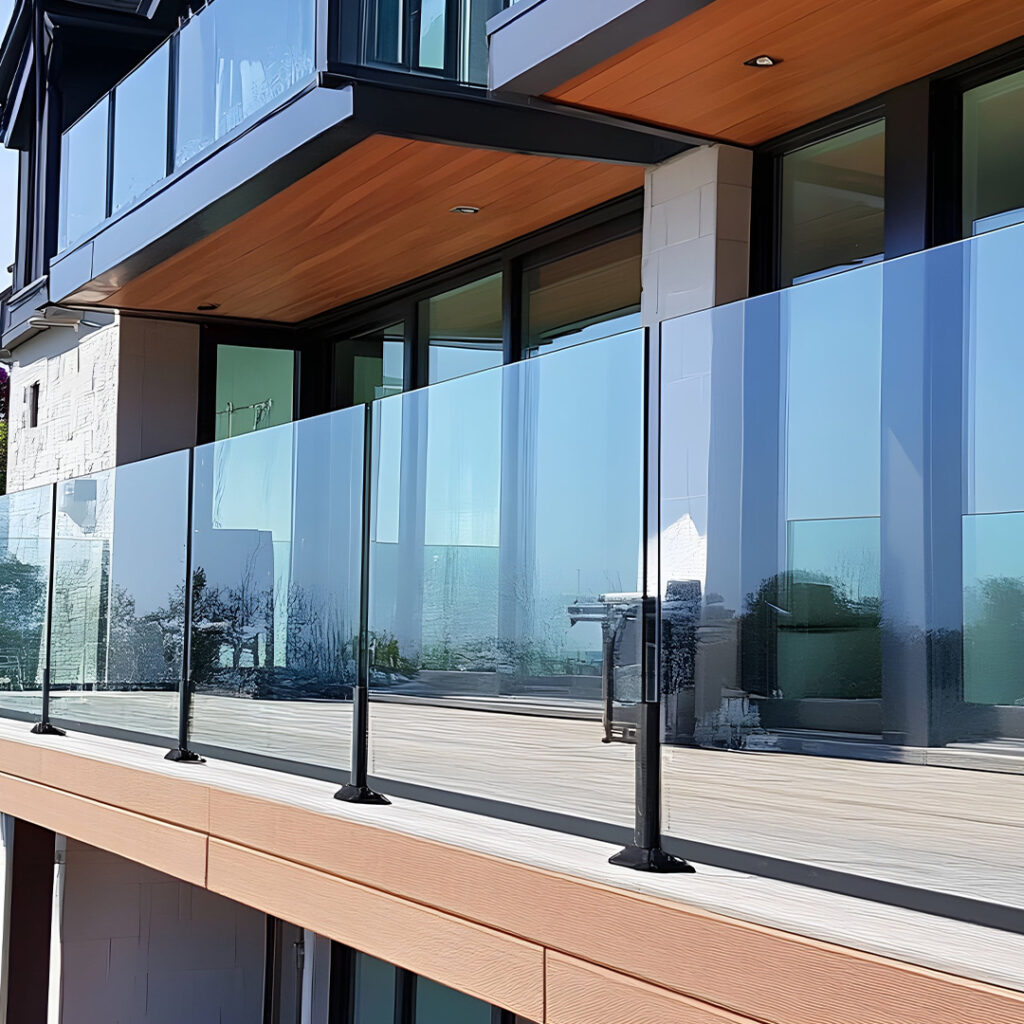
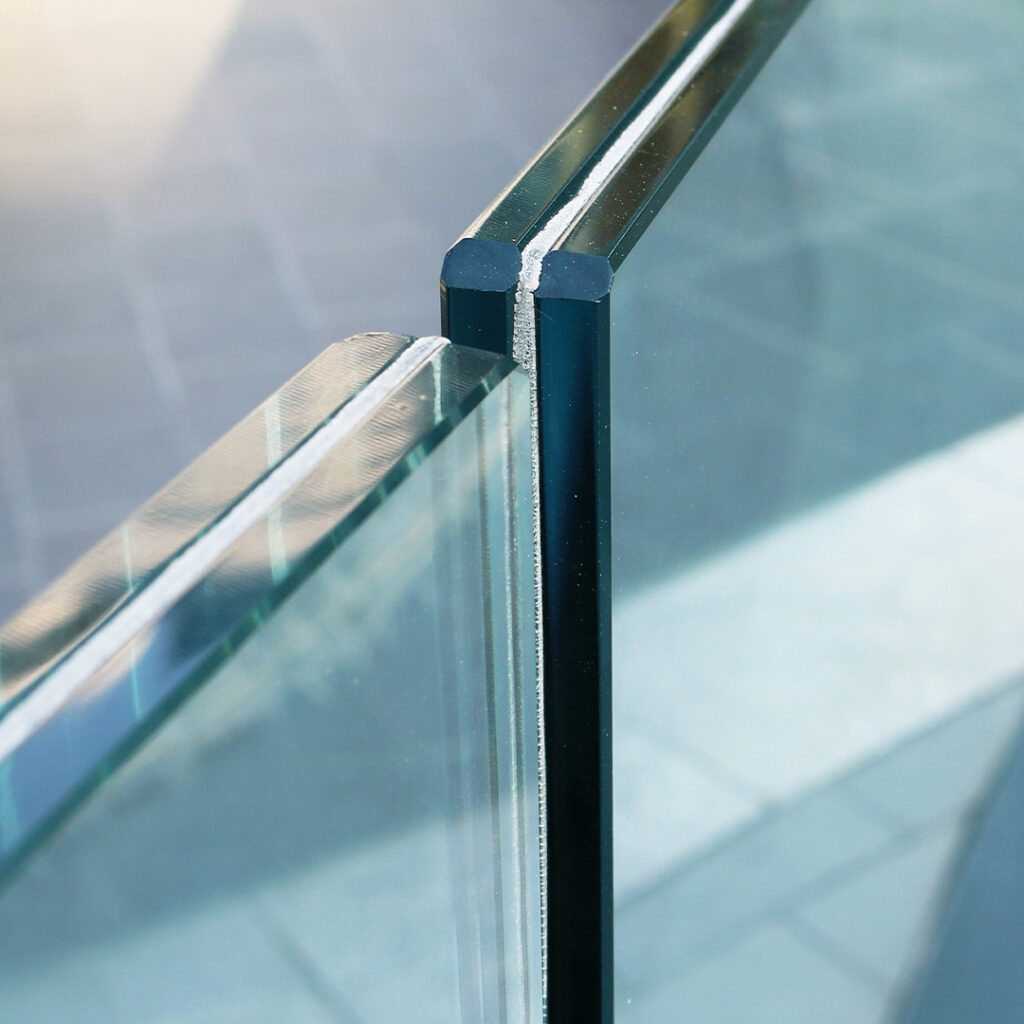
Choosing sliding doors sounds simple until you start comparing frame sightlines, opening widths, glazing specs and threshold details. A good sliding door buying guide should do more than show you what looks best in a brochure – it should help you choose a system that suits your home, your budget and the way you actually use the space.
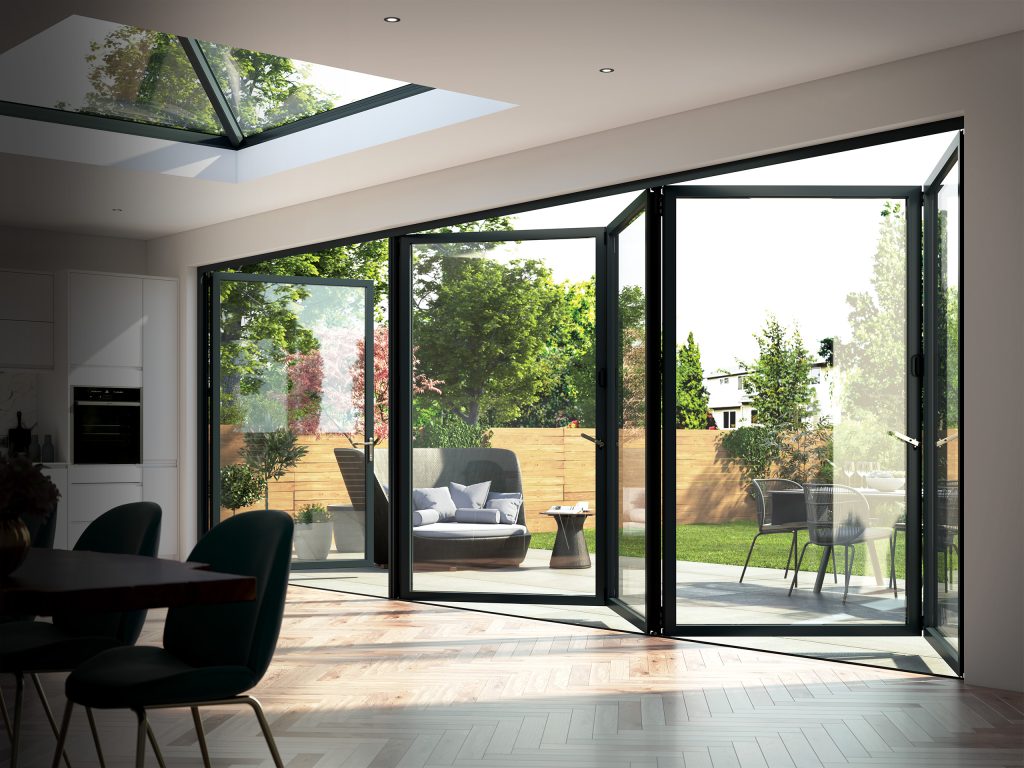
Sliding doors are popular for one obvious reason: they maximise light and open up a room without needing swing space. That makes them a strong fit for extensions, kitchen diners, garden rooms and rear renovations where clean views and easy access matter. But not every sliding system performs the same way, and the right choice often comes down to details that are easy to miss at the start.
What to look for in a sliding door buying guide
The first thing to get clear is what you want the doors to achieve. For some homeowners, the priority is a wide glass wall with the slimmest possible aluminium frame. For others, it is thermal performance, security, a low threshold or a price point that keeps the whole renovation on track. Trade buyers usually need something slightly different again – dependable lead times, technical documentation, simple specification and confidence that the product will suit the opening without costly surprises on site.
That is why the best buying decision is rarely about one feature in isolation. A very slim frame can look impressive, but it may push the price up. A larger pane can bring in more light, but it also increases weight, which affects handling, hardware and installation. Triple glazing may improve insulation in some cases, but it is not always the most practical or cost-effective option for every project.
Start with the opening and the layout
Before comparing brands or finishes, look at the opening itself. Width and height shape almost every other decision, from panel configuration to glass size and structural requirements. A two-panel slider works well for many standard openings, while wider spans may suit three or four panels depending on how much access you want when the doors are open.
This is also where lifestyle matters. If the doors lead to a patio used every day, think about the clear opening rather than just the overall size. Some people assume larger doors automatically give better access, but a wide fixed pane with one sliding sash can still leave a relatively modest opening. If you want a more open connection to the garden, the panel arrangement deserves close attention.
Sightlines matter too, especially in contemporary extensions. Slimmer interlocks create a neater glass-heavy look, but the thinnest system is not always the best value choice. In many homes, a slightly chunkier frame delivers an excellent balance of appearance, performance and cost.
Aluminium or uPVC?
For most premium sliding door projects, aluminium is the main contender. It offers strength, slimmer frames and a more architectural finish, which is why it is a popular option in modern renovations and design-led extensions. It also handles larger panes well, making it ideal when the brief is to maximise light and space.
uPVC sliding doors still have a place, particularly where budget is tighter or where the design does not demand ultra-slim sightlines. They can offer good thermal performance and lower upfront cost, but they generally do not deliver the same refined aesthetics or large-span capability as aluminium.
For many buyers, this decision is straightforward. If the doors are a central design feature, aluminium usually justifies the spend. If the project is more cost-sensitive and the opening is modest, uPVC may be enough. It depends on whether appearance, span and frame profile are driving the project, or whether practicality and price come first.
Glazing matters more than many buyers expect
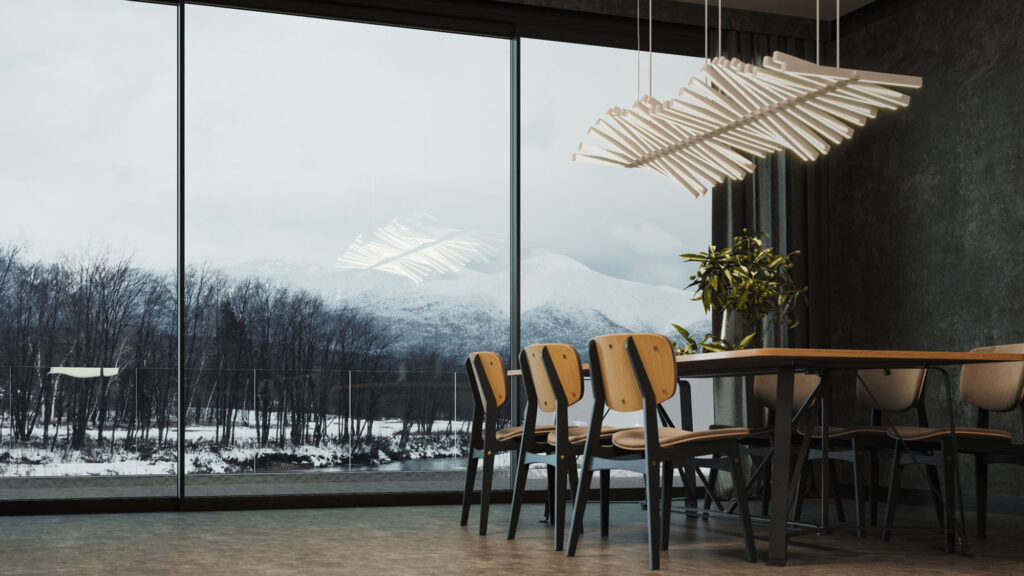
The glass does most of the visual work, but it also affects comfort, energy efficiency and solar control. That is especially important in south-facing rooms or heavily glazed extensions, where overheating can become just as frustrating as heat loss in winter.
Double glazing is often the standard choice and, in a well-specified aluminium system with a thermal break, can perform very well. Triple glazing may be worth considering in some settings, but it adds weight and cost. In many domestic sliding doors, the jump is not always the best-value route to better overall performance.
It is worth checking the whole door performance, not just the centre pane figure. U-values, g-values and glass coatings all play a role. If a room gets strong afternoon sun, solar control glass may improve comfort. If privacy is an issue, obscure or specialist glazing options can help, though these are less common in large-format rear doors.
Don’t overlook thresholds, tracks and day-to-day use
This is the part buyers often notice too late. A sliding door can look perfect on paper and still be frustrating if the threshold does not suit the household. If you want easy access for children, older relatives or regular trips to the garden with bikes, buggies or trays of food, a low threshold can make a real difference.
There is usually a trade-off here. Flush or low thresholds can improve accessibility and appearance, but weather performance and drainage need to be considered carefully, especially in exposed locations. For some projects, a slightly more raised threshold is the sensible option.
You should also think about how the doors will feel in use. Larger panels can still glide smoothly in a quality system, but they are heavier by nature. Good rollers, reliable hardware and precise installation matter just as much as the brochure specification.
Security, compliance and build quality
Most buyers now expect modern sliding doors to meet current security and thermal standards, and rightly so. Still, it is worth checking the specification rather than assuming all systems are equal. Multi-point locking, quality cylinders, toughened or laminated glass where required, and tested performance all add up to a better product.
For trade customers and detail-focused homeowners, documentation matters too. Clear technical information, configuration limits and installation guidance can save time and reduce mistakes. This is particularly important on bespoke orders, where panel sizes, cill options, trickle vents and structural allowances need to be confirmed before manufacture.
Build quality also shows up in the finish. Powder-coated aluminium should feel consistent and well presented, with a colour and texture that suits the property. Anthracite grey remains a popular choice, but black, white and bespoke RAL colours can work beautifully depending on the setting. Heritage-style homes often benefit from a more restrained finish than the default modern grey.
How to compare price properly
A lower quote is not always a lower overall cost. When comparing sliding doors, check what is actually included. Delivery, glazing specification, hardware, external colours, internal finishes, thresholds and lead times can vary significantly between quotes that initially look similar.
It is also worth considering the long-term value. A better-performing system with stronger aesthetics may add more to the finished result, especially in a rear extension where the doors become one of the most visible features of the project. On the other hand, there is little point paying for oversized panes or ultra-minimal sightlines if they do not suit the budget or the house itself.
For homeowners, the sweet spot is often a well-made aluminium system with solid thermal performance, slim but not extreme sightlines, and configuration options that suit everyday living. For builders and installers, value often comes from consistent specification, dependable support and fewer headaches once the product arrives on site.
A practical sliding door buying guide for final checks
Before placing an order, pause and run through the fundamentals. Confirm the opening size, structural support and finished floor levels. Check whether you want the doors opening from the left, right or centre, and make sure the traffic door suits how the room is used. Review the threshold detail, glazing choice, ventilation requirements and frame finish.
Then look beyond the product itself. Ask how technical support is handled, whether drawings and documents are available, and what happens if you need guidance during specification. For a bespoke purchase, that level of support can be just as valuable as the door.
For many UK projects, buying from a specialist supplier such as Horizon Windows and Doors gives you a broader choice of systems and the chance to compare options properly rather than forcing one product into every opening. That matters when the goal is not just to buy sliding doors, but to get the right doors for the property, the budget and the build.
A sliding door should do more than look good on installation day. The right one will brighten your home, improve how the space works and still feel like a smart choice years down the line.