If you are weighing up heritage doors vs steel look options, the choice usually comes down to one question – do you want the character of period-inspired design, or the visual impact of slim industrial lines? In practice, the answer is often more nuanced. Both styles can transform a renovation, extension or garden room, but they suit different properties, budgets and priorities.
For many UK homeowners, the appeal starts with appearance. Heritage doors are designed to echo traditional metal-framed glazing, often with refined bars, classic proportions and a softer architectural feel. Steel look doors take that inspiration and push it towards a sharper, more contemporary finish. They borrow the industrial aesthetic associated with genuine steel glazing, but are typically manufactured in aluminium, making them more practical for modern residential projects.
Heritage doors vs steel look: what is the difference?
The two terms are often used interchangeably, but they are not always the same thing. Heritage doors usually describe glazed doors with traditional styling cues. That can include slim frames, horizontal transoms, decorative bars and an overall design that feels at home in Victorian renovations, converted barns, period townhouses or older extensions.
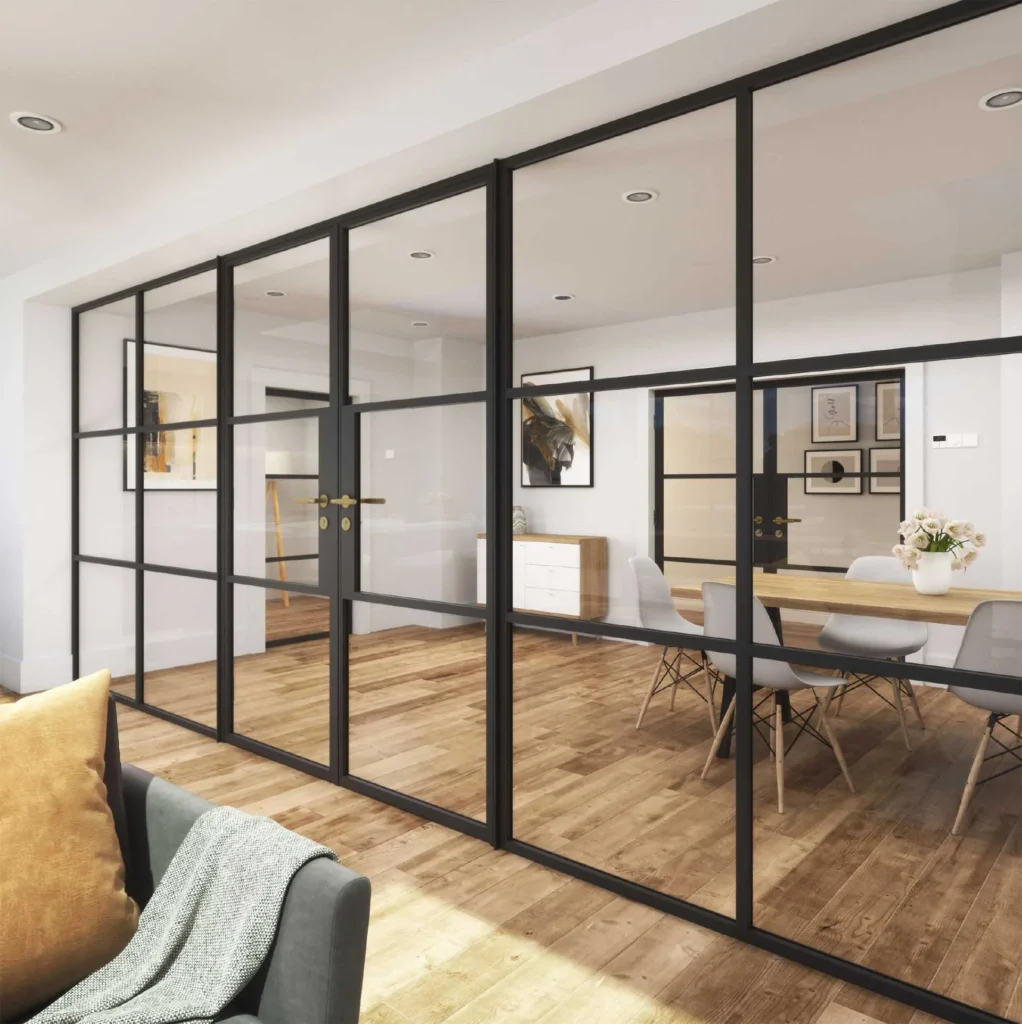
Steel look doors are a more specific visual category. They aim to recreate the sought-after appearance of classic steel-framed glazing – slim sections, grid-style glazing bars and a clean black or anthracite finish being the most recognisable examples. Most modern steel look systems are aluminium rather than actual steel, which helps with thermal performance, maintenance and cost.
In simple terms, all steel look doors could be considered heritage-inspired, but not all heritage doors are aggressively industrial in style. If your project leans traditional, a heritage door may be the better description. If you are after strong lines and an architectural edge, steel look is probably what you mean.
Which style works best for your property?
This is where context matters more than trend.
A heritage door often feels more natural in a period property where you want to retain character without making the extension look disconnected from the original house. It can also work beautifully in cottages, Edwardian homes and listed-adjacent settings where the design needs a lighter touch. The detailing tends to feel more sympathetic, particularly when paired with traditional brick, timber tones or softer interior finishes.
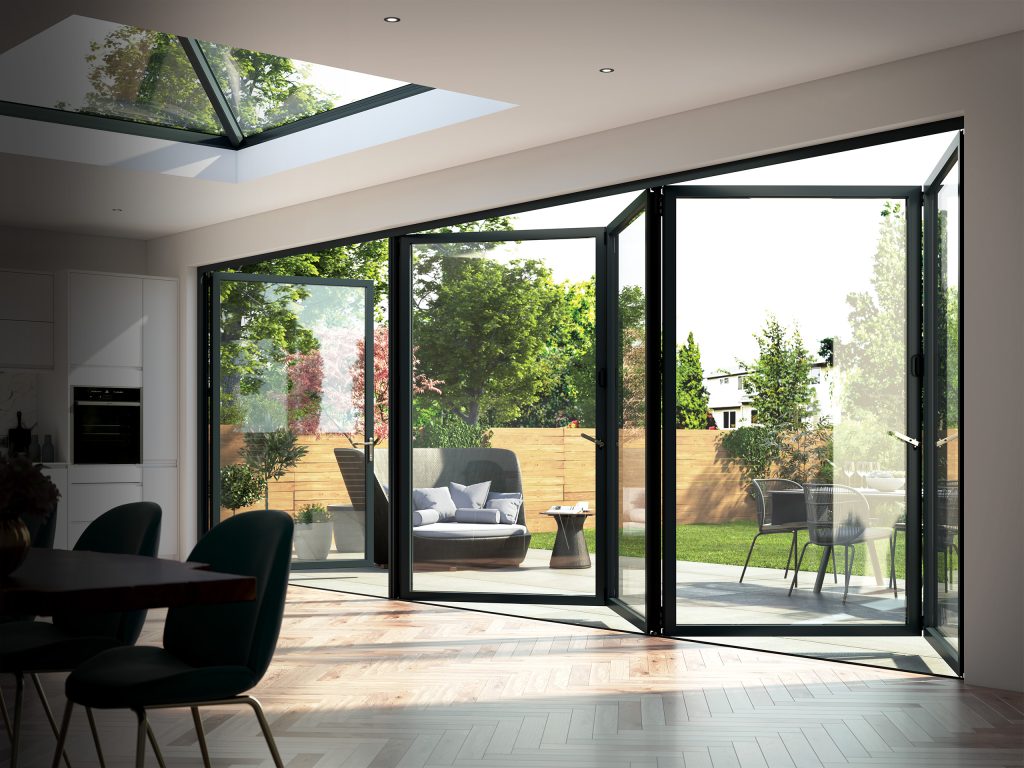
Steel look doors suit homes where contrast is part of the design brief. They are especially popular in rear extensions, kitchen-diners and garden rooms where homeowners want to maximise light and space while adding a strong visual frame. They also work well in newer properties that need a bit more definition and personality.
There is no rule that says period homes cannot use steel look glazing. In fact, some of the best projects mix old and new very confidently. But if the rest of the scheme is understated, a heavily industrial door design can start to dominate the space. That is not necessarily a problem – it just needs to be intentional.
Internal feel matters as much as kerb appeal
From inside the home, the difference becomes even clearer. Heritage designs can soften a room and help a renovation feel settled. Steel look doors create rhythm and structure, almost like an internal design feature even when they open onto the garden. If your furniture, lighting and kitchen design already have a modern edge, steel look can tie everything together very effectively.
Sightlines, glazing bars and authenticity
One of the biggest selling points in this category is slim sightlines. Homeowners want elegant frames, larger glazed areas and plenty of natural light. Trade buyers want systems that deliver the right look without becoming awkward to install or expensive to specify.
This is where careful product comparison matters. Some heritage and steel look systems use applied glazing bars, while others create a more integrated appearance. Some have genuinely slim outer frames and meeting stiles, while others rely on styling details to create the effect. On a product page, many options can look similar. In person, the proportions tell the real story.
If authenticity is your main priority, pay close attention to how the bars line up, how deep the frame sections appear and whether the overall design looks convincing from both inside and outside. A steel look door with clumsy proportions can lose its appeal quickly. Equally, a well-designed heritage aluminium system can deliver the charm people want without the compromises of traditional materials.
Performance is not just about appearance
The visual debate around heritage doors vs steel look can overshadow a more practical question – how will the door perform day to day?
Most buyers today are not choosing between heritage style and thermal efficiency. A quality aluminium system can offer both. That means you can achieve a classic or industrial look while still improving insulation, security and ease of use compared with older glazing.
That said, not every system performs at the same level. U-values, weather ratings, threshold options and hardware quality all matter. A family using a set of rear doors every day will care just as much about smooth operation and reliable locking as they do about slim frames.
For trade professionals, this is often the deciding factor. A product may look excellent in a brochure, but if lead times are unreliable, technical information is hard to access or configuration options are limited, it can slow the whole job down. The best choice is the one that balances aesthetics with practical specification.
Material choice changes the conversation
Genuine steel doors have a premium appeal, but they are usually far more expensive and can be less forgiving on budget-led residential projects. Aluminium steel look systems have become so popular because they capture much of the same aesthetic while remaining more accessible, easier to maintain and better aligned with modern performance expectations.
For many buyers, that makes aluminium the sweet spot. You get the look, a broad range of sizes and configurations, and a finish suited to everyday living.
Cost differences and where budgets go
Price is often where opinions become more realistic.
A heritage-style aluminium door may sometimes cost less than a more overtly steel look design, especially if the steel effect relies on additional bars, specialist hardware or more detailed fabrication. The more elaborate the glazing pattern, the more the cost can rise. Bespoke sizes, dual colours and low thresholds can also affect the final figure.
This is why it helps to think in terms of value rather than entry price. If the door is a focal point in the extension, spending more on the right sightlines and styling can be worth it. If the opening is secondary, a simpler heritage design may give you the right balance of appearance and budget.
For installers and developers, repeatability matters too. A system that looks premium but remains straightforward to order and fit can offer better commercial value than a more complex option that creates delays or snagging issues.
Choosing the right configuration
Style is only part of the decision. You also need to think about how the door will function in the space.
Heritage and steel look aesthetics are available across different formats, including French doors, single doors with sidelights and bifold-style arrangements depending on the range. The opening style affects how strong the bars appear and how the sightlines read across the elevation.
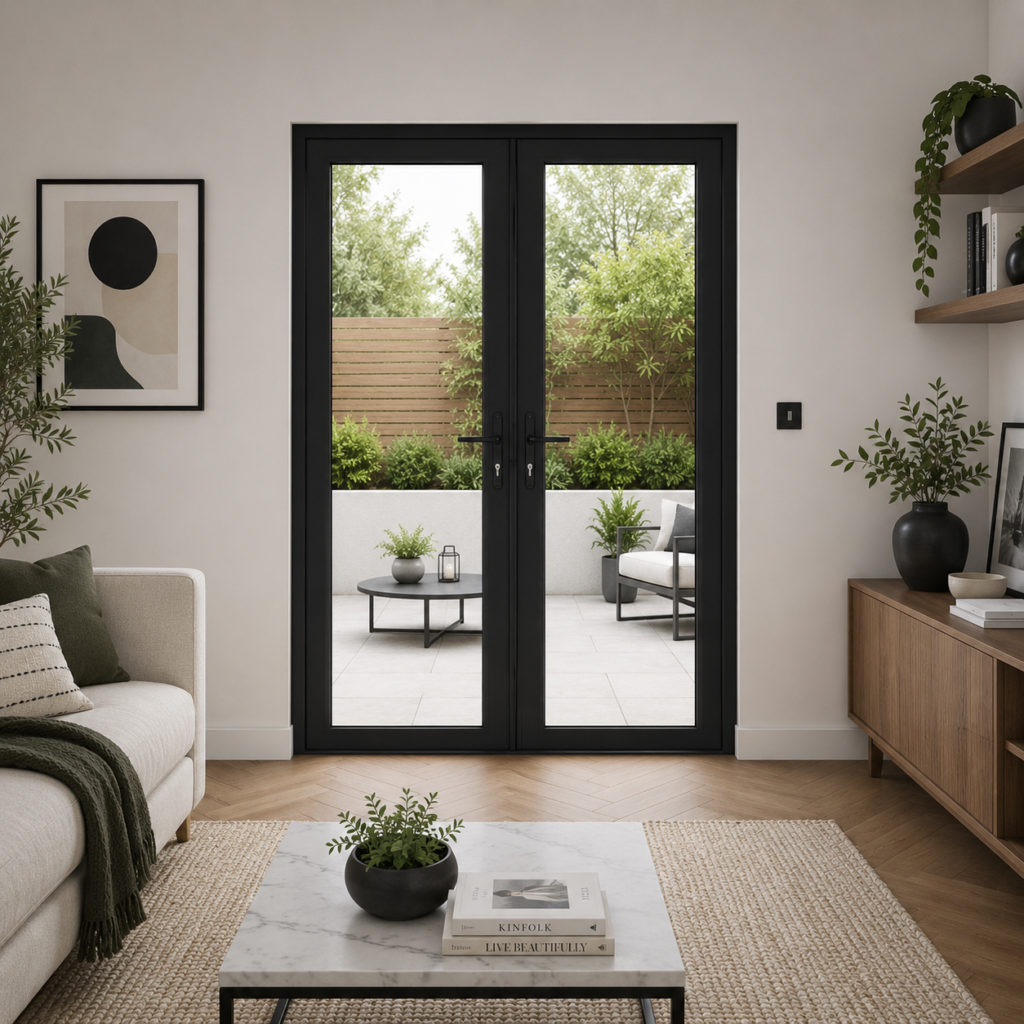
For example, a pair of heritage French doors can look elegant and restrained in a traditional opening. A larger steel look glazed screen with door leaves can create a more dramatic design statement across the rear of a property. Neither is inherently better. It depends on scale, intended use and what the rest of the glazing scheme is doing.
If you are matching new doors with existing windows or fixed screens, consistency is key. The wrong bar layout or frame depth can make the whole elevation feel unresolved.
So, which should you choose?
Choose heritage doors if you want a timeless look that sits comfortably with traditional architecture, softer design schemes or period-sensitive renovations. They tend to feel versatile, balanced and less trend-led.
Choose steel look doors if you want stronger visual definition, an industrial-inspired edge and a design feature that frames the view as much as it opens it. They are particularly effective in contemporary extensions and open-plan spaces.
If you are still undecided, focus on three things: the style of the property, the level of authenticity you want, and how much importance you place on slim sightlines versus overall budget. That usually narrows the field quickly.
For many projects, the best result comes from seeing the category as a spectrum rather than a strict either-or choice. Some of the strongest aluminium systems sit neatly in the middle – heritage in character, steel look in attitude, and practical enough for everyday living.
A good door should do more than suit a mood board. It should brighten your home, work hard for years and feel right every time you walk through it.