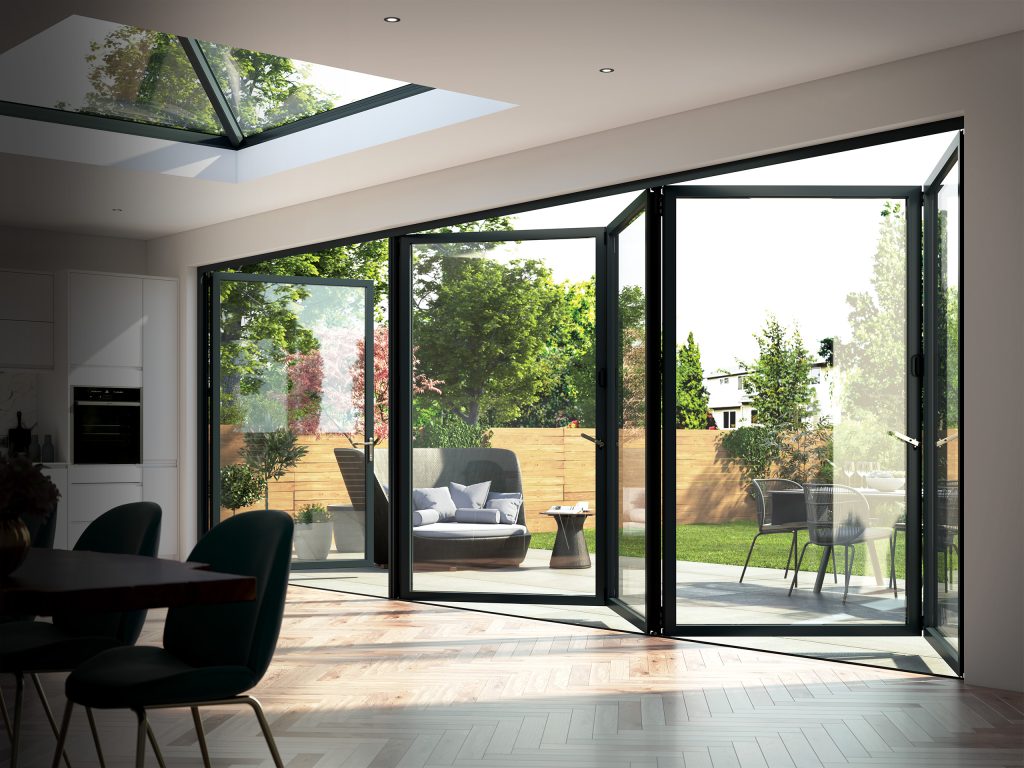
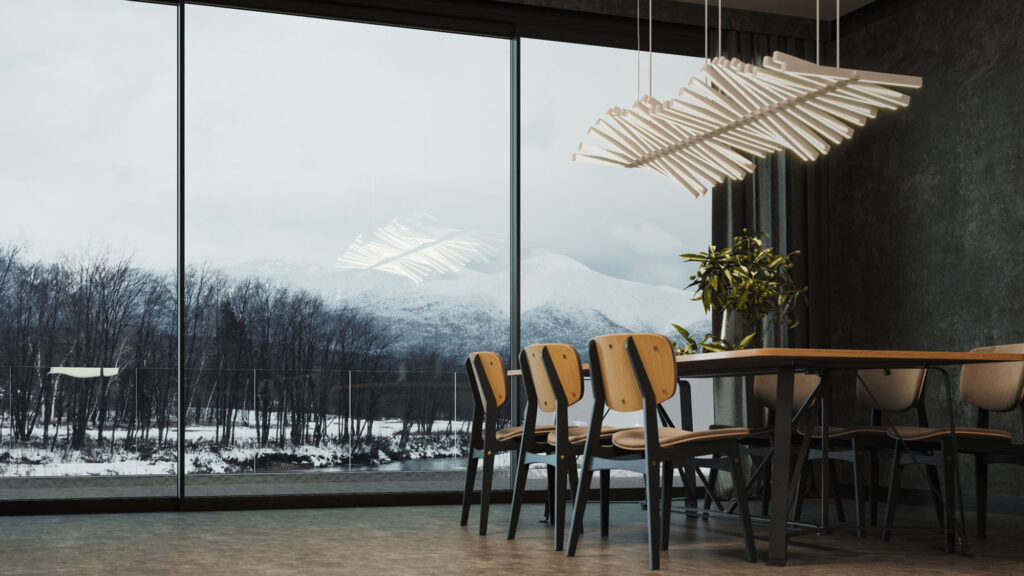

A bifold that looks perfect on screen can feel very different once it is tied to a real opening, a floor build-up and a furniture layout. That is why it pays to configure bespoke bifold door sizes properly from the start. Get the sizing right and you maximise light and space. Get it wrong and even a premium system can feel awkward in daily use.
Why bespoke sizing matters more than most buyers expect
Standard sizes can work well on straightforward plots, but many UK projects are not straightforward. Extensions often have steel positions to work around, existing openings are rarely perfectly square, and renovation work can throw up threshold heights, plaster finishes and external levels that were not obvious at survey stage.
Bespoke sizing gives you control where it matters. You are not just choosing a width and height. You are deciding how many panels the door should have, where they should stack, how wide each leaf will be, and how the whole system will behave when closed, partly open and fully folded back.
For homeowners, that affects everyday comfort, garden access and the overall look of the rear elevation. For trade buyers, it affects installation tolerance, compliance, lead times and whether the final product performs as specified.
Start with the opening, not the door
The best way to configure bespoke bifold door sizes is to begin with the structural opening rather than your preferred panel count. This sounds obvious, but many buyers do it the other way round. They pick a layout they have seen elsewhere and then try to force it into an opening that does not quite suit it.
Measure the structural opening width and height accurately, and check it in several places. Masonry can vary, and a few millimetres matter once tolerances, packers and installation clearances are added. If the aperture is still being built, confirm whether the dimensions shown on drawings are finished structural sizes or nominal sizes.
You also need to know the finished floor level inside and outside. Threshold choice affects the usable opening height, weather performance and accessibility. A low threshold may be the right choice for convenience and cleaner sightlines, but it needs careful detailing if external levels are tight.
Configure bespoke bifold door sizes around panel width
Panel width is one of the biggest influences on how a bifold feels. Wider panels can mean fewer leaves and a cleaner look when closed. Narrower panels can create a more balanced folding action and may suit larger openings better. There is no single perfect number. It depends on the system, the opening size and how you want the doors to operate.
As a rule, very wide panels may become heavier and more demanding to handle, while very narrow panels can make the design look busy. The goal is proportion. You want a panel width that looks balanced from inside and out, while staying within the manufacturer’s size limits for performance and warranty.
This is where bespoke configuration becomes valuable. Instead of squeezing an opening into a stock pattern, you can choose a panel arrangement that feels right for the property and practical for the people using it.
How panel count changes the result
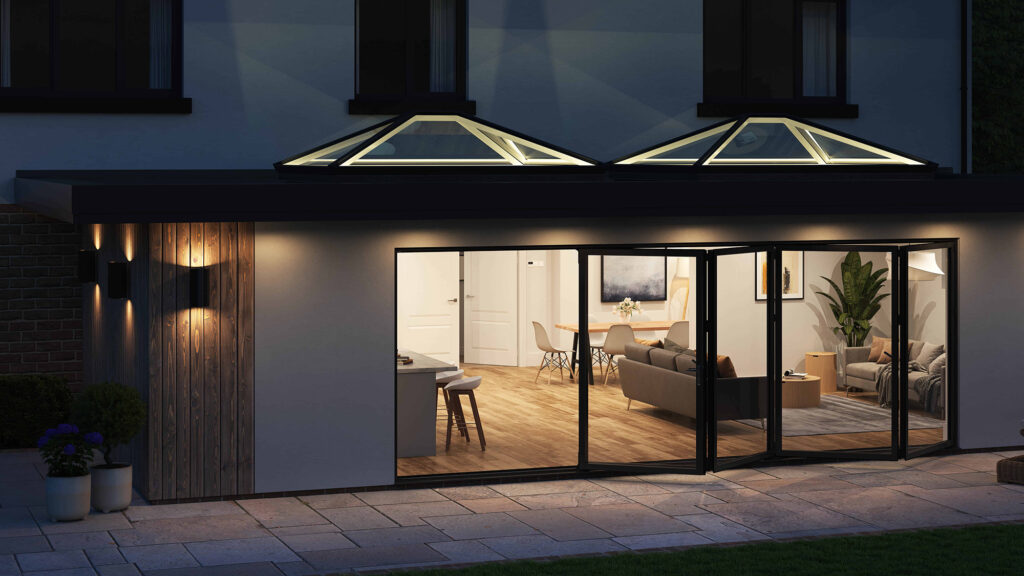
A three-panel bifold can suit a modest extension where you want a simple opening and a neat stack to one side. Four panels often work well on medium-width openings and can provide a symmetrical look. Five and six-panel designs are common on wider rear elevations, but they need more thought around traffic doors, stacking space and daily use.
Not every large opening should become a six or seven-panel bifold. In some cases, wider individual panels or even a different door style may be a better fit. If uninterrupted glass is the priority, a sliding system might suit the brief more closely. If flexible opening is the priority, a bifold usually earns its place.
Think about the traffic door early
One of the most overlooked decisions is the traffic door, sometimes called the access leaf. This is the panel you can open independently for quick access without folding the entire set back.
If the doors will be used regularly to reach the garden, a traffic door is more than a convenience. It changes how the system works day to day. Its position matters too. Place it badly and you may find yourself walking around stacked panels or opening more of the door than you intended.
When you configure bespoke bifold door sizes, treat the traffic door as part of the layout, not an optional extra added at the end. The right position depends on furniture, patio steps, the main route through the room and whether the door opens in or out.
Height affects more than appearance
Taller bifolds can look impressive and bring in more light, particularly on contemporary extensions and garden rooms. They can also make a room feel calmer and more expensive because the sightlines are longer and cleaner.
That said, greater height increases panel weight and places more demand on the hardware and frame. The chosen system must be rated for the size you want. There is also a visual trade-off. On some openings, a very tall door with relatively narrow panels can look stretched. On others, it looks exactly right.
For renovation projects, head height can be the limiting factor. Existing lintels, ceiling details and steel positions may define what is possible before you even begin comparing products. This is why technical documentation and pre-purchase guidance are so useful. A door should fit the opening properly, not just approximately.
Thresholds, cills and floor build-up
Threshold choice deserves more attention than it usually gets. Buyers understandably focus on glass, frame colour and opening configuration, but the threshold affects how the door feels every day. A low threshold improves access and creates a cleaner transition to outside space. A rebated threshold typically offers stronger weather resistance, but with a more noticeable step.
There is no universal best option. A sheltered garden room may allow more flexibility than an exposed coastal site. Likewise, a family home with children or someone using mobility aids may place a higher value on easier access.
You also need to allow for final floor finishes. Tiles, engineered timber and external paving all affect the finished relationship between frame and floor. A well-sized bifold can still disappoint if these levels are not coordinated early enough.
Sightlines, frame proportions and style
Bespoke sizing is not only about engineering. It is also about appearance. Slim sightlines are often high on the wish list, especially in modern extensions where the doors are expected to frame the garden rather than dominate it.
But slim sightlines only look good when the proportions make sense. A very wide opening split into too many panels can still feel cluttered, even with a slim aluminium system. Conversely, a carefully proportioned four-panel bifold can look lighter and more considered than a larger six-panel design.
Frame colour, handle finish and whether the door opens inwards or outwards all contribute to the final effect. Good design is usually the result of several sensible choices working together rather than one headline feature.
What trade buyers should check before ordering
For installers and builders, sizing is tied to programme, fitting time and call-backs. It is worth confirming fabrication limits, glazing specifications, trickle vent requirements where applicable, and whether the quoted size is overall frame size or structural opening recommendation.
Lead time matters too. Bespoke products are made to order, so a late change to height, threshold or panel split can disrupt more than the door package. It can affect plastering, flooring and final fix stages. If the project has tight sequencing, lock down the details before sign-off.
For larger or repeated orders, the commercial side matters as much as the technical side. Clear support, downloadable information and reliable delivery make specification easier and reduce friction on site.
The smartest way to size a bifold
The smartest approach is to work backwards from how the opening will be used. Ask how often the doors will open fully, whether you need a daily access leaf, what external levels allow, and how much stacked panel depth you can comfortably accommodate. Then match that to the system’s size capabilities and the look you want.
A bifold should not simply fill a hole in the wall. It should suit the room, the routine and the build. That is where bespoke sizing proves its value. Horizon Windows and Doors supports this process well because the choice is not limited to one narrow specification route. You can compare systems, adjust configurations and get practical guidance before ordering.
If you are planning a project now, resist the urge to choose on headline width alone. The best bifold is the one that opens up your home exactly as you intended, without compromise creeping in after the order is placed.