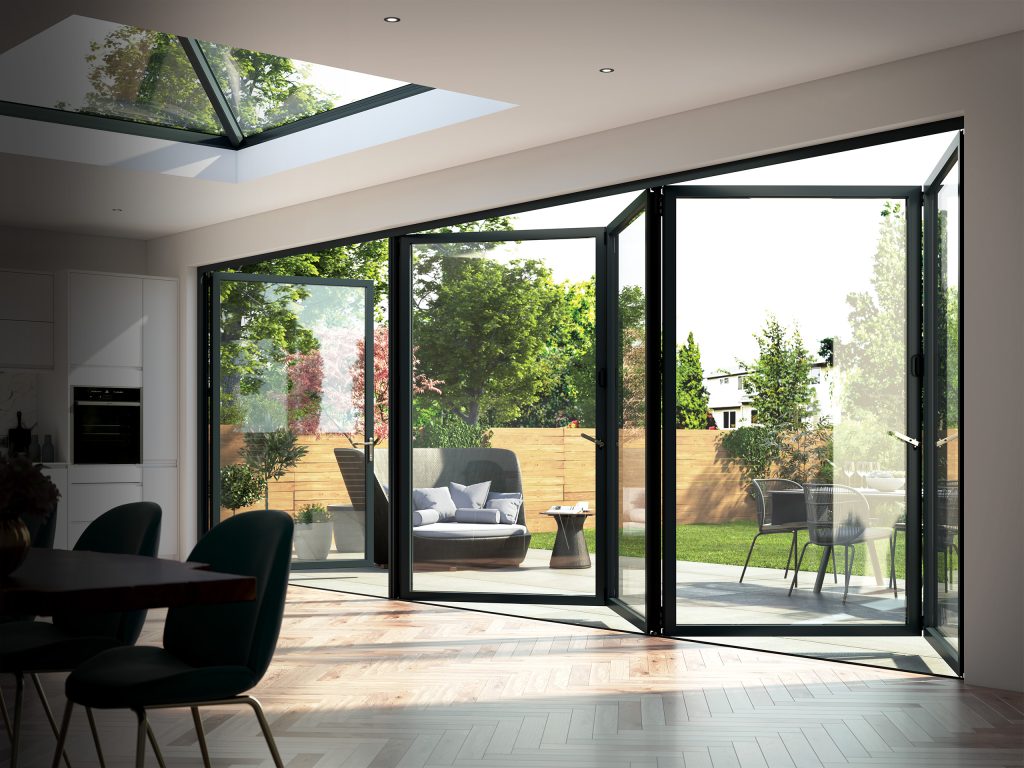
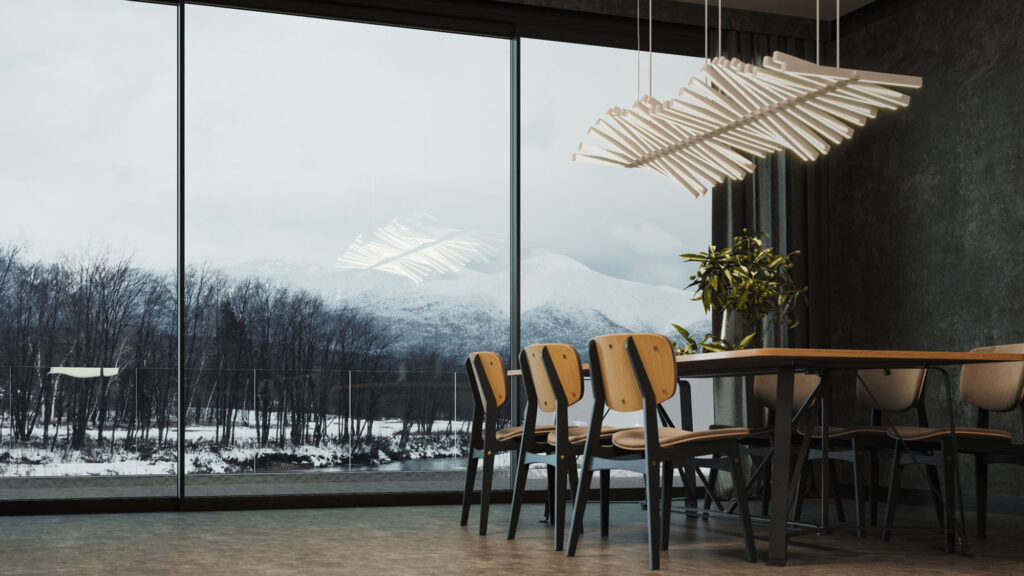
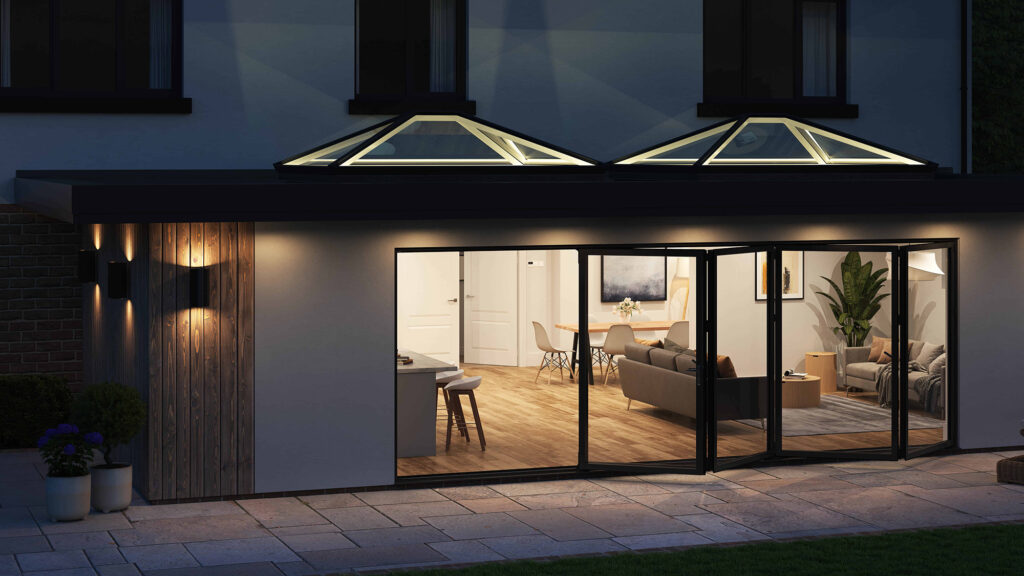
If you are planning an extension or opening up a kitchen-diner, one question comes up quickly: are bifold doors energy efficient enough for a modern home? It is a fair question, because bifolds include a lot of glass, multiple panels and more frame sections than some alternatives. The short answer is yes – they can be highly energy efficient when they are well specified and correctly installed. The longer answer is that performance depends on far more than the fact they are bifold doors.
Are bifold doors energy efficient in real terms?
A good bifold door should do more than look impressive across the back of a property. It needs to hold heat in during winter, reduce draughts, manage solar gain in summer and operate reliably for years. That is where product specification matters.
Modern bifold doors have come a long way from older systems that were often chosen mainly for appearance. Today, high-quality aluminium and uPVC bifolds are designed with thermal performance in mind. Better frame design, thermal breaks, improved gaskets and high-performance double or triple glazing all play a part.
So, are bifold doors energy efficient compared with older patio doors or dated French doors? In many cases, yes. Compared with newer high-end sliding systems, it depends on the exact product. Bifolds can perform very well, but they are not automatically the most efficient option just because they are new.
What actually affects bifold door efficiency?
The first thing to look at is the U-value. This measures how much heat passes through the full door set. The lower the U-value, the better the insulation. When comparing products, make sure you are looking at the whole door U-value rather than just centre-pane glass figures, because frame performance can make a noticeable difference.
Frame material matters too. Aluminium bifold doors are a popular choice for extensions and renovation projects because they offer slim sightlines, strength and a clean contemporary finish. On older systems, aluminium had a reputation for conducting heat, but modern thermally broken aluminium frames are far better. A proper thermal break helps reduce heat transfer from inside to outside.
uPVC bifold doors can also deliver strong thermal performance and may appeal to buyers who want a lower-cost route into a large glazed opening. The trade-off is usually in frame bulk, design flexibility and overall aesthetics. For some projects, that is a sensible compromise. For others, especially more design-led extensions, aluminium may be the better fit.
The glazing specification is equally important. Low-emissivity glass, warm edge spacer bars and argon-filled units all help improve insulation. Triple glazing can push thermal performance further, but it is not always the automatic best choice. It adds weight and cost, and the gain may not always justify that depending on the property, orientation and overall build-up of the extension.
Why installation matters as much as the product
Even an excellent bifold can underperform if it is badly installed. Gaps around the frame, poor sealing, weak threshold detailing or inaccurate levelling can all lead to draughts, water ingress and heat loss. That is why energy efficiency is not just about the brochure figure.
For homeowners, this means it is worth paying attention to how the door will be fitted into the opening, not just which colour or configuration you choose. For trade buyers, it reinforces the importance of matching a reliable product with correct survey, preparation and installation standards.
In practical terms, the best results come from a complete approach: the right frame, the right glass, accurate measuring and proper fitting. If one part is weak, overall performance suffers.
Bifold doors versus sliding doors
This is where the conversation gets more nuanced. Bifold doors have more moving parts, more frame sections and more seals than a typical two-panel sliding door. Because of that, some premium sliding door systems can achieve stronger thermal performance with larger glazed areas and fewer frame interruptions.
That does not mean bifolds are a poor choice. It simply means the answer to are bifold doors energy efficient depends partly on what you are comparing them with. If your priority is opening up as much of the aperture as possible, bifolds still have a major advantage. They stack away to create a wide opening, which sliding doors cannot fully replicate.
If your top priority is the largest uninterrupted glass area with potentially fewer frame lines, a sliding system may be worth considering. If you want flexibility, ventilation and the ability to fold back most of the opening in warmer months, bifolds remain a strong option.
The role of weather performance and airtightness
Energy efficiency is closely tied to weather performance. A bifold door that resists air leakage well is far more likely to feel comfortable in daily use. This is especially relevant in exposed locations or on open-plan rear elevations where cold spots become obvious quickly.
Good seals, quality hardware and precise manufacturing all support airtightness. So does choosing a system from a reputable supplier with clear technical data. It is easy to focus only on the glass and forget that the way the panels meet, lock and compress into seals is just as important.
Threshold choice also plays a part. A low threshold can improve accessibility and create a neater transition to the garden or patio, but it needs to be designed correctly to maintain weather resistance. There is often a balance between aesthetics, access and performance.
Do bifold doors lose more heat because they are mostly glass?
This is a common concern, and it is understandable. Glass used to be one of the weakest points in the building envelope. Modern glazing is very different.
A well-specified bifold door with energy-efficient glazing can perform far better than older windows or dated patio doors. In many refurbished homes, replacing tired glazing with a modern bifold can improve overall thermal performance while also bringing in more daylight.
That said, glass still behaves differently from a solid wall. No glazed door is going to insulate in the same way as a fully insulated cavity wall. If you are adding a large glazed opening, you are making a design choice that balances light, views, access and thermal performance. The aim is not to pretend bifolds have no trade-offs. It is to choose a product that manages those trade-offs well.
How to choose an energy-efficient bifold door
Start with the published performance data. Look for whole-door U-values, not selective figures that make the glazing alone look better than the complete product. Ask what glazing specification is included as standard and whether triple glazing is available if needed.
Next, consider frame quality. A thermally broken aluminium system from an established manufacturer will usually offer a better long-term result than a cheaply made alternative with limited technical backing. The same applies to hardware. Smooth operation and good compression on the seals matter for comfort as well as convenience.
Then think about the configuration. More panels can mean more frame and more junctions. That is not automatically a problem, but it is worth understanding how your chosen layout affects performance and sightlines. A three-panel bifold may behave differently from a five or six-panel setup spanning a wide opening.
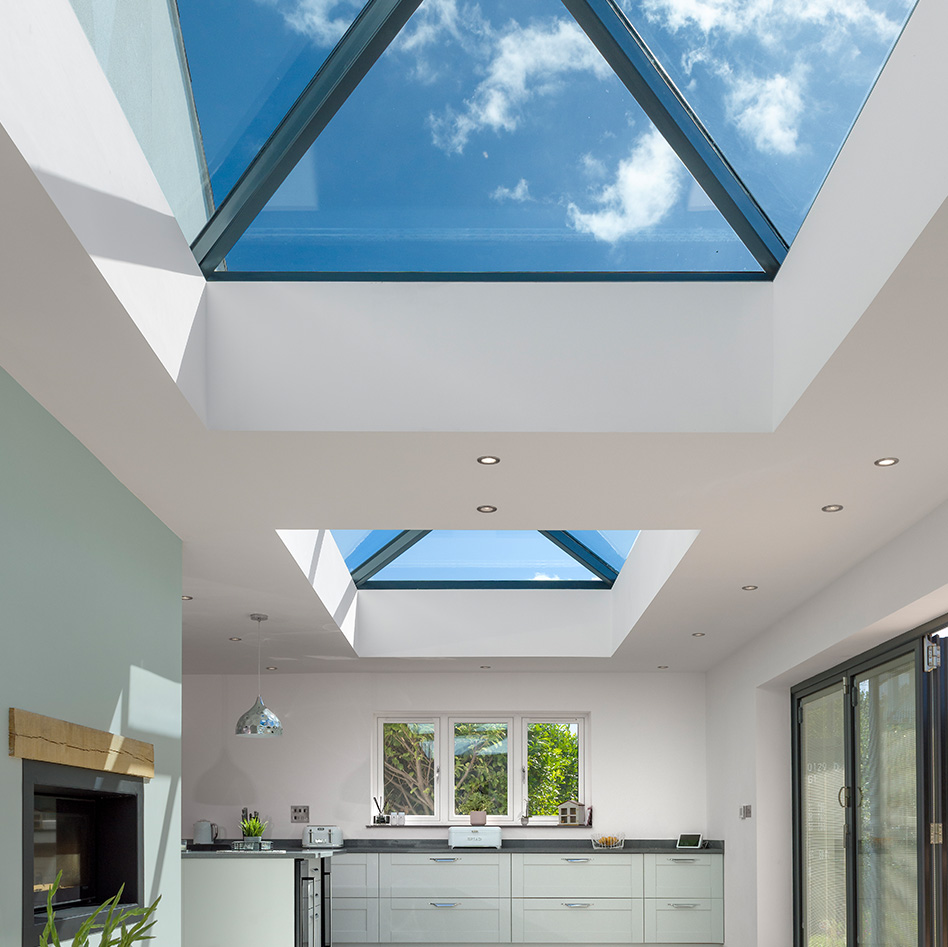
Finally, factor in the whole project. The efficiency of your doors sits alongside rooflights, windows, insulation levels, ventilation strategy and orientation. South-facing glazing, for example, may bring welcome winter light but could also need solar control consideration to avoid overheating in summer.
Are bifold doors a good choice for UK homes?
For many UK properties, yes. They suit rear extensions, garden rooms, kitchen renovations and open-plan living spaces particularly well. They can brighten your home, improve access to the outside and create a stronger connection between indoor and outdoor space.
From an efficiency point of view, the key is to avoid buying on looks alone. A premium finish and slim sightlines are attractive, but they should sit alongside good thermal values, solid weather ratings and dependable installation.
That is where specialist support makes a difference. A supplier that can help you compare systems, configurations and specifications clearly will usually save you from making an expensive decision based only on appearance. For homeowners and trade customers alike, that clarity is valuable.
The honest answer
So, are bifold doors energy efficient? Yes, they can be – and very much so – but only when the product, glazing and installation are all working in your favour. A cheap system with weak thermal detailing is unlikely to deliver the same comfort or running-cost benefits as a well-made, properly fitted one.
The better question is not just whether bifold doors are energy efficient in general, but whether the specific bifold doors you are considering are efficient enough for your project. Get that part right, and you can maximise light and space without making a compromise on everyday comfort.