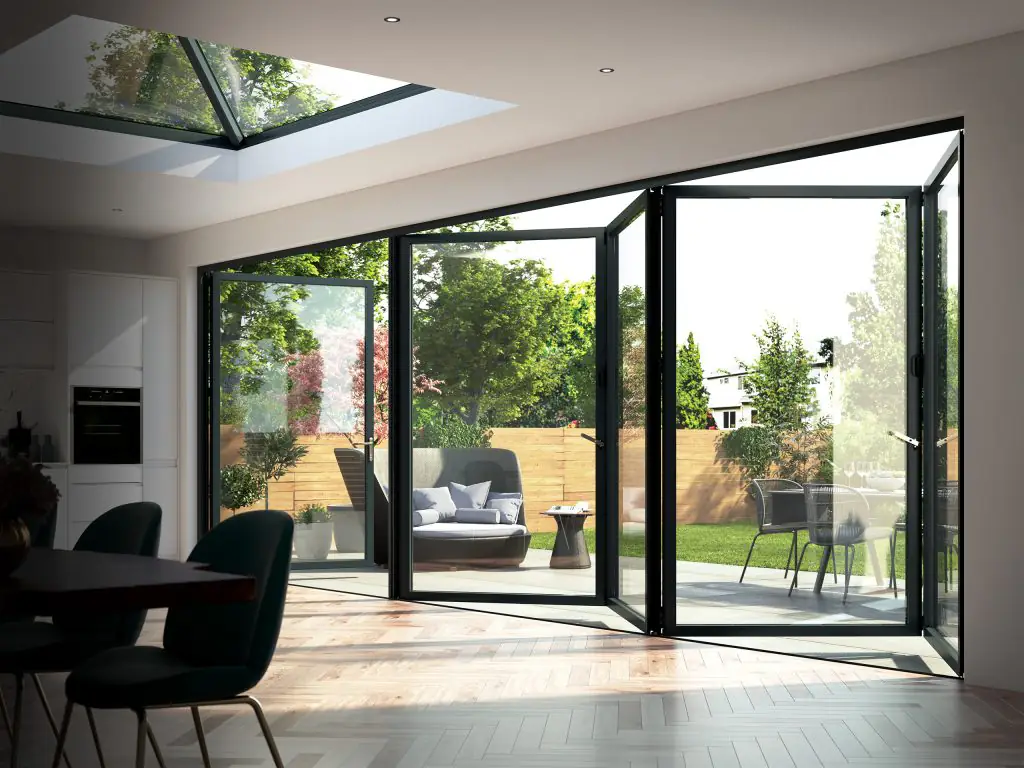
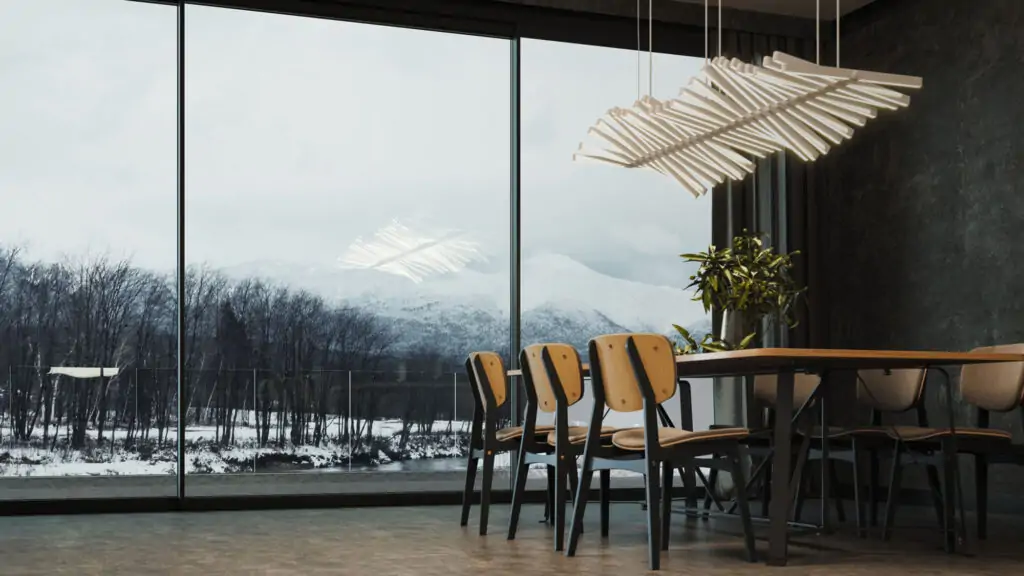
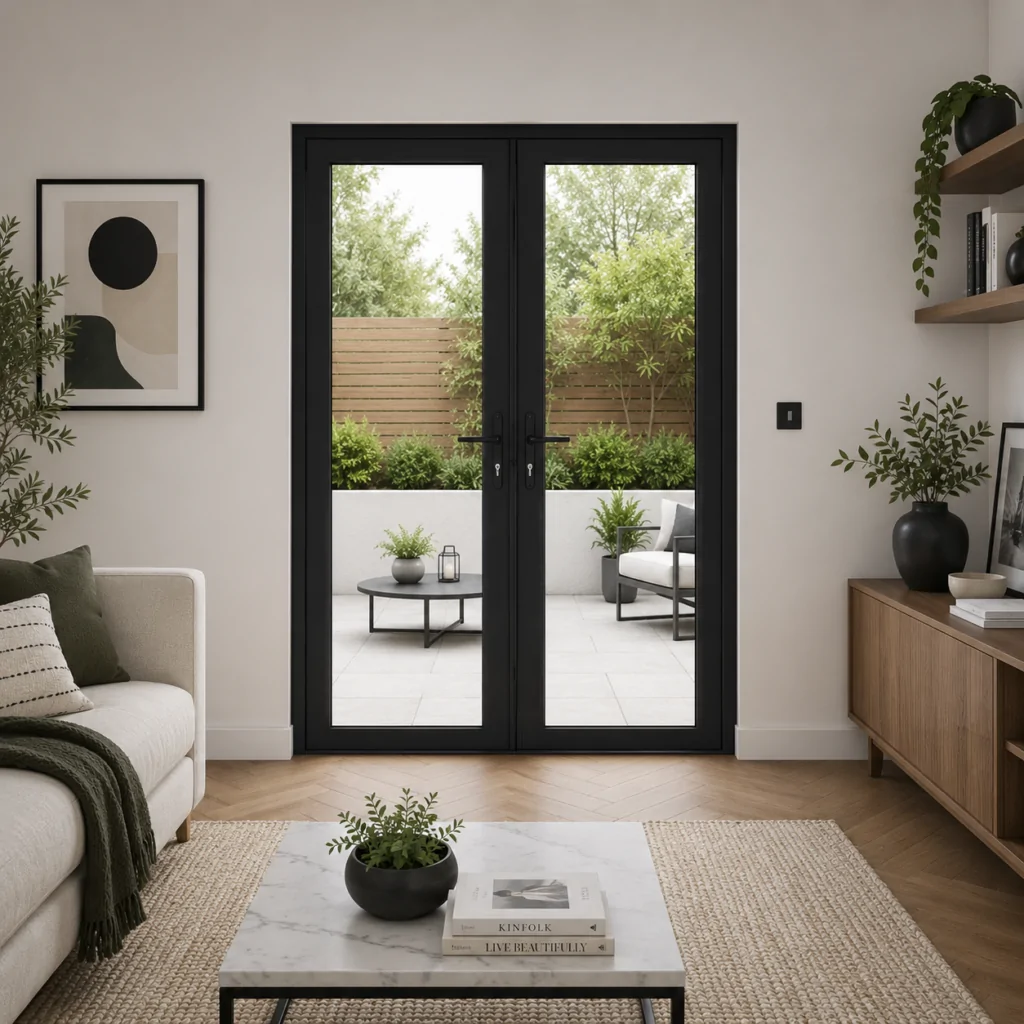
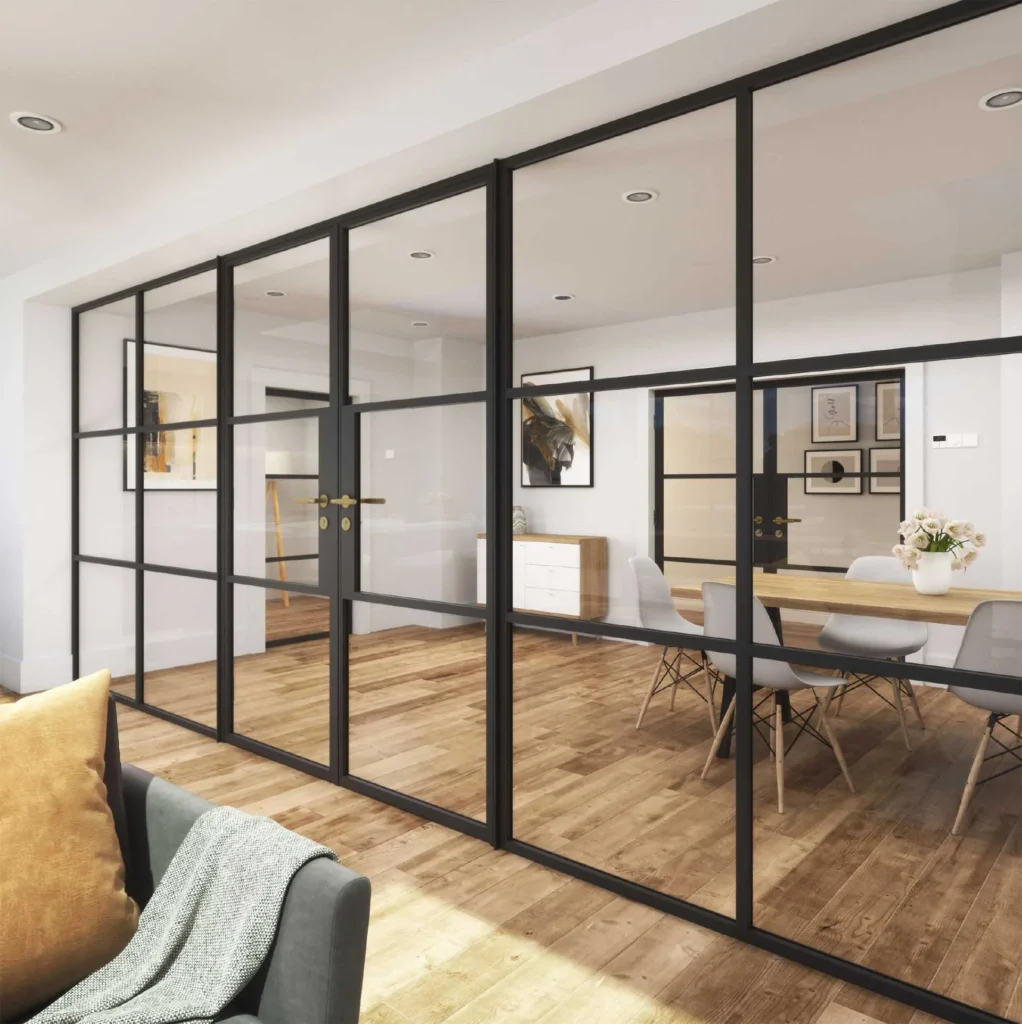
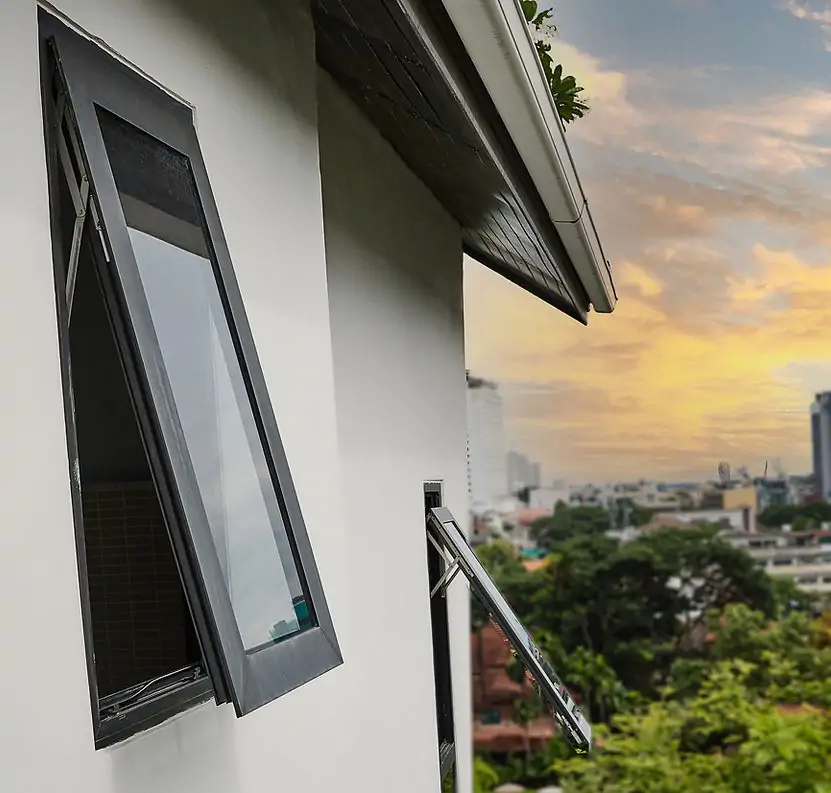
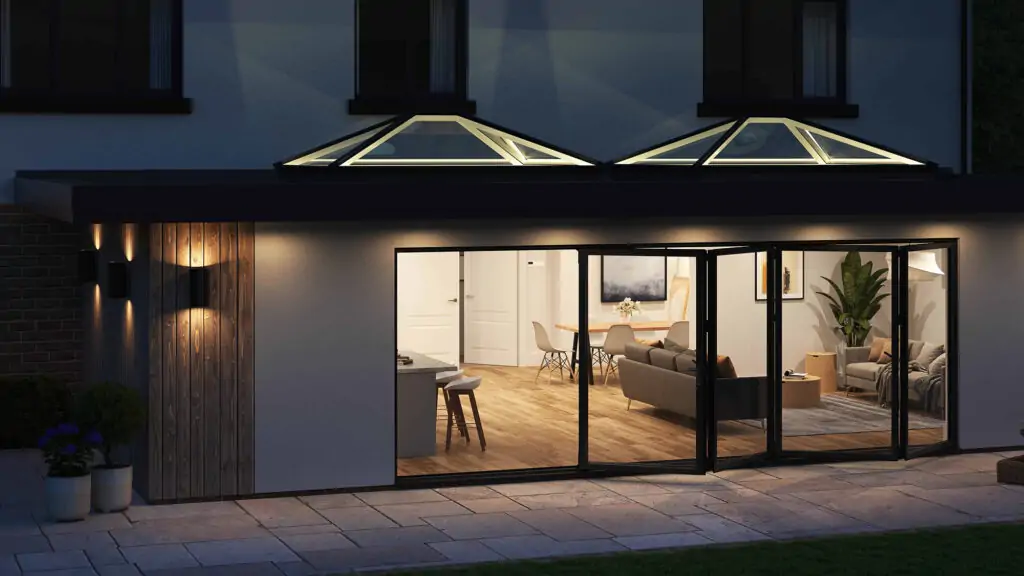
A rear extension can look outstanding on plans and still feel underwhelming once built if the doors are wrong. Get the glazing right, though, and the whole room changes. The best bifold doors for extensions do more than open up a wall – they bring in light, improve the connection to the garden and make the new space feel worth the investment.
For most UK homeowners and trade buyers, the decision comes down to more than style. Sightlines, thermal performance, threshold options, panel sizes, frame material and day-to-day practicality all matter. A bifold that looks impressive in a showroom may not be the best fit for a family kitchen extension, a side return or a garden room used all year round.
What makes the best bifold doors for extensions?
The right answer depends on how the extension is being used. If it is a kitchen diner that opens onto a patio, you may want the widest possible opening and a low threshold for easy access. If it is a compact extension where wall space is limited, the stack-back of the panels becomes more important. For trade projects, lead times, adjustability, installation tolerance and technical documentation can be just as important as appearance.
In most cases, the best bifold doors for extensions combine four things well. They need slim enough frames to maximise glass, strong thermal performance for year-round comfort, smooth operation over time and enough configuration choice to suit the opening rather than forcing the opening to suit the product.
That is why aluminium tends to lead the market for extension projects. It offers slim profiles, good structural strength and a clean contemporary finish that works well with modern renovations as well as more traditional homes with the right colour choice.
Aluminium or uPVC for an extension?
For most extension projects, aluminium is the stronger option. It allows for larger panes, neater sightlines and a more premium overall look. It is also well suited to wider openings, which is often exactly what homeowners want when they are trying to maximise light and space.
uPVC bifold doors can still suit some projects, especially where budget is the main driver, but there are trade-offs. Frames are usually bulkier, panel sizes can be more limited and the overall appearance is less refined. On a modest extension this may be perfectly acceptable. On a high-spec rear extension with rooflights, flush flooring and contemporary finishes, aluminium usually looks more at home.
If the extension is a key selling point of the property, aluminium often makes more financial sense in the long run. It supports the design better and tends to match buyer expectations in upgraded homes.
Sightlines, panel widths and why proportions matter
When people picture bifold doors, they often focus on the fully open view. In reality, the doors spend much of the year closed, especially in Britain. That makes closed-door appearance just as important as opening width.
Slim sightlines help the extension feel lighter and less interrupted by frame. But there is a balance to strike. Extremely wide panels can reduce the number of vertical frames, yet they also become heavier and can be less convenient in everyday use. Very narrow panels may fold back neatly, but they can create a busier look across the elevation.
For many rear extensions, a three-panel or four-panel bifold setup gives the best balance of glass, practicality and cost. The right layout depends on the width of the opening and where you want the traffic door. A daily access leaf is useful if you do not want to fold the entire set every time someone steps into the garden.
Thermal performance is not just a spec-sheet issue
Extensions often include large areas of glazing, which means thermal efficiency needs proper attention. A poor-performing door can make a beautiful room feel cold in winter and overly warm in summer. That matters even more in open-plan spaces, where temperature swings are harder to ignore.
Look beyond headline claims and consider the full door set, not just the glass unit. Frame design, thermal breaks, gasket quality and installation all affect performance. Double glazing is standard and works well for many projects, while triple glazing may suit specific situations where energy performance or acoustic control is a higher priority. It can, however, add weight and cost, so it is not automatically the best choice for every extension.
Solar gain also deserves a mention. South-facing extensions with lots of glass can become uncomfortable if the glazing specification is not chosen carefully. In that case, it is worth looking at glass options that help manage heat without making the room feel dark.
Thresholds, flooring and everyday living
One of the biggest visual wins in an extension is a low threshold that helps create a clean transition to the patio. It looks smart and makes the space feel more open. But the best threshold choice depends on exposure and usage.
A fully weathered threshold offers better protection against the elements, which can be important on exposed elevations. A lower threshold improves accessibility and gives a neater finish, but drainage and external levels need to be planned properly. This is where early specification pays off. It is much easier to coordinate floor buildup, patio height and drainage before installation than to try to fix mismatched levels later.
For family homes, practical use matters as much as appearance. If children, pets or frequent garden access are part of daily life, a traffic door and a sensible threshold detail can make the space much easier to live with.
Security should feel built in, not added on
Most homeowners expect bifold doors to be secure, but not all systems are engineered to the same standard. Multi-point locking, quality hardware, toughened safety glass and reliable cylinder options should all be part of the conversation.
For trade buyers, this is also where tested performance and manufacturer support matter. A well-designed system is easier to specify with confidence, especially when the client wants a premium result without unnecessary complication. Security features should not spoil the look or operation of the door set. The best products integrate them neatly.
Choosing a bifold system that suits the build
Not every extension needs the same type of bifold. A straightforward single-storey rear extension may suit a clean, standard configuration with strong thermal performance and slim aluminium frames. A larger architectural opening might call for a system designed for bigger sash sizes and a more premium finish.
This is why product range matters. Being able to compare established systems such as Alunet, Cortizo or Korniche can make specification far easier, because each has strengths depending on budget, sightline preference and project requirements. Some are particularly strong on slim aesthetics, while others stand out for fabrication detail, value or ease of installation.
The best approach is usually to start with the opening, the style of the property and the way the room will be used. Then match the system to those priorities rather than chasing a one-size-fits-all answer.
Style choices that improve the final result
Anthracite grey remains a popular choice for extensions, and for good reason. It pairs well with brick, render and contemporary interiors. Black can look striking, particularly on modern homes, while white and dual-colour options still suit more traditional properties.
Handle finish, glazing bars and panel arrangement also influence the final look. In some homes, a very minimal scheme works best. In others, a softer or more heritage-aware finish helps the extension sit comfortably with the original building. The best bifold doors for extensions are the ones that look considered, not simply fashionable.
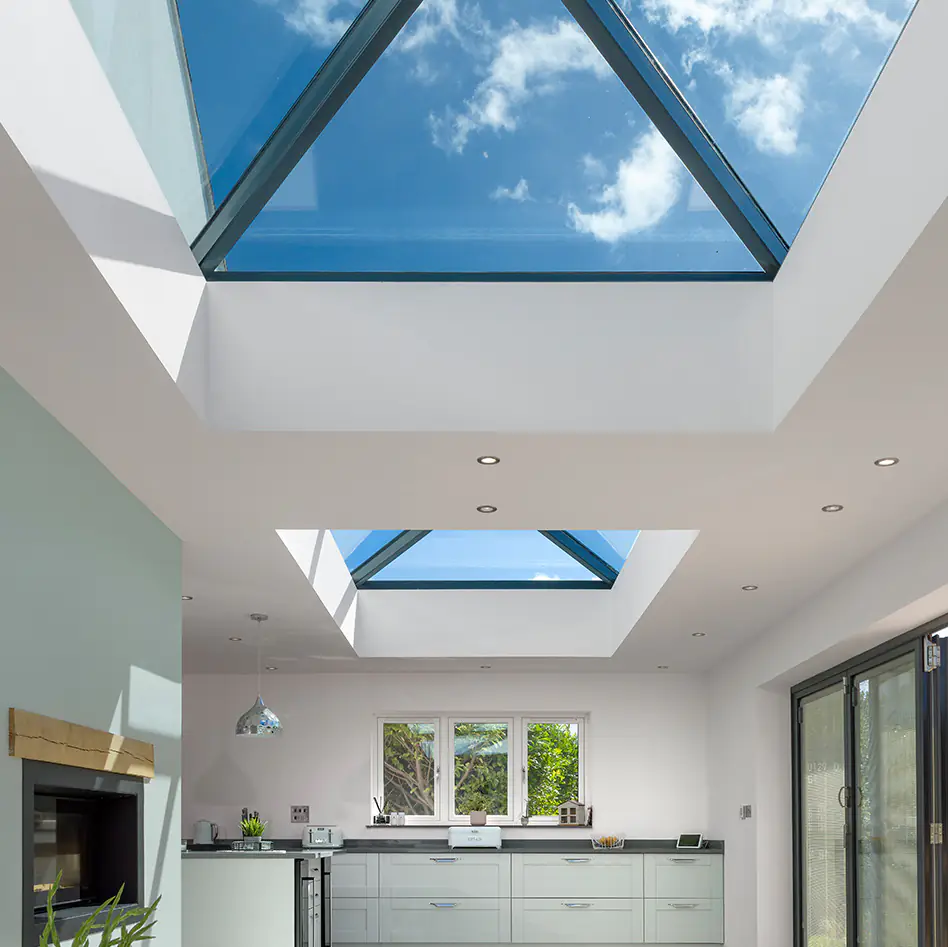
It is also worth thinking about what sits beside and above the doors. If the extension includes fixed glazing, roof lanterns or flat rooflights, keeping frame styles visually compatible creates a more polished result.
For homeowners and trade buyers, support matters
A bifold door is not an off-the-shelf purchase in the usual sense. Sizes, opening direction, threshold choice, cill detail, colour, glazing and hardware all need to be right. That is why buying support matters almost as much as the product itself.
Homeowners often want confidence that they are choosing a door that will suit both the design and the budget. Trade professionals usually need clear lead times, technical information and straightforward ordering. In both cases, a supplier that can offer bespoke options, practical advice and dependable service adds real value.
That is one reason many buyers look for a supplier with a strong multi-brand range and UK-based support, rather than limiting themselves to a single system before they have compared the options properly.
A better way to choose
If you are trying to narrow down the best option, start with three questions. How wide is the opening, how do you want to use the space day to day, and what matters more – the slimmest possible sightlines, the lowest possible price, or the easiest route to a balanced high-spec finish?
Once those priorities are clear, the right bifold door usually becomes easier to identify. The best choice is rarely the most expensive or the most heavily marketed. It is the one that makes the extension brighter, more usable and more enjoyable every single day.
A well-chosen bifold should feel like part of the architecture, not an afterthought. Get that right, and the extension will do exactly what it was meant to do – open up your home in a way that still feels right years from now.