A well-planned extension can add floor area. A well-planned roof lantern changes how that space feels. If you are searching for roof lantern ideas extension projects can genuinely benefit from, the real question is not simply what looks good from the outside. It is what brings in the right light, suits the room below, and works with the structure, glazing and day-to-day use of the space.
For many homeowners, the roof lantern is the feature that makes a kitchen extension feel bigger, brighter and more finished. For builders and installers, it is also one of the details that can either elevate the whole job or create avoidable compromises if it is underspecified. The best results come from matching the lantern design to the room, not forcing the room to fit a trend.
Start with how the extension will be used
Before choosing frame colour, bar layout or glazing options, think about what happens in the room from morning to evening. A dining area needs a different quality of light from a family kitchen. A rear extension used all day may benefit from controlled solar gain, while a room used mainly in the evening can prioritise shape and visual impact.
This is where many roof lantern ideas for an extension either succeed or fall flat. A large lantern over an open-plan kitchen can be dramatic, but if it creates glare on worktops or overheating in summer, the effect wears off quickly. A more balanced design, sized properly and paired with performance glazing, often delivers the better long-term result.
Keep the lantern in proportion
One of the strongest ideas is also the simplest – do not oversize it. Bigger is not always better. A roof lantern that dominates the entire flat roof can make the extension feel top-heavy from outside and uncomfortable below, particularly in south-facing rooms.
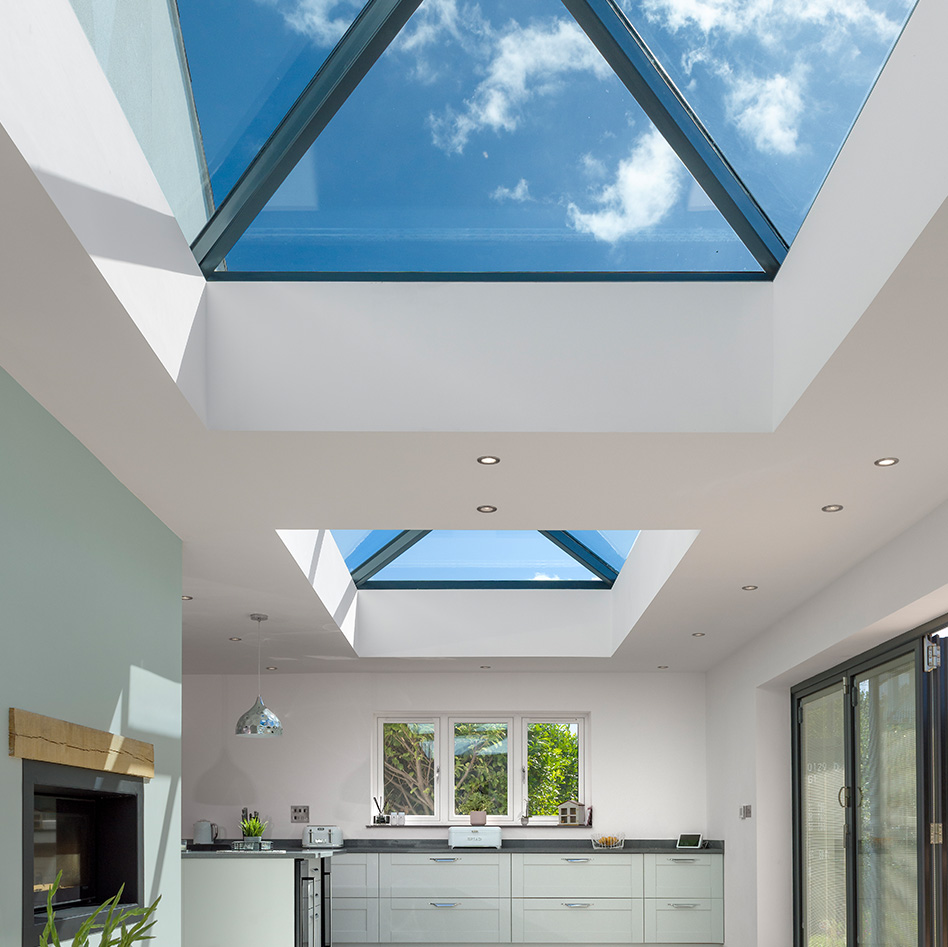
In most cases, leaving a solid roof border around the lantern helps the design feel more intentional. It also gives the structure cleaner lines and can improve ceiling lighting layouts internally. The lantern still draws the eye, but it does not overwhelm the extension.
For smaller extensions, a compact central lantern often works better than a near full-width design. In larger rear extensions, two smaller lanterns can sometimes create a more even spread of light than one oversized unit.
Use a slim-frame lantern for a cleaner look
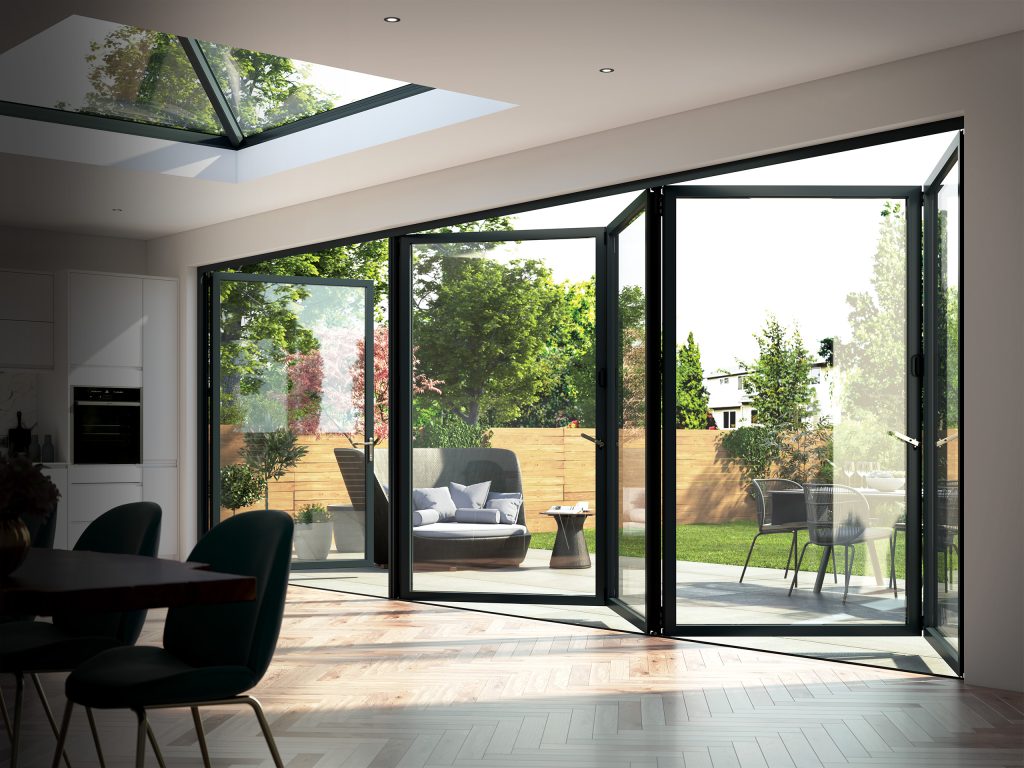
If your aim is a contemporary extension, slim sightlines make a noticeable difference. Modern aluminium roof lanterns are designed to maximise glass area while keeping the frame crisp and understated. The result is more sky, less bulk.
This approach works particularly well with bifold or sliding doors, where homeowners want the roof glazing and vertical glazing to feel consistent. The extension looks lighter, sharper and more premium without relying on decorative detailing.
Trade professionals often favour this style too, because a cleaner product design can simplify the overall scheme. It is easier to coordinate with modern window and door systems, and easier to sell to clients who want a bright, architectural finish.
Match the shape to the property style
Not every extension needs the same lantern profile. Contemporary homes usually suit lean, minimal designs with slim aluminium bars and muted colours such as anthracite grey, black or white. Traditional properties can still take a roof lantern beautifully, but the styling needs a little more care.
On period-style homes or heritage-sensitive renovations, the best idea is often to keep the lantern elegant rather than ultra-modern. A balanced bar pattern and a frame colour that sits comfortably with the existing windows and doors will usually feel more settled. This is less about copying old detailing and more about avoiding a visual clash.
The extension should feel like part of the home, not a separate design experiment.
Place the lantern over the right zone
A common mistake is centring the roof lantern on the extension footprint rather than on the part of the room that matters most. In open-plan layouts, the most effective position is often above the dining table, kitchen island or main circulation space.
That decision changes how the room reads. A lantern over an island can turn the kitchen into the focal point. Positioned above a dining area, it creates a more defined destination within a large extension. Over a family seating zone, it can make the room feel open without sacrificing wall space for cabinetry.
This is one of the more practical roof lantern ideas extension designers return to repeatedly – align the light source with the way the room is actually used.
Think carefully about orientation and solar control
Daylight is the attraction, but too much direct sun can become a problem. South-facing extensions usually need more thought around solar gain than north-facing ones. In some homes, solar control glazing is worth serious consideration, especially where the lantern sits above cooking areas or spaces used throughout the hottest part of the day.
North-facing lanterns often produce softer, more even light, which many homeowners prefer in kitchen extensions. East-facing rooms can feel bright and energising in the morning, while west-facing spaces may catch stronger afternoon sun.
There is no universal best option here. It depends on the property, the room layout and how much temperature variation the client is willing to tolerate. Good glazing specification matters just as much as the size or shape of the lantern.
Choose frame colour as part of the whole glazing scheme
Roof lantern ideas are often shown in isolation, but in a real extension the roof glazing rarely stands alone. It sits alongside doors, windows, fascias, internal finishes and often a kitchen palette too. Choosing the frame colour should be part of the wider design scheme.
Anthracite grey remains a strong choice because it works with both contemporary and transitional styles. Black can look striking, especially with industrial-inspired glazing elsewhere, but it can feel harder visually in some domestic settings. White is often underestimated – it can keep the ceiling line lighter and suit softer interiors very well.
The right answer usually comes down to contrast. If the extension already includes dark-framed sliding or bifold doors, matching the lantern can create a cohesive result. If the room needs to feel brighter and less visually busy, a lighter internal finish may be the smarter option.
Consider two lanterns instead of one
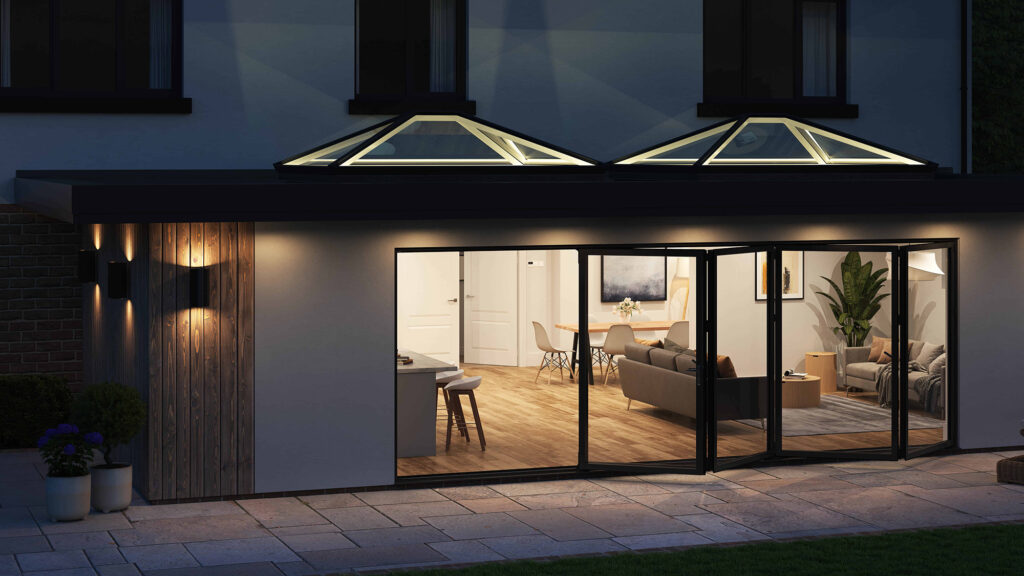
For wide kitchen-diners or larger flat-roof extensions, twin roof lanterns can be one of the best design moves. Instead of one large central structure, two smaller lanterns can distribute daylight more evenly across the room and create a stronger architectural rhythm.
This approach also helps where ceiling layouts need flexibility. You may want pendant lighting over an island and separate lighting over a dining space, with the lanterns framing each zone rather than competing with it.
Externally, two lanterns can look more balanced on a broad rear extension. Internally, they often make the room feel more composed. It is not the right answer for every project, but it is well worth considering before defaulting to a single large unit.
Make the interior view work as hard as the exterior
Homeowners often choose a roof lantern for kerb appeal or because they like the idea of a feature rooflight from the garden. Yet most of the value is experienced from inside. The sightlines, the way daylight moves through the room, and the sense of height it creates all matter more in everyday life than the outside view.
That is why glazing bar arrangement, ridge height and internal frame finish deserve attention. A lantern should lift the ceiling visually without feeling heavy overhead. Slimmer bars and clean intersections usually help achieve that. In lower extensions, careful specification is especially important because the lantern will be seen at closer range.
At Horizon Windows and Doors, this is often where the right product choice pays off – not just in appearance, but in making premium glazing feel practical and achievable for both homeowners and trade buyers.
Do not ignore performance and installation details
The most inspiring design idea still has to work technically. Thermal efficiency, weather resistance, glass specification and installation quality all affect how successful the finished extension will be. A lantern that looks excellent on day one but suffers from poor temperature control, condensation issues or awkward fitting is not a good buy.
For homeowners, that means asking sensible questions about glazing performance, ventilation around the space and how the lantern integrates with the roof build-up. For installers and builders, it means choosing systems that are well engineered, straightforward to fit and backed by clear technical information.
This is especially relevant on bespoke projects, where dimensions, roof pitch and structural openings are being tailored to the design. Premium products should not mean complicated buying. They should mean more confidence in the finished result.
The best roof lantern ideas extension projects use are the ones that feel natural
The strongest idea is not always the boldest one. Sometimes it is a perfectly proportioned lantern above a kitchen island. Sometimes it is a pair of slim aluminium lanterns over an open-plan rear extension. Sometimes it is a more modest design that simply brings calm, even daylight into the room.
A roof lantern should maximise light and space, but it should also respect the scale of the extension, the character of the home and the way the room will actually be lived in. Get that balance right, and the whole extension feels better the moment you walk in.