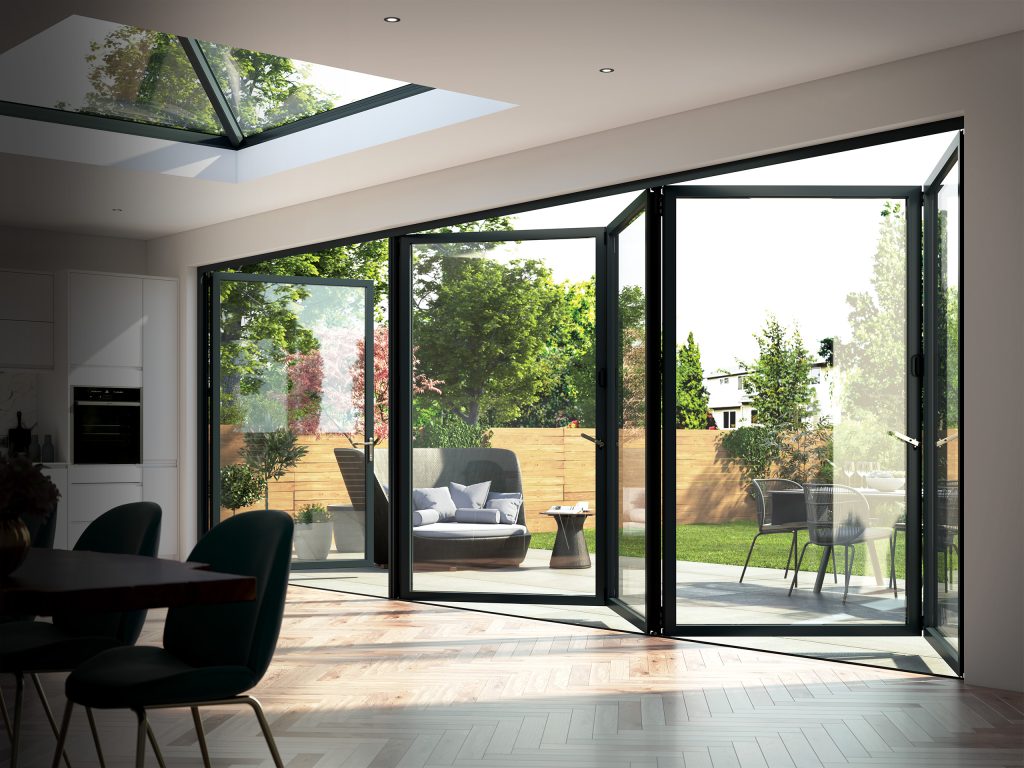
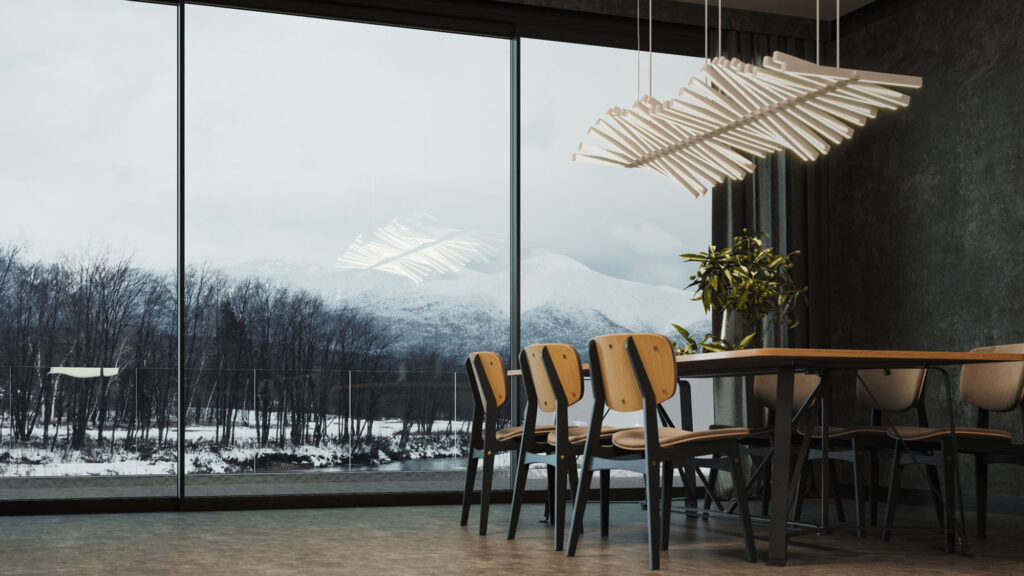
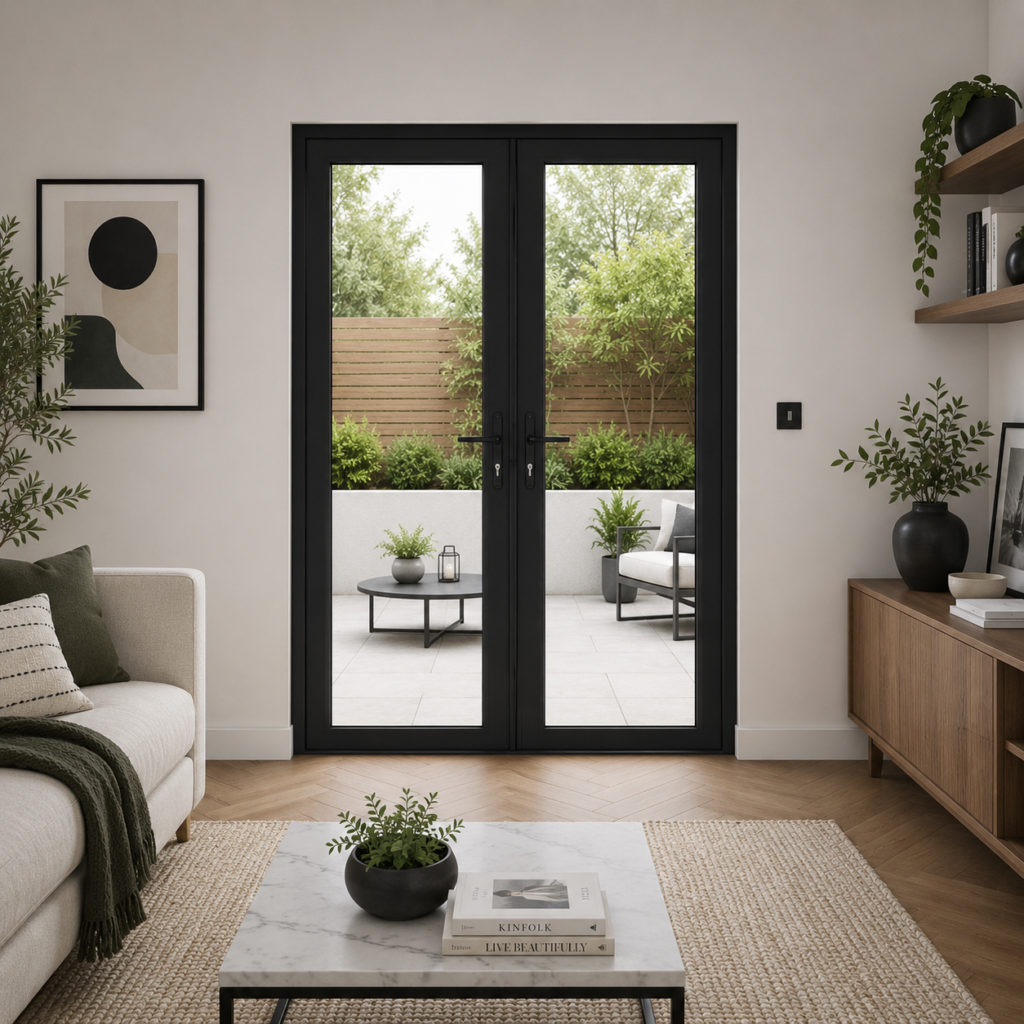
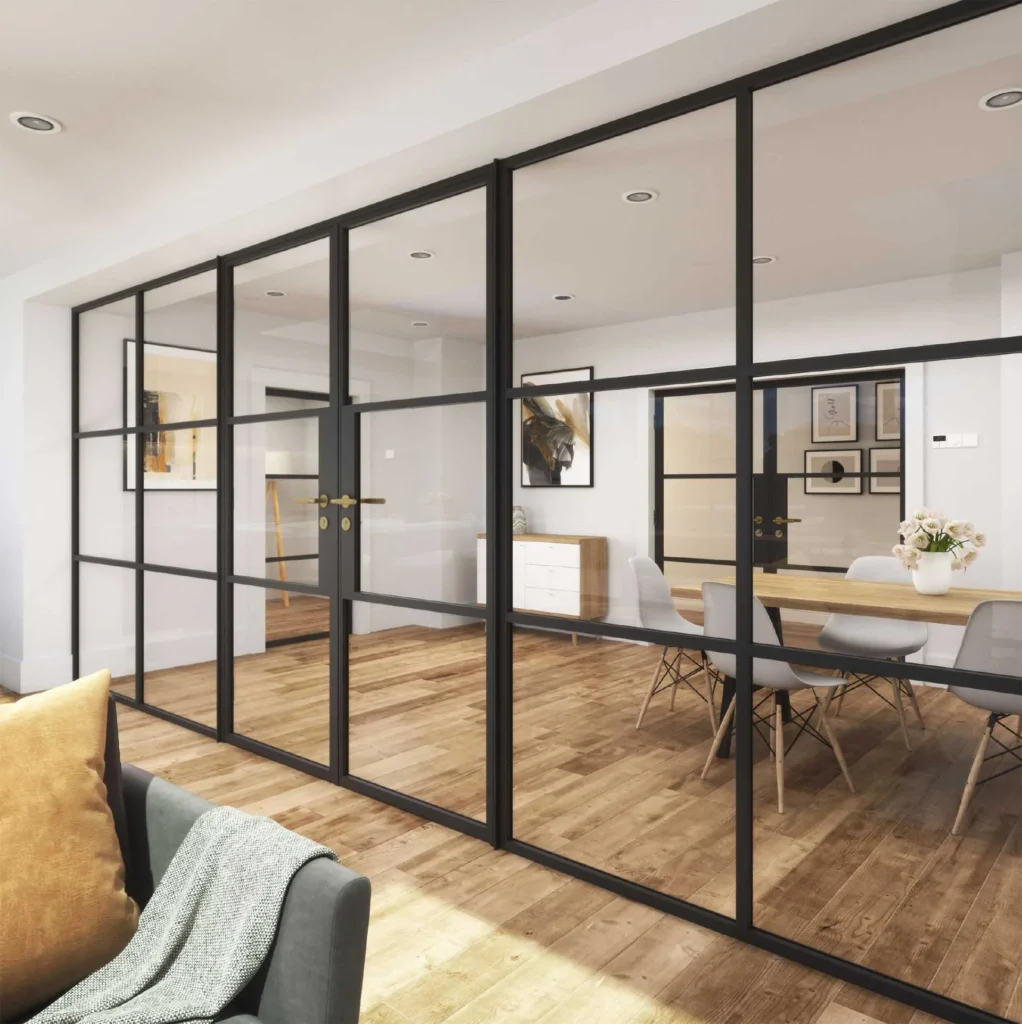
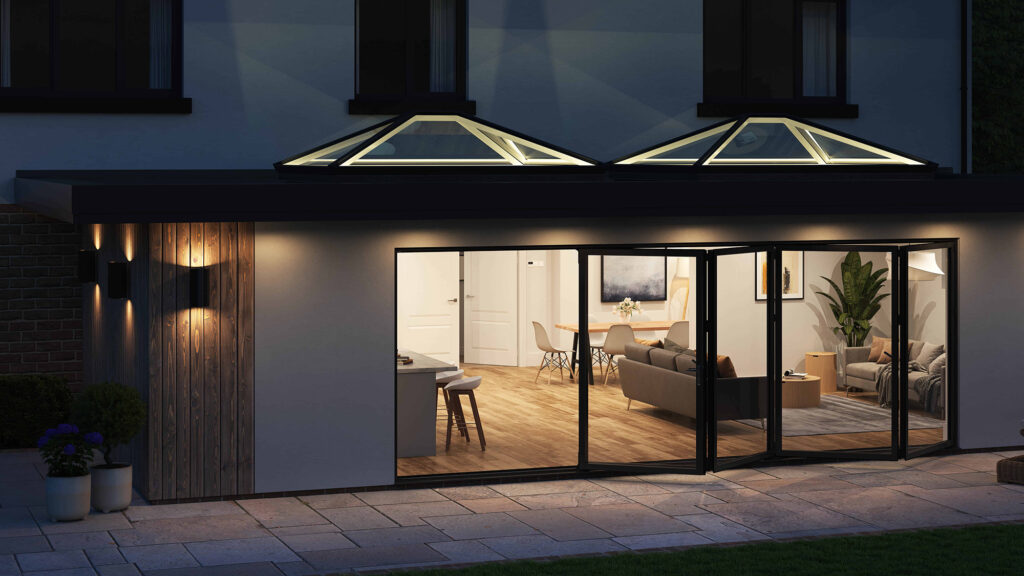
When a rear extension has great proportions but still feels heavier than expected, the frames are often the reason. Ultra slim sliding doors are designed to reduce that visual interruption, giving you broader glass areas, cleaner sightlines and a more open connection to the garden. For homeowners, that means more daylight and a sharper finish. For trade buyers, it means a product that answers a very specific brief – maximise glass without compromising everyday practicality.
These systems sit firmly in the premium end of the market, but that does not mean they are only for architect-led grand designs. They are now a realistic option for renovations, kitchen-diner extensions, garden rooms and new-build plots where light, space and contemporary styling matter. The key is understanding what makes one system better suited to a project than another.
What makes ultra slim sliding doors different?
The main difference is in the frame profile and the visible sightline where panels meet. Standard patio doors tend to have chunkier sections, which break up the view and reduce the glass area. Ultra slim sliding doors use more refined aluminium profiles to keep these lines as narrow as possible while still supporting large glazed panels.
That slimmer appearance changes the feel of a room straight away. The doors draw the eye outward, make openings look wider and allow more natural light to travel into the space. In practical terms, they are built for projects where the glazing is not just functional, but a core part of the design.
It is also worth separating them from bifold doors. Bifolds fold back in sections and can open up nearly the full width of an aperture, which suits some layouts very well. Sliding doors move behind one another, so you never get the whole opening clear, but you do get uninterrupted glass, cleaner lines and no stacked panels projecting into or out of the room. For many modern homes, that trade-off is exactly the point.
Why ultra slim sliding doors appeal in UK homes
A lot of renovation projects are trying to solve the same problem – how to make the back of the property feel brighter, wider and more connected to the outside. That might be a period home with a new extension, a 1990s house being updated, or a self-build where glazing is central to the design from the start.
Ultra slim sliding doors suit these projects because they work hard visually without making the scheme feel overdesigned. They offer a minimal frame, broad panes of glass and a modern finish that sits comfortably with brick, render, timber cladding and contemporary interiors. If you want to open up your home without filling the elevation with visible framework, they make a strong case.
They also work well in rooms used every day. A kitchen extension, for example, benefits from easy access to the garden and strong natural light throughout the day. In a garden room or living space, the reduced framing helps the glazing feel more architectural and less like a basic opening.
The performance side matters just as much as the look
Slim sightlines may be the headline feature, but good buying decisions rarely come down to aesthetics alone. Thermal performance, weather resistance, glazing specification and panel size all matter, especially in the UK where doors have to cope with wind, rain and daily use over the long term.
High-quality aluminium sliding systems are designed with thermal breaks and modern glazing options to help retain heat effectively. That means you can achieve the contemporary look people want without accepting poor insulation as the price of it. The exact U-values and glazing make-up will vary by system, size and configuration, so this is one of the areas where specification support really helps.
Security is another point buyers rightly focus on. Premium sliding doors are typically built with multi-point locking, toughened or laminated glazing options and tested hardware designed for larger panels. Slim does not mean delicate. A well-engineered system should feel solid in operation, smooth on the track and reassuringly secure when closed.
Size, configuration and threshold choices
One reason these doors are so popular is their flexibility. Openings can be tailored for compact extensions as well as wide-span glazed elevations, with panel counts and sliding directions adapted to suit the layout. That matters because the right design is not always the biggest one – it is the one that works with the room, the furniture plan and the way the space will actually be used.
For some homes, a two-panel sliding door is enough to brighten the room and simplify access outside. Larger projects may call for three or four panels to create a more expansive glazed wall. Pocket-style effects and corner arrangements can also be considered on suitable designs, although these are naturally more complex and budget-sensitive.
Threshold choice deserves more attention than it usually gets. A low threshold can improve access and strengthen that inside-out feel, particularly in family homes and projects where level access is a priority. The detail still needs to work with drainage, floor finishes and compliance, so early planning here avoids awkward compromises later.
Choosing the right system for the project
Not every ultra slim system is trying to achieve the same thing. Some prioritise the thinnest possible interlock sightline. Others strike a balance between slim frames, larger sash sizes and a more accessible price point. For homeowners, the best option depends on budget, desired appearance and how ambitious the opening is. For installers and builders, it also depends on lead times, documentation, fitting practicalities and aftersales confidence.
This is where product comparison becomes useful rather than overwhelming. A recognised system from brands such as Cortizo or Alunet may appeal if sightlines and contemporary styling are the priority, while other options can deliver strong performance with a broader value proposition. The important point is to compare on the things that affect the finished result: visible frame dimensions, maximum panel sizes, glazing options, thermal data, hardware quality and colour availability.
Colour and finish should not be treated as an afterthought either. Anthracite grey remains a popular choice, but black, white and bespoke finishes all have their place depending on the property style. The slimmer the frame, the more impact the finish can have on the overall look.
What to ask before you buy ultra slim sliding doors
The most successful purchases usually start with a few practical questions. How wide and tall is the opening? Is the aim to frame a view, improve access, or maximise daylight? Do you want the slimmest possible sightline, or a strong balance between look and budget? Will the project benefit from a low threshold, triple glazing, or a specific colour finish?
Trade buyers may also need fabrication details, installation tolerances and downloadable technical information before signing off a specification. Homeowners often want more reassurance around operation, maintenance and whether the chosen system is suitable for a busy family space. Both are valid, and both should be easy to answer before an order is placed.
It also helps to be realistic about budget. Ultra slim sliding doors are a premium product because of the engineering involved, the larger glazed units and the design-led finish. That said, premium does not have to mean impractical. With the right supplier, bespoke configuration, clear guidance and competitive pricing can sit together without making the process feel complicated.
Installation and the finished result
Even the best door system depends on proper measuring, preparation and fitting. Large glazed panels need accurate structural openings, suitable support and careful handling on site. A great product can still disappoint if the threshold detail is wrong, the opening is out, or the specification was rushed.
That is why support matters. Whether the buyer is a homeowner ordering for a renovation or a contractor sourcing for multiple plots, confidence tends to come from having the right information at the right stage. Horizon Windows and Doors focuses on that balance – giving buyers access to premium systems, bespoke options and practical specification support without making the process harder than it needs to be.
Ultra slim sliding doors are popular because they do something visible and immediate. They brighten your home, soften the boundary between inside and out, and give an extension or renovation the clean finish many people are aiming for. The best choice is rarely about chasing the thinnest frame on paper. It is about finding the system that looks right, performs properly and fits the way the space will be used for years to come.