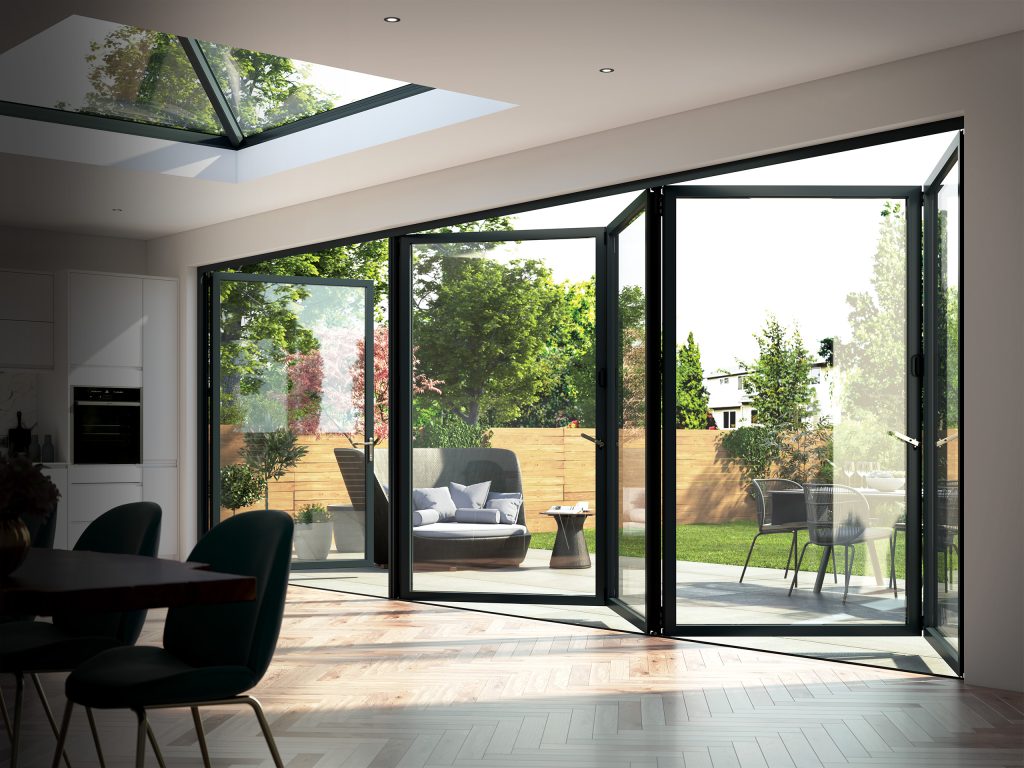
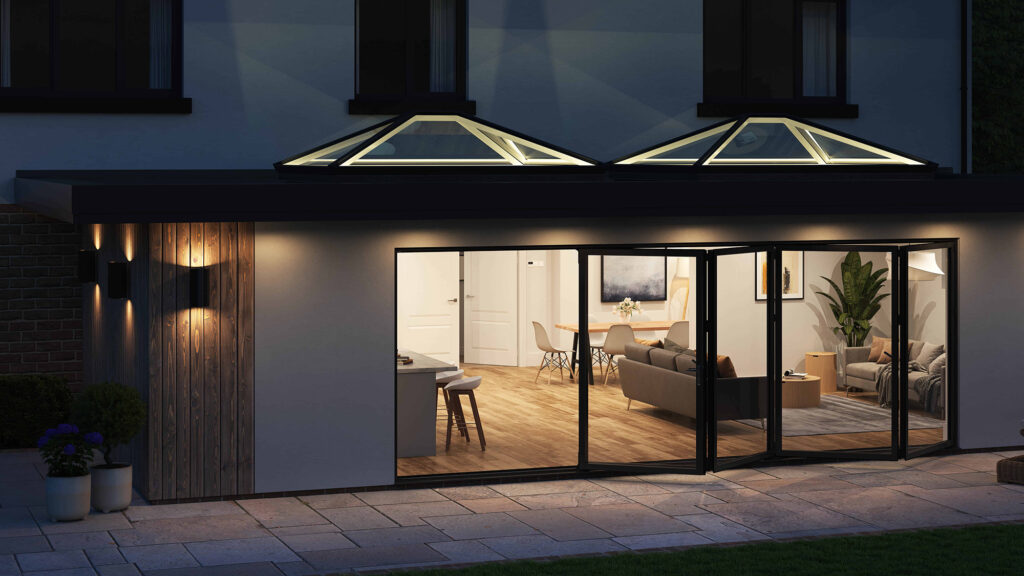
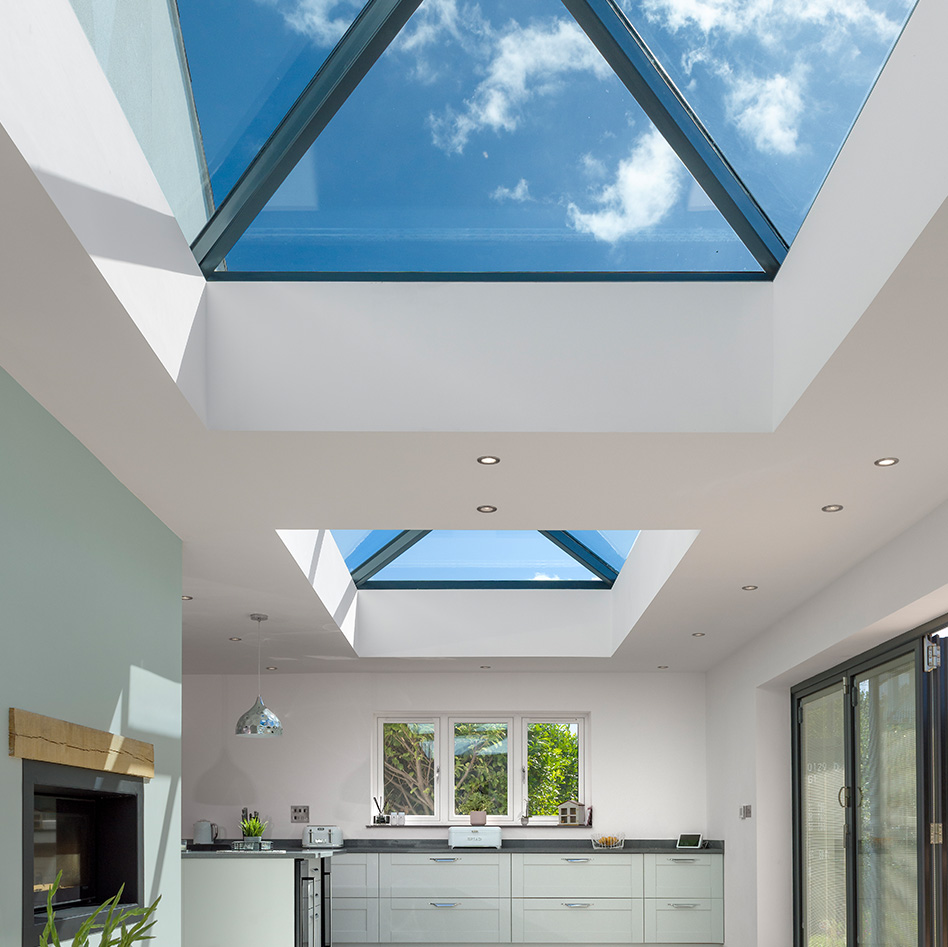
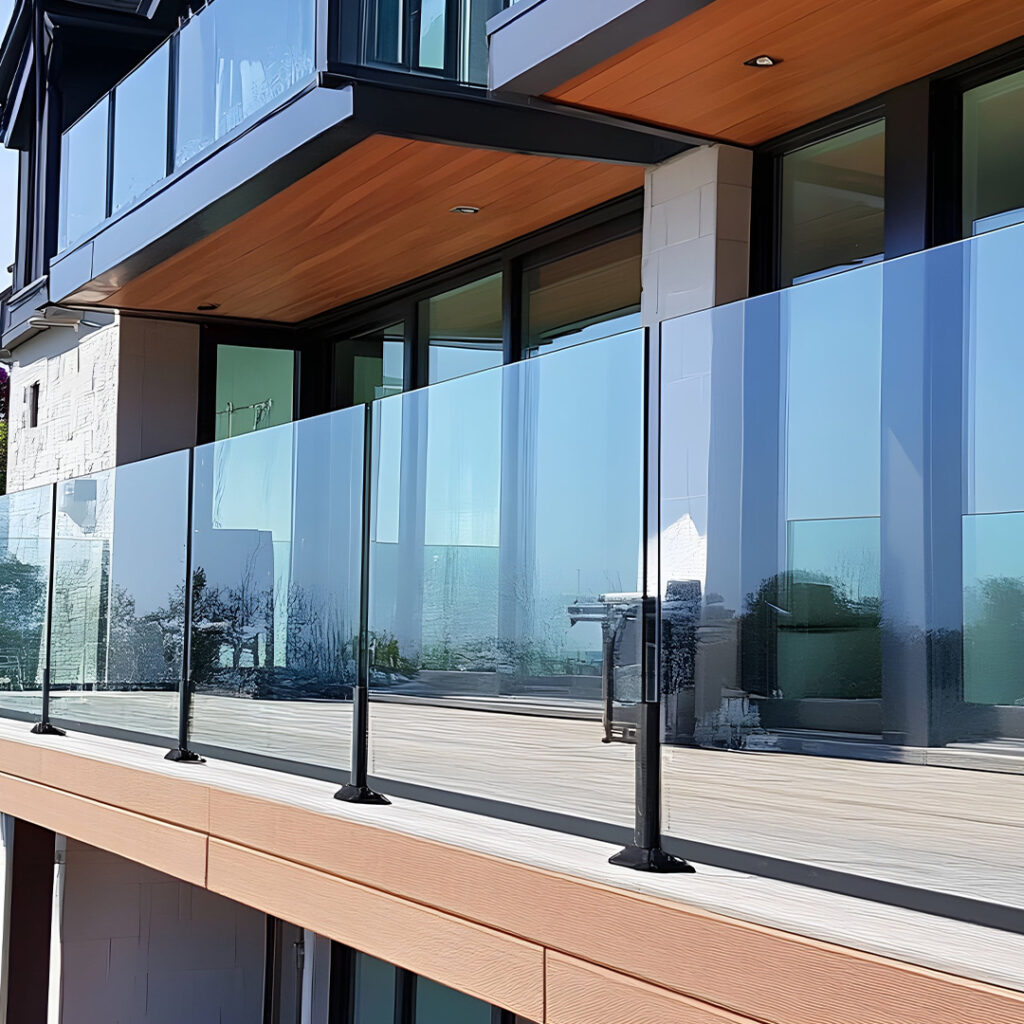
A bifold door can make an extension feel bigger, brighter and far more connected to the garden – but only if you choose the right one. If you are working out how to choose bifold doors, the best place to start is not colour or price. It is the opening itself, how you want the space to work, and what the door needs to do day to day.
The right bifold should look good, of course, but it also needs to suit the way you live or build. A homeowner may want uninterrupted views and slim sightlines for a kitchen extension. A builder or installer may be more focused on lead times, fitting tolerances and reliable specification. Both are valid. The strongest choice is the one that balances appearance, performance and practicality without paying for features you do not need.
How to choose bifold doors without getting lost in the detail
There is a lot of specification language around bifolds, and not all of it matters equally for every project. Some decisions are essential from the start, such as material, configuration and threshold. Others, such as hardware finish or handle style, are best made once the core setup is right.
Begin with the width and height of the opening. This will shape almost every other choice, including how many panels are possible, whether the doors will stack neatly, and how much frame you will see when they are closed. Wider openings can create a striking full-wall effect, but larger panel sizes are heavier and may limit how slim the sightlines can be. Smaller openings can still deliver a strong result, but often work better with fewer panels to keep the design clean.
Next, think about traffic. In many homes, bifolds are not only opened fully in summer. They are used every day for quick trips into the garden. That is why access matters. A system with a traffic door can be useful if you do not want to fold back the full set each time. For family homes, garden rooms and busy rear elevations, that small detail can make a big difference.
Start with material and system quality
For most modern bifold projects in the UK, aluminium is the natural choice. It is strong, low maintenance and well suited to larger glazed openings. It also allows for slimmer frames than many alternative materials, helping maximise light and space.
That said, not all aluminium bifold doors are the same. Profile design, hardware quality, thermal break technology and manufacturing standards all affect how the door feels and performs. Two products can look similar online but differ significantly in smoothness of operation, weather performance and long-term durability.
This is where brand and system choice matter. Recognised systems often come with tested performance data, technical documents and more consistent manufacturing standards. For homeowners, that brings confidence. For trade buyers, it reduces risk during specification and installation.
Price still matters, but it should be judged against what is included. A cheaper bifold may not offer the same security specification, glazing performance or finish options. A better-value product is not always the cheapest one upfront. It is the one that gives you the right specification for the project without costly compromise.
Decide how you want the doors to open
Configuration is one of the most important parts of how to choose bifold doors, because it affects daily use just as much as appearance. You will need to decide how many panels you want, whether they open inwards or outwards, and which way they stack.
Outward-opening bifolds are often preferred where internal floor space is limited, as they do not intrude into the room. Inward-opening doors can work well in sheltered spaces or where external obstructions make outward movement less practical. Neither is automatically better – it depends on the layout.
Panel numbers should suit the opening rather than follow a trend. More panels can mean narrower individual leaves, which may help with stacking and operation in wide apertures. Fewer panels can create cleaner lines but may result in larger, heavier door leaves. There is always a trade-off between sightline simplicity, practicality and engineering.
It is also worth thinking about where the stack will sit when the doors are open. A stack at one end may be ideal for furniture layouts or access to a patio path. A split stack can be useful for symmetrical openings but may interrupt the view more when the doors are folded back.
Pay close attention to glazing and thermal performance
Large areas of glass bring in daylight and open up your home, but they also have a direct impact on comfort. Glazing specification matters just as much as the frame.
Double glazing is standard for most bifold doors and can offer excellent performance when paired with a well-designed aluminium system. The exact glass makeup, spacer bar and coating all influence thermal efficiency. If the room gets a lot of sun, solar control glass may be worth considering to help reduce overheating. If privacy is a concern, obscure glazing in selected panes may be more useful than changing the whole design.
U-values are important, but they should be read carefully. Some figures refer to centre pane performance, while others refer to the whole door set. Whole-system performance gives a more realistic picture of how the doors will behave once installed.
For UK projects, weather performance matters too. Wind resistance, water tightness and air permeability can all affect comfort, particularly on exposed elevations. If the doors are going into a coastal or high-wind location, this should not be treated as a minor specification point.
Think about thresholds, flooring and access
Threshold choice is often overlooked until late in the process, but it should be discussed early. A low threshold can improve accessibility and create a neater transition to outside, especially for family homes, garden rooms and projects designed with level access in mind.
The trade-off is that the lowest thresholds may not offer the same weather performance as higher, more rebated options in very exposed settings. If your opening faces the prevailing weather, you may need to prioritise protection over the flattest possible finish.
Internal and external floor levels need careful planning as well. A flush visual effect is popular, but it depends on drainage, finished floor build-up and installation details being correct. This is one of those areas where a good-looking result relies on getting the technical side right from the outset.
Security should feel built in, not bolted on
A premium bifold door should not ask you to choose between aesthetics and security. Multi-point locking, strong hardware, quality cylinders and tested performance should all be part of the conversation.
For homeowners, this is about peace of mind. For trade professionals, it is about specifying products that stand up to client expectations and current standards. If security is a priority, look for tested systems and ask what is standard rather than assuming every visible feature tells the full story.
The same applies to hardware quality. A bifold can look impressive in a brochure, but if it feels stiff or awkward in use, that quickly becomes frustrating. Smooth operation comes from engineering quality, not just appearance.
Choose a style that works with the property
Anthracite grey remains popular for good reason, but it is not the only route to a refined finish. The right colour depends on the property style, the window scheme and whether you want the doors to stand out or blend in.
Contemporary homes often suit darker powder-coated finishes and slim, minimal frames. More traditional projects may benefit from softer tones, heritage-inspired styling or a coordinated external and internal colour approach. Some homeowners also choose dual colour options to suit the façade outside and interior palette inside.
Sightlines matter here as well. If your goal is to maximise views, look closely at the frame dimensions at door junctions. Slimmer sightlines can make a noticeable difference, but they should still be weighed against overall system strength and cost.
Do not ignore lead times, installation and support
Even the best bifold door can disappoint if the buying process is unclear or the product is badly installed. That is why practical support matters. Clear technical information, sensible lead times and access to knowledgeable UK-based guidance can save time and prevent expensive mistakes.
For trade buyers, downloadable drawings and specification documents are often essential. For homeowners, being able to customise the setup without feeling overwhelmed is just as important. A supplier that offers both product range and consultative support adds real value, particularly on bespoke projects.
Installation quality also affects performance. Poor fitting can lead to issues with operation, weather sealing and long-term alignment. A well-made door still needs accurate survey work, correct tolerances and careful installation to perform as intended.
If you are comparing options, ask what support is available before purchase, not just after. Horizon Windows and Doors, for example, focuses on making premium glazing easier to specify with practical guidance, custom options and technical resources that help customers buy with confidence.
What the right choice usually looks like
For most UK homes, the best bifold door is not the one with the longest list of features. It is the one that suits the opening, complements the property, performs well in the weather, and feels effortless to use. That may mean prioritising a low threshold and everyday traffic access in a family extension, or choosing a system with stronger technical credentials for a trade development or exposed site.
A good decision comes from asking better questions early. How often will the doors be opened fully? Do you need easy daily access? Is the opening sheltered? How important are slim sightlines compared with budget? Once those answers are clear, the right specification tends to follow.
Choose bifold doors with the whole project in mind, and they will do more than brighten your home. They will make the space work better every day.