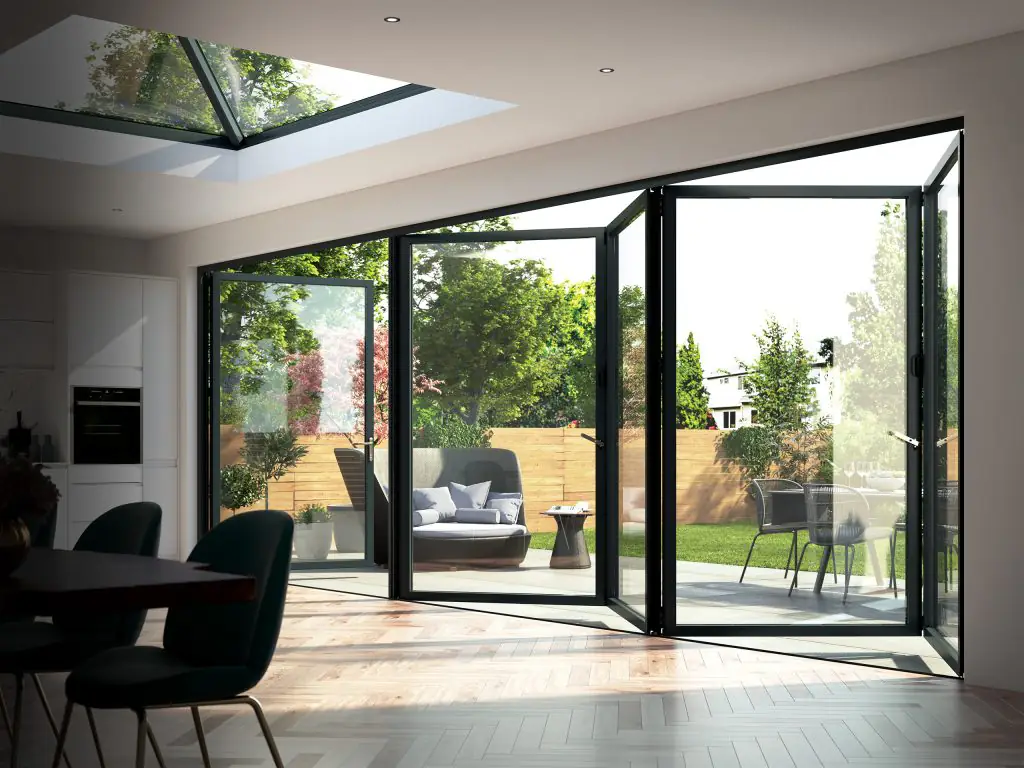
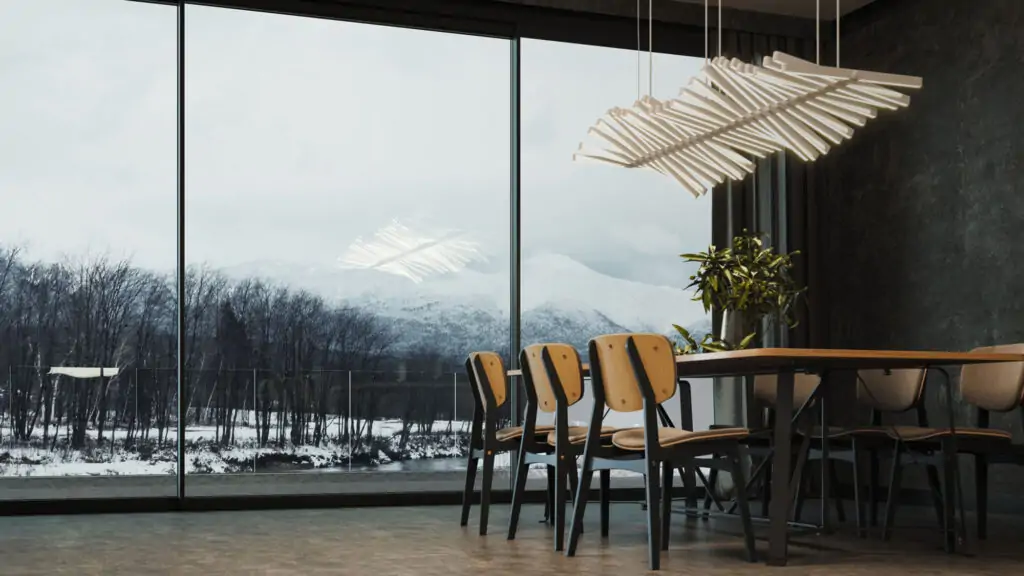
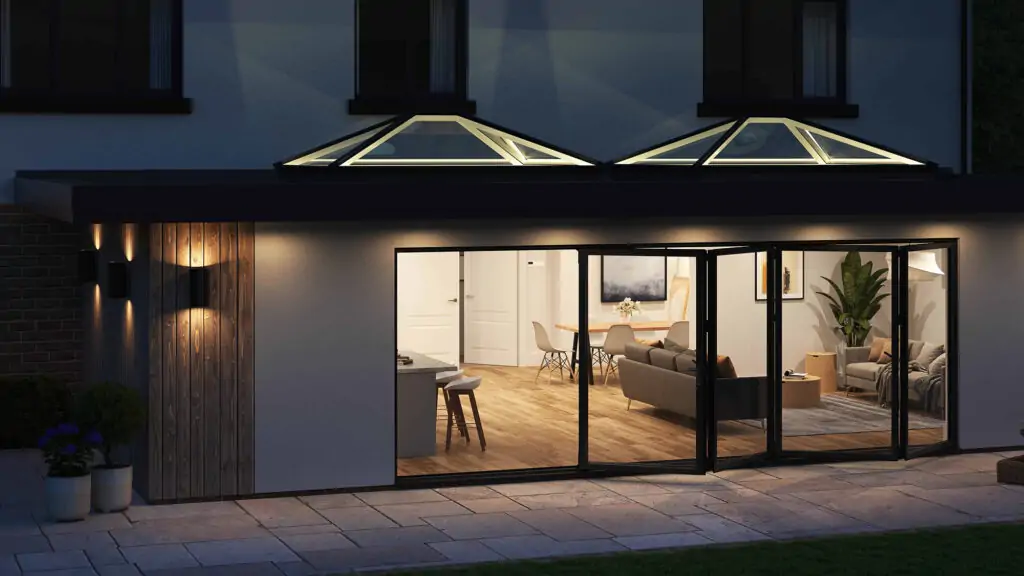
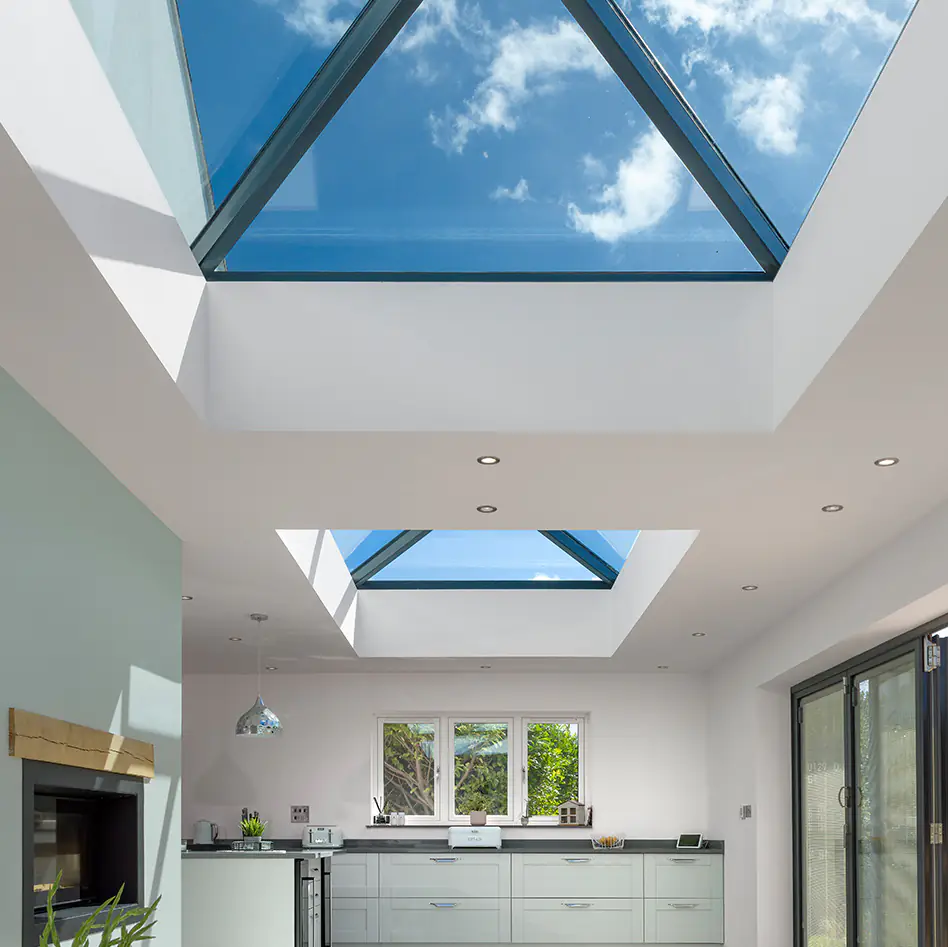
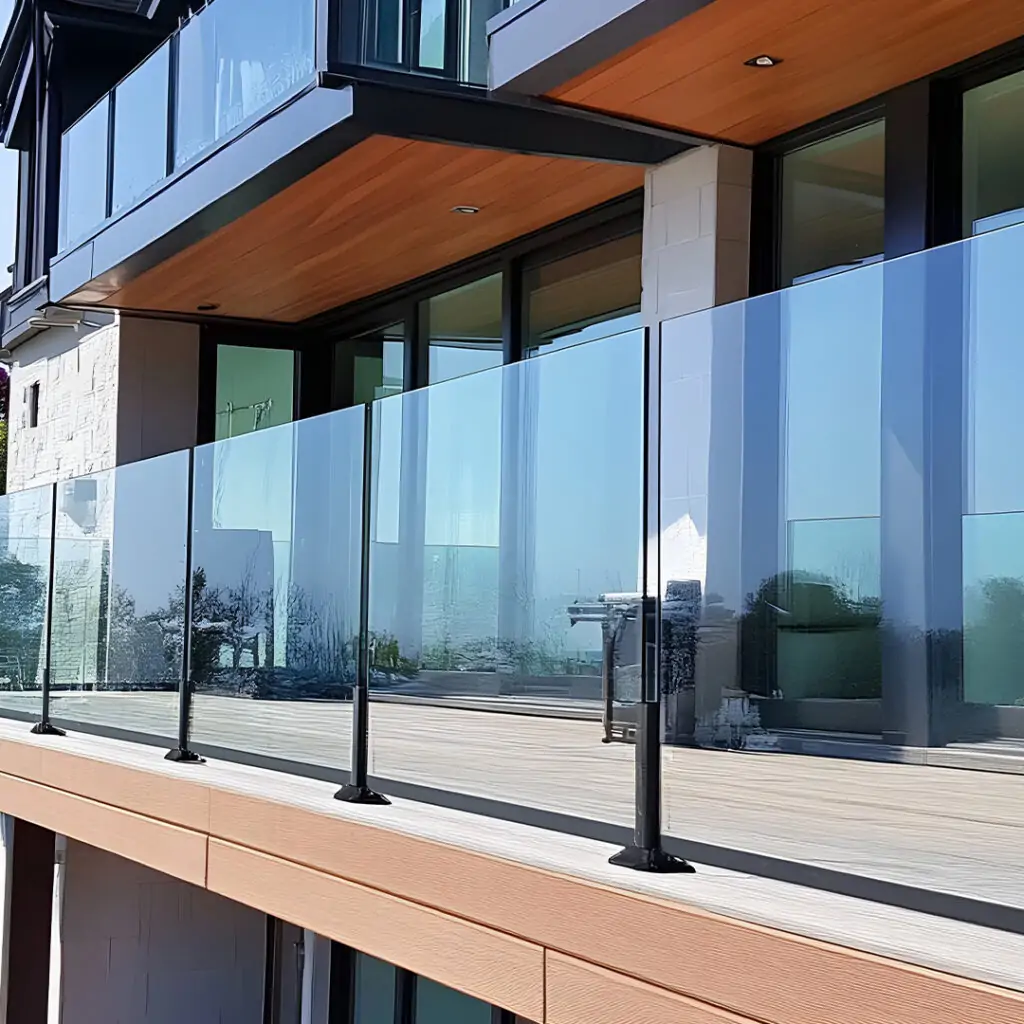
A well-planned extension can transform how your home feels, but the wrong glazing choice can hold the whole project back. When you are comparing materials, layouts and budgets, uPVC windows for extensions often stand out for one simple reason – they give you strong thermal performance, clean sightlines and dependable value without making specification overly complicated.
For many homeowners, that balance is exactly what matters. You want more daylight, better comfort through the seasons and a finish that suits the rest of the property. For builders and installers, you need a product that is straightforward to specify, cost-effective to source and reliable on site. uPVC can tick all of those boxes, provided you choose the right style, glazing and configuration for the extension itself.
Why uPVC windows for extensions are such a popular choice
Extensions ask a lot from your glazing. They need to bring in natural light, support energy efficiency and tie the new space into the existing home. At the same time, they often have to work within a realistic budget, especially when the project also includes doors, roof glazing, flooring and structural changes.
That is where uPVC performs well. It offers very good thermal insulation, low maintenance and a price point that suits a wide range of projects. Modern frames are a long way from the bulky, basic options people may remember from older installations. Better profiles, improved colour choices and stronger glazing specifications mean uPVC windows can now suit contemporary kitchen extensions, side returns, garden rooms and more traditional rear additions.
There are trade-offs, of course. If your priority is the slimmest possible frame or a very specific architectural look, aluminium may be the better fit. But for many extension projects, uPVC gives you the right blend of performance, appearance and value.
Getting the design right from the start
The best windows for an extension are not just the ones that look good in isolation. They need to work with the shape of the room, the direction of light and the way the space will be used every day.
In a kitchen diner extension, for example, larger fixed panes can help maximise daylight over worktops and dining areas. If the extension faces south or west, solar gain may become part of the conversation too. More glass can brighten the room, but it can also increase glare and overheating if the specification is too basic. In that case, glazing performance matters just as much as frame material.
For side return extensions, where the footprint is narrower, window placement becomes more strategic. A run of carefully sized uPVC windows can lift the centre of the room without crowding wall space needed for storage or furniture. In garden rooms and home offices, ventilation might be a bigger priority, so opening styles need more attention.
This is why there is rarely one perfect answer. The right option depends on the extension layout, the desired finish and how much flexibility you want in the budget.
Matching old and new
One of the biggest concerns with extension glazing is making sure the new part of the property does not feel visually disconnected from the original house. White uPVC remains a popular choice because it is clean, versatile and cost-effective, but anthracite grey, black and woodgrain finishes can create a more tailored result.
If the existing house already has uPVC windows, matching the new extension can keep the overall look consistent. If the original property has timber-style detailing or a more traditional character, a flush sash look or heritage-inspired finish may be more appropriate. The goal is not always exact replication. Often, it is about making the transition feel considered rather than accidental.
Performance matters more than the frame alone
When people talk about windows, they often focus on the frame material first. That is understandable, but the overall performance of uPVC windows for extensions depends on more than uPVC alone.
The glazing specification plays a major part in comfort and efficiency. Double glazing is standard for many projects, but not all double glazing performs equally. The cavity, petrol fill, spacer bar and glass coating all affect thermal results. If the extension includes a lot of glass or sits in a particularly exposed location, higher-performing units can make a noticeable difference.
Acoustic performance may matter too. If the extension backs onto a busy road, railway or school route, upgraded glazing can help reduce outside noise. Security should also be considered early, especially for ground-floor side and rear openings. Multi-point locking, strong hardware and tested frame systems all contribute to peace of mind.
Ventilation and everyday comfort
A bright extension only feels successful if it is comfortable to use. That means thinking beyond daylight and towards airflow. Opening casements, top-hung vents and carefully placed side windows can all help reduce condensation and maintain fresh air.
This is particularly important in kitchen extensions, where cooking moisture builds quickly, and in garden rooms that may become warm in summer. If the extension also includes bifold or sliding doors, the windows should work alongside them rather than duplicate the same function. Sometimes one or two well-positioned opening windows are enough. Sometimes the room needs more active ventilation support.
Style options that suit different extensions
There is no single window style that works for every extension. Fixed frame windows are popular where the aim is to maximise glass area and frame sightlines. Casement windows remain one of the most practical choices because they are versatile, easy to operate and suitable for a wide range of property styles.
Flush casement options are often chosen when the design leans more traditional or when homeowners want a neater, more refined exterior appearance. For modern extensions, larger panes with fewer interruptions usually create the strongest result. In more classic settings, symmetry and proportion matter more than sheer size.
It is also worth considering how windows relate to any doors and roof glazing in the scheme. An extension feels more premium when the different glazed elements belong to the same visual language. Matching colour, profile style and glazing bar detail can make a real difference.
Budget, value and where uPVC makes sense
Most extension projects have competing priorities. You may want larger doors, a roof lantern and upgraded finishes, all while keeping the overall spend under control. uPVC often helps create room in the budget without compromising the essentials.
That does not mean choosing the cheapest option available. A low-cost window that underperforms, looks out of place or proves awkward to install is not good value. The stronger approach is to choose a well-made uPVC system with the right specification for the project. That way, you protect the extension’s long-term comfort and appearance while still benefiting from the material’s cost advantages.
For trade buyers, that value equation is equally important. Products need to be dependable, easy to order correctly and supported with clear technical information. Delays and specification mistakes can quickly erode any saving made upfront.
Common mistakes to avoid
One of the most common errors is choosing window sizes and opening styles too late in the build. By that stage, structural openings may already limit the best options. Early planning gives you more control over sightlines, ventilation and furniture layout.
Another mistake is focusing purely on aesthetics. A slim, dark frame may look impressive on a mood board, but if the room overheats or lacks ventilation, the daily experience will suffer. Equally, selecting windows on cost alone can lead to underwhelming results if the finish, hardware or glass specification is too basic.
It is also worth avoiding a mismatch between extension windows and the rest of the glazing package. If the extension includes premium doors or roof glazing, the windows should not feel like an afterthought.
Choosing with confidence
If you are specifying uPVC windows for an extension, the strongest starting point is clarity. Know what the room needs to do, how much light you want, how important ventilation is and what finish will suit the property. From there, it becomes much easier to compare options properly.
For homeowners, that means asking practical questions rather than getting lost in jargon. For trade professionals, it means selecting systems that combine performance, value and straightforward supply. At Horizon Windows and Doors, that practical approach matters because premium glazing should feel accessible, not difficult.
A good extension should brighten your home, improve comfort and add lasting value. The right uPVC windows help make that happen – not by trying to do everything, but by doing the important things well.