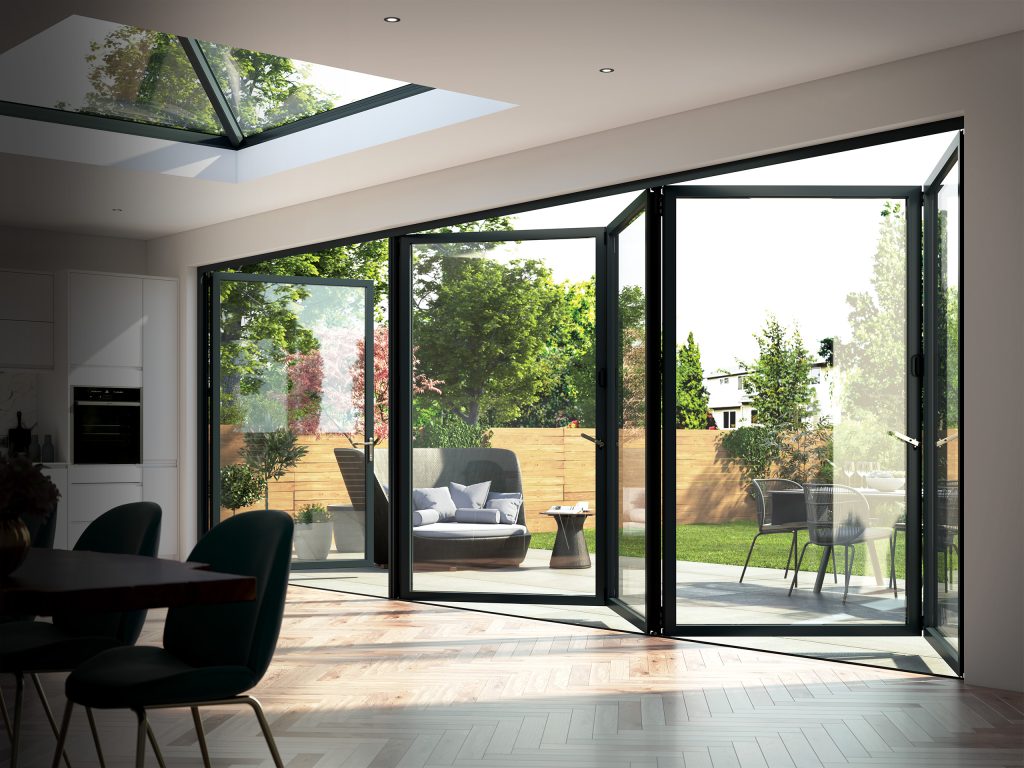

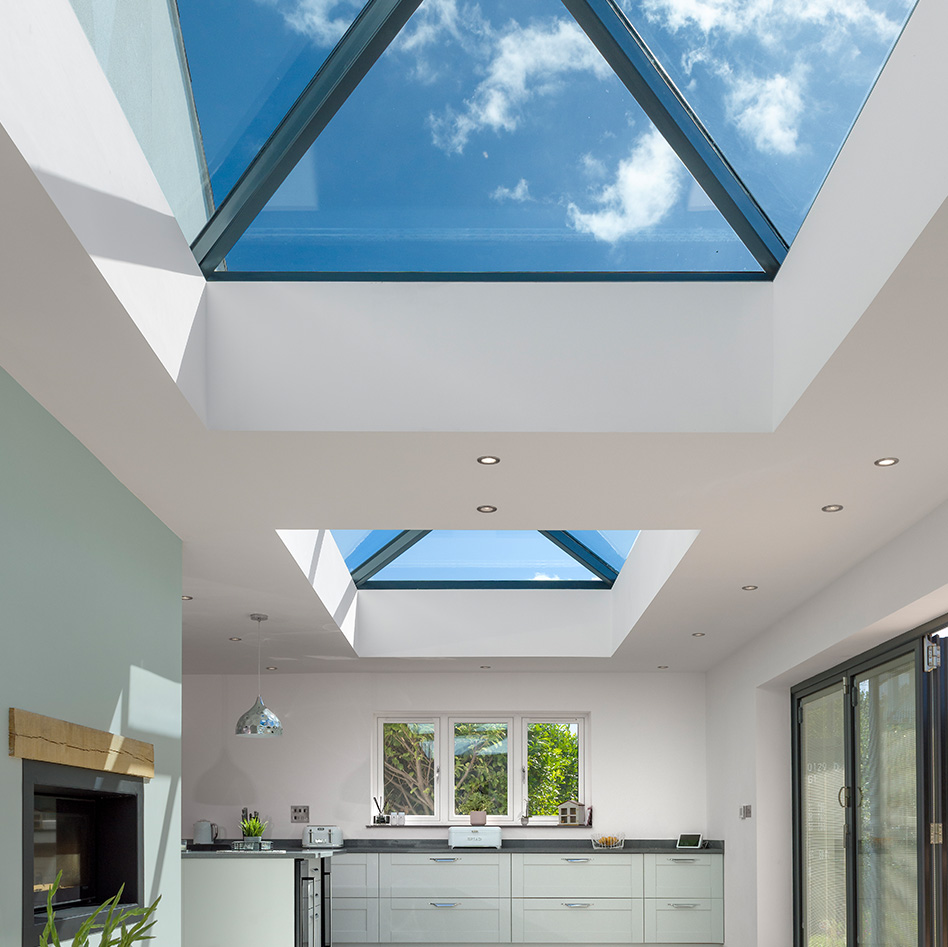
A flat rooflight can completely change a room – but only if you buy the right one. Get the specification wrong and you may end up with too much solar gain, awkward structural work, or a rooflight that looks out of proportion with the space. This flat rooflight buying guide is designed to help you choose with confidence, whether you are planning a kitchen extension, updating a garden room or specifying products for a client project.
What matters most when buying a flat rooflight
Most buyers start with size and price. Both matter, but they should not be the only deciding factors. A rooflight needs to work visually, perform well in British weather and suit the roof build-up beneath it.
The right product should maximise light and space without creating problems later. That means thinking about glazing performance, frame design, installation requirements, building regulations and how the room will actually be used day to day.
If you are a homeowner, the goal is usually simple – brighten your home and create a cleaner, more open feel. If you are in the trade, the focus may also include lead times, technical documents, ease of fitting and dependable aftersales support. Good buying decisions balance all of these points rather than chasing the cheapest unit on paper.
Flat rooflight buying guide: start with the room
Before comparing product ranges, look at the room itself. A flat rooflight over a rear extension has different demands from one over a hallway, utility or orangery-style space.
In a kitchen-diner, large panes of glass can be a strong design feature and help pull daylight deep into the layout. In a bedroom or snug, however, very high light levels may not always be welcome, especially in summer or early mornings. In spaces with lots of glazing already, the best answer may be a modest rooflight that improves balance rather than one oversized unit.
Orientation matters too. A south-facing rooflight can bring in excellent natural light, but it may also increase solar gain. A north-facing option tends to deliver softer, more even light. East and west-facing rooflights sit somewhere in between, so the glazing specification becomes particularly important.
Fixed or opening – which is right?
Most flat rooflights are fixed, and for many projects that is exactly what is needed. They are visually clean, straightforward to specify and often more cost-effective. If your main aim is bringing in daylight from above, a fixed rooflight usually does the job well.
Opening rooflights add ventilation, which can be useful in kitchens, bathrooms and rooms where heat builds up. They can be manual or electric, depending on access and budget. The trade-off is that opening units are generally more expensive and involve more moving parts, so they need careful specification.
If ventilation is already well covered through doors, windows or mechanical extraction, a fixed rooflight may be the simpler and stronger choice. If fresh air is part of the brief, an opening option may justify the extra spend.
Getting the size right
This is where many buying decisions go off track. Bigger is not always better. An oversized rooflight can dominate the ceiling, affect privacy and create more glare than expected. A rooflight that is too small, on the other hand, may look mean and fail to deliver the impact you wanted.
The best size depends on the proportions of the room, ceiling height, roof structure and the amount of vertical glazing already in place. In open-plan extensions, wider rooflights are often used to align with island units, dining areas or circulation zones, which helps the design feel intentional rather than random.
There is also the practical side. Structural openings must suit the product, and installers need to account for kerb dimensions, upstands and the finished roof build-up. For trade buyers especially, checking the technical details early avoids expensive changes on site.
Why glazing specification matters more than many buyers expect
Glass performance is not just a technical detail – it has a direct effect on comfort. A well-specified flat rooflight should help keep warmth in during colder months while reducing the risk of overheating when the sun is strong.
Double glazing is common, but triple glazing may be worth considering where thermal performance is a priority. This can be especially relevant in highly insulated extensions, garden rooms used year-round or projects aiming for stronger energy efficiency standards. The trade-off is cost and, in some cases, additional weight.
Solar control glass can also make a real difference. If a rooflight sits in direct sun for much of the day, this option may improve comfort noticeably. Clear glazing often gives the crispest appearance, but performance should come first if the room is likely to become too warm.
Safety glass is another essential point. Rooflights are overhead glazing products, so the specification needs to meet the correct standards. This is not an area to cut corners.
Frame design and sightlines
One reason flat rooflights are so popular is their clean, architectural look. Slim internal sightlines can make the glass feel almost frameless from below, which suits modern extensions particularly well.
That said, visual minimalism should still be backed by solid construction. A rooflight frame needs to manage drainage, weatherproofing and long-term durability as well as appearance. Premium systems usually justify their price through better detailing, stronger thermal performance and a more refined finish.
Colour and frame finish also deserve some thought. Many buyers choose contemporary tones because they pair well with aluminium windows, sliding doors and bifolds. The key is to make sure the rooflight complements the rest of the glazed scheme rather than looking like a separate add-on.
Installation, kerbs and roof build-up
A quality product can still disappoint if the installation setup is wrong. Flat rooflights are typically fitted to an upstand or kerb, and the correct height, pitch and weathering details all matter.
Some units are designed for straightforward fitting, while others need more involved preparation. If you are buying for a self-build or renovation, it is worth confirming early who is responsible for the builder’s kerb, waterproofing and final fit. Assumptions between trades can lead to delays.
For installers and contractors, clear technical documentation is a major benefit. Accurate dimensions, loading information and fitting guidance help avoid site issues and make programme planning easier. This is one area where buying from a specialist supplier can save time as well as money.
Building regulations and compliance
A flat rooflight buying guide would be incomplete without mentioning compliance. Rooflights need to meet relevant building regulation requirements, including parts relating to thermal performance, safety glazing and, depending on the project, ventilation or means of escape.
The exact requirements vary with the application. A new extension may have different expectations from a replacement rooflight in an existing structure. Listed properties and conservation-sensitive projects can add another layer of consideration too.
This is why product paperwork matters. Having access to specification details and technical support makes the buying process much easier, particularly when builders, architects or building control need clear answers.
Price, value and where to spend wisely
It is tempting to compare flat rooflights on headline price alone, but value is the better measure. A cheaper unit may cost more in the long run if it is harder to install, performs poorly or lacks the finish expected in a premium living space.
Spend should usually be prioritised on glazing performance, frame quality and dependable manufacturing. Those factors affect comfort, appearance and longevity. Bespoke sizing may add cost, but it can also deliver a much neater end result than trying to force a standard size into the design.
For trade projects, value also comes from service. Reliable lead times, responsive support and access to brand options all help keep jobs moving. For homeowners, reassurance often matters just as much – especially when the rooflight is part of a wider investment in the home.
Choosing the right supplier
The product itself is only part of the purchase. A good supplier should make specification feel straightforward, not confusing. That means clear product information, realistic pricing, technical documents you can actually use and support that reflects how these products are fitted in real homes.
If you are comparing brands, look for a supplier that offers recognised manufacturers alongside well-specified in-house options. That gives you room to balance budget, aesthetics and performance without narrowing your choices too early. Horizon Windows and Doors takes this approach because different projects need different answers.
Final thought
The best flat rooflight is not simply the largest, slimmest or lowest-priced option. It is the one that suits the room, the roof and the way the space will be lived in. Take a little extra time over the specification now, and you are far more likely to end up with a result that brings in light, improves comfort and feels right every time you look up.