
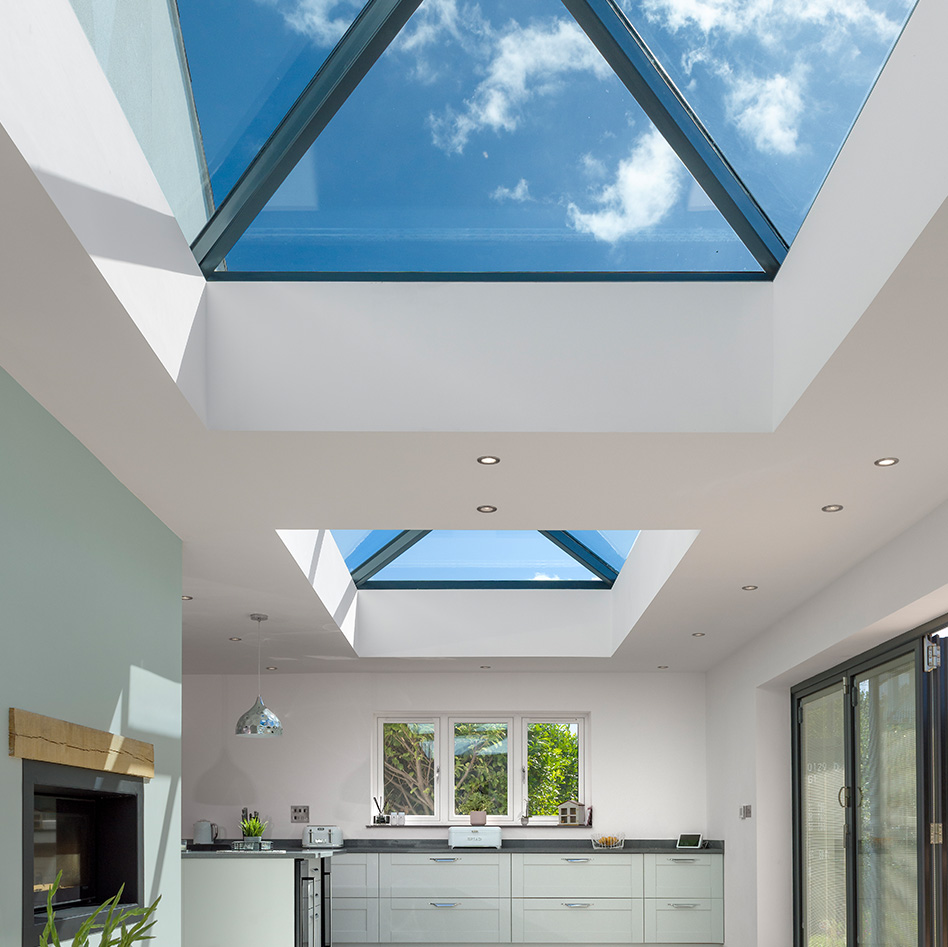
The quickest way to make a new loft feel like a real room rather than an upgraded attic is to get the daylight right. That is why roof windows for loft conversion projects matter so much. They do far more than bring in light – they shape how spacious the room feels, how comfortable it is through the seasons, and how practical the layout becomes once furniture, storage and head height are taken into account.
For many UK homeowners, roof windows are also the most straightforward route to transforming unused roof space. They can often avoid the scale, cost and structural complexity of a dormer-led design, while still creating a bright, usable bedroom, office or guest room. For builders and installers, they remain one of the most efficient ways to add value and performance without overcomplicating the specification.
Why roof windows work so well in loft conversions
A loft conversion has natural constraints. The roof slope affects standing height, the footprint is rarely symmetrical, and wall space can be limited. Roof windows work with those restrictions rather than against them. Set into the pitch of the roof, they bring daylight deeper into the room than a standard vertical window usually can, which is particularly useful in long or narrow lofts.
There is also a design advantage. A well-positioned roof window can make a modest loft feel open, balanced and clean-lined. If the property already has an attractive roof form, keeping the external appearance relatively simple can be a smart choice. That is often appealing in conservation-minded areas or on homes where a bulky dormer would look out of place.
That said, the right option depends on the brief. If maximum headroom and floor space are the priority, a dormer may still play a role. But if the aim is to maximise light and space while keeping the project efficient, roof windows are often the strongest starting point.
Choosing roof windows for loft conversion layouts
The best specification starts with how the room will actually be used. A loft bedroom needs a different window arrangement from a home office or en suite. In a bedroom, you may want lower-positioned windows to improve views when seated or lying down, while still maintaining privacy. In a workspace, balanced daylight and controllable ventilation tend to matter more than outlook alone.
Placement is just as important as product choice. Two smaller windows spaced evenly can sometimes perform better than one oversized unit, especially if the room has awkward roof geometry. They distribute light more consistently and can create a neater internal finish between rafters. On the other hand, a large roof window can make a striking design statement and may be ideal where the loft has generous proportions.
Pitch matters too. Roof windows are designed to operate within specific roof pitch ranges, so it is worth checking the manufacturer guidance early. Get this wrong and you can affect drainage, weather performance and long-term reliability.
Centre pivot, top hung or conservation style?
Operation style changes the day-to-day experience of the room. Centre pivot roof windows are popular because they are practical, easy to use and often cost-effective. They suit many loft conversions, particularly where the window is positioned slightly higher in the roof slope.
Top hung options can be a better choice when you want a clearer outward view and more headroom near the opening. They are often preferred in loft rooms where the window sits lower and the user will be standing close to it. For some period properties, conservation-style roof windows offer a more sympathetic external look, helping preserve character while still delivering modern thermal performance.
There is no universal best option here. It depends on window height, room use, roof pitch and the look you want to achieve.
Size, light and proportion
It is easy to assume bigger is always better, but that is not quite how loft conversions work. A very large roof window can flood a room with daylight, which sounds ideal until solar gain becomes an issue in summer or glare affects how the room is used. In south-facing lofts especially, glazing choice and window size need to be considered together.
Proportion usually gives the best result. The window should feel in scale with the roof slope and the room below it. A compact loft with one carefully chosen roof window can feel calm and considered. A larger open-plan loft may benefit from a pair or a bank of windows to avoid darker zones.
From a practical point of view, rafter spacing can influence available sizes and installation complexity. Standard dimensions may reduce trimming work and help keep labour efficient, which is often useful on cost-sensitive projects.
Glazing and thermal performance
A loft sits directly under the roof, so comfort depends heavily on insulation and glazing quality. This is where it pays to avoid choosing on price alone. Good roof windows should support thermal efficiency, limit unwanted heat loss in winter and help manage overheating in warmer months.
Double glazing is standard for most residential loft conversions, but the finer details matter. Low-emissivity coatings, gas-filled units and quality seals all contribute to better performance. Depending on the property and the specification target, tougher glazing, laminated inner panes or enhanced acoustic glazing may also be worth considering.
Noise control can be overlooked in urban areas or under flight paths. In a loft bedroom, that can become a problem very quickly if the glazing is not up to the job. Likewise, solar control glass may be a sensible upgrade in lofts with broad south- or west-facing roof slopes.
For homeowners balancing comfort with value, the strongest choice is usually a well-made roof window from a proven manufacturer, specified to suit orientation and room use rather than simply selected as the cheapest available product.
Ventilation, access and everyday comfort
Fresh air matters in loft rooms because warm air naturally rises. Without effective ventilation, a beautiful new space can feel stuffy. Opening roof windows are one of the simplest ways to improve airflow, especially when paired with windows elsewhere in the property to encourage cross ventilation.
Manual opening works well in many homes, but access needs thought. If the window will be installed high above finished floor level, electric or solar-powered operation may be more practical. That is particularly useful in loft bathrooms or rooms with vaulted ceilings where daily manual use becomes awkward.
Moisture is another factor. If the loft includes an en suite, ventilation should be planned carefully to manage condensation. Roof windows can help, but they are part of the wider strategy rather than the whole answer.
Building regulations and escape requirements
Not every loft conversion needs the same window specification, and building regulations are a key part of the decision. In some cases, a roof window may need to satisfy means of escape requirements if the loft is being used as a habitable room. That affects opening size, positioning and accessibility.
Fire safety, thermal performance and ventilation standards all need to be considered as part of the wider conversion design. This is one reason why early product selection helps. It gives the builder, architect or homeowner a clearer route through specification rather than trying to retrofit compliance later.
For trade buyers, readily available technical documents can save time and reduce back-and-forth during approval and installation. For homeowners, expert support makes the process feel much more manageable.
Style matters, but so does finish quality
Internally, roof windows become a visible part of the room design. White polyurethane finishes can work well in bathrooms or clean contemporary schemes, while natural pine often suits warmer, more traditional interiors. Externally, flashing and profile details should complement the roof covering rather than fighting against it.
This is also where brand quality starts to show. A well-engineered roof window should feel solid in operation, close cleanly and perform reliably over time. Cheap units can look acceptable on day one but become harder to justify once draughts, stiffness or poor finish quality appear.
A supplier with a strong product range across recognised names such as FAKRO, alongside practical buying support, can make it easier to match style, performance and budget without guesswork. That is especially valuable when the project needs bespoke thinking rather than a one-size-fits-all answer.
What buyers often get wrong
The most common mistake is treating roof windows as a finishing touch rather than a central design decision. By the time the staircase, insulation, storage and room layout are fixed, there may be fewer good window positions left. The result can be a loft that technically works but never feels as bright or comfortable as it should.
Another issue is underestimating solar gain. A loft with plenty of glass can be excellent for natural light but uncomfortable in peak summer if glazing and blinds are not considered early. Budget can also be misjudged. Saving a little on the window itself can cost more in performance, appearance and installation quality later on.
The best results usually come from asking a few practical questions upfront. How will the room be used every day? Where will the light fall? Who needs to open the window? What does the roof pitch allow? Once those answers are clear, the right roof window choice becomes much easier.
A loft conversion should feel like a natural extension of the home, not a compromise tucked under the eaves. Choose the roof windows carefully and the whole space starts to work harder – brighter, calmer and far more enjoyable to live in.