A dated back door can make even a well-finished extension feel like a missed opportunity. When homeowners ask, do sliding doors add value, they are usually thinking about resale price – but that is only part of the picture. The real answer sits somewhere between market value, buyer appeal and how much better the space works day to day.
In many UK homes, sliding doors can add value when they are well specified, properly installed and suited to the property. They tend to perform especially well in rear extensions, kitchen diners, garden rooms and contemporary renovations where light, views and space matter. But they are not an automatic win in every project, and poor choices can limit the return.
Do sliding doors add value in the UK market?
Yes, often they do – but usually because they improve the overall offer of the home rather than because buyers place a standalone premium on the doors themselves. A strong sliding door system can make a room feel brighter, wider and more connected to the garden. That emotional reaction matters when someone views a property.
Buyers rarely say they will pay a specific extra sum for sliding doors alone. What happens instead is that the home feels more modern, more usable and more finished. In competitive local markets, that can support a stronger asking price or help a sale happen faster.
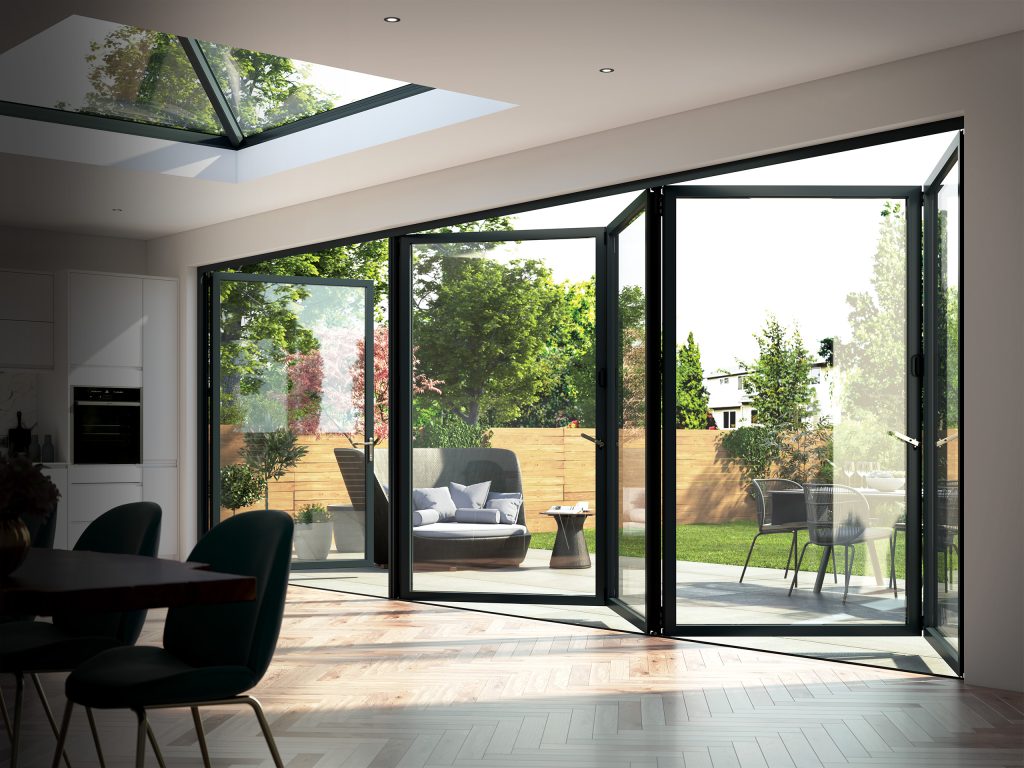
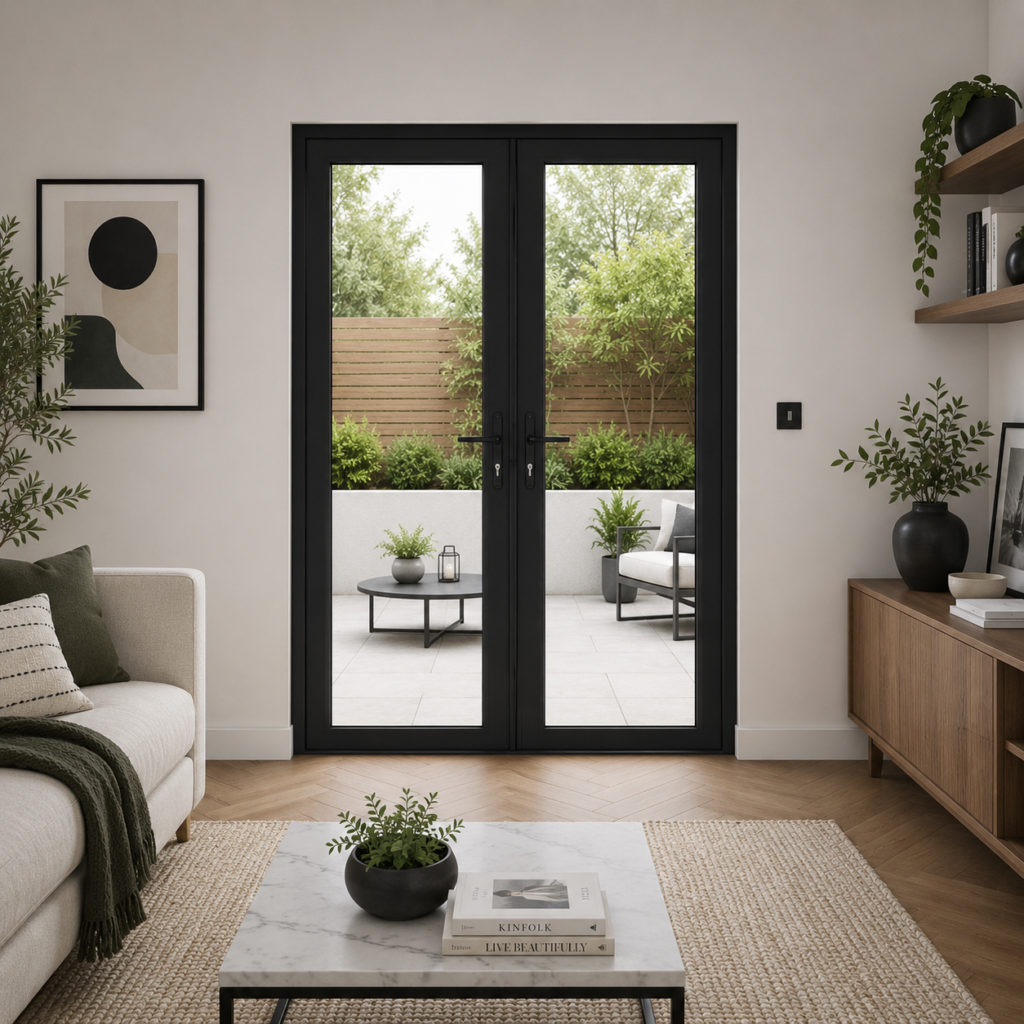
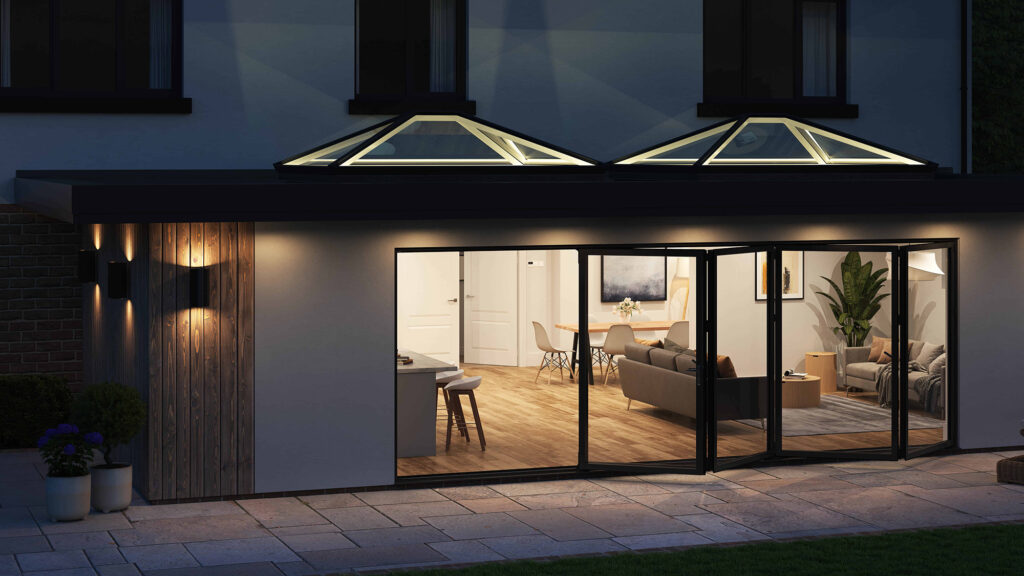
This is particularly true where the opening replaces older French doors or small glazed units. A broad run of glass with slimmer frames changes the feel of the room immediately. It can make a standard extension look higher end, and in open-plan spaces that visual impact often carries real commercial value.
Why sliding doors appeal to buyers
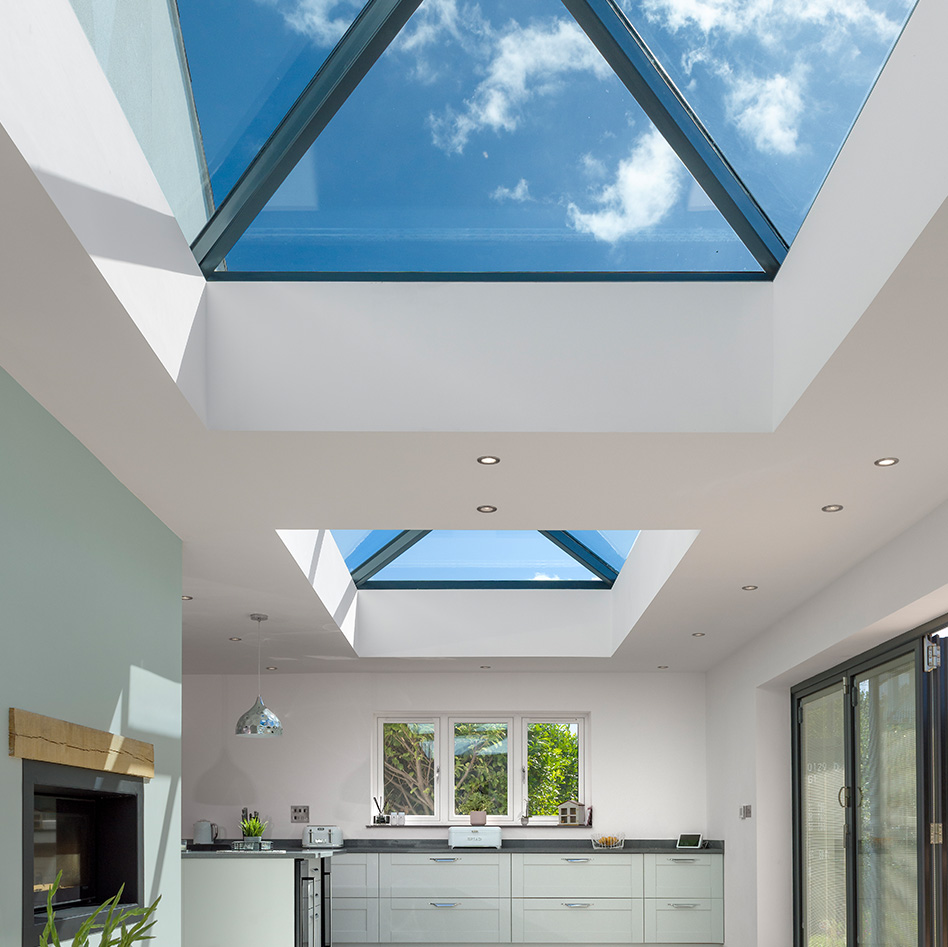
The biggest driver is natural light. Large glazed panels pull more daylight into the main living area, which makes the whole rear of the property feel more inviting. In estate agent photos, that brightness shows well. In person, it helps rooms feel cleaner, newer and more spacious.
There is also the practical appeal of how sliding doors operate. Because the panels move within their own frame, they do not need the swing space of hinged doors or the stacking area of bifolds. That can be a real advantage in tighter rooms, smaller patios or family homes where furniture layout matters.
For many buyers, the attraction is simple: better views, easier garden access and a cleaner contemporary look. If the rest of the property has been upgraded to match, sliding doors can strengthen the sense that the home has been thoughtfully improved rather than patched together.
Where sliding doors tend to add the most value
Not every opening delivers the same return. Sliding doors are most effective where they solve a design problem or elevate a key living space.
A rear extension is the clearest example. If you have invested in a kitchen extension but kept a modest set of doors, the room can feel undersized despite the extra square footage. Wider sliding doors help the extension earn its keep by making the garden-facing wall a feature.
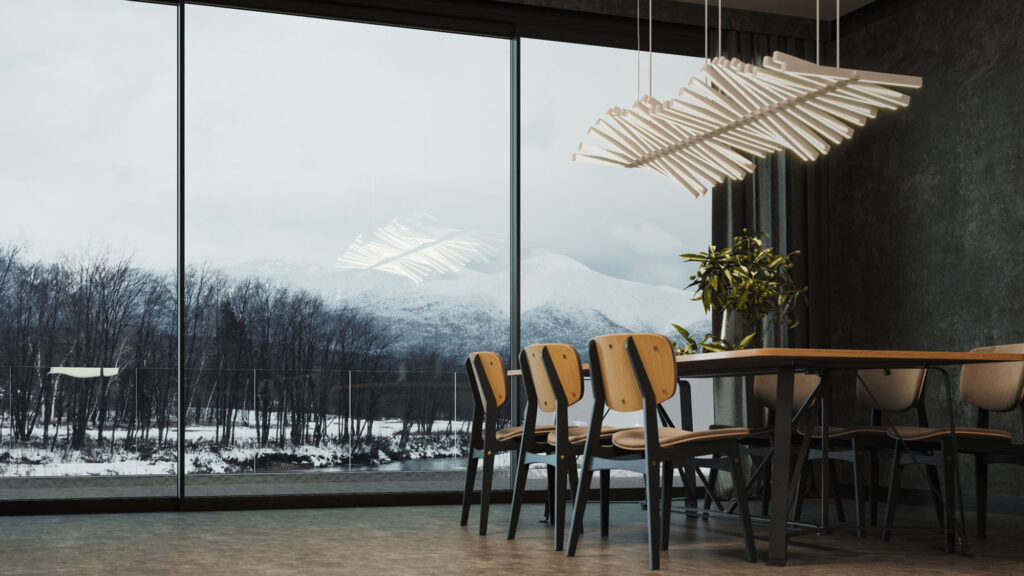
They can also work well in garden rooms and side returns, where preserving usable internal floor area is important. In homes with strong views over a garden, countryside setting or landscaped patio, larger panes and slimmer sightlines become even more valuable. Buyers notice when the glazing has been chosen to maximise the outlook rather than simply fill an opening.
For developers and trade professionals, sliding doors also make sense on plots where a premium finish helps position the property more competitively. A well-specified aluminium system can lift the presentation of new-build and renovation projects without overwhelming the design.
The features that influence value most
If your goal is to add value, specification matters as much as the decision to install sliding doors in the first place. Cheap-looking doors with bulky frames, poor operation or weak thermal performance can undermine the result.
Frame material is one of the first things buyers notice, even if they could not name it. Aluminium sliding doors tend to have a stronger premium feel because they offer slimmer sightlines, solid durability and a sharper architectural finish. uPVC can still be a practical option, particularly on tighter budgets, but it usually creates a different visual impression.
Glass and thermal performance are just as important. Buyers are more aware than ever of heat loss, running costs and comfort. Doors that meet modern expectations for insulation, weather performance and security are far easier to justify in value terms than oversized glazing that looks good but performs poorly.
Configuration matters too. Two-panel, three-panel and lift-and-slide options each suit different openings and budgets. The best choice is the one that fits the scale of the room, the traffic pattern and the overall style of the home. A bespoke setup usually feels more convincing than a standard unit forced into an ambitious opening.
Sliding doors vs bifold doors for property value
This is where the conversation often becomes more nuanced. Bifolds are still popular, but they are not always the better option for value.
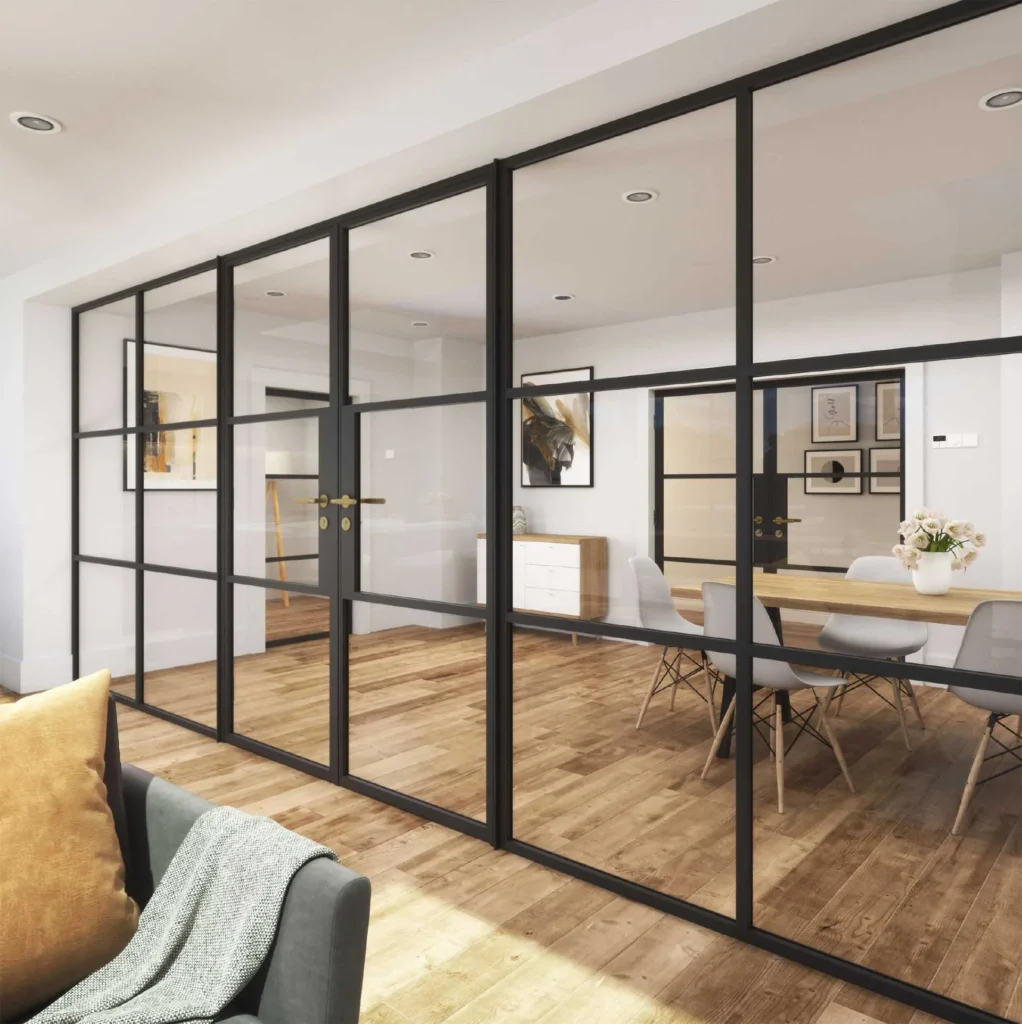
Sliding doors usually win on uninterrupted glass and cleaner sightlines. Closed, they frame the garden better and often let in more light because there are fewer vertical sections. That can create a more premium feel from inside the property, especially in contemporary spaces.
Bifolds, on the other hand, open more fully and are attractive for people who want the entire opening clear in summer. For entertaining and indoor-outdoor living, that flexibility can be a big plus. But they also have more visible frame lines and require space for the panels to stack.
If resale appeal is the priority, the right choice depends on the room and the buyer profile. For many modern family homes, sliding doors offer a broader appeal because they are sleek, practical and easy to live with all year round. In a lifestyle-led extension where opening the whole rear wall is the main feature, bifolds may still carry stronger emotional impact.
When sliding doors might not add much value
There are cases where the uplift is limited. If the rest of the property feels tired, adding premium doors alone may not shift the overall impression enough to affect value meaningfully. Buyers will still notice outdated kitchens, poor finishes or weak kerb appeal.
There is also the question of price point. On lower-value homes, a very high-end glazing package may improve saleability more than it improves valuation. That does not make it a bad decision, but it changes the return. You may gain lifestyle benefits and stronger buyer interest without recovering every pound spent.
Design mismatch can also hold back value. Ultra-modern sliding doors on a property with a more traditional character need careful handling. They can work brilliantly in the right extension, but only if the transition between old and new feels deliberate.
Installation quality is another major factor. A premium system fitted badly will never feel premium. Stiff operation, poor thresholds, draughts or weak finishing around the opening can quickly turn a selling point into a snag.
How to maximise the value of sliding doors
The best approach is to think beyond the frame itself. Sliding doors add the most value when they are part of a wider improvement to the space – better flooring, stronger garden access, cleaner internal layouts and a more coherent relationship between inside and out.
Choose proportions carefully. Bigger is not always better if it compromises practicality or budget. What matters is a balanced opening with good sightlines and enough glass to make a visible difference.
Focus on performance as well as appearance. Secure locking, strong U-values, durable finishes and reliable running gear all support long-term value. Buyers may not ask for technical figures on a viewing, but they do respond to doors that feel substantial and glide properly.
It also helps to work with a supplier that offers configuration choice, technical guidance and products that match the ambition of the project. That is especially relevant for homeowners weighing up bespoke options and for trade buyers who need confidence in specification, lead times and support.
So, do sliding doors add value?
In the right home, yes. Sliding doors can add value by improving light, layout, visual appeal and the quality of everyday living. They are most effective when they suit the architecture, perform well and make a noticeable difference to one of the home’s key spaces.
The strongest returns usually come when the doors are treated as part of a well-planned upgrade rather than a quick cosmetic change. If your aim is to open up your home, brighten the space and make the garden-facing side work harder, sliding doors are often a very smart investment. The value is not only in what a future buyer sees on viewing day, but in how much better the room feels every single day before that.