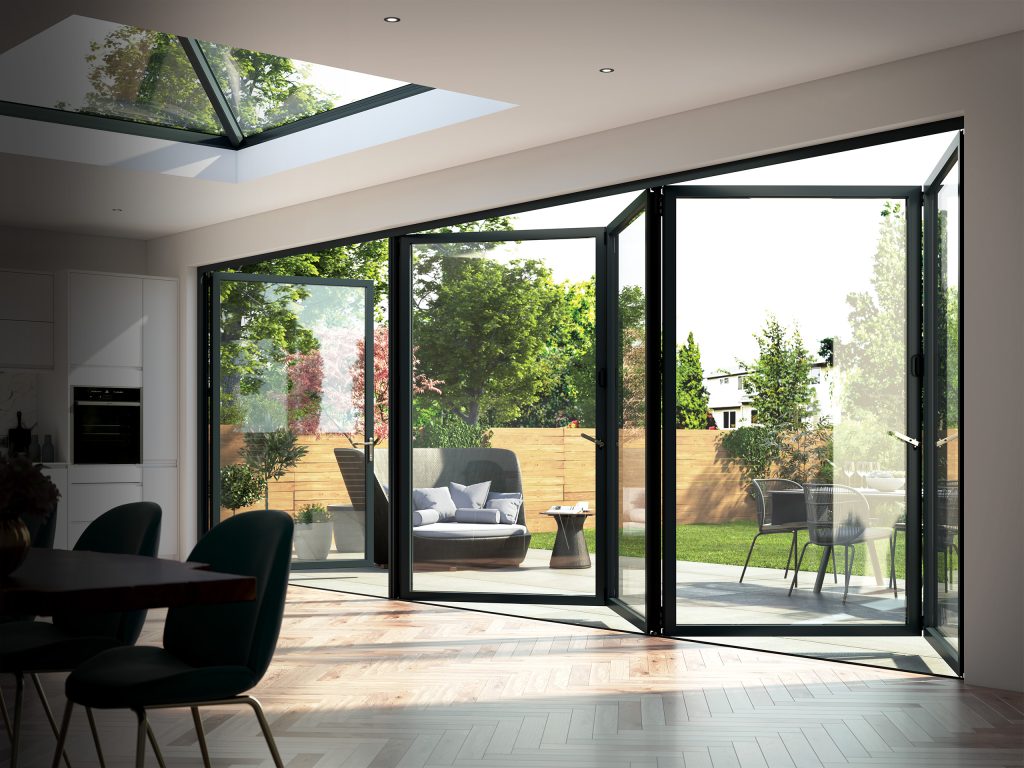
A rooflight can completely change how a room feels – but only if you choose the right one. If you want to learn about rooflights properly, it helps to look beyond the headline benefit of extra daylight and focus on how the product will perform in your home, your build and your budget.
For many UK homeowners, rooflights come into the conversation at the same point: a rear extension feels flat, a kitchen-diner needs more natural light, or a garden room looks good on plan but a little boxed in once built. For trade buyers, the challenge is slightly different. It is about specifying a system that looks right, meets performance targets and arrives without turning the programme into a headache. In both cases, the best result comes from understanding what you are buying before you commit.
Why learn about rooflights before making a choice?
Rooflights are often treated as a finishing touch, yet they influence much more than appearance. The right rooflight can brighten a darker footprint, improve the sense of height, and make an open-plan space feel larger and more connected to the outside. The wrong one can create glare, overheating, awkward detailing or a look that never quite fits the rest of the property.
That is why specification matters. Frame style, glass type, upstand requirements, opening options and overall size all affect the finished result. A modern flat roof extension with slim aluminium framing usually calls for a very different solution from a loft conversion or pitched roof project. There is no single best rooflight – only the one that suits the room, roof structure and end use.
Learn about rooflights by starting with the main types
Most buyers begin by comparing the broad categories. That is sensible, because the type of rooflight you choose shapes everything that follows.
Flat rooflights
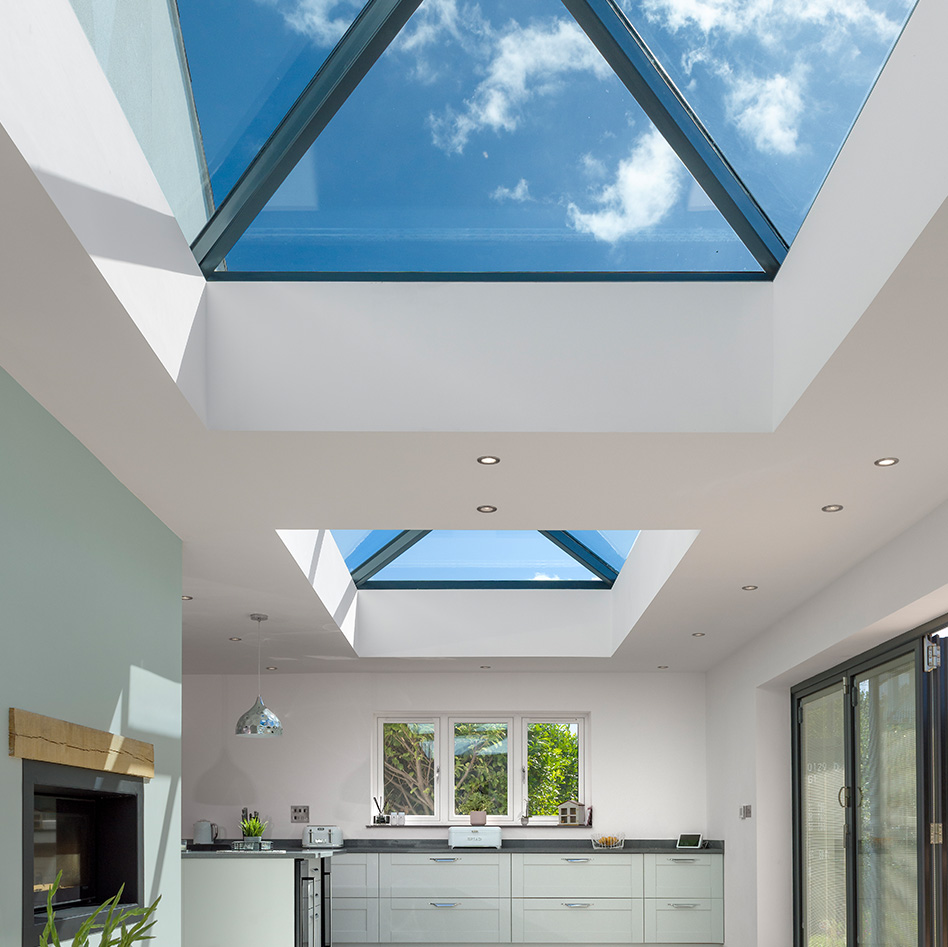
Flat rooflights are designed for flat or low-pitch roofs and are one of the most popular options for extensions. They tend to suit contemporary projects particularly well, especially where clean sightlines and large glazed areas are the priority. Fixed flat rooflights are ideal when the main goal is daylight and design impact, while opening versions add ventilation where needed.
The appeal is obvious. They can bring strong top-down light into kitchens, dining areas and hallways where vertical glazing is limited. They also work well in single-storey extensions, where wall space is often already taken up by bifold or sliding doors.
Roof lanterns
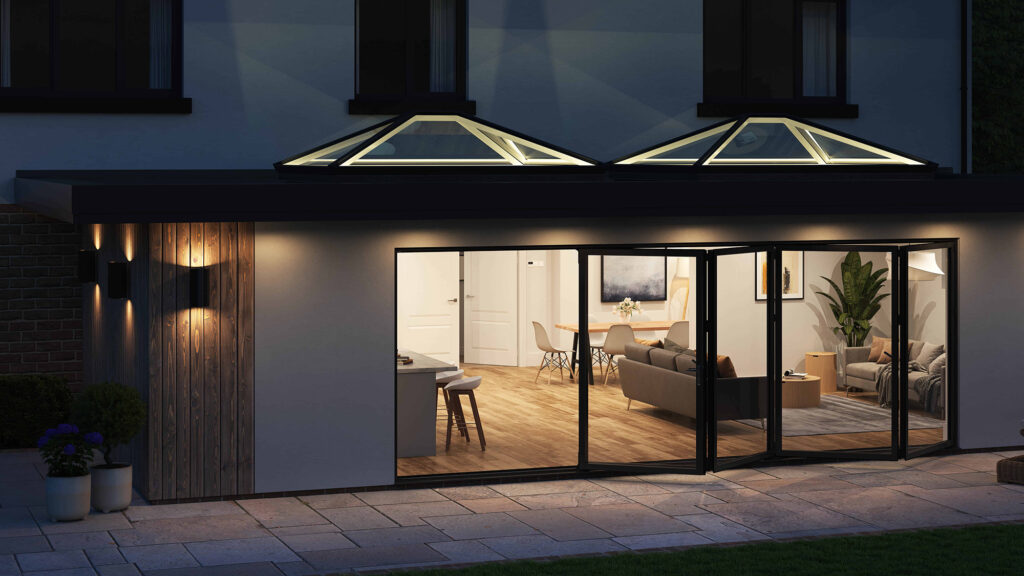
Roof lanterns sit proud of the roof and create more architectural presence than a flat rooflight. They can make a room feel taller and more dramatic, which is why they are often chosen for larger extensions and orangery-style spaces. They are not always the best fit for a very minimalist design, but in the right setting they add real character.
The trade-off is that lanterns usually have a more visible structure and can cost more to install, depending on the roof build-up and size.
Roof windows
Roof windows are generally used in pitched roofs, loft conversions and upstairs rooms. Unlike many flat rooflights, they are often designed to be within reach and regularly opened. This makes them a practical option where ventilation, access or even emergency escape requirements are part of the brief.
If your project involves a loft room or a pitched ceiling, a roof window may be the more natural choice than a flat rooflight.
What matters most when choosing a rooflight?
Once you know the type, the detail becomes more important. This is where many buying decisions are won or lost.
Size and placement
Bigger is not always better. A large rooflight can flood a room with daylight, but it also changes the balance of the ceiling and the way the room handles solar gain. In a south-facing extension, too much glazing overhead can make the space uncomfortable in warmer months unless the glass specification is doing enough work.
Placement is just as important. A rooflight centred over a dining table creates a different effect from one positioned to pull daylight deeper into the back of the room. In practical terms, structure, rafter layout and roof falls also affect what is possible. That is why early planning tends to produce cleaner results than trying to retrofit a decision later.
Fixed or opening
A fixed rooflight is often the most straightforward option. It gives you the visual benefit and maximises light without introducing opening mechanisms, controls or extra maintenance considerations. For many extensions, that is enough.
An opening rooflight becomes more attractive when ventilation is limited elsewhere. In kitchens, utility rooms and spaces that can trap heat, being able to release warm air at high level can make a real difference. Manual opening may suit smaller, accessible installations, while electric opening is often preferred for convenience or harder-to-reach positions.
Glazing performance
This is the part buyers sometimes overlook, yet it has a direct effect on comfort. Double glazing is common, but not all glass units perform the same way. Solar control coatings, self-cleaning glass and low-emissivity treatments can all help improve day-to-day performance.
If privacy is a concern, obscure glazing may be worth considering. If the room gets strong sun, solar control glass can reduce overheating. If the goal is year-round thermal efficiency, the overall unit specification matters more than the fact it is simply double glazed. Good daylight should not come at the cost of comfort.
Frame design and sightlines
Slim sightlines have become a major priority, especially in design-led extensions. A neater frame allows the glass to do more of the visual work and tends to suit modern properties particularly well. That said, appearance should still be balanced against performance, cost and roof construction.
For many buyers, aluminium-framed systems strike that balance well. They offer a crisp look, good durability and strong overall performance, which is why they remain a popular choice across both residential and trade projects.
Common mistakes when people learn about rooflights too late
One of the most common issues is buying on appearance alone. A rooflight may look impressive online, but if the specification is not right for the roof type or the room orientation, problems can follow. Overheating, excessive glare and disappointing thermal performance are all avoidable with better upfront decisions.
Another mistake is underestimating installation requirements. Upstands, kerb details, roof coverings and weathering all matter. A rooflight is not just a piece of glass dropped into an opening. It needs to integrate properly with the build. Trade professionals know this well, but homeowners can easily be caught out if they assume every product installs the same way.
There is also the issue of proportion. A rooflight should work with the architecture, not fight it. On some projects, two smaller units will look and perform better than one oversized pane. On others, a single larger rooflight creates the cleaner result. It depends on the room layout, structure and how the space will actually be used.
Learn about rooflights with the buying process in mind
The best rooflight is not just the one that looks right on a mood board. It is the one you can specify clearly, order with confidence and install without unnecessary delays. That means looking at lead times, technical documentation, glass options and support as part of the decision, not as an afterthought.
For homeowners, that often means choosing a supplier that can explain the differences in plain English and help narrow down the options without overcomplicating the process. For trade customers, it usually means dependable product information, competitive pricing and straightforward supply. Both groups benefit from the same thing: clarity.
This is where a product-led, consultative approach adds real value. A well-made rooflight should not feel difficult to buy. If dimensions, specifications and configuration options are clearly presented, it becomes much easier to move from inspiration to a product that genuinely fits the project. That is one of the reasons buyers often favour specialist glazing suppliers such as Horizon Windows and Doors, particularly when they want a broader choice of recognised brands alongside tailored support.
Are rooflights worth it?
In many projects, yes – but the value comes from choosing well. A rooflight can brighten your home, improve the feel of an extension and strengthen the overall finish of the space. It can also add appeal for future buyers, especially where the result makes a once-dark room feel larger and more usable.
The return is not only visual. Better daylight can reduce the need for artificial lighting during the day, and a well-specified unit can support thermal performance rather than undermine it. Still, the answer depends on the project. In some rooms, vertical glazing may already be doing enough. In others, overhead glazing is what makes the whole design work.
If you are planning an extension, renovation or garden room, take the time to learn about rooflights before comparing products on price alone. The strongest results usually come from getting the fundamentals right – type, size, glass, ventilation and installation detail – then choosing a system that delivers the finish you actually want to live with.