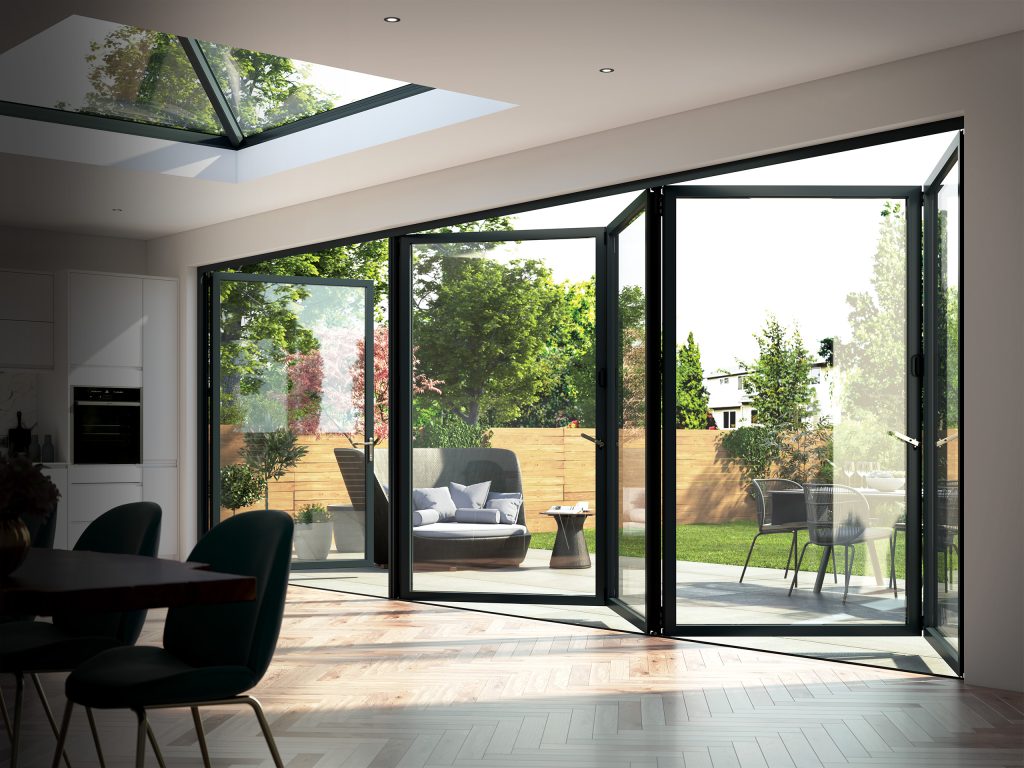
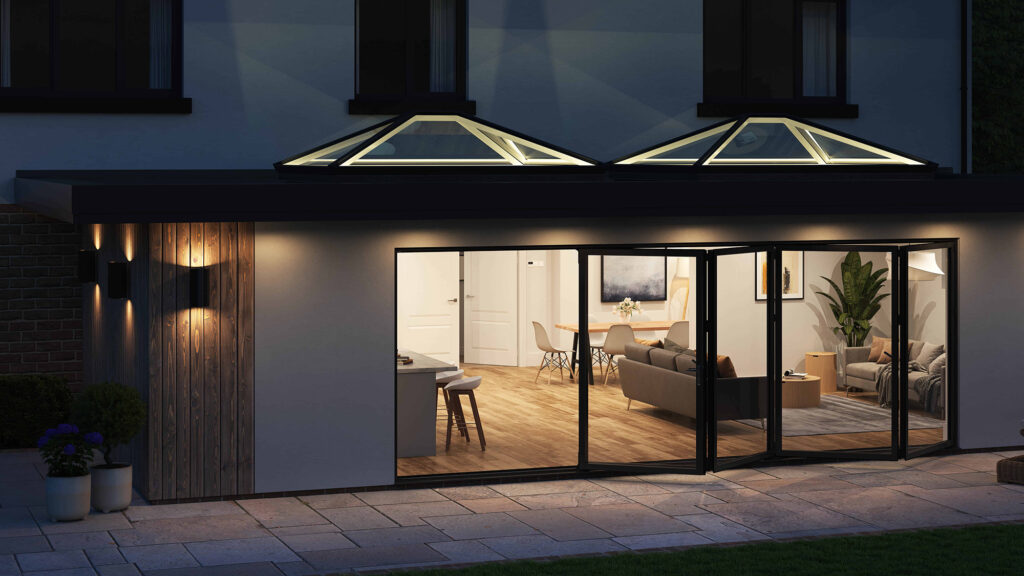
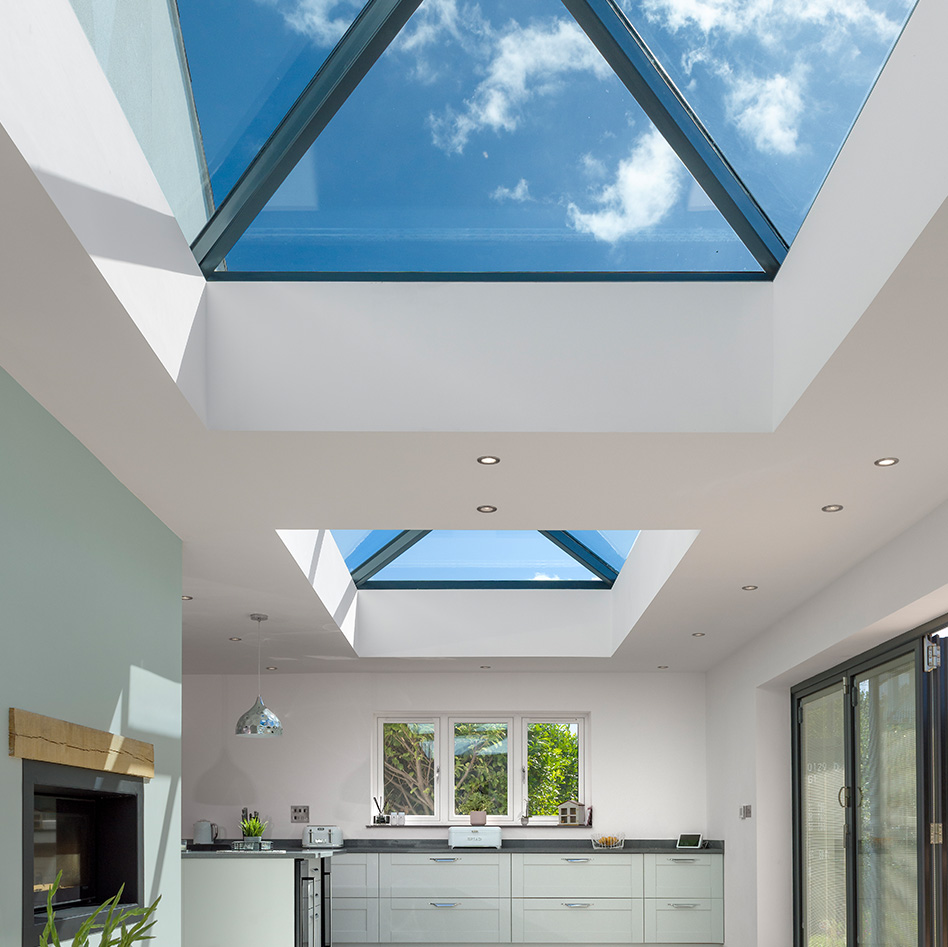
A well-chosen roof lantern can change the feel of a room faster than almost any other glazing upgrade. In kitchen extensions, orangery-style spaces and flat-roof rear additions, the best selling roof lanterns tend to earn that status for a simple reason – they bring in impressive natural light without making specification harder than it needs to be.
That popularity is not just about appearance. Buyers usually want the same mix of benefits: a slimmer-looking roofline, strong thermal performance, reliable weather resistance, straightforward installation and enough choice to make the finished result feel tailored to the property. Whether you are renovating your own home or specifying for a client, the products that sell consistently well are usually the ones that strike that balance best.
What makes roof lanterns best selling?
The best selling roof lanterns are rarely the most complicated. They are the ones that answer the practical questions early. Will it suit a modern extension? Can it work on a more traditional home? Is it available in the right size? Will it help brighten the room without creating a maintenance headache?
In most cases, strong sellers combine clean aluminium sightlines with dependable performance. Aluminium remains the preferred material for many roof lanterns because it offers slim framing, good structural strength and a powder-coated finish that suits both contemporary and heritage-inspired projects. It also supports larger glazed areas, which is a major part of the appeal.
There is also a buying confidence factor. Products that perform well in the market often come with clear specification options, technical information and sizing choices that make them easier to compare. For a homeowner, that means less uncertainty. For an installer or builder, it means fewer delays on site.
Why homeowners choose best selling roof lanterns
For homeowners, light is usually the starting point. A flat-roof extension can feel enclosed if the glazing is not planned properly, especially in deeper kitchen diners or open-plan family rooms. A roof lantern draws light down from above and helps the space feel taller, brighter and more open.
The next reason is visual impact. A lantern creates an architectural feature rather than just a source of daylight. From the outside, it can add shape and definition to the roofline. Inside, it gives the room a focal point and can make an extension feel more considered and more premium.
There is also a property value conversation here, although it depends on the project. Buyers tend to respond well to bright, well-finished spaces with strong design details. A roof lantern on its own is not a guarantee of added value, but as part of a broader extension or refurbishment, it can make the finished room more attractive and more usable.
Why trade buyers keep coming back to proven designs
Installers, builders and developers usually look at best sellers a little differently. They want products that arrive on time, fit as expected and do not create unnecessary call-backs. That is why proven roof lantern systems often become repeat choices across multiple jobs.
A popular product is not automatically the right one for every project, but repeat demand often points to consistency. If a lantern system offers sensible lead times, straightforward assembly and dependable finish quality, it helps trades work more efficiently. Good technical documentation matters too, particularly when projects involve specific roof upstand requirements, loading considerations or compliance questions.
For developers and contractors, the commercial side matters just as much. Competitive pricing, product range depth and support before ordering can all influence which lanterns become regular specification choices.
Best selling roof lanterns by style and design
Contemporary roof lanterns
Modern homes and contemporary extensions usually suit lanterns with slim external bars, neat ridge details and minimal visual bulk. These designs maximise glass area and support the clean, open look many homeowners want in kitchen extensions and garden rooms.
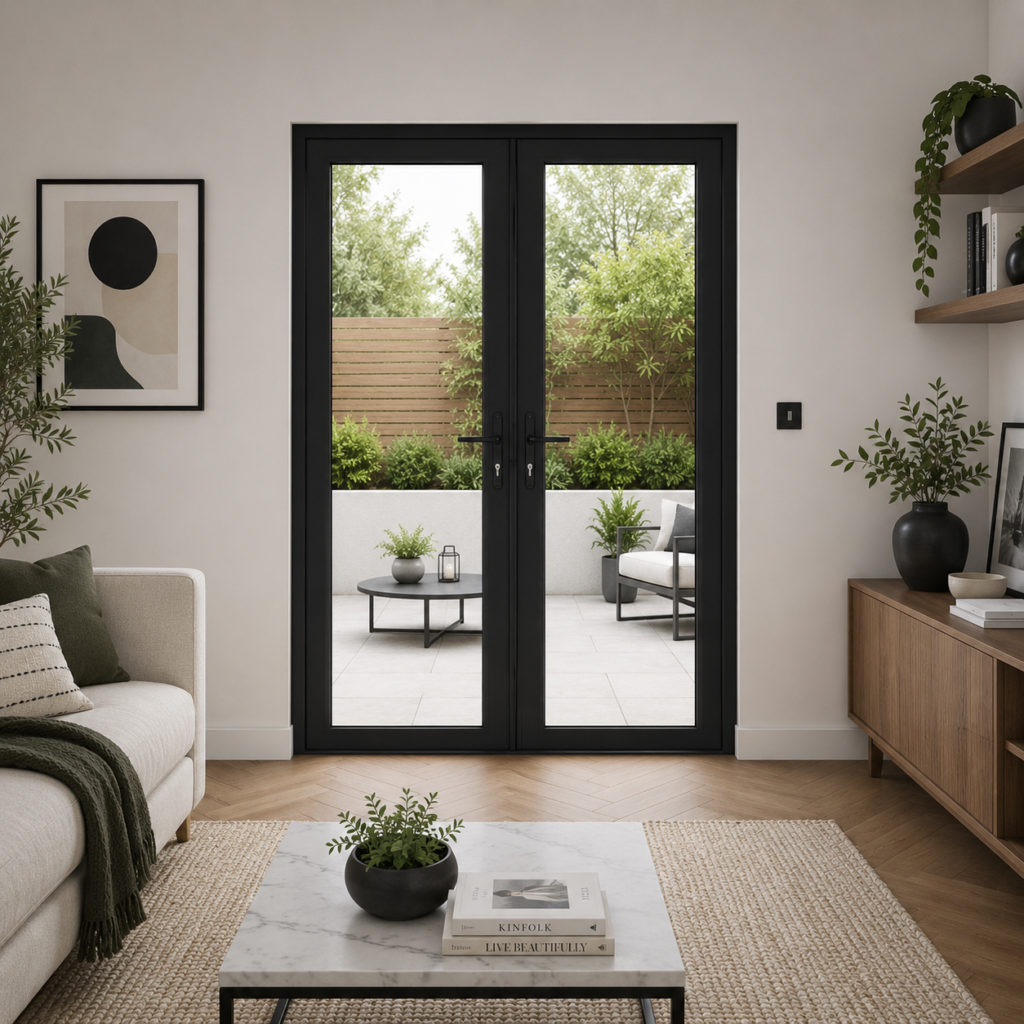
Anthracite grey remains a strong choice because it works well with aluminium bifold doors, sliding doors and dark-framed windows. Black is also popular for a sharper look, while white still has a place where a softer internal finish is preferred.
Traditional and orangery-style roof lanterns
Not every project calls for a starkly modern finish. Some of the best selling roof lanterns work because they sit comfortably on period-inspired homes, orangery extensions and more classic rear additions. In these settings, proportion matters as much as frame colour.
A lantern that is too bulky can dominate the room, but one that is too slight may look out of place on a more traditional property. The right design keeps the roof feature elegant without losing the performance benefits expected from a modern glazed system.
Size matters more than many buyers expect
One of the most common buying mistakes is assuming bigger is always better. Larger roof lanterns can create a dramatic effect, but the right size depends on the room dimensions, roof construction and how the space will be used.
In a modest extension, an oversized lantern can overwhelm the ceiling and create glare at certain times of day. In a larger open-plan room, a lantern that is too small may feel mean and fail to spread light effectively. This is where bespoke sizing becomes valuable. It allows the glazing to suit the architecture rather than forcing the room to fit a standard product.
The ideal proportion often comes down to balance. You want enough glass to brighten the room and open up the ceiling line, but not so much that the roof loses visual solidity or the installation becomes harder than it needs to be.
Glazing performance – not just looks
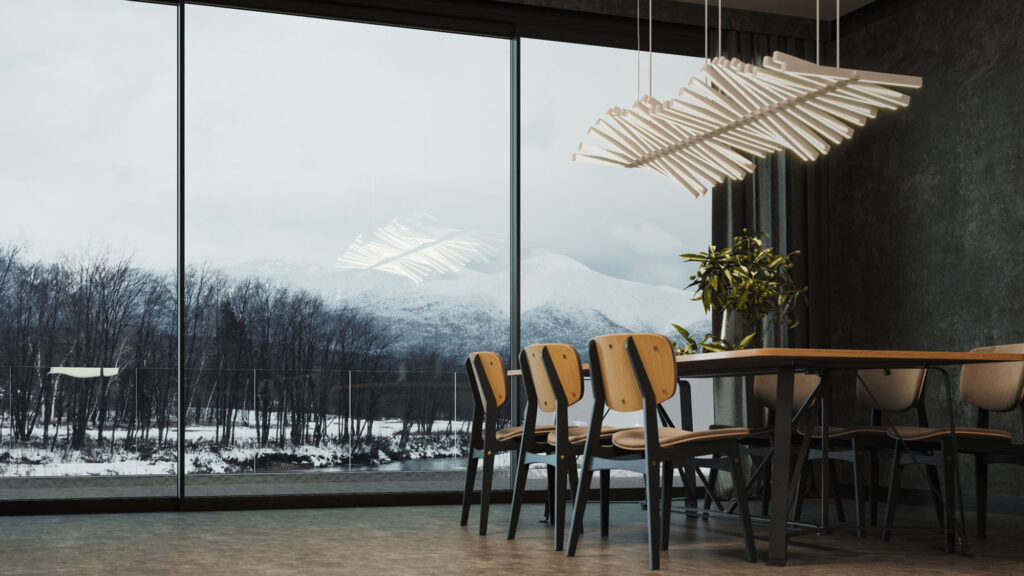
A roof lantern has to do more than look good from the garden. Thermal performance, solar control and glass specification all matter, especially in rooms used every day.
Double glazing is common, but the exact specification should reflect the orientation of the property and the role of the room. South-facing extensions may benefit from glass that helps control solar gain, while colder areas of the home may place more emphasis on insulation. Self-cleaning glass is another feature buyers increasingly look for, particularly on harder-to-reach roof glazing.
This is where there is no single best answer. The best selling roof lanterns often offer options rather than a one-size-fits-all package. A family kitchen extension in Surrey may need a different glazing setup from a coastal renovation in Brighton or a new-build project in Manchester. Good product choice comes from matching the lantern to the job, not just following a trend.
Installation and build quality shape long-term value
A roof lantern can look excellent on paper and still disappoint if installation is poor or the system is awkward to work with. Well-regarded lanterns usually have a strong reputation not only for finished appearance but for how they go together on site.
Trade buyers often favour systems that reduce complexity and support accurate fitting. Homeowners benefit from that too, because a smoother installation process can mean fewer delays and a cleaner finish. Quality powder coating, reliable seals and well-designed components all play a part in long-term performance.
It is also worth thinking beyond the point of purchase. A competitively priced lantern may not represent good value if it lacks flexibility, arrives with inconsistent quality or creates extra labour. Better value usually comes from the combination of product quality, support and dependable supply.
Choosing between brands and bespoke options
Brand recognition can help narrow the field, especially when buyers are comparing established names in the glazed roofing market. Well-known systems often inspire confidence because they have a visible track record and are supported by technical resources.
That said, brand alone should not make the decision. Bespoke options and in-house ranges can offer strong value where the specification is right, particularly if they give buyers the flexibility to tailor size, colour and glazing without inflating cost. The key is to compare what is actually included – frame design, glass specification, finish quality, delivery, support and documentation.
For many buyers, the strongest route is working with a supplier that offers both recognised brands and tailored options. It keeps the decision practical rather than forcing every project into the same product path.
How to narrow down the right roof lantern
Start with the room, not the product page. Think about what the space lacks now. Is it daylight, ceiling height, design impact or a stronger connection to the garden? From there, size and style become easier to judge.
Next, look at the roof structure and specification requirements. If you are a homeowner, this is where guidance matters. If you are in the trade, it is where technical documents and clear dimensions save time. Then compare frame sightlines, glazing options, colour choices and lead time with a realistic view of budget.
The strongest buying decisions usually happen when aesthetics and practicality are treated as equal priorities. A beautiful lantern that overheats the room is not the right choice. Equally, a purely functional option that misses the design brief can leave the project feeling average.
At Horizon Windows and Doors, that is why the focus is on making premium glazing easier to specify with confidence. The best selling roof lanterns are popular for good reasons, but the right one is the one that fits your project properly, performs well through every season and makes the finished space feel exactly as bright and open as you hoped.