





If you are ordering ten doors, twenty sets or enough product for a full development, the difference between a standard retailer and a bulk order doors supplier becomes obvious very quickly. Price matters, of course, but so do lead times, specification accuracy, delivery coordination and the quality of support when plans change. On larger projects, those details affect programme, profit and client satisfaction.
For trade buyers, developers and even homeowners managing major renovations, bulk buying is not simply a bigger version of a one-off purchase. It brings a different level of risk. One incorrect threshold detail or one delayed delivery can hold up multiple trades at once. That is why choosing the right supplier should be based on more than the headline quote.
What a bulk order doors supplier should actually provide
At the most basic level, a supplier should be able to offer competitive pricing across multiple units. That is expected. What separates a strong supplier from an average one is how well they support the order before, during and after purchase.
A reliable bulk supplier should help you work through product selection, opening configurations, sizes, glazing options, frame finishes and hardware choices without turning the process into a technical maze. If you are supplying doors for several plots or a mix of extension and renovation projects, consistency matters. You need confidence that every specification has been checked properly and that technical documents are available when your installer or building control needs them.
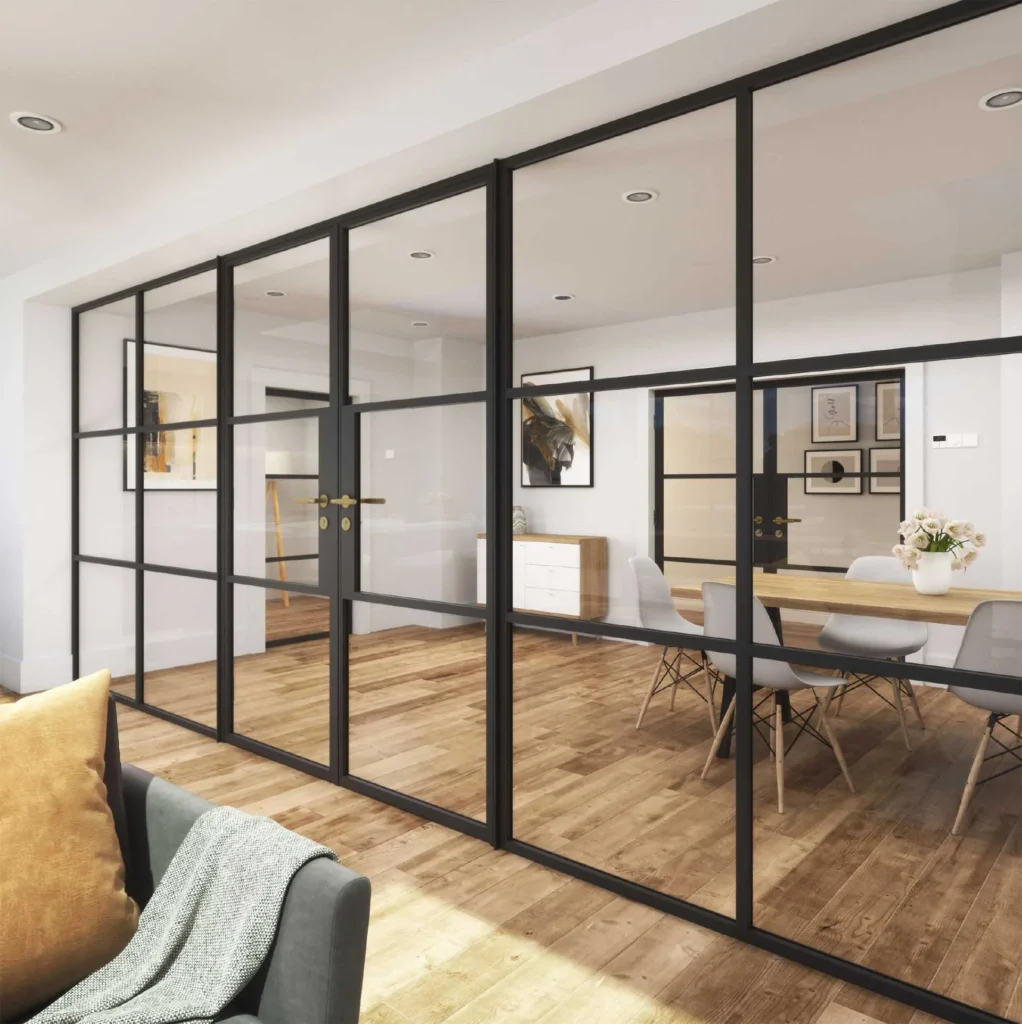
It also helps if the supplier can offer a broad enough range to suit different project types. A garden room may need something different from a rear extension. A contemporary new-build may call for slimline aluminium sliders, while a period renovation may need a more heritage-appropriate style. When one supplier can cover those needs, procurement becomes much simpler.
Price is important, but it is not the whole job
Every buyer wants value. On a larger order, even modest savings per unit can make a noticeable difference to the final budget. But the cheapest quote is not always the best commercial decision.
Low pricing can hide other costs. Extended lead times may force you to reprogramme labour. Limited technical support can create delays during installation. Inflexible delivery arrangements can leave products arriving before site is ready, which brings storage risks and handling issues. In some cases, the cost of one mistake outweighs the initial saving.
This is where an experienced bulk order doors supplier earns their place. They should be transparent about what is included, realistic about timescales and clear on which products are best suited to the application. A polished buying experience is helpful, but what really matters is whether the supplier can help you avoid expensive friction once the order is live.
Why product range matters on larger orders
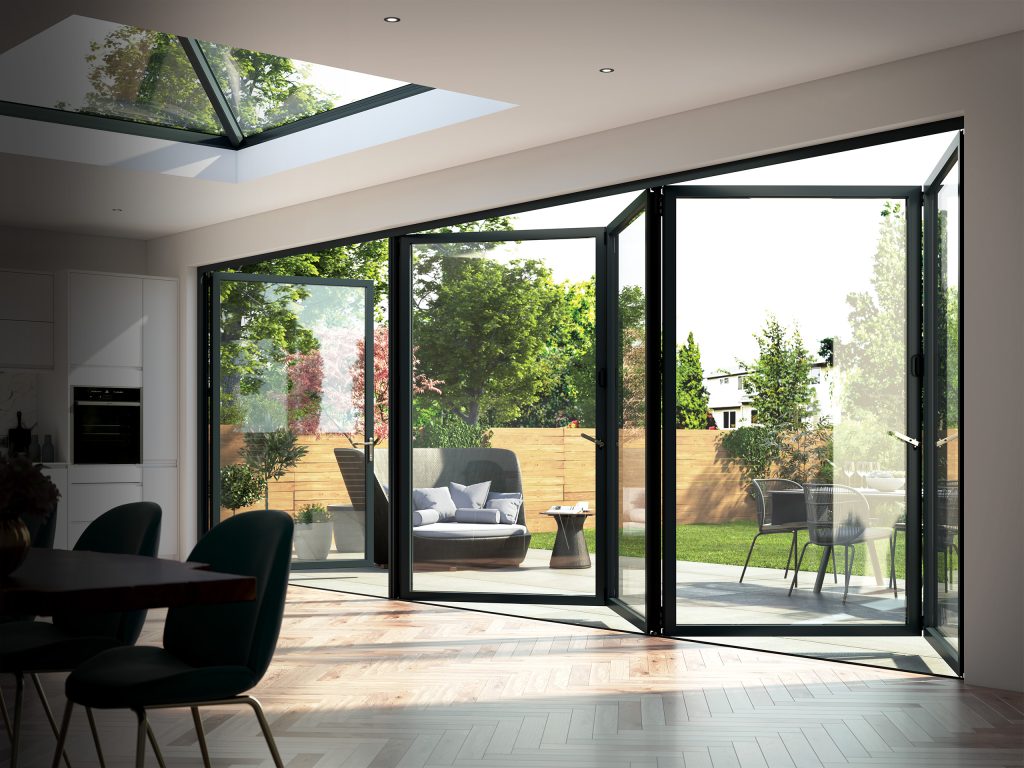
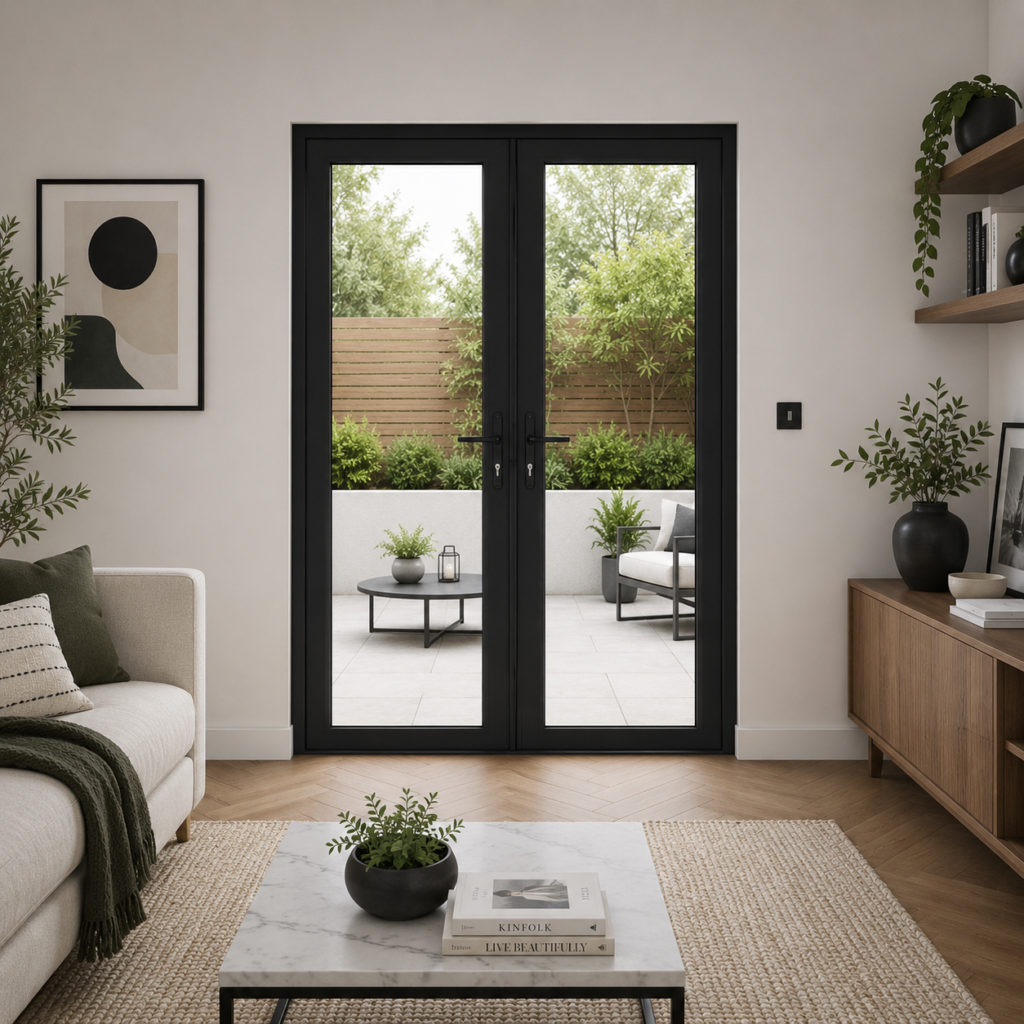
When you are buying in volume, standardisation is useful, but projects are rarely identical. You may need bifold doors for one area, sliding doors for another and a residential door set to complete the entrance package. Working with a supplier that offers multiple systems, materials and brands gives you more room to specify correctly without starting the procurement process again from scratch.
That flexibility is particularly valuable for builders and developers balancing budget, design intent and performance targets. Aluminium systems often suit larger glazed openings and a more contemporary finish. uPVC may be a sensible choice where budgets are tighter or where visual consistency with existing windows is important. There is no single right answer. It depends on the property, the client brief and the expected level of use.
For homeowners taking on larger renovations, that same flexibility makes premium products more accessible. You can compare options on performance and appearance, not just price, and make sure the final choice fits the home rather than forcing the home to fit the product.
Technical support is where good suppliers stand out
A door order can look straightforward on paper and become complicated the moment site conditions come into play. Floor build-up, structural openings, cill details, access restrictions and handedness all have a habit of surfacing late if nobody asks the right questions early.
That is why technical support should not be treated as an optional extra. A supplier worth using for larger orders should be able to provide drawings, specification guidance and product documents without delay. They should also be able to spot common issues before they become expensive ones.
This matters just as much for experienced trade buyers as it does for homeowners. Installers may know exactly what they need, but they still benefit from clear documentation and responsive support. Homeowners may need more guidance on configurations, sightlines and practical choices for daily use. In both cases, the supplier should make the process feel clear, not complicated.
Lead times and delivery can make or break a project
The larger the order, the more important logistics become. A single delayed set of doors is frustrating. A delayed multi-unit order can stall several parts of a build at once.
When comparing suppliers, ask how lead times are managed and how delivery is coordinated. Are all products arriving together, or will they be phased? Can the supplier support site sequencing? Are delivery expectations realistic, or simply optimistic enough to win the order?
A good answer is not always the shortest timeframe. Often, it is the most dependable one. Trade customers, in particular, usually value certainty over guesswork because labour and client commitments are already booked in. Homeowners also benefit from reliability, especially when wider renovation schedules depend on windows and doors being fitted on time.
UK-wide delivery support is especially useful when projects are spread across different locations. If a supplier can handle nationwide orders with a consistent level of service, it removes a layer of complexity for contractors and developers managing multiple sites.
Questions to ask before placing a bulk order
Before committing to any supplier, it is worth checking how they handle the practical side of a larger purchase. Ask how quotations are structured and whether trade pricing or volume discounts apply. Confirm which technical documents are available, what support is offered during specification, and how any changes or issues are managed after payment.
It is also sensible to ask about product consistency across ranges. If you are ordering for several plots or phases, you want confidence that finishes, hardware and sightlines will align as expected. Not every project needs perfect uniformity, but surprises at installation stage are rarely welcome.
Finally, check the communication side. Bulk ordering works best when responses are prompt, quotations are accurate and updates are easy to get. That may sound basic, but on real projects it makes a noticeable difference.
The best fit depends on the project
There is no universal formula for choosing the right supplier. A builder fitting multiple aluminium sliding doors on a new-build scheme will have different priorities from a homeowner ordering several bespoke door sets for a large extension and renovation. One may prioritise account support and repeatable pricing. The other may care more about design guidance, customisation and reassurance through the buying process.
The strongest suppliers can serve both audiences because they combine product knowledge with practical support. They understand the commercial pressures trade customers face, while still making specification approachable for retail buyers. That balance is valuable.
For example, a supplier such as Horizon Windows and Doors appeals to both sides of the market because it combines a broad premium product range with consultative support, technical resources and competitive pricing. That mix works well for customers who want more than a basic transaction.
Choosing with confidence
A good bulk order doors supplier does more than fulfil an order. They help you protect programme, manage budget and get the specification right first time. On larger purchases, that support is not a bonus. It is part of the product.
If you are comparing suppliers, look beyond unit cost and ask a simpler question: who is most likely to make this project easier to deliver? The right answer usually shows up in the details – clear advice, accurate specifications, dependable lead times and a buying process that gives you confidence from quote to installation.
Get that part right, and the doors are not just another line on the schedule. They become one of the easiest parts of the project to move forward with.