If you are comparing roof lanterns for an extension, orangery or garden room, a proper korniche roof lantern review needs to answer one simple question – does the product justify its premium reputation once it is on your roof, not just in a brochure?
The short answer is that Korniche has earned its place as one of the most talked-about aluminium roof lantern systems in the UK. It looks smart, performs well and has been designed with installers in mind, which matters more than many homeowners realise. But it is not automatically the right option for every project. Your budget, roof size, preferred sightlines and the standard of installation all make a difference.
Korniche roof lantern review: first impressions
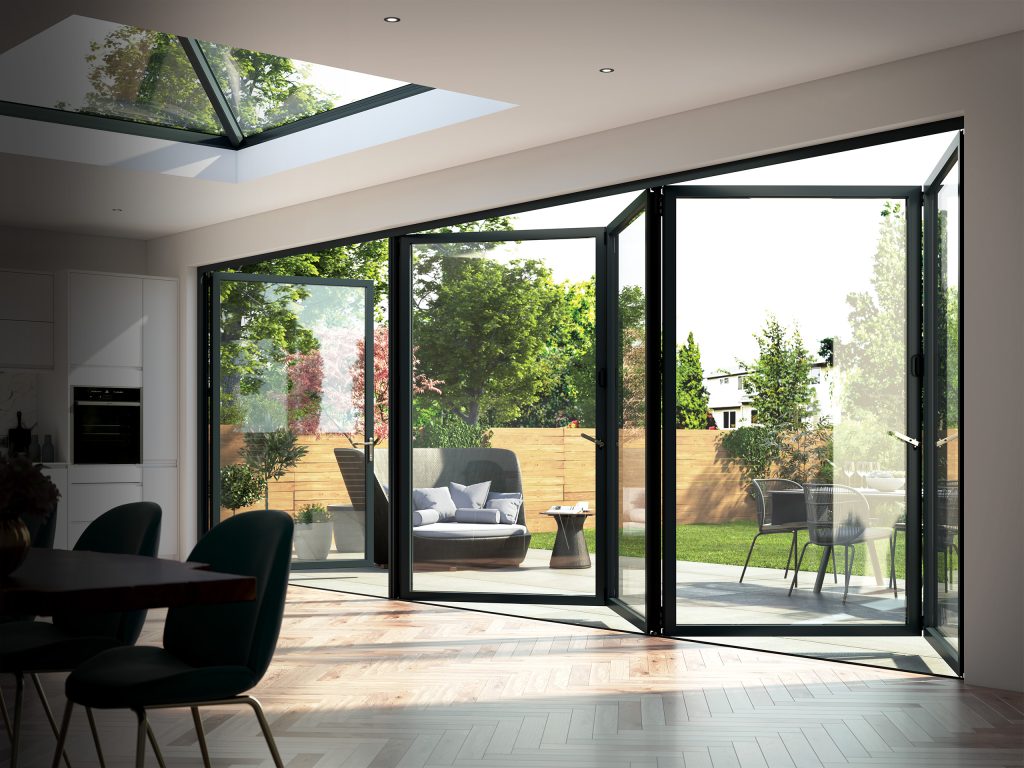
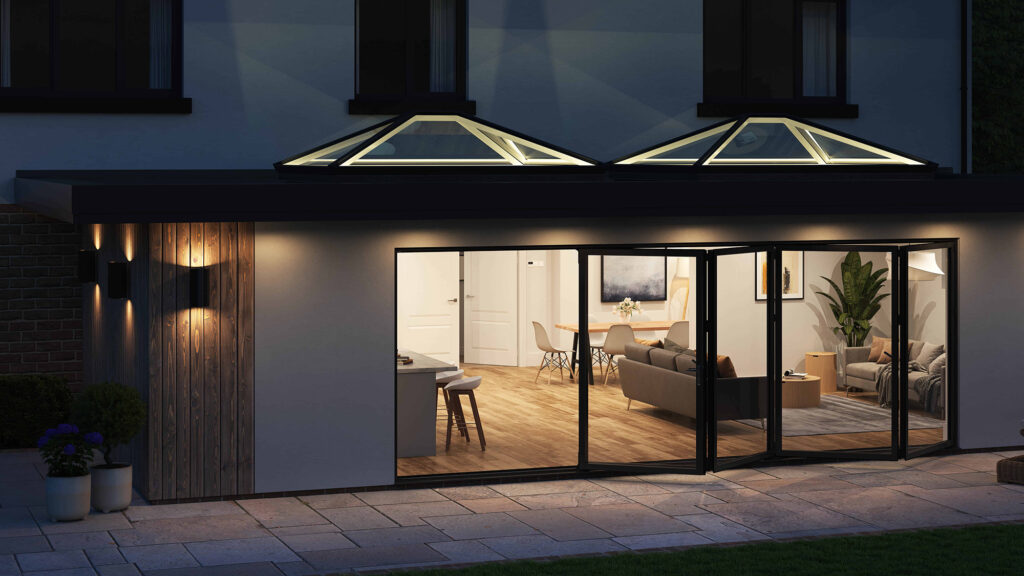
What sets Korniche apart straight away is the look. The system is noticeably cleaner and slimmer than many older-style lanterns, with neat aluminium sections and less visual bulk around the ridge and rafters. If your aim is to maximise light and space without making the roof feel heavy, that design approach is a real strength.
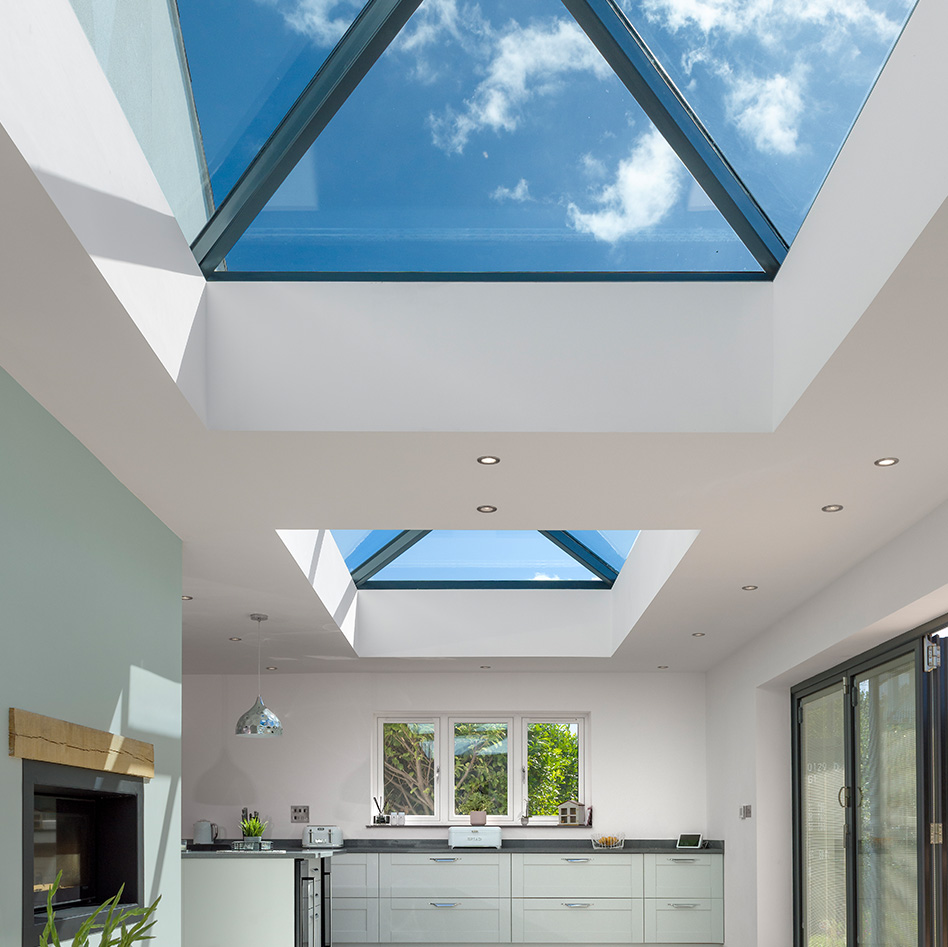
From inside the room, the lantern tends to feel refined rather than fussy. That matters in modern kitchen extensions where every line is visible and where bulky glazing bars can spoil the effect. Korniche has clearly been developed for homeowners who want a contemporary finish, but it still sits comfortably on more traditional properties if the rest of the glazing scheme is chosen carefully.
Another strong first impression is that it is a product with a clear purpose. Some roof lanterns try to cover every possible specification and end up overcomplicated. Korniche feels more focused. It is built around ease of assembly, a good-looking finish and dependable thermal performance, which is exactly what most residential buyers and trade installers actually need.
Design and sightlines
For many buyers, this is where Korniche wins. Roof lanterns are there to bring in daylight, but they are also highly visible architectural features. Thick bars, clumsy top caps and over-engineered frames can make a lantern look dated. Korniche avoids most of that.
The ridge is slim, the rafters are well proportioned and the cappings look tidy rather than industrial. On a single-storey rear extension, that usually translates into a brighter, more open feel. If you are replacing an older conservatory-style structure or planning a flat roof extension from scratch, the cleaner lines can make the whole space look more expensive.
That said, slimmer sightlines always need to be weighed against practicality. Some buyers focus only on the visuals and forget to ask how the lantern integrates with the upstand, roofing details and internal plaster finish. A good-looking system still needs careful specification, especially on larger openings.
Performance in everyday use
A roof lantern has two jobs beyond appearance – keep the weather out and help the room stay comfortable through the seasons. On both counts, Korniche performs strongly when specified and fitted correctly.
Thermal efficiency is one of the reasons it remains popular. Modern aluminium systems have come a long way, and Korniche is designed to reduce heat loss more effectively than many older metal-framed lanterns. For homeowners, that means a better chance of creating an extension that feels usable year-round rather than too hot in summer and chilly in winter.
Of course, no roof lantern can do all the work on its own. Glass specification matters enormously. Solar control glass, self-cleaning options and the right glazing build-up can change how the space performs day to day. If a room faces strong sun for most of the afternoon, the right glass choice may matter just as much as the frame itself.
Weather resistance is another plus point. A premium lantern should feel reassuring in heavy rain and wind, and Korniche generally has a solid reputation here. The caveat is simple – even the best system can be undermined by poor preparation or rushed fitting. If the upstand is out of level or sealing details are handled badly, problems tend to show up quickly.
Why installers like it
This is one of the less glamorous parts of any korniche roof lantern review, but it matters. A product that is easier to install is not just good news for tradespeople. It often means a smoother job, less time on site and fewer opportunities for assembly errors.
Korniche has been marketed heavily on speed and simplicity of installation, and that is a genuine advantage. Components are designed to go together in a logical way, and that can reduce labour time compared with more awkward systems. For builders and installers, that is commercially attractive. For homeowners, it can mean less disruption and a cleaner project timeline.
That does not mean it is a DIY product in the casual sense. Roof lantern installation still needs proper measuring, sound roof preparation and experienced handling of glazing units. But compared with systems that can feel fiddly or over-engineered, Korniche is generally seen as a practical choice.
How it compares on value
Korniche usually sits in the premium part of the market, but not at the very top of it. That makes it interesting. You are not buying the cheapest lantern available, and it is unlikely to suit a project where cost is the only driver. What you are paying for is a strong combination of appearance, brand recognition, thermal performance and installer-friendly design.
For many homeowners, that is good value rather than cheap value. There is a difference. A low-cost lantern can look acceptable at first, then disappoint once fitted because the sections feel bulky or the finish lacks refinement. With Korniche, you are more likely to get the visual quality people expect in a modern extension.
For trade buyers, value is often about the whole job rather than the product price in isolation. If a lantern arrives as expected, fits efficiently and looks good on completion, it helps protect margin and customer satisfaction. That is one reason systems like this remain popular even when less expensive alternatives exist.
Where it suits best – and where it may not
Korniche is particularly well suited to contemporary extensions, open-plan kitchen diners, garden rooms and renovation projects where natural light is a headline feature. If you want to brighten your home and keep the roof structure looking elegant rather than heavy, it is a strong contender.
It also suits buyers who want a known brand with a premium feel but still want the buying process to remain straightforward. That matters if you are weighing up bespoke options and do not want to get lost in unnecessary complexity.
Where might it be less suitable? Very tight budgets are the obvious answer. If keeping upfront cost as low as possible is non-negotiable, there are cheaper systems on the market. Equally, if your project calls for a very unusual roof build-up, a large bespoke span or a more specialist architectural glazing package, you may want to compare Korniche with other high-spec options before deciding.
Buying considerations before you commit
The smartest way to assess a roof lantern is not just to ask whether the frame is good. Ask whether the full specification suits the room you are creating. Size, glazing choice, ventilation strategy, orientation and internal finishes all affect the final result.
It is also worth thinking about who is supplying it. A good supplier should make technical information easy to access and be able to talk through dimensions, glass options and lead times without making the process feel difficult. That support can be as valuable as the product itself, especially for bespoke residential projects or busy trade schedules.
If you are ordering online, look for clear configuration options and practical guidance rather than vague marketing claims. Premium glazing should still feel approachable. That balance between choice and clarity is what makes the buying process more confident from the start.
Final verdict on the Korniche roof lantern
Korniche remains one of the best all-round aluminium roof lantern systems for UK residential projects. Its strengths are clear – slim sightlines, strong kerb appeal, reliable thermal performance and an installation process that tends to work well for the trade. Those are not minor details. They directly affect how the finished room looks, feels and performs.
The trade-off is that you will usually pay more than you would for an entry-level alternative, and the result still depends heavily on correct specification and fitting. But if your priority is a lantern that helps open up your home, looks properly premium and offers dependable everyday performance, Korniche is easy to recommend.
The best test is to view it as part of the whole extension, not a stand-alone product. Get the size right, choose the glass carefully and buy from a supplier that can back up the product with real guidance. Do that, and a roof lantern stops being a nice extra and starts becoming one of the features that makes the room work.