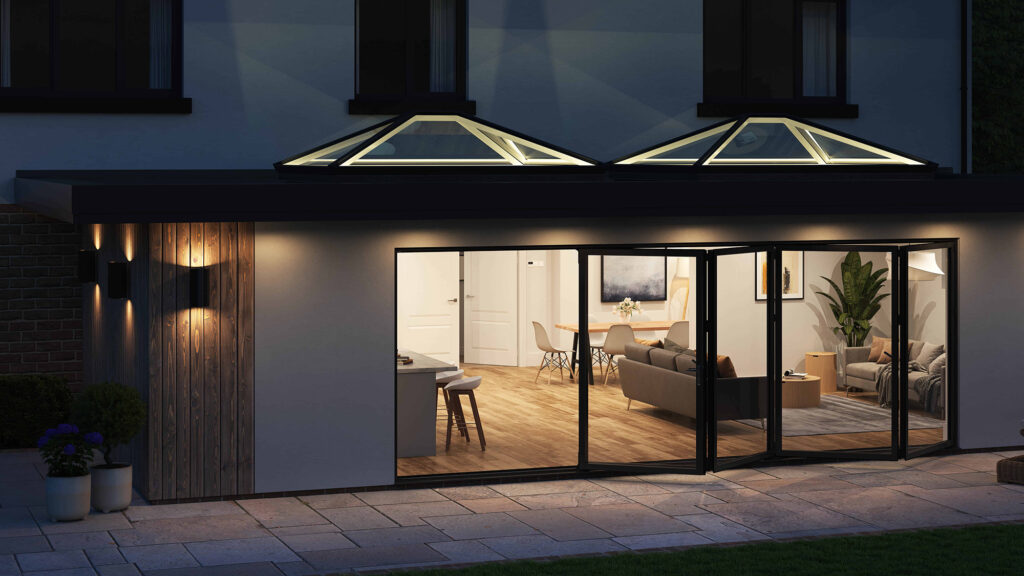
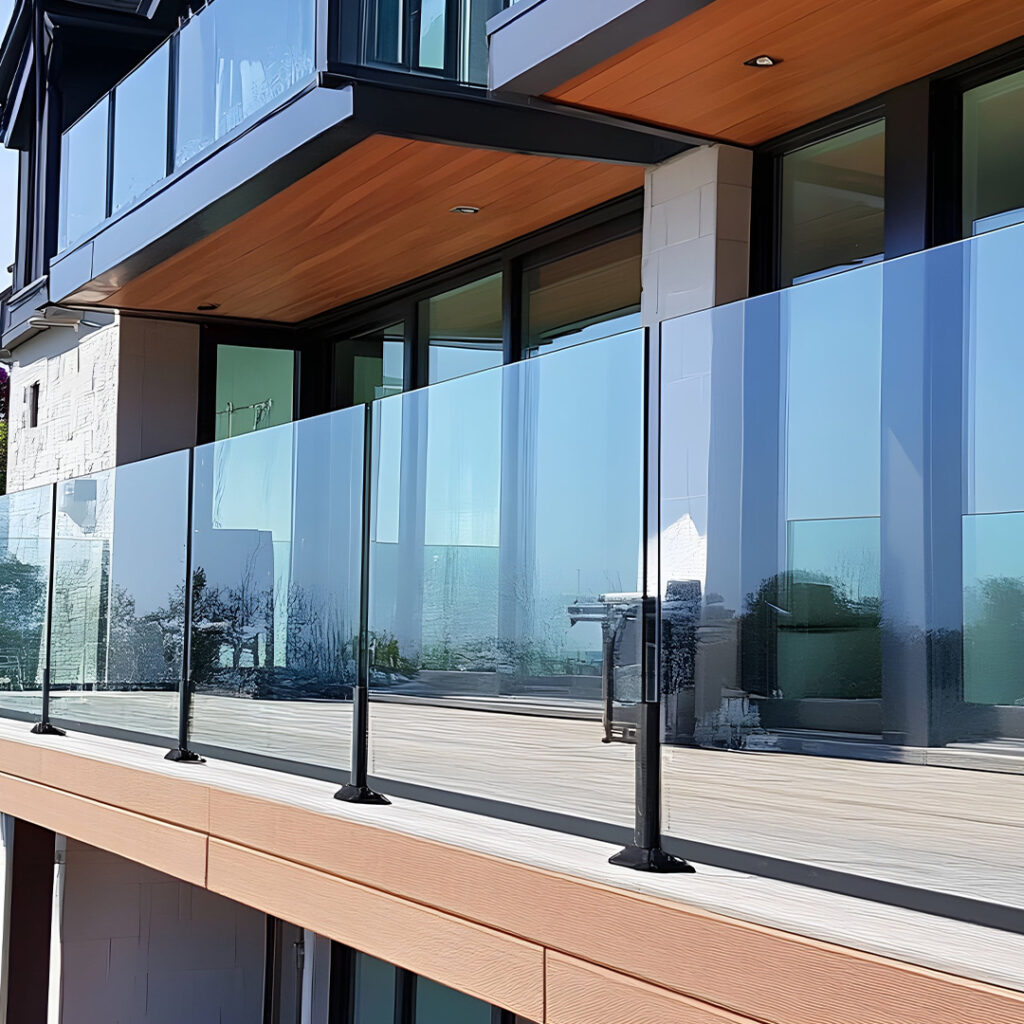
A balcony can change the feel of a whole property, but only if it works visually as well as practically. A glass balustrade for balcony spaces is often the detail that makes the view feel open, the elevation look sharper and the finished project feel properly considered rather than simply compliant.
For homeowners, that usually means more light, cleaner sightlines and a smarter exterior. For builders and installers, it means getting the specification right early – because fixing method, glass type, loading requirements and edge detailing all affect the final result just as much as the glass itself.
Why a glass balustrade for balcony works so well
The biggest advantage is obvious the moment it is installed. Glass keeps the space visually open. If you have invested in a rear extension, an upper-floor terrace or a Juliette-style opening, solid guarding can cut across the very feature you wanted to highlight.
That matters on both modern and traditional homes. On contemporary projects, glass supports the clean, minimal look many clients want. On period renovations, it can be a quieter design choice than metal spindles or bulky timber because it does its job without dominating the façade.
There is a practical side too. A well-specified system is durable, straightforward to maintain and suitable for a wide range of residential settings. Toughened and laminated options offer the strength expected for elevated areas, while slim profiles help the balcony feel larger than it is.
Still, there is a trade-off. Glass is not a one-size-fits-all answer. If privacy is a concern, fully clear panels may not be the best fit. If the balcony is highly exposed, fixing detail and system performance become even more important. The best results come from matching the product to the property, not just choosing the look you like in a photo.
What to decide before you buy
A glass balustrade for balcony installations should never be chosen on appearance alone. The first question is how the system will be used. A small first-floor balcony outside a bedroom has different demands from a large terrace used regularly for seating and entertaining.
You will need to think about the level of use, the exposure to wind, the surrounding structure and the desired finish. On some projects, frameless glass is the priority because the view is the selling point. On others, a post system makes more sense because it suits the budget, simplifies installation or complements other external details.
The position of the balcony also matters. Coastal and exposed sites may need extra thought around hardware finish and overall system specification. A sheltered urban setting gives more flexibility. That is why technical documents and product guidance are useful early in the process, particularly for trade buyers working to programme and compliance deadlines.
Frameless or framed
Frameless systems are usually chosen for their minimal appearance. They maximise the view and create a premium architectural finish. They are especially popular on roof terraces, rear balconies and high-spec renovation projects where uninterrupted glazing supports the overall design.
Framed or semi-framed systems bring a different set of strengths. Posts and rails can reduce cost, can be easier to install in some situations and may suit properties where a little more visible structure feels appropriate. Aluminium-framed options are especially popular because they are durable, low maintenance and work well with modern window and door systems.
Neither is automatically better. It depends on the design brief, the structural condition of the balcony and how clean or prominent you want the guarding to appear.
Clear, tinted or obscured glass
Clear glass remains the most common choice because it lets the balcony disappear visually. It keeps views open and helps natural light reach internal rooms, which is a major advantage if the balcony sits outside French doors, sliding doors or bifolds.
Tinted or obscured glass can be useful where overlooking is an issue. This is often relevant on tighter residential plots or side elevations. The compromise is simple – as privacy increases, openness usually decreases. Some clients prefer that trade-off, while others would rather keep clear glazing and solve privacy with planting or screening elsewhere.
Safety and compliance matter more than style alone
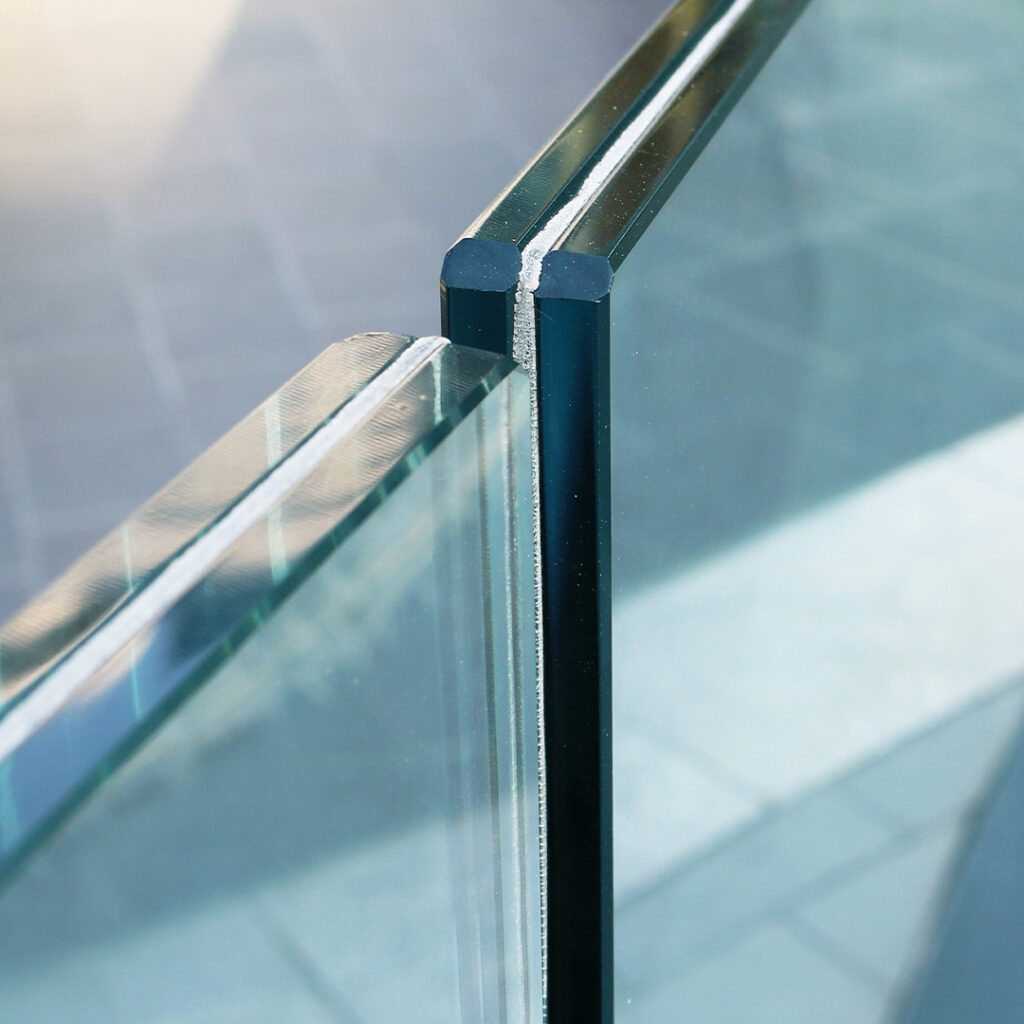
Any balcony guarding has to perform safely first. In the UK, that means considering building regulations, structural loads and correct installation. Glass specification is not just a design choice. The thickness, whether the glass is toughened or laminated, and the way the system is fixed all affect compliance.
This is where buyers can come unstuck if they focus only on price. Two products may look similar online, but their tested performance, span capability and fixing requirements may be very different. For homeowners, expert guidance helps avoid expensive mistakes. For trade professionals, accessible technical information speeds up specification and reduces risk on site.
The supporting structure matters just as much as the balustrade itself. Concrete, steel and timber substrates all require different fixing approaches. If the balcony edge has not been designed with the balustrade in mind, adaptations may be needed. That is one of the main reasons it pays to think about guarding early rather than treating it as a final add-on.
Installation choices that affect the finish
Top-fix and side-fix systems each change the look of a balcony. Top-fix options sit on the deck or slab and are often simpler from a structural coordination point of view, but they do take up some usable floor area. Side-fix systems leave the balcony deck clearer and can create a sharper edge, which many homeowners prefer visually.
There is no universal winner. A side-fixed frameless system can look exceptional, but only if the structure allows for it and the edge detail is properly planned. A top-fixed system may be the more practical option on refurbishment projects where the existing balcony construction limits what can be done.
Handrail choice is another detail worth considering. Some people want the cleanest possible all-glass appearance. Others prefer a top rail for a more defined finish or added comfort in use. Again, it depends on the project. The best systems give enough flexibility to balance aesthetics, safety and budget without forcing a compromise that feels obvious once installed.
Maintenance is simple, but not zero
One reason glass remains such a strong choice is that it is easy to live with. It does not need staining, painting or regular treatment in the way timber alternatives often do. Powder-coated aluminium components are also well suited to external use and generally require little more than routine cleaning.
That said, low maintenance does not mean no maintenance. Balcony glass will show marks, rain residue and airborne dirt, especially on exposed elevations or busy roads. If a completely spotless finish is important to you, it is worth being realistic. Glass looks excellent, but it does need occasional cleaning to stay that way.
The same principle applies to hardware. Quality matters. Better components tend to hold their finish and performance more reliably over time, which is especially important on coastal projects or large-format installations where replacement would be disruptive and costly.
Budget: where value really comes from
The cheapest option is rarely the best value if it limits design, complicates installation or falls short on finish. A balcony balustrade sits in constant view. If it looks heavy, interrupts sightlines or ages poorly, it can pull down the entire scheme.
Real value comes from choosing a system that suits the property, arrives with clear technical support and gives confidence in specification. For homeowners, that means fewer surprises. For trade customers, it means smoother ordering, easier coordination and less wasted time on site.
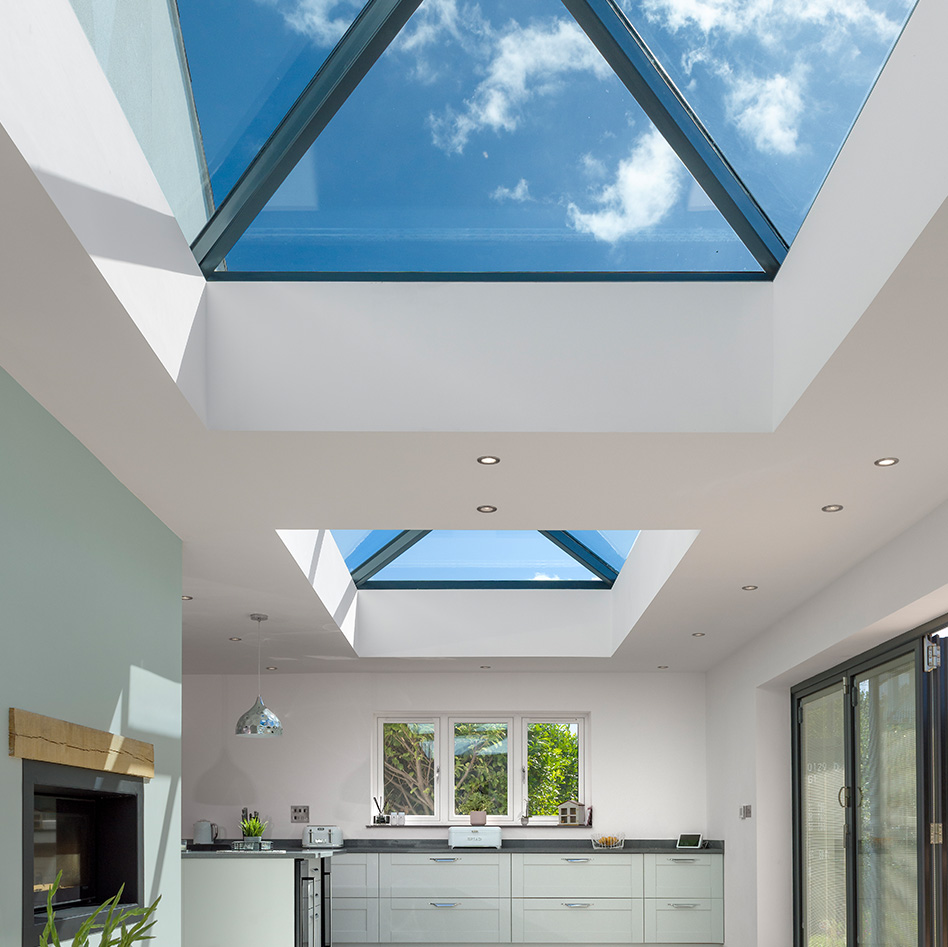
This is also where bespoke configuration becomes useful. Standard sizes can work well on simple projects, but many balconies need made-to-measure dimensions, specific fixing arrangements or a finish that aligns with adjacent glazing. Getting that flexibility from one supplier can make the process far easier, particularly when the project also includes doors, windows or roof glazing.
Who a glass balustrade is best for
If your priority is to maximise light and space, glass is hard to beat. It suits homeowners upgrading a tired exterior, developers aiming for broader buyer appeal and installers working on design-led residential schemes. It is also a strong choice when the balcony sits off a main bedroom, kitchen extension or upper-floor living space where the connection to outside matters.
It may be less suitable if complete privacy is non-negotiable or if the budget only stretches to a very basic system on a structurally awkward balcony. In those cases, a different style of guarding may offer a better result overall.
The key is to treat the balcony as part of the wider design, not as a separate item to bolt on at the end. When the glass specification, fixing method and surrounding glazing are considered together, the result feels cleaner, brighter and more valuable.
If you are planning a new balcony or upgrading an existing one, take the time to choose a system that does more than meet the minimum. The right glass balustrade should protect the space, sharpen the look of the property and make every square metre outside feel more usable.