





Price can make or break a job long before installation day. When margins are tight, lead times matter and the client still expects a premium finish, understanding trade discounts on glazing is not just useful – it is part of pricing work properly.
For builders, installers and developers, glazing is rarely a single-line purchase. It often sits at the centre of the project, shaping thermal performance, sightlines, security, aesthetics and programme planning. That is why the right discount structure matters. A lower headline price helps, but real value comes from a supplier that can support specification, keep ordering straightforward and help you avoid costly mistakes.
What trade discounts on glazing usually mean
Trade discounts on glazing are reduced prices offered to professionals who buy regularly, buy in volume or manage multiple projects. In practice, that could apply to a local installer ordering bifold doors for an extension, a builder sourcing windows for a new-build plot, or a developer placing repeat orders across several sites.
The discount itself can be structured in different ways. Some suppliers offer a fixed percentage off retail pricing. Others price each enquiry individually based on product type, quantity, specification and delivery requirements. In many cases, the strongest commercial terms come from a mix of discount, service and order efficiency rather than one simple percentage.
That distinction matters. A product that looks cheaper at first glance may become more expensive once you factor in delayed deliveries, missing technical information or limited support on bespoke sizes. Glazing is a specification-led purchase, so the best trade buying decisions balance cost with reliability.
What affects glazing trade pricing?
Product type and system choice
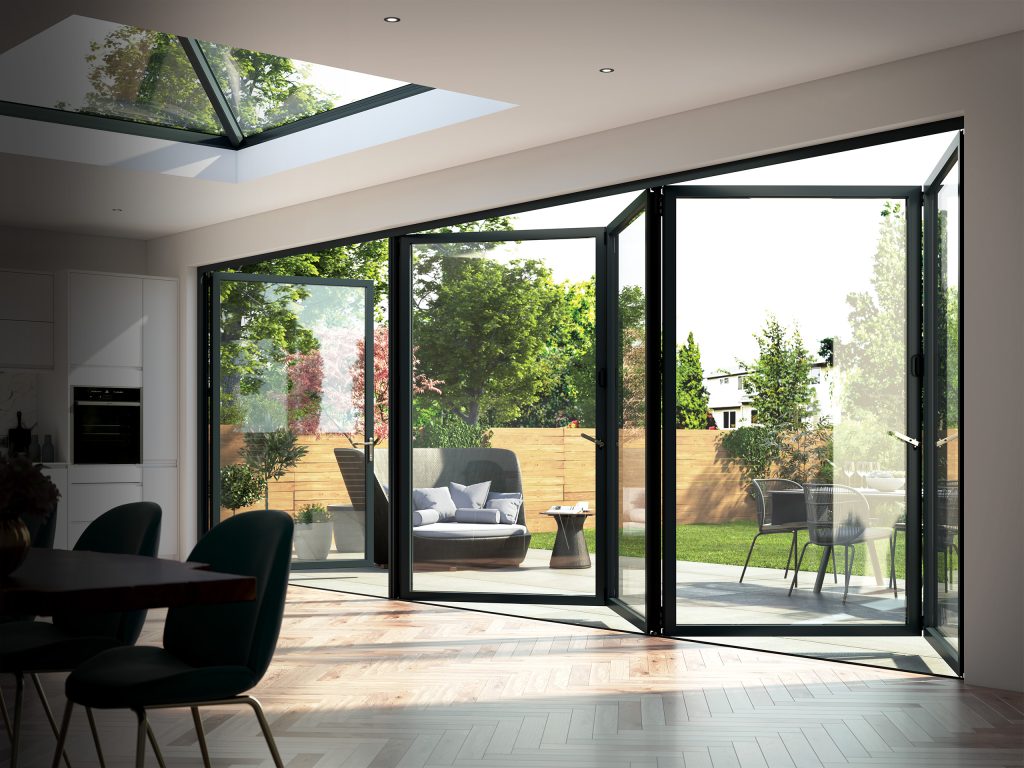
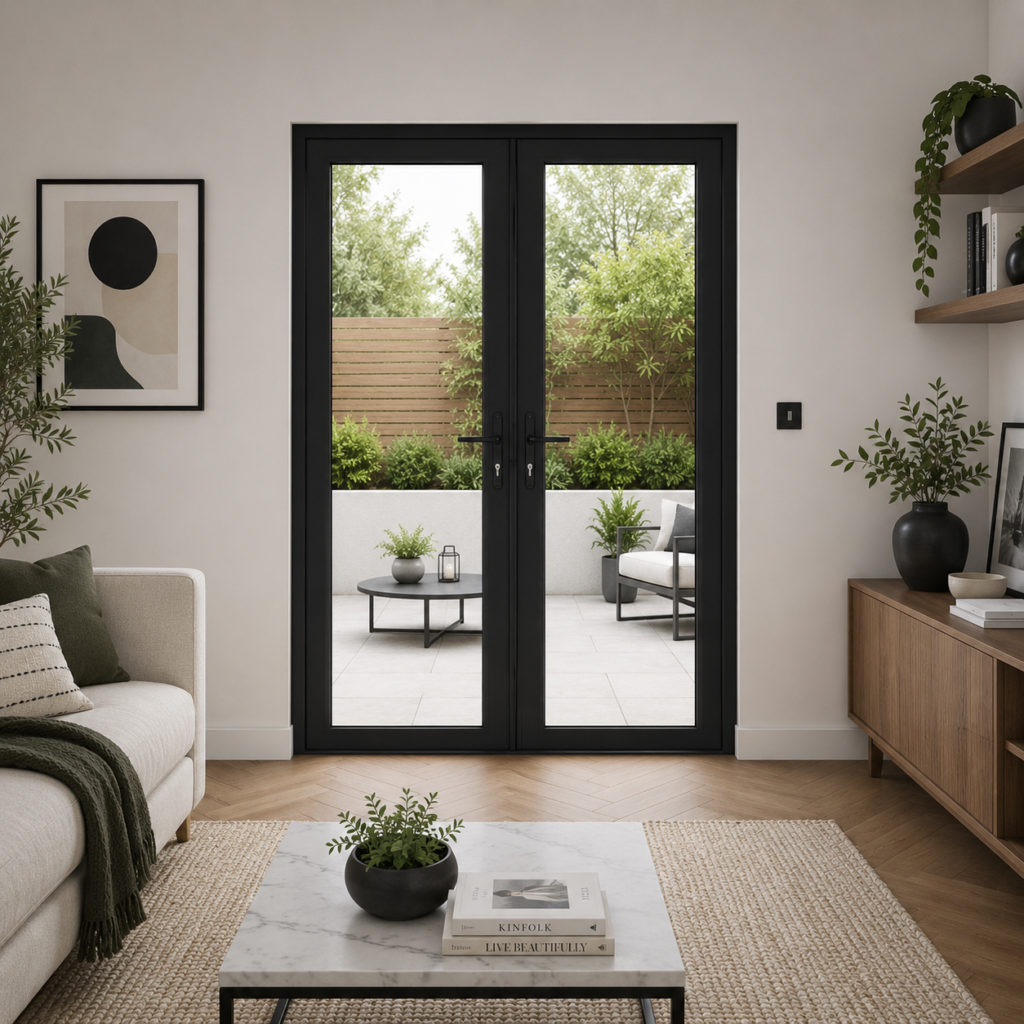
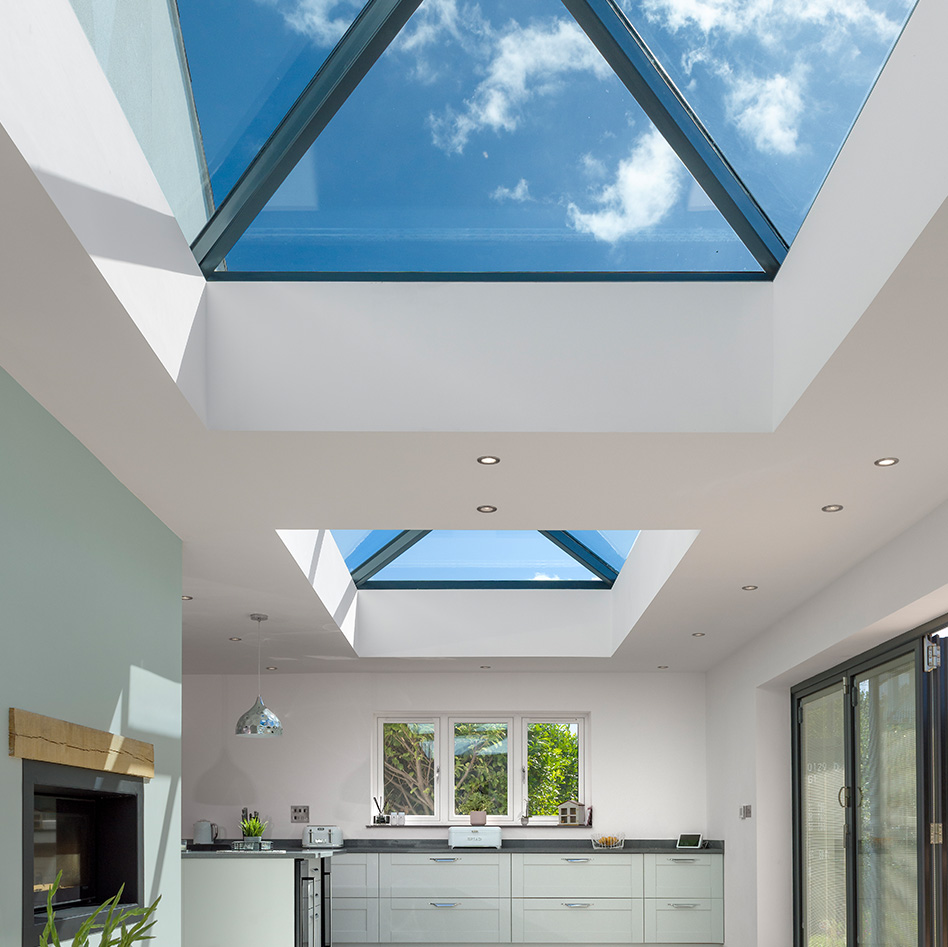
Not all glazing products carry the same trade margin. A standard uPVC window range will usually be priced differently from a slimline aluminium sliding door or a bespoke roof lantern. Brand, profile system, glazing specification and hardware selection all influence the final figure.
If you are pricing a straightforward replacement project, savings may come from choosing a dependable standard configuration. If the brief is more design-led, with larger panes, heritage styling or premium aluminium systems, the discount may still be strong but the base product cost will naturally be higher.
Order volume and frequency
This is one of the biggest factors. A one-off order for a single set of doors is not priced the same way as repeat monthly trade business. Suppliers tend to reward consistency because it reduces sales friction and creates a more predictable pipeline.
That does not mean smaller firms are excluded. Even modest but regular ordering can lead to better pricing over time, particularly when the supplier sees that enquiries are serious, complete and likely to convert.
Specification complexity
Bespoke glazing is one of the biggest strengths of modern supply, but it can also affect discount levels. Non-standard sizes, specialist colours, upgraded glass, trickle vent requirements, low thresholds, integrated blinds or unusual configurations all influence manufacturing cost.
This is where trade buyers need to think commercially. A highly tailored product may be exactly right for the client and still represent good value, but it is less likely to be priced like an off-the-shelf option. Better buying often comes from knowing where to keep things standard and where the project genuinely needs an upgrade.
Delivery and logistics
Nationwide supply is valuable, especially if you work across multiple regions, but logistics still have a cost. Delivery postcode, order size, handling requirements and site access can all affect the final commercial package.
For trade customers, this is another reason not to judge value on product price alone. A supplier who can deliver reliably across the UK, with products arriving when needed and in the right order sequence, can save time on site and reduce disruption to the wider programme.
Why the cheapest quote is not always the best trade deal
There is a difference between low cost and strong value. In glazing, the cheapest quote can sometimes hide problems that only show up later – incomplete specifications, weak aftersales support, unclear lead times or products that are harder to install than expected.
That becomes expensive quickly. An installer losing a day on site because dimensions are wrong, fixings are unclear or technical details are missing will feel that cost far more than a small initial saving. The same applies if a client asks questions about U-values, sightlines or security performance and you do not have easy access to the right documentation.
Strong trade pricing should make the job easier to win and easier to deliver. That means clear quotations, dependable product information, sensible lead times and support when specification questions come up.
How to get better trade discounts on glazing
Be clear and complete with your enquiry
Trade pricing works best when the supplier has enough information to quote accurately. Sizes, product type, colour, opening configuration, glazing requirement, delivery postcode and timescale all make a difference.
A vague request often leads to slower pricing or a cautious quote. A clear, well-scoped enquiry gives the supplier confidence and usually produces a better commercial response.
Build a repeat buying relationship
Suppliers are more likely to offer better terms when they know your business, understand your typical projects and trust your ordering pattern. That does not have to mean huge volume from day one. Consistency matters.
If you regularly buy windows, sliding doors, rooflights or lanterns, it is worth working with a supplier that can support several categories rather than forcing you to source each product separately. Consolidated buying can improve pricing and simplify administration.
Ask about the full trade package
Good trade support is broader than discount alone. Ask what else is included. Can you access technical drawings and specification documents easily? Is there help with product selection? Are lead times realistic? Is delivery organised in a way that works for site schedules?
These details affect profitability just as much as unit cost. A supplier that helps you specify correctly and keeps the ordering process efficient can protect your margin across the whole project.
Trade discounts on glazing for installers vs homeowners
The phrase often points to professional pricing, but there is a useful grey area worth mentioning. Some homeowners managing major self-builds, renovations or developer-style projects may also need a more commercial buying approach, especially when ordering multiple products at once.
That said, trade discounts on glazing are generally designed around customers who understand measurements, specification and ordering processes, or who are buying repeatedly. For homeowners, the bigger advantage is often consultative support – help choosing the right product mix, balancing budget and performance, and avoiding specification errors.
For trade professionals, speed and reliability tend to rank just as highly as price. A builder is not simply shopping for a door. They are protecting programme dates, client expectations and margin.
What a good glazing trade account should offer
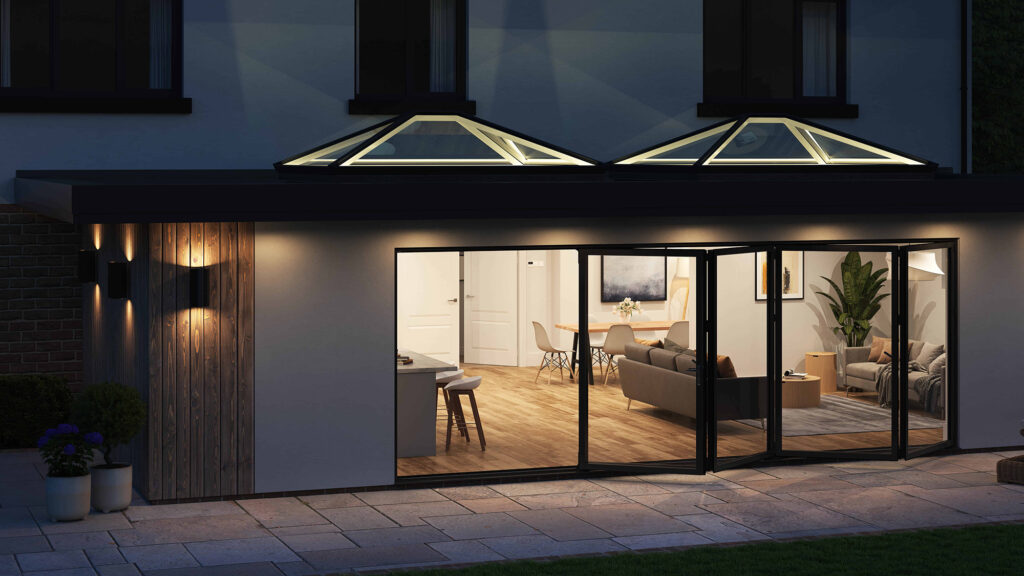
A worthwhile trade setup should feel practical from the start. Competitive pricing matters, but so does being able to source a broad product range through one dependable channel. Aluminium windows, uPVC windows, bifold doors, sliding doors, rooflights and lanterns often sit within the same project, so joined-up supply has obvious benefits.
It should also support specification confidence. Downloadable technical details, clear product options and UK-based advice are particularly useful when projects involve bespoke sizes or client-led design choices. If you are balancing performance targets with visual appeal, quick access to accurate information saves time.
For many trade buyers, the strongest arrangement is one that combines premium products with straightforward commercial terms. That might mean recognised systems, reliable nationwide delivery and approved trade pricing under one roof. Horizon Windows and Doors is one example of that model, particularly for firms that want both design flexibility and a cleaner buying process.
When discount should not be the only deciding factor
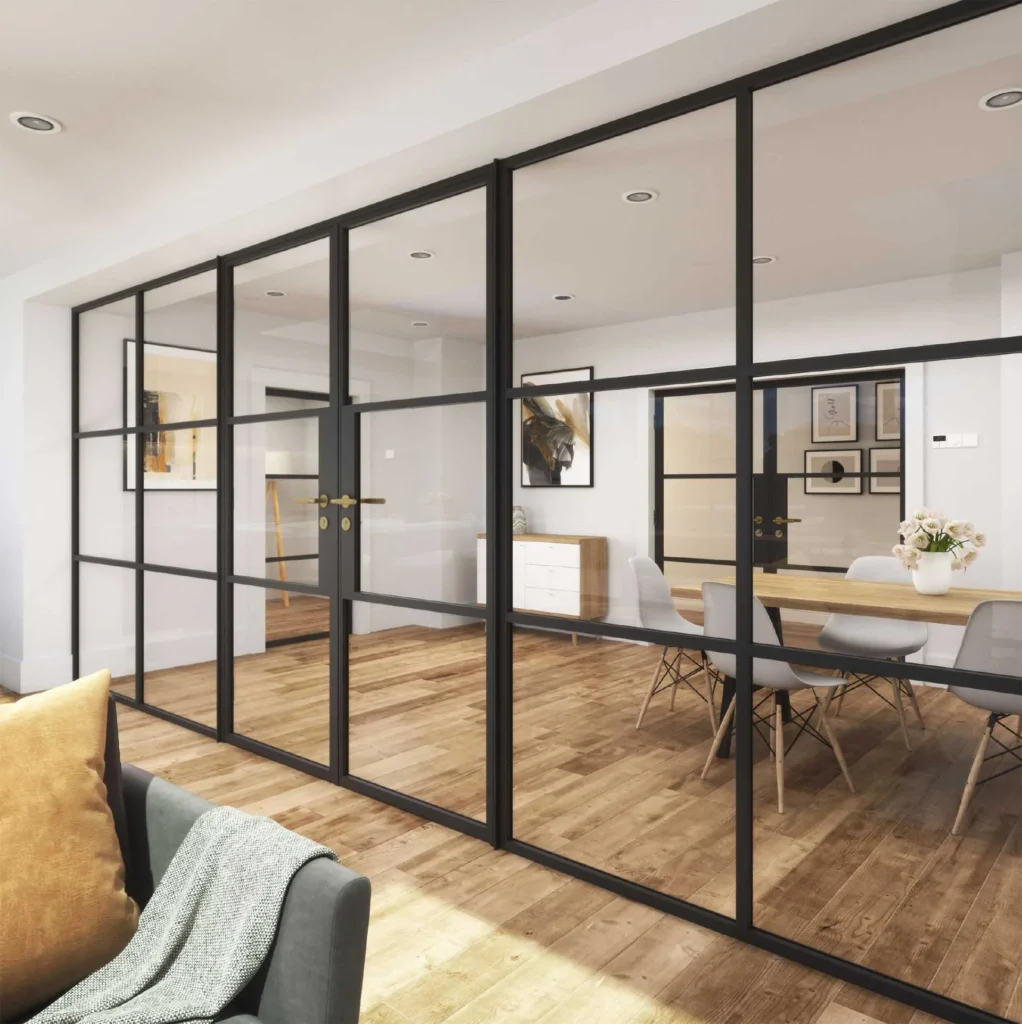
There are jobs where shaving every possible pound off the order is the wrong move. Large-span sliding doors, heritage replacements, high-spec roof glazing and feature screens all carry visible design impact. If quality drops, the whole project feels compromised.
There is also the issue of callbacks. Better products, better documentation and better support can reduce snags and protect your reputation. For installers and builders who rely on referrals, that matters more than a short-term saving on one quote.
The smart approach is to look at the full picture – purchase price, installation ease, lead time, technical support and customer satisfaction. That is where real trade value usually sits.
The best trade buying decisions are rarely about chasing the lowest figure. They are about finding pricing that helps you stay competitive while still delivering products you are happy to put your name to.