
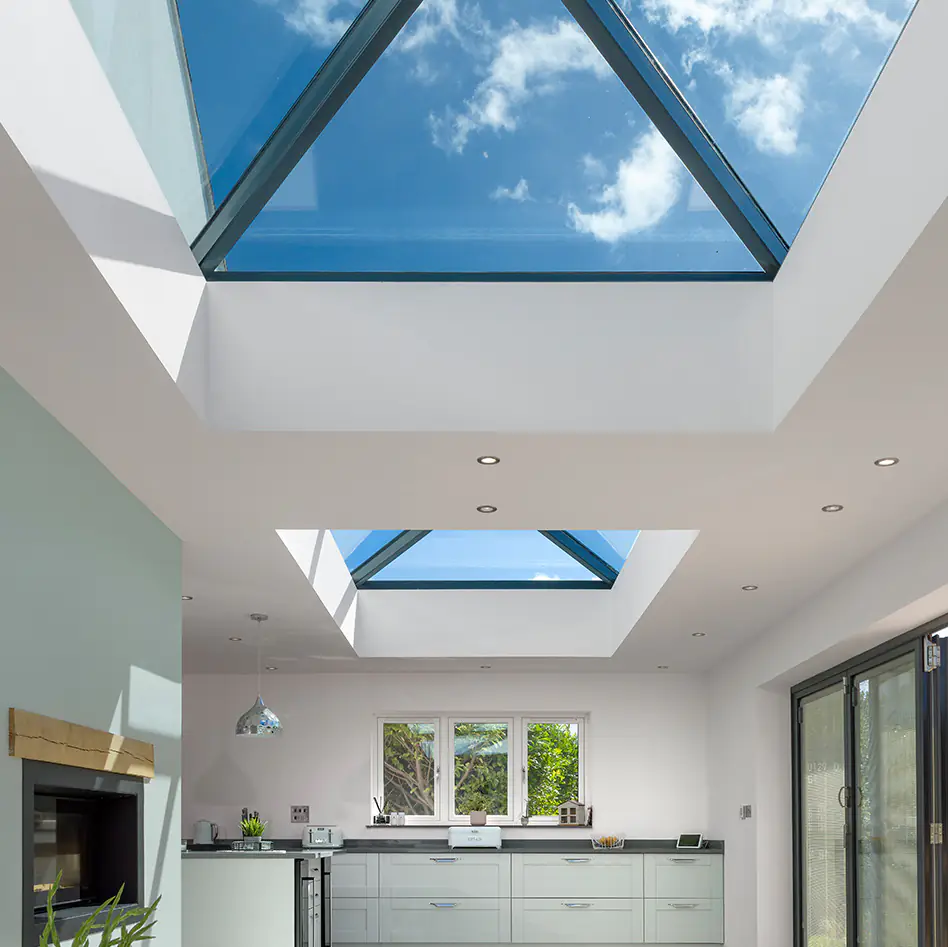
If your heating is working hard but the room still feels chilly near the glass, your windows are likely part of the problem. Choosing the best windows for energy savings is not just about buying the most expensive option on the page. It is about finding the right combination of glazing, frame material, window style and specification for the way your home is built and used.
In UK homes, heat loss through older or poorly specified windows can be significant, especially in period properties, extensions with large glazed areas and rooms exposed to wind or shade. Good windows help retain warmth, reduce draughts and create a more comfortable indoor temperature all year round. They can also improve acoustic performance and make the whole property feel more solid and better finished.
What makes the best windows for energy savings?
The short answer is thermal efficiency, but the detail matters. A window performs well when the whole unit works together – glass, spacer bars, seals, frame and installation. Looking at one feature in isolation can be misleading.
U-value is one of the main figures to check. It measures how much heat passes through the window, so lower is better. If you are comparing products, make sure you are looking at the whole-window U-value rather than just the centre pane figure. A window can have impressive glass performance on paper, but if the frame or seals are weaker, the overall result will be less convincing.
You should also pay attention to air leakage. Even a thermally efficient unit will disappoint if draughts find their way around the sash, hinges or installation gaps. In practical terms, a well-made window with quality gaskets and careful fitting can outperform a supposedly higher-spec product installed badly.
Solar gain plays a role too. South-facing rooms can benefit from free warmth in cooler months, but large expanses of glazing may also contribute to overheating in summer. The best choice often depends on orientation, room size and how much glass the design includes.
Double glazing or triple glazing?
For many UK homes, modern double glazing delivers strong energy performance without pushing cost and weight too far. It is a dependable choice for replacement windows, renovations and many new extensions, especially when paired with low-emissivity glass, warm edge spacer bars and argon-filled sealed units.
Triple glazing can improve insulation further, and in some settings that extra performance is worthwhile. It can be a strong option for very exposed locations, highly energy-efficient self-builds or projects where reducing heat loss is a top priority. It may also help with outside noise, although that depends on the full glass specification rather than the number of panes alone.
The trade-off is that triple glazing is heavier, usually more expensive and not always necessary for every elevation of every home. In a standard renovation, the jump from old glazing to modern double glazing is often the biggest leap. Moving from good double to triple can bring smaller gains, so it is worth weighing the budget against the likely benefit.
The best frame materials for energy efficiency
Frame material has a direct impact on thermal performance, maintenance and appearance. There is no single winner for every project.
uPVC windows
uPVC remains one of the most popular choices for homeowners looking for strong thermal efficiency at a competitive price point. Multi-chambered uPVC profiles are designed to slow heat transfer, and well-made systems can achieve very good U-values.
They are also low maintenance, weather resistant and suited to a wide range of property types. For many households, uPVC offers the clearest route to better comfort and lower heat loss without stretching the renovation budget. The main consideration is aesthetic preference. While modern finishes have improved significantly, some homeowners still prefer the slimmer sightlines and premium feel of aluminium.
Aluminium windows
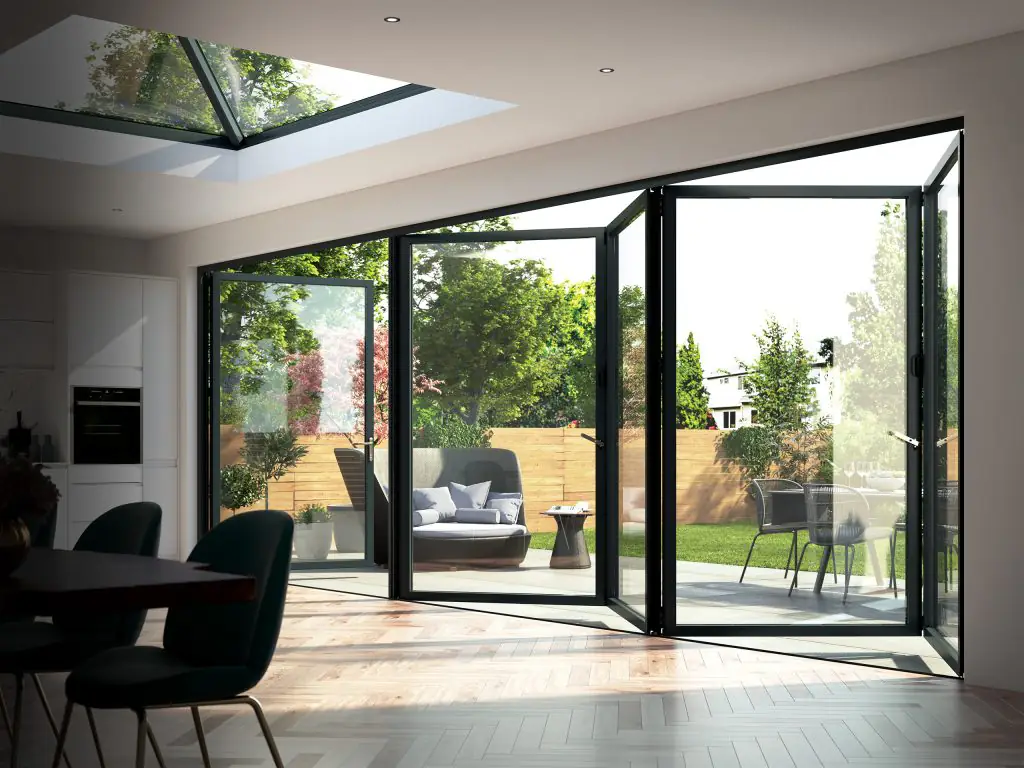
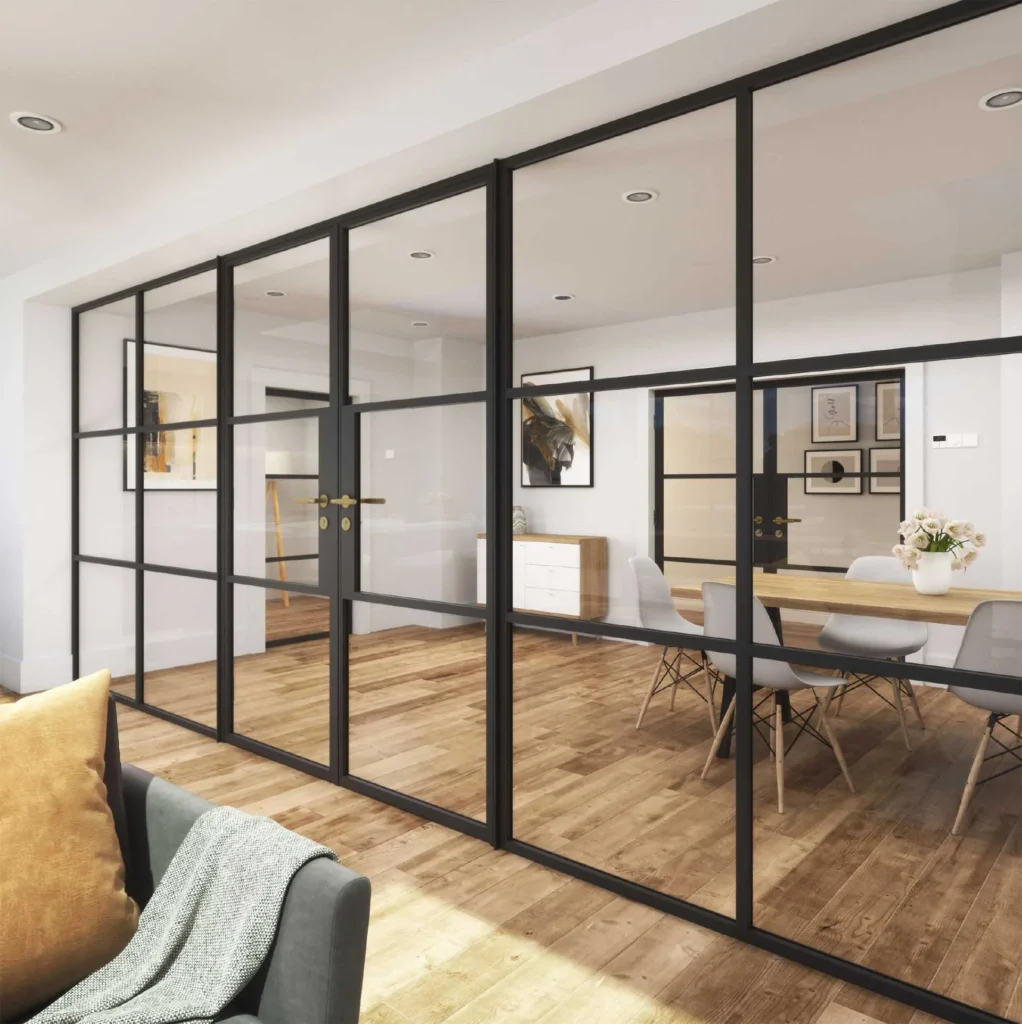
Aluminium windows are often chosen for their clean lines, contemporary appearance and strength. Older aluminium systems had a reputation for poorer thermal performance, but modern thermally broken aluminium frames are a different proposition entirely. Quality systems can perform very well while allowing slimmer frames and more glass.
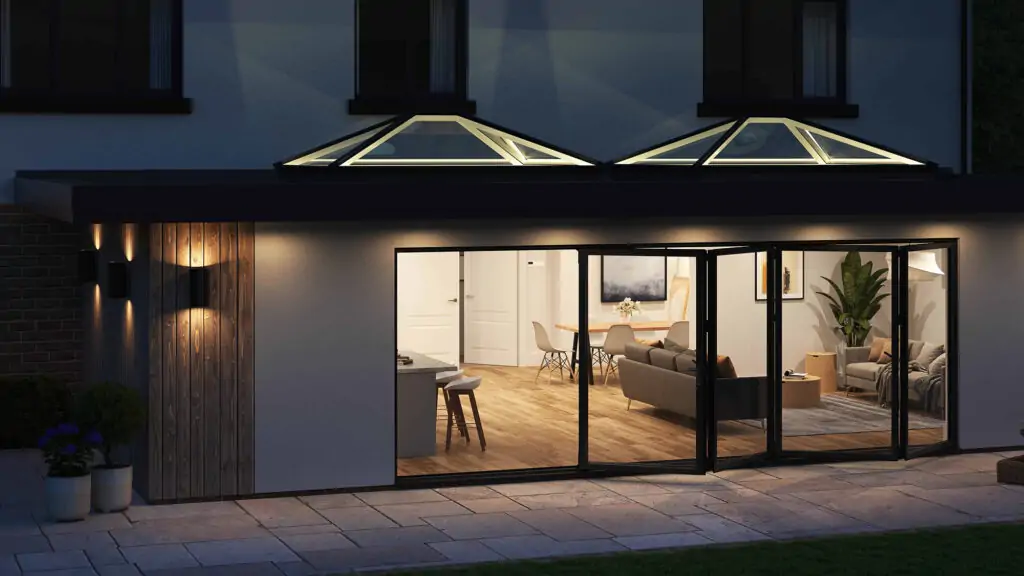
That makes aluminium especially attractive for design-led renovations, larger openings and homes where maximising light matters just as much as improving efficiency. They do tend to cost more than uPVC, so the value decision often comes down to balancing looks, durability and thermal performance.
Timber-style and heritage considerations
If you are updating a period property, energy savings still matter, but visual fit often matters too. In conservation-sensitive settings, the right heritage-style window can improve insulation without undermining the character of the home. Here, detail is everything – sightlines, glazing bars, hardware and frame proportions all affect the final result.
A poor visual match can look out of place, but keeping inefficient windows purely for appearance can be costly over time. The best approach is usually a carefully specified replacement that respects the building while delivering modern performance.
Which window style saves the most energy?
Style affects performance because different opening methods create different sealing pressures and frame proportions.
Casement windows
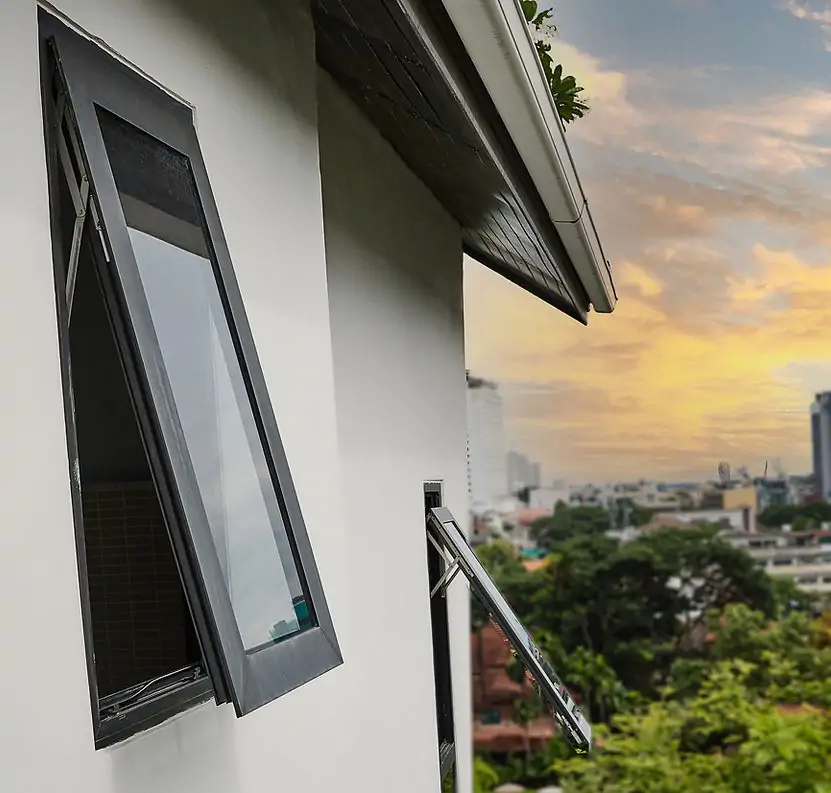
Casement windows are often among the best performers for energy savings. When closed, the sash presses firmly against the seal, helping to reduce draughts. They are widely available across both uPVC and aluminium systems, making them a practical choice for many renovation and new-build projects.
Flush casement windows
Flush casement designs can combine strong thermal performance with a neater, more traditional appearance. They are particularly useful where you want a softer look than a fully contemporary frame but still need modern insulation standards.
Sliding sash windows
Sliding sash windows can be energy efficient, but the specification matters more than with casements. Because of how they open, they may not always achieve the same level of compression sealing. A well-engineered modern sash window can still perform very well, especially for heritage upgrades, but it is worth comparing tested figures rather than assuming all styles perform equally.
Fixed windows
Fixed panes are usually very efficient because they do not open and therefore need fewer moving seals. If your design allows for a mix of fixed and opening units, that can be an effective way to maximise insulation while still keeping ventilation where you need it.
Glass specification matters more than many buyers realise
When people ask about the best windows for energy savings, the conversation often jumps straight to frame material. In reality, the glass package can have just as much impact.
Low-emissivity coatings help reflect heat back into the room, which is one of the key reasons modern glazing feels more comfortable than older units. Gas-filled cavities, typically argon, improve insulation further. Warm edge spacer bars reduce heat transfer around the edge of the sealed unit, where performance can otherwise dip.
Glass thickness and configuration can also be tailored. In some projects, a standard energy-efficient double-glazed unit is enough. In others, especially where orientation or exposure is challenging, a more bespoke specification may be worthwhile. This is where expert advice becomes valuable, because the right answer is not always the same across the whole house.
Installation is as important as the product
A premium window cannot compensate for poor fitting. Gaps around the frame, weak sealing and rushed finishing work can all reduce efficiency and lead to condensation, cold spots and customer frustration.
That is why homeowners and trade buyers alike should look beyond brochure claims. Ask how the window is being specified, whether technical details are available and how the opening will be prepared. A good product, correctly measured and properly installed, is where the real performance comes from.
For larger renovations, extensions and bespoke glazing packages, it often makes sense to plan windows as part of the full building envelope rather than treat them as a late-stage purchase. That helps avoid compromises on size, frame depth, ventilation and thermal detailing.
How to choose the right option for your property
The best window for a Victorian terrace is not automatically the best one for a garden room, new extension or contemporary self-build. Start with the priorities for the space.
If budget and efficiency are leading the decision, modern uPVC casement windows are often a strong place to start. If the project is design-led and focused on slim sightlines, thermally broken aluminium may offer the right balance. If you are upgrading a period home, flush or heritage-style options can help preserve character while improving warmth.
It is also worth thinking room by room. Bedrooms facing a busy road may benefit from a different glazing specification than a rear kitchen extension. A north-facing elevation may need a stronger focus on insulation, while a bright south-facing room may need better control of solar gain.
For trade professionals, consistency of supply, technical documentation and clear specification support are just as important as headline thermal figures. A window that looks good on paper but creates delays on site is rarely the best commercial choice.
Good energy-saving windows do more than lower heat loss. They help create rooms that feel warmer, quieter and more usable every day. If you choose with the whole project in mind – not just the sticker price – the result is usually better comfort now and a smarter property upgrade for years to come.