
If you are replacing tired frames, planning an extension or specifying glazing for a new build, the aluminium vs uPVC windows question usually comes up early – and for good reason. The right choice affects appearance, thermal performance, maintenance, budget and even how much glass you can get into the opening. There is no one-size-fits-all answer, but there is a clear way to decide what suits your project.
For some homes, uPVC is the sensible, cost-effective option that delivers strong insulation and low upkeep. For others, aluminium is the better long-term fit because it offers slimmer sightlines, a more architectural finish and excellent strength. The best material depends on what matters most in your property and where you are willing to compromise.
Aluminium vs uPVC windows: the core difference
At a glance, both materials can give you modern, secure, energy-efficient windows. The real difference is in how they look, how they perform over time and how they fit your budget.
uPVC windows are popular because they are affordable, practical and familiar. They suit a wide range of properties, from standard replacements in family homes to rental upgrades and cost-conscious renovation projects. Modern uPVC has come a long way in appearance too, with better foils, cleaner profiles and improved hardware choices.
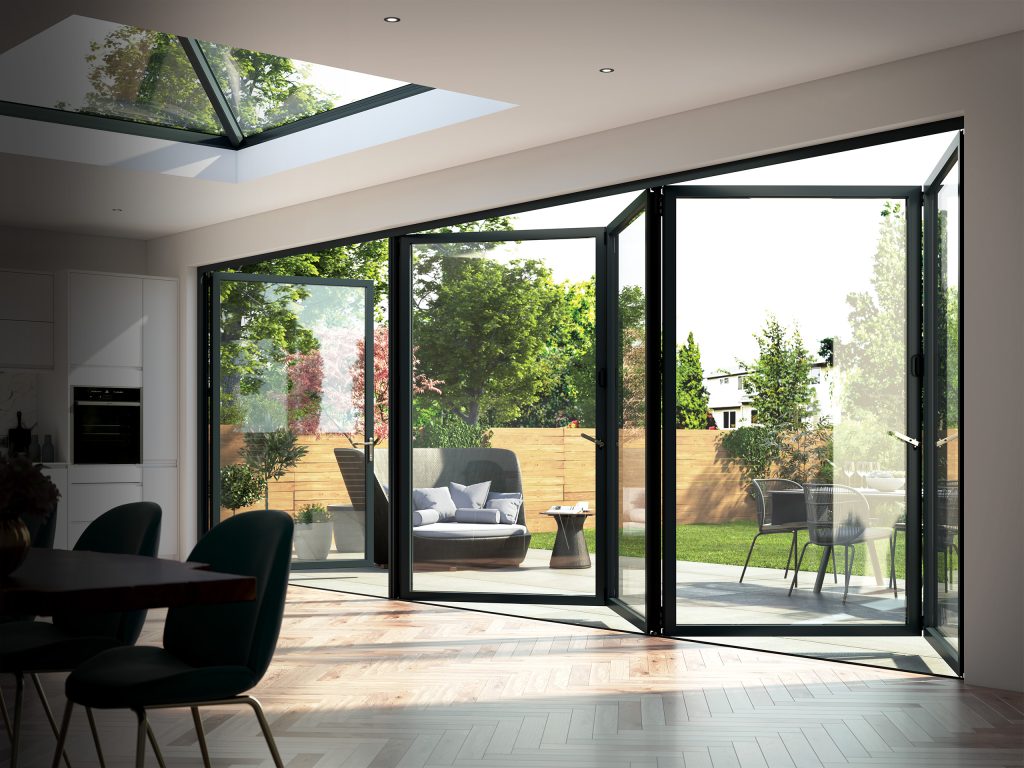
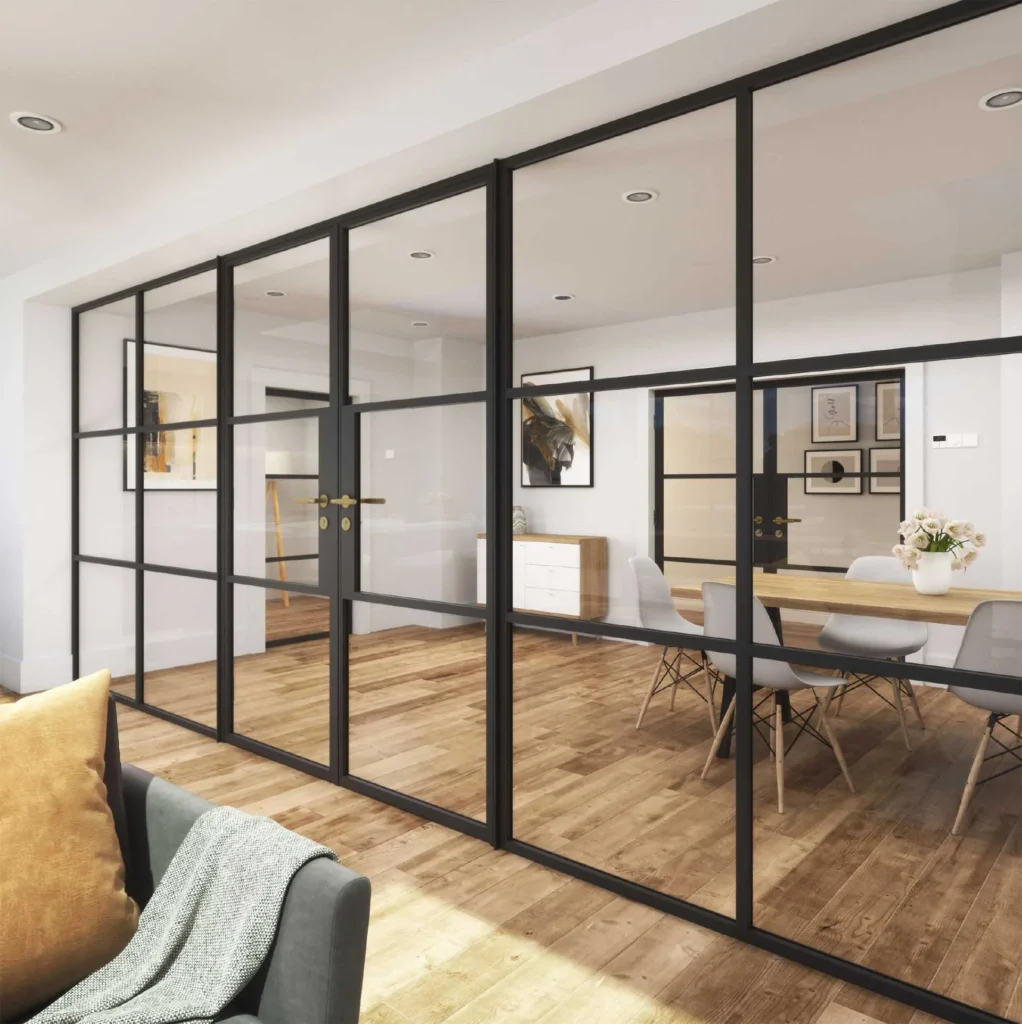
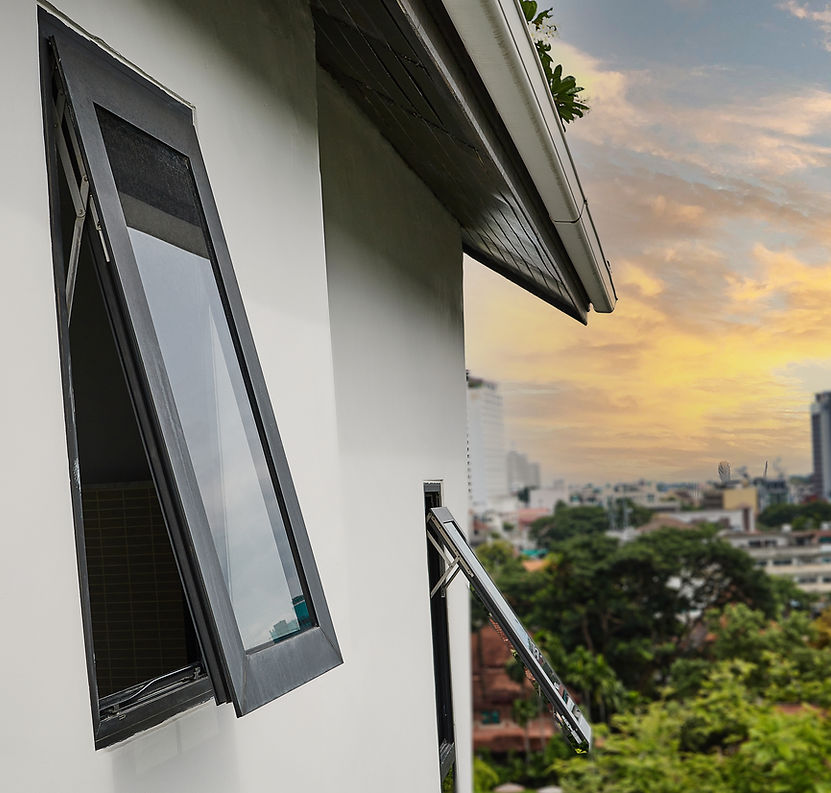
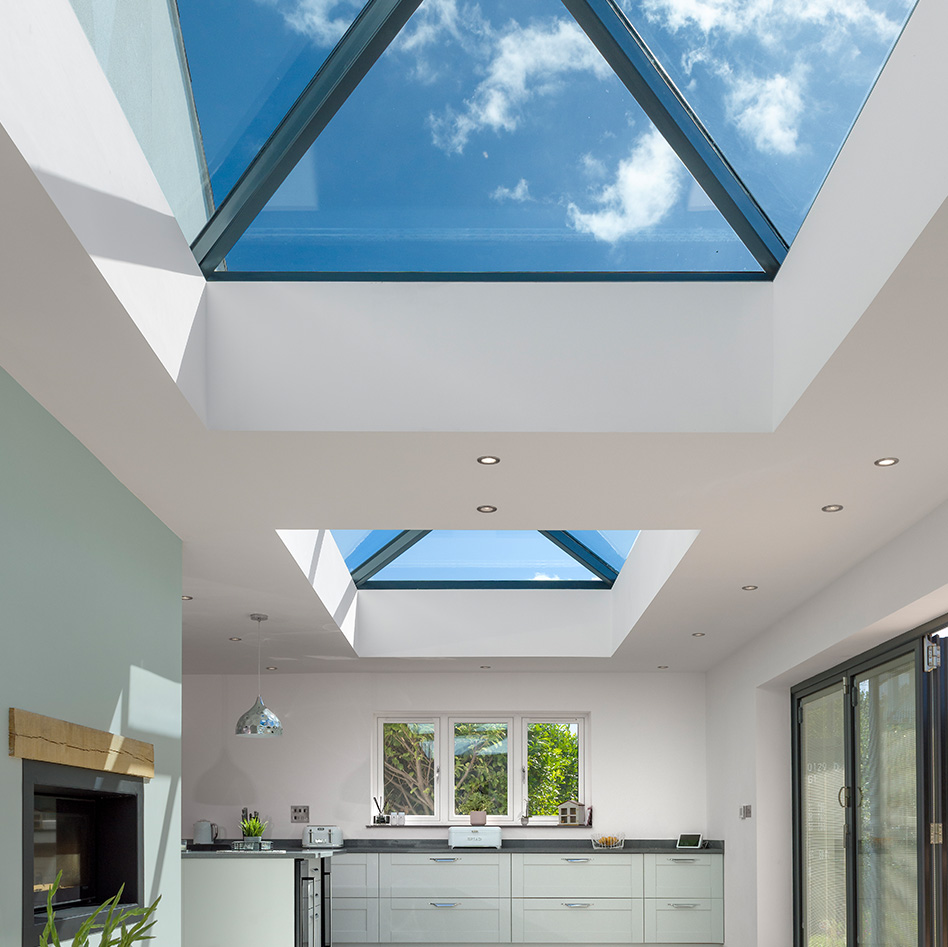
Aluminium windows sit at the more premium end of the market. They are valued for strength, cleaner lines and a more refined aesthetic. Because aluminium is structurally stronger than uPVC, frames can be slimmer while still supporting larger glazed areas. That means more light, a sharper overall look and a finish that often suits contemporary homes, extensions and design-led renovations.
Which looks better?
This is often where the decision starts. If you want a crisp, minimal frame with larger panes of glass, aluminium has a clear advantage. Slimmer profiles make a noticeable difference, especially on bigger openings or homes where natural light is a priority. On modern rear extensions, garden rooms and open-plan kitchen projects, aluminium tends to deliver the cleaner result.
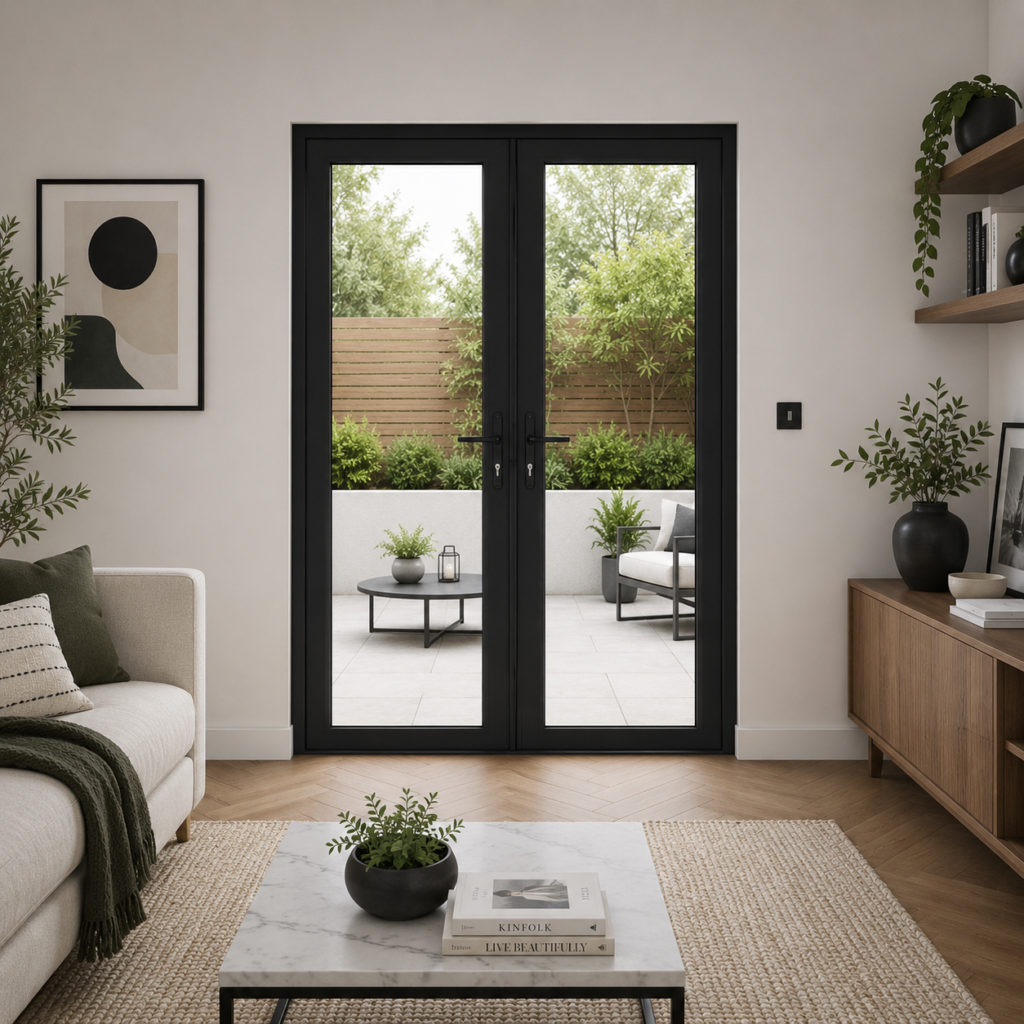
uPVC can still look smart, particularly on standard window sizes and more traditional properties. It is often the easier visual fit for straightforward replacement projects where the aim is to improve performance without changing the character of the home too dramatically. Woodgrain effects and coloured finishes have improved, but the frames are generally bulkier than aluminium.
So if your priority is to maximise light and space, aluminium usually wins. If your aim is a neat, reliable upgrade at a lower price point, uPVC often makes more sense.
Cost: upfront spend versus long-term value
For most buyers, budget matters. In a direct aluminium vs uPVC windows comparison, uPVC is normally cheaper to buy. That lower initial cost can be a major advantage if you are replacing multiple windows across a property or balancing glazing choices against a wider renovation budget.
Aluminium usually costs more, sometimes significantly more depending on specification, size, colour and glazing package. That said, the higher price is not just for appearance. You are also paying for greater structural strength, powder-coated finishes, longer service life and a more premium overall product.
The better value option depends on your project. If you are renovating a buy-to-let, upgrading a first home or working to a tight budget, uPVC often delivers strong results for the money. If you are investing in a forever home, a high-end extension or a property where design matters to resale appeal, aluminium can justify the extra spend.
Thermal performance and energy efficiency
Many people assume one material is automatically warmer than the other, but modern window performance is more nuanced than that. Both aluminium and uPVC windows can achieve very good thermal performance when properly designed and glazed.
uPVC is naturally a good insulator, which has always been one of its strengths. Aluminium is a conductive material, but modern aluminium windows use thermal breaks that dramatically improve insulation. In practice, the quality of the system, the glazing specification and the installation standard all play a major role in real-world performance.
That means you should not choose on frame material alone. Check the window U-value, glazing configuration and weather performance rather than assuming all uPVC windows outperform all aluminium windows. A well-made aluminium system can outperform a poorly specified uPVC one, and the reverse is also true.
Durability and lifespan
If longevity is high on your list, aluminium has a strong case. It is highly resistant to warping, swelling and weather-related movement, which makes it especially appealing for exposed locations or larger window designs. Powder-coated aluminium finishes are also built to last, with strong colour stability and a more premium surface finish.
uPVC is durable and low maintenance, but over a long enough timeline it is generally more vulnerable to expansion and contraction from temperature changes. Quality matters here. A well-manufactured uPVC window from a reputable supplier will perform far better than a budget product built down to a price.
For homeowners planning to stay put for many years, aluminium may offer more confidence as a long-term investment. For those looking for dependable performance without paying a premium, uPVC remains a solid choice.
Maintenance and day-to-day practicality
Both materials are relatively easy to live with. Neither needs painting, staining or intensive upkeep. A regular clean and occasional check of seals, hinges and locks is usually enough.
Aluminium has an edge in finish quality and long-term appearance, particularly in darker colours and more exposed settings. uPVC is simple to maintain too, but it can show its age sooner depending on the quality of the profile and the environmental conditions around the property.
For busy households, landlords and trade buyers managing multiple plots, both options score well on practicality. Aluminium simply tends to hold its premium appearance for longer.
Security and strength
Security is not just about material. Locking systems, glazing, beading and installation all matter. That said, aluminium is naturally very strong, which helps when designing larger windows or configurations with bigger glass units.
uPVC windows can still achieve excellent security standards and are widely used across the UK in secure residential applications. For standard-sized windows, the difference may not be decisive. For larger openings or projects where frame strength is critical to the design, aluminium has the advantage.
What suits traditional and modern homes?
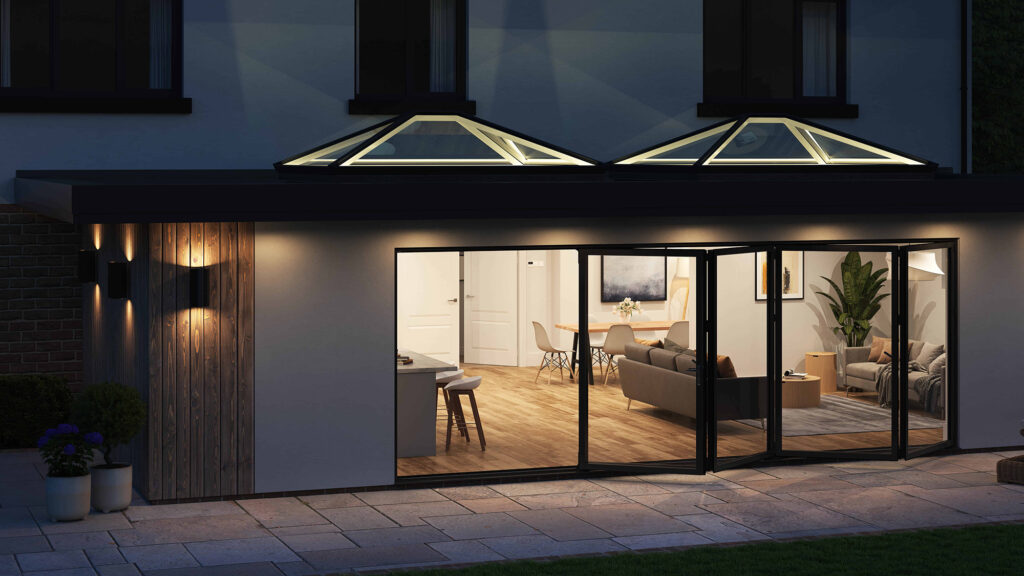
This is where context matters. On a modern extension in Surrey, London or Manchester, aluminium often feels like the natural fit because it complements contemporary doors, rooflights and open-plan glazing. It works particularly well when you want consistency across bifolds, sliders and windows.
On more traditional homes, cottage-style properties or standard suburban replacements, uPVC can be the more comfortable visual match. It is also often the more practical route when you need to upgrade windows across the whole house without stretching the budget too far.
There are exceptions, of course. Heritage-style aluminium systems can look excellent on period-inspired schemes, and high-quality uPVC can be surprisingly refined. The wider design of the property should lead the decision, not the material in isolation.
Aluminium vs uPVC windows for trade and renovation projects
For trade professionals, this choice is often about specification efficiency as much as looks. uPVC can be easier to cost into volume replacement jobs, helping keep projects commercially viable while still meeting energy and security requirements. It is often the straightforward answer for housing upgrades, routine refurbishments and price-sensitive developments.
Aluminium tends to come into its own on architect-led work, larger glazed openings and projects where the client expects a premium finish. It can also help create continuity when the rest of the glazing package is aluminium, such as sliding doors, bifolds or roof glazing. In those cases, the extra spend supports a more cohesive result.
So which should you choose?
Choose uPVC if budget is a major factor, you want strong thermal performance, and your project is focused on reliable everyday value. It is the practical all-rounder and, for many homes, the right answer.
Choose aluminium if you want slimmer frames, a more contemporary appearance, larger glazed areas and a product that feels more design-led from the outset. It usually costs more, but it can transform the finish of a project.
If you are still weighing up aluminium vs uPVC windows, the smartest move is to compare actual product specifications rather than material labels alone. Sightlines, U-values, colour options, hardware, lead times and opening sizes all matter. That is where the difference between a decent window and the right window becomes clear.
A good window should do more than fill an opening. It should brighten your home, suit the way you live and feel like money well spent every time you look at it.