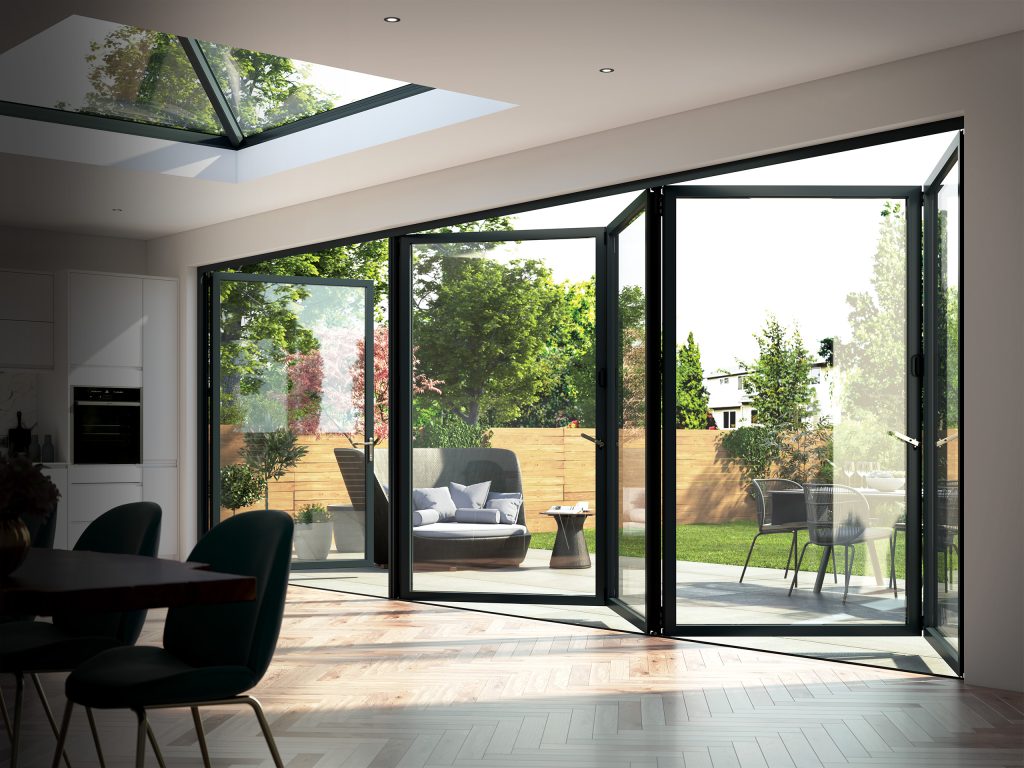
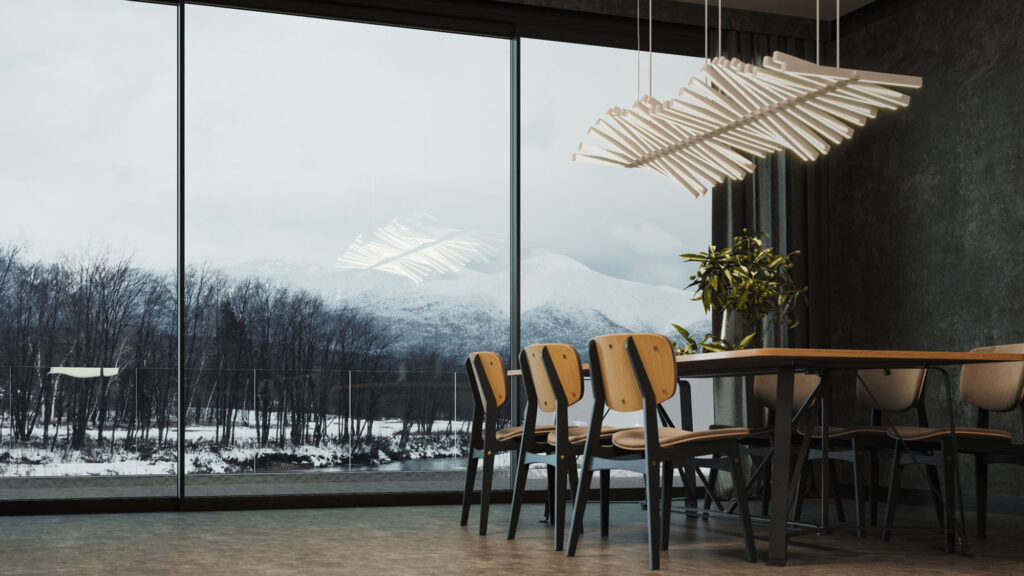
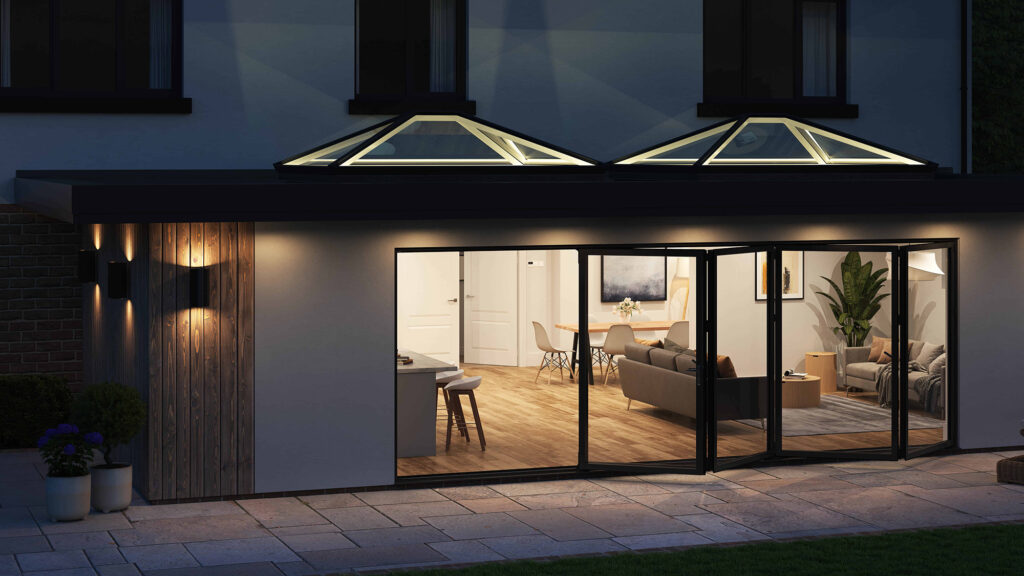
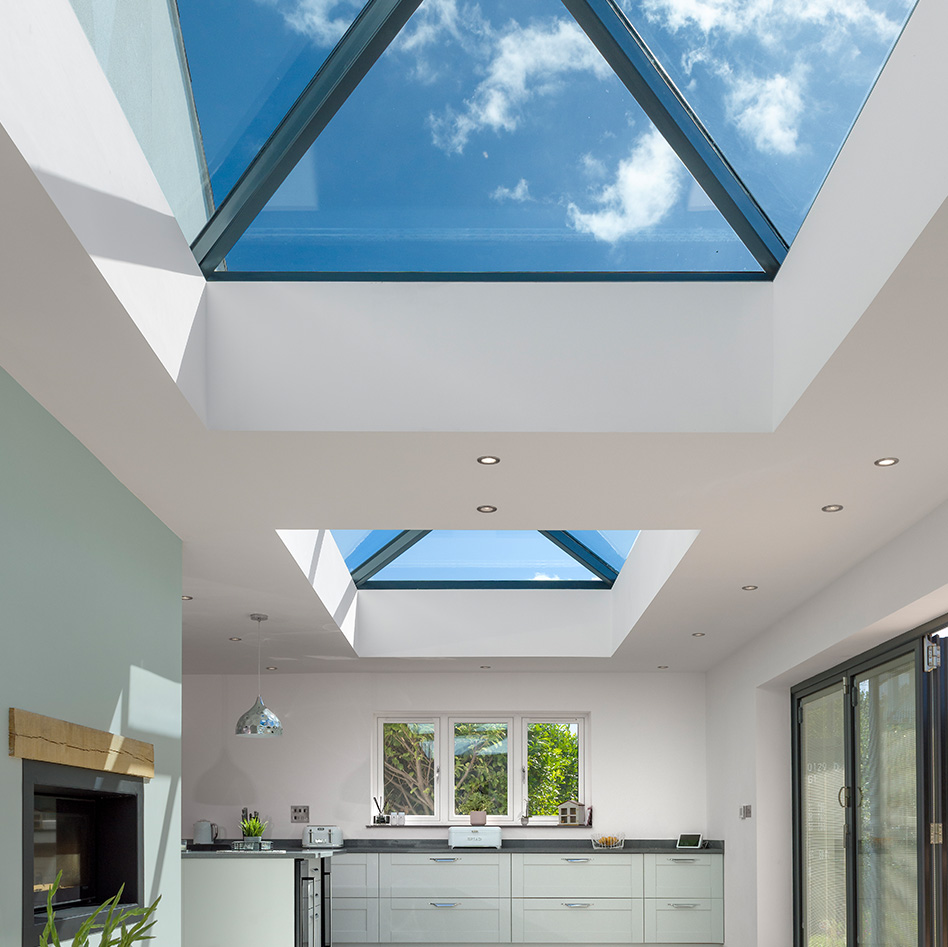
A roof lantern can transform a flat roof extension – but only when the proportions, glazing and specification are right. If you are working out how to design roof lanterns for a kitchen, dining area or garden room, the aim is not simply to add more glass. It is to bring in better light, suit the scale of the room and choose a system that performs well in everyday use.
That balance matters. A lantern that looks impressive on paper can feel too dominant once installed, while an undersized design may leave the room flatter and darker than expected. Good design starts with the space below, the roof above and the practical demands of the property.
Start with the room, not the product
The most effective roof lantern designs are led by the room’s purpose. In a kitchen extension, you might want bright, even daylight across worktops and an island. In a dining space, the goal may be more about atmosphere and a sense of height. In a garden room or orangery-style extension, the lantern often becomes a central design feature as much as a light source.
That means the first question is not which frame colour to pick or which brand to choose. It is how the room will be used, where people will spend time, and what kind of light will improve it. A lantern positioned directly over a dining table creates a very different effect from one centred over an open-plan kitchen and living area.
It is also worth considering how the extension connects to the rest of the house. If the new room sits behind a darker original rear wall, the lantern may need to do more than brighten the extension itself. It may also need to pull daylight further back into the existing home.
How to design roof lanterns for the right size
Size is usually the biggest design decision, and the easiest one to get wrong. Many homeowners assume larger is automatically better, but that is not always the case. A lantern should feel in proportion with the flat roof and with the room beneath it.
As a rule, the lantern should complement the structure rather than consume it. Leave enough solid roof around the perimeter so the opening looks intentional and the room still feels anchored. If the upstand and roof margins become too tight, the lantern can look top-heavy from outside and slightly overpowering from inside.
In practical terms, the best size depends on ceiling height, room dimensions and furniture layout. A compact lantern in a modest extension can still deliver a strong result if it is well placed. In a large open-plan space, a broader design or twin lantern arrangement may work better than one oversized unit.
The shape matters too. Rectangular roof lanterns are often the most flexible option for kitchen extensions because they align neatly with islands, dining tables and long room layouts. Square designs can work well over central seating areas or symmetrical spaces. The right choice is usually the one that follows the architecture rather than fighting it.
Think carefully about placement
A roof lantern does not need to sit exactly in the middle of the roof to look right. In many projects, the best position is dictated by what happens below. If the room has a kitchen island, a seating area or a dining table as its focal point, aligning the lantern with that feature often gives the most considered result.
Placement also affects the quality of light. A centrally positioned lantern can spread daylight evenly, while an offset design may highlight one part of the room more strongly. Neither is wrong – it depends on what you want the room to do.
You should also think about sightlines from inside the house and from the garden. From indoors, slim bars and tidy proportions help keep the view upward clean and uncluttered. From outside, the lantern should sit comfortably on the roof and suit the extension style, whether that is contemporary, traditional or somewhere in between.
Pitch, proportions and frame design
One of the details people often overlook when deciding how to design roof lanterns is roof pitch. The pitch influences both appearance and performance. A well-judged pitch helps rainwater run off efficiently and gives the lantern its visual character.
Lower-pitch lanterns usually look more contemporary and restrained. They can suit modern extensions with clean lines and slim aluminium frames. Steeper pitches can feel more traditional and may suit period-style homes or heritage-inspired projects. The key is consistency with the rest of the build.
Frame design has a big impact as well. Slim sightlines maximise glass area and create a lighter, more refined look, which is why aluminium roof lanterns are such a popular choice. Thicker frames may suit some styles, but in many modern extensions, the cleaner and less bulky the structure looks, the better the finished result.
There is a trade-off here. Ultra-slim styling is attractive, but design should never come at the expense of structural performance or long-term reliability. A good lantern needs to look sharp and cope with British weather year after year.
Choose glazing with performance in mind
Natural light is the reason most people want a roof lantern, but thermal performance and solar control matter just as much. Too much glass without the right specification can make a room uncomfortably warm in summer and harder to heat in winter.
Double glazing is often the standard choice for residential roof lanterns, offering a strong balance of energy efficiency, cost and clarity. In some projects, upgraded glazing options are worth considering, especially where the room gets strong sun exposure or where performance targets are tighter.
Solar control glass can help reduce overheating, which is particularly useful in south-facing extensions. Self-cleaning coatings can also be helpful, especially on higher lanterns where external access is difficult. These upgrades can add to the initial spend, but they may improve comfort and reduce maintenance over time.
Glass choice also affects appearance. Some coatings create a slightly different external tint, so it is worth checking how the product looks in real conditions rather than relying on a specification sheet alone.
Frame colour and internal finish
Colour should support the extension design, not distract from it. Anthracite grey remains a strong choice because it works with both modern and traditional homes, and pairs well with aluminium doors and windows. Black can create a sharper architectural look, while white or dual-colour options may be better suited to lighter interiors or more classic properties.
The internal view matters as much as the external one. A lantern is something you will look at every day, often from the kitchen or living area, so the inside finish should feel at home with the rest of the room. If you are already specifying bifold doors, sliding doors or aluminium windows, it often makes sense to align colours and sightlines across the whole scheme.
Ventilation, blinds and practical extras
A fixed roof lantern is the simplest and most common option, but it is not always the complete answer. In warm open-plan rooms, additional ventilation may be needed elsewhere in the design, especially if the space already includes large areas of glazing.
Blinds are another practical consideration. Some homeowners prefer to keep the lantern clear for maximum daylight, but in bedrooms, garden rooms or very bright kitchen extensions, shading can improve comfort. It is easier to think about these details at specification stage than after installation.
This is also where trade-offs become clear. More glass gives a brighter feel, but can increase glare. A dramatic statement lantern can elevate the room, but only if the thermal and solar performance stack up. The best design decisions usually come from balancing appearance with how the room will actually be lived in.
Match the lantern to the build quality
A roof lantern should never be chosen in isolation. The opening, kerb or upstand, roof finish and installation quality all affect the final result. Even a premium system can disappoint if the surrounding details are poor.
For homeowners, this is where expert support is valuable. For builders and installers, clear technical information and straightforward specification matter just as much. Dimensions, upstand requirements, glazing options and lead times should all be understood before ordering, particularly on bespoke projects where other elements of the build are moving at pace.
If you are comparing systems, look beyond the headline appearance. Assess sightlines, thermal values, installation method, available sizes and how well the product integrates with the wider glazing package. A roof lantern is often one part of a bigger extension design, so compatibility counts.
Design for the light you want to live with
The strongest roof lantern schemes are rarely the ones with the most glass. They are the ones that make the room feel brighter, taller and better connected to the outdoors without creating new problems. That might mean choosing a slightly smaller lantern with better proportions, a solar control glass specification, or a frame style that better suits the home.
If you are planning an extension and want a lantern that feels considered rather than simply added on, take the time to assess the room from every angle – size, placement, pitch, glazing and finish. That is usually the difference between a feature that looks good in photos and one that genuinely improves the way the space feels every day.
When the design is right, a roof lantern does more than brighten your home. It gives the whole room a clearer sense of purpose.