
A garden room can look excellent on paper and still disappoint once it is built. The usual reason is the doors. Get them right and the room feels bright, open and properly connected to the garden. Get them wrong and even a well-finished space can feel dark, awkward or cut off. That is why choosing the best doors for garden rooms matters so much.
The right option depends on how you want the room to work day to day. A garden office has different priorities from a garden gym, studio or family room. Some people want the widest possible opening in summer. Others care more about thermal performance, privacy or getting furniture in and out without a struggle. There is no single perfect answer, but there is usually a best-fit solution.
What makes the best doors for garden rooms?
Start with the basics. Most buyers are looking for a combination of natural light, reliable insulation, security and clean sightlines. In a garden room, doors do more than provide access. They shape the whole feel of the space, both inside and out.
Large glazed doors bring in daylight and help the room feel bigger. That matters in compact buildings where every bit of borrowed light improves comfort. At the same time, bigger glass areas need good quality frames, glazing and weather sealing if you want the room to stay comfortable through a British winter.
You also need to think about opening style. A fully opening doorway can be brilliant for entertaining or for a room used as a social space. In a narrower garden, though, a door that slides rather than stacks may make more practical sense. The best choice often comes down to layout, frequency of use and how close the room sits to boundaries, patios or planting.
Bifold doors for garden rooms
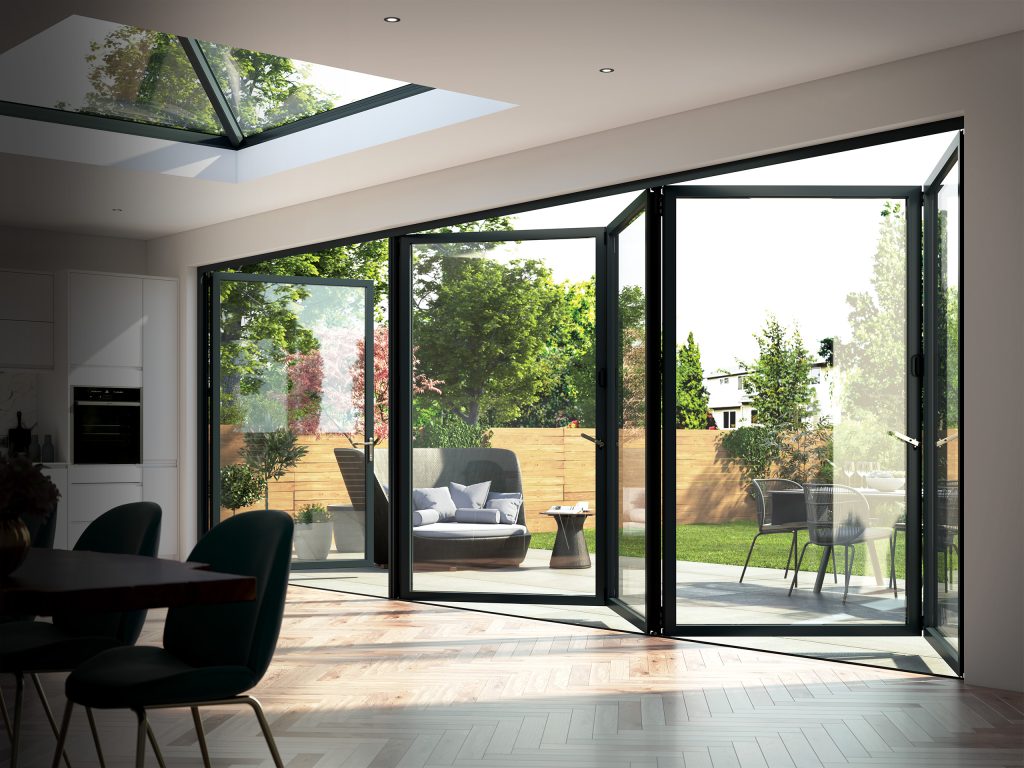
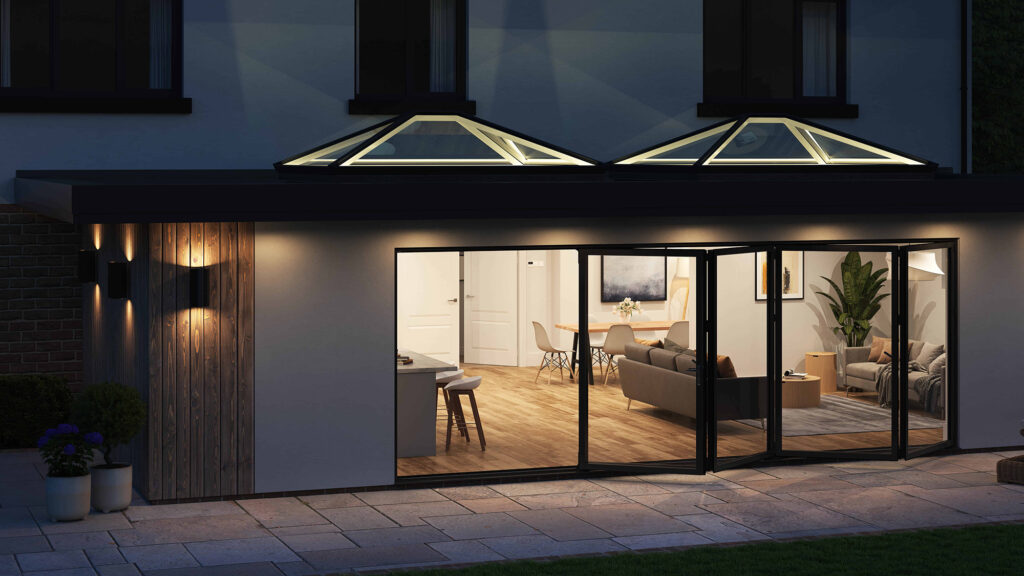
Bifold doors are often the first option people consider, and for good reason. They create a wide opening that can turn a garden room into an indoor-outdoor space in seconds. If your garden room is used for relaxing, dining or hosting, that flexibility is hard to beat.
They work especially well on the main elevation facing the garden, where you want to maximise light and make the structure feel less enclosed. With the doors folded back, the threshold between inside and outside becomes much less noticeable. For family spaces and entertaining zones, that can completely change how the room is used.
The trade-off is stack space. When the panels are open, they need somewhere to sit, and that can affect furniture layouts or reduce clear views slightly compared with a large fixed pane or sliding system. Sightlines are typically chunkier too, because there are more vertical frames.
For many buyers, aluminium bifold doors offer the best balance of slim appearance, durability and low maintenance. They suit modern garden rooms particularly well and cope better with larger openings than bulkier alternatives. If thermal efficiency and long-term performance are high on your list, specification matters just as much as the style itself.
Sliding doors for garden rooms
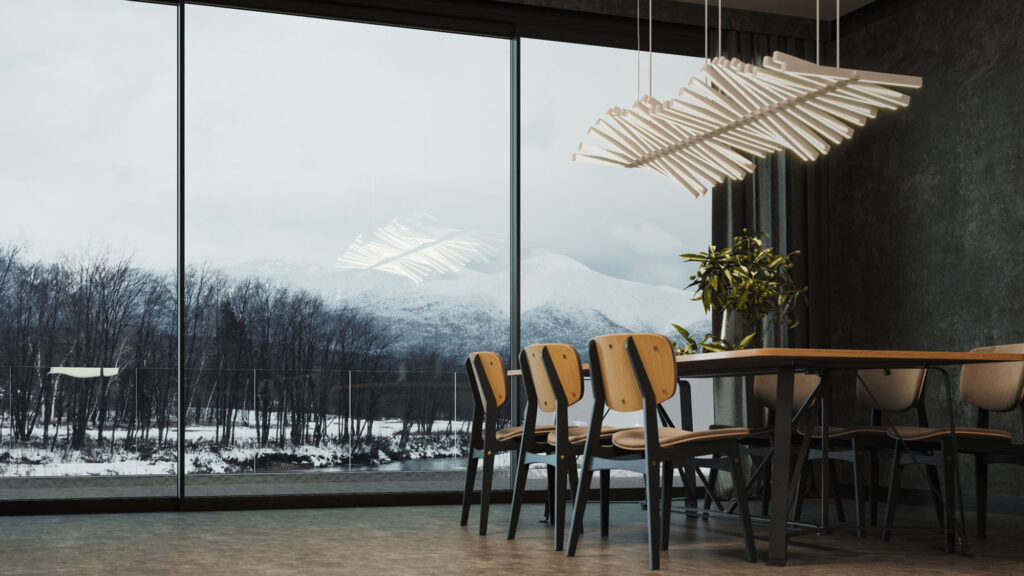
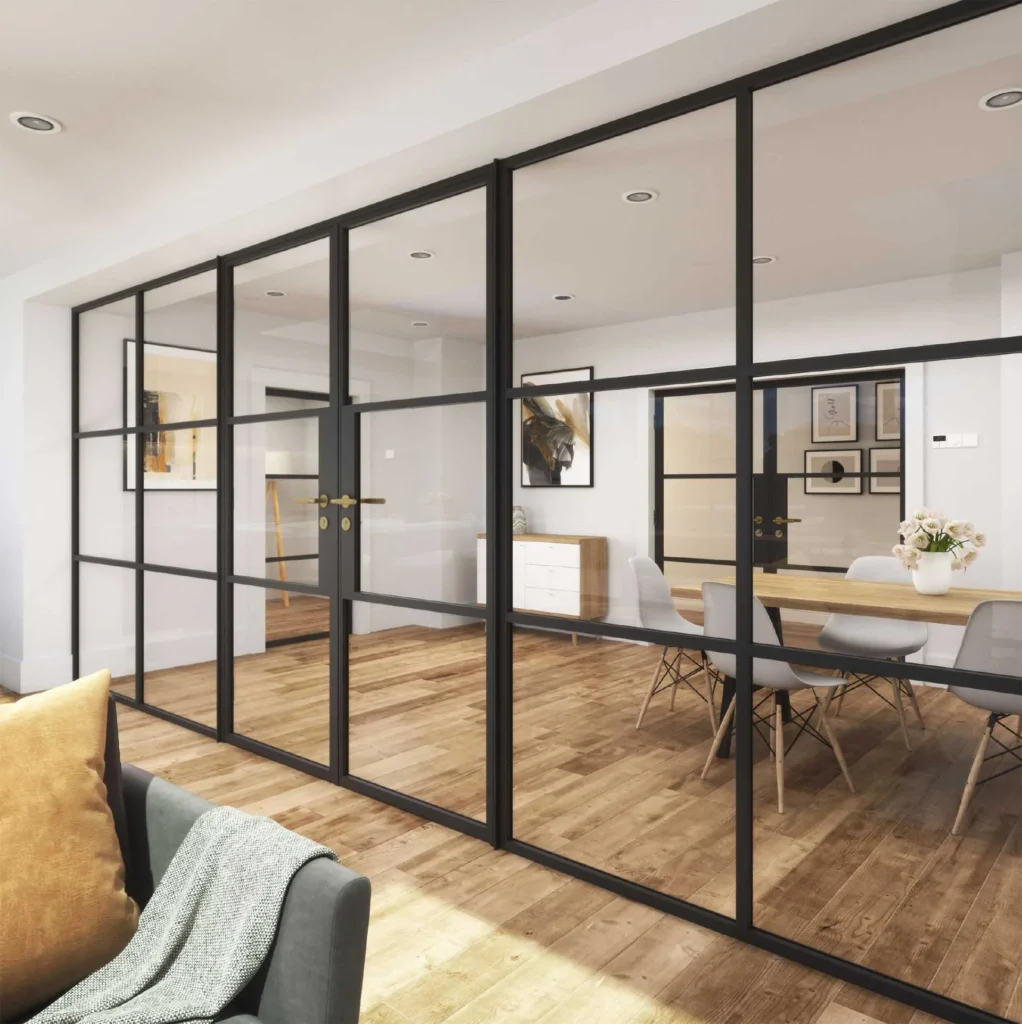
If your priority is glass, sliding doors are hard to ignore. They give you larger glazed panels, cleaner lines and uninterrupted views of the garden. From a design perspective, they are often the most contemporary choice.
Sliding doors are a strong option for garden offices, studios and spaces used all year round. Even when closed, they make the room feel open and bright. Because the panels slide behind one another rather than folding, they are also easier to plan around internally. You do not need to allow for a folding stack, which can be useful in tighter layouts.
The compromise is that you never get the full opening width. One panel always sits behind another, so part of the aperture remains closed. For some homeowners that is not an issue, especially if the room is more about outlook and daylight than entertaining. For others, it can feel like a limitation compared with bifolds.
From a practical buying point of view, sliding systems can also be an excellent answer where clean aesthetics matter. Slim aluminium frames help maximise glass, and high-quality tracks make everyday operation smooth and dependable. If you want to brighten your home and garden room with the least visual interruption, sliding doors deserve serious consideration.
French doors for smaller garden rooms
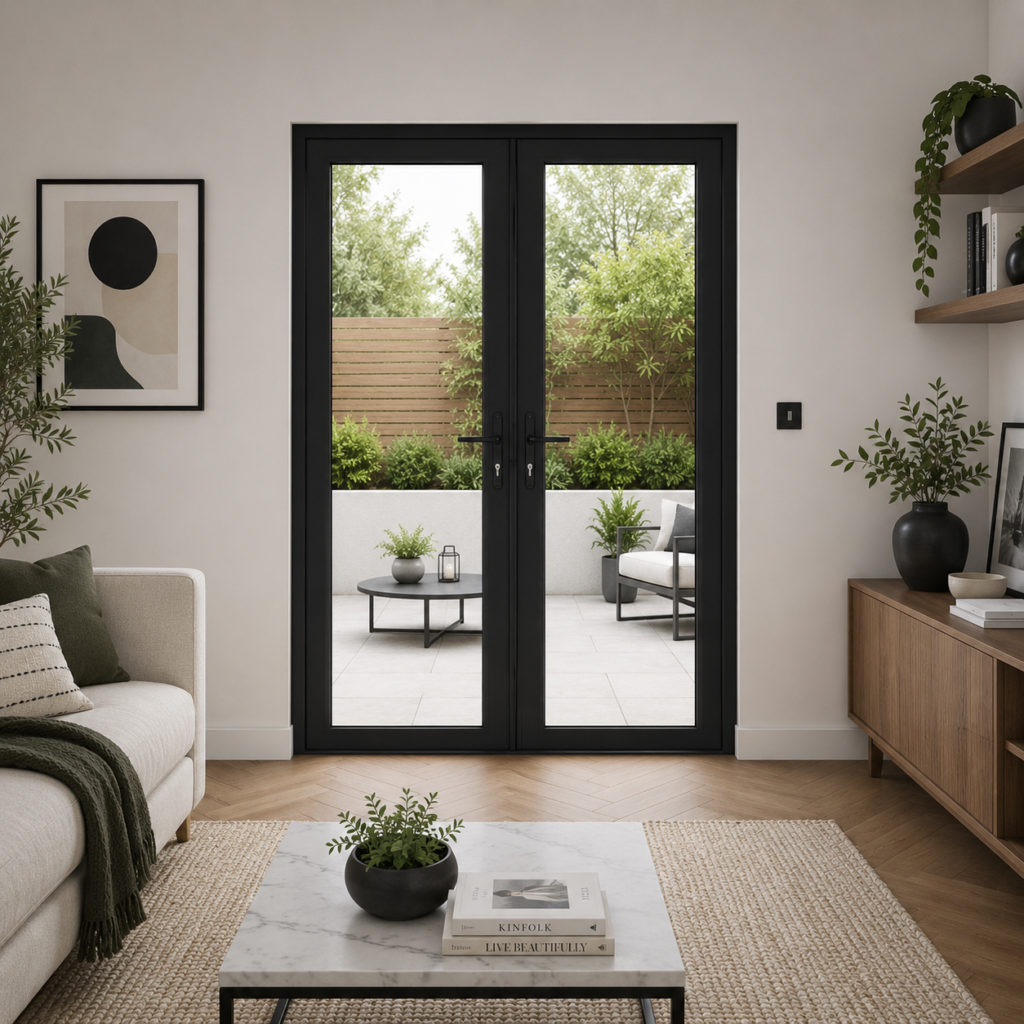
French doors are sometimes overlooked, but they still make a lot of sense in the right setting. For smaller garden rooms, traditional-style garden offices or more budget-conscious projects, they can deliver a smart and balanced result.
They offer a familiar outward opening, decent access width and a more classic appearance than bifold or sliding systems. If your garden room design leans towards cottage style, heritage detailing or a softer residential look, French doors can feel more in keeping with the build.
They are less suited to very wide openings, and they do not create the same glazed impact as larger door systems. Even so, in compact rooms they often provide exactly what is needed without overcomplicating the design. Pair them with well-placed side windows and you can still achieve plenty of light.
For buyers trying to keep specification simple while maintaining quality, French doors can be a sensible middle ground. They are straightforward, effective and often better value than larger glazing systems.
Single doors with side panels
Not every garden room needs a dramatic opening. If the building is mainly practical, such as a home office, treatment room or workshop, a single fully glazed door with fixed side panels can be the most efficient setup.
This arrangement gives you controlled access, good daylight and strong thermal performance without dedicating the full elevation to opening leaves. It can also improve wall space inside, which is useful if you need room for desks, storage or equipment.
This option is often underrated because it feels less aspirational than bifolds or sliders. Yet for many everyday garden rooms, it is the most practical answer. You still get a bright, attractive frontage, but with less complexity and often a lower cost.
Material choice matters as much as door style
When comparing the best doors for garden rooms, the frame material deserves just as much attention as the opening type. Aluminium is usually the premium choice for contemporary garden rooms because it offers slim profiles, strong structural performance and a durable powder-coated finish. It suits large expanses of glazing and generally gives a sharper, more architectural appearance.
uPVC can work well where budgets are tighter or where a softer residential style is preferred, but it tends to have thicker frames and may not be the first choice for large bespoke openings. Timber has visual warmth, though it usually requires more maintenance and is less common in sleek modern garden room designs.
For most design-led projects, aluminium gives the best long-term balance of appearance, performance and maintenance. That is one reason it remains a popular choice with both homeowners and trade installers.
Practical checks before you choose
Before making a final decision, step back and think about how the room will be used in January as well as July. South-facing garden rooms can become warm quickly, so ventilation matters. A dramatic glazed frontage looks excellent, but solar gain, privacy and shading should also be part of the conversation.
Threshold design is worth checking too. A low threshold can make access easier and create a cleaner transition to paving or decking, but it needs to be detailed properly to keep weather performance on track. Security should never be an afterthought either, particularly in detached buildings that may sit away from the house.
It is also worth considering lead times, installation access and how bespoke the configuration needs to be. Trade buyers will already know that seemingly small specification changes can affect programme and price. Homeowners often benefit from expert advice at this stage, especially when comparing brands, glazing options and opening configurations.
For projects where design flexibility matters, suppliers that offer online configuration, technical support and a broad product range can make the buying process far more straightforward. That is where a specialist glazing retailer such as Horizon Windows and Doors can add real value, particularly when you need premium options without losing sight of budget.
So which door is best?
If you want the widest opening and a sociable feel, bifold doors are usually the strongest choice. If you care most about views, daylight and contemporary styling, sliding doors often come out on top. If your garden room is smaller, more traditional or more budget-sensitive, French doors or a single door with side panels may suit the space better.
The strongest results come from matching the door to the way the room will actually be used, not just the look you liked in a photo. A garden room should feel good every day, in every season. Choose doors that maximise light and space, but make sure they also work hard for comfort, security and the way you live.