


A new set of doors can change the feel of a property in a day. More light, a better view, improved thermal performance and a cleaner finish between inside and out all make a real difference. The challenge is that premium glazed products are rarely a small purchase, which is why buy now pay later doors have become a practical option for homeowners and trade buyers who want to move a project forward without compromising on specification.
For some customers, finance is about making a larger renovation manageable. For others, it is about keeping cash available for builders, flooring, kitchens or landscaping while still ordering the right doors at the right time. Either way, the key is to treat finance as part of the buying decision, not as an afterthought.
Why buy now pay later doors appeal to UK buyers
Doors sit at the centre of many renovation and extension projects. A slimline sliding door, a bifold opening onto the garden, or a heritage-style set for a period property all shape how the space looks and works. When the product is bespoke, made to size and chosen to suit the property, delaying the decision can hold up other parts of the build.
That is where buy now pay later doors can make sense. Instead of settling for a cheaper product that does not quite suit the opening, some buyers choose to spread the cost and keep control of the overall design. It can help you open up your home now, rather than waiting until every stage of the budget lines up perfectly.
There is also a timing factor. Home improvement projects often come with moving targets. Labour costs change, extra works appear once construction starts, and some parts of the job need to be ordered early to avoid delays later. Finance can create breathing room when the specification is clear but cash flow is under pressure.
How the finance option usually works
The phrase itself sounds simple, but buy now pay later doors can be structured in different ways. In many cases, there is a deferred payment period, which means you receive the product and pay later, either in full before the promotional period ends or through an agreed repayment plan. In other cases, the arrangement may move straight into monthly instalments after purchase.
That difference matters. A deferred period can be useful if you are expecting funds from savings, a remortgage, a property sale or stage payments on a job. Monthly instalments may suit buyers who want fixed budgeting from the outset. Neither option is automatically better. It depends on how your project is funded and how confident you are about future payments.
It is also worth remembering that finance approval, deposit requirements and repayment terms vary. The headline offer may catch your eye, but the detail is what tells you whether it is genuinely good value.
What to check before choosing buy now pay later doors
The product still comes first. Finance should support the purchase, not distract from whether the doors are right for the opening. Start by looking at the system itself. Consider material, sightlines, glazing performance, threshold options, security features and lead times. Aluminium bifold and sliding systems are popular for extensions and contemporary renovations because they maximise light and space, but they are not the only answer.
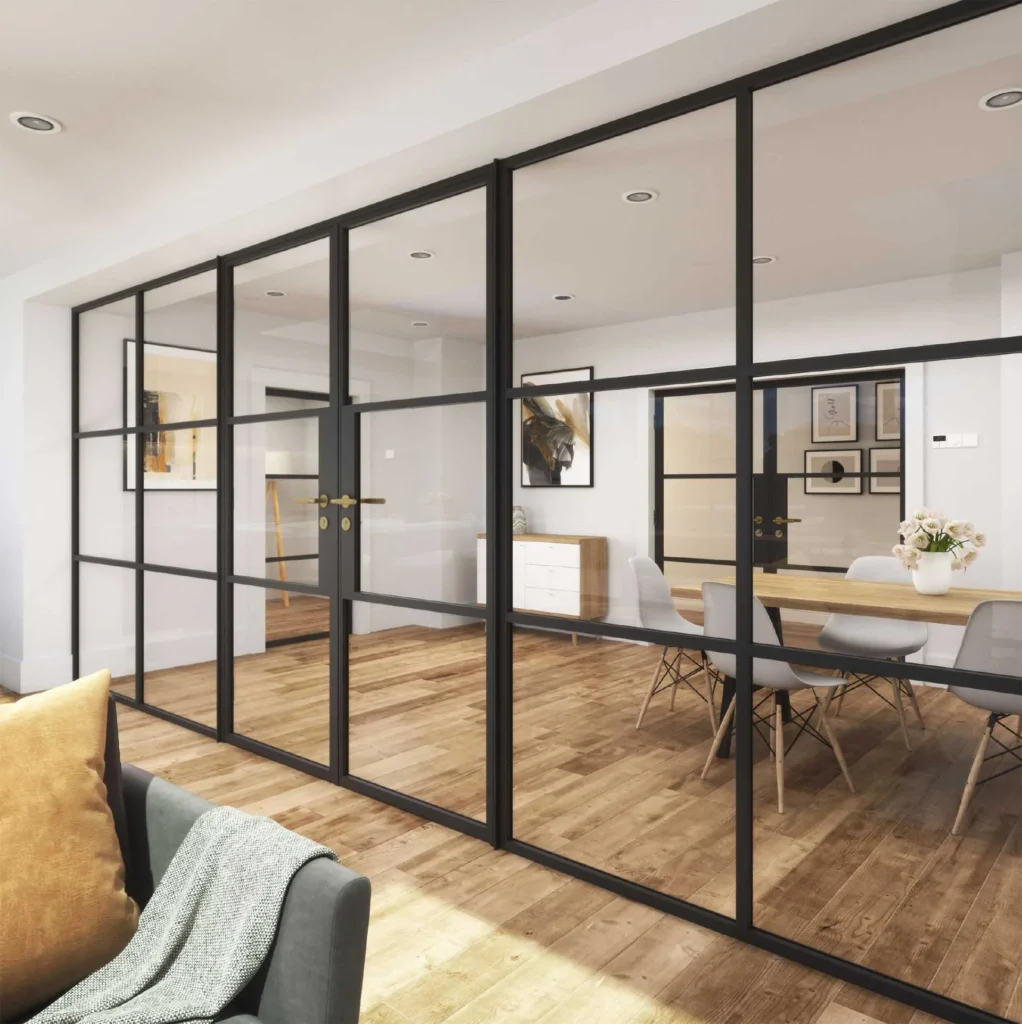
If you are renovating an older property, style matters just as much as performance. Sightlines, frame detailing and colour choices can make the difference between a product that enhances the home and one that feels out of place. If you are buying for a garden room or a rear extension, you may prioritise opening width, low maintenance and strong thermal performance.
Once the product is narrowed down, turn to the finance details. Check the deposit, the length of the deferred period, the monthly repayment figure if applicable, and what happens if the balance is not cleared within the offer window. Ask whether there are any administration charges or early repayment options. Straightforward answers are a good sign.
For bespoke products, confirm exactly when the finance agreement becomes binding in relation to final specification. Because made-to-measure doors are manufactured to order, you want clarity on measurements, configuration and finish before everything is released.
Choosing the right doors for your project
The reason many buyers use finance is simple. They want better doors, not just cheaper ones. That makes product choice even more important.
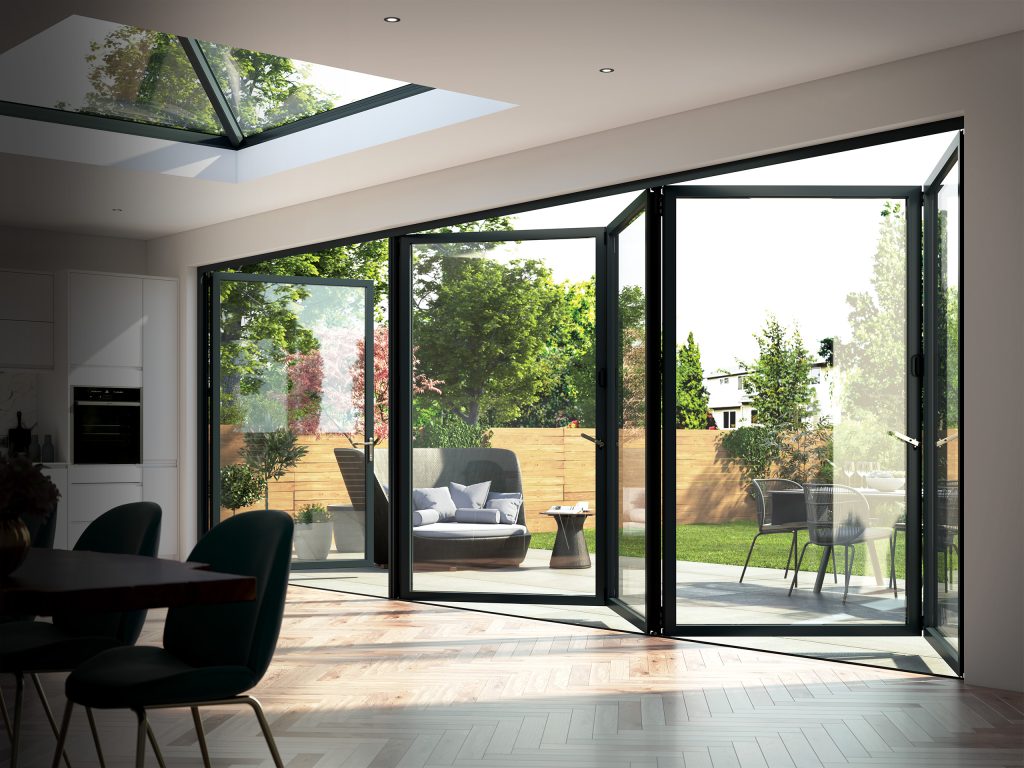
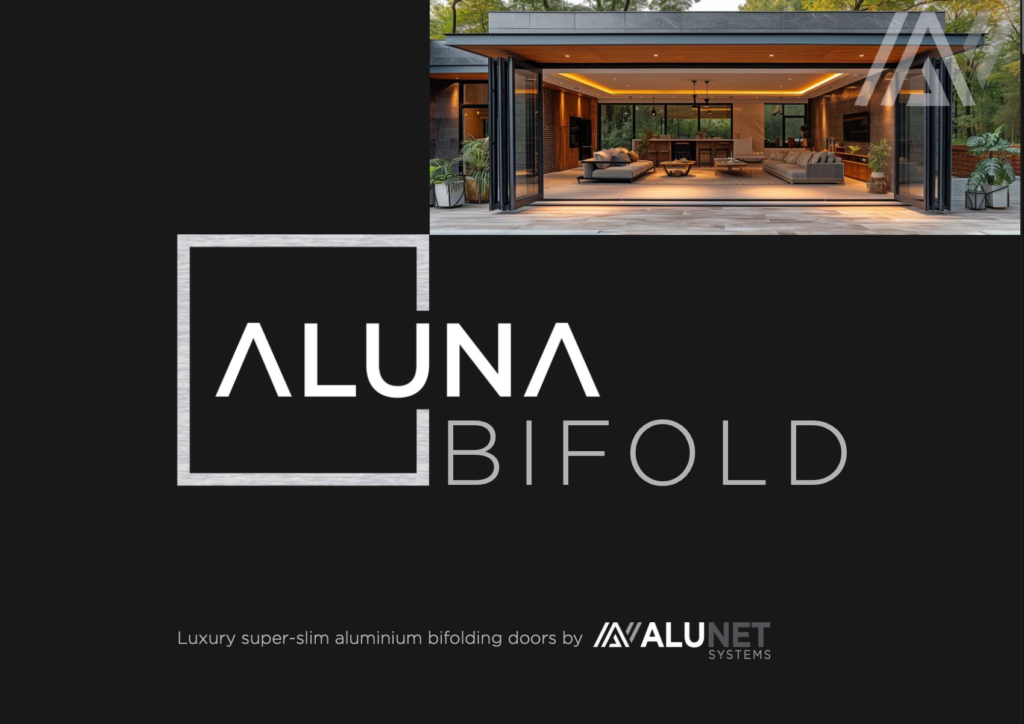
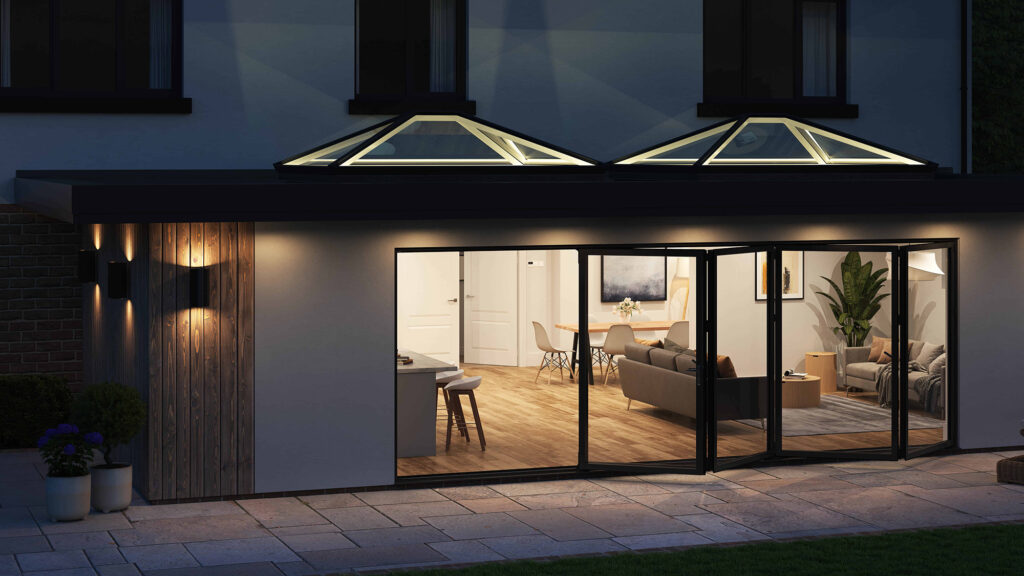
Bifold doors suit projects where a wide opening is the priority. They are a strong option for rear extensions, kitchen diners and garden-facing spaces where you want the opening to feel flexible. When closed, modern systems still deliver excellent light levels. When open, they create a strong connection between house and garden.
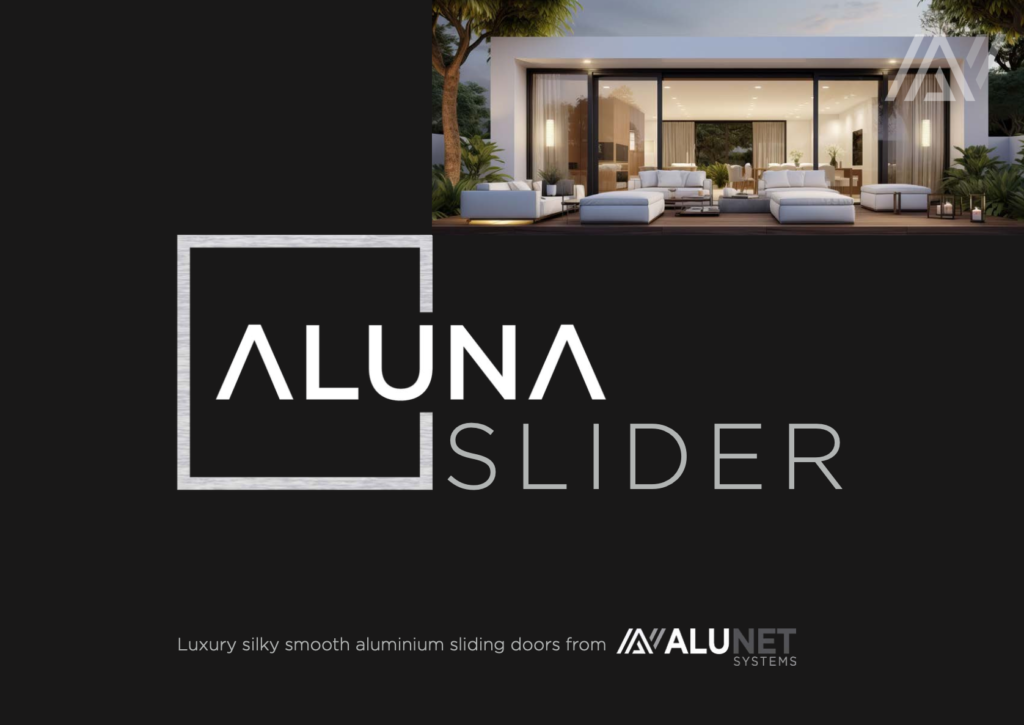
Sliding doors are often the better fit if uninterrupted glass is the goal. Fewer frame lines and larger panes can create a more contemporary look, and they work particularly well where furniture layout or external space means you do not want door leaves stacking back. For some homes, a slimline slider offers the cleanest finish and the strongest visual impact.
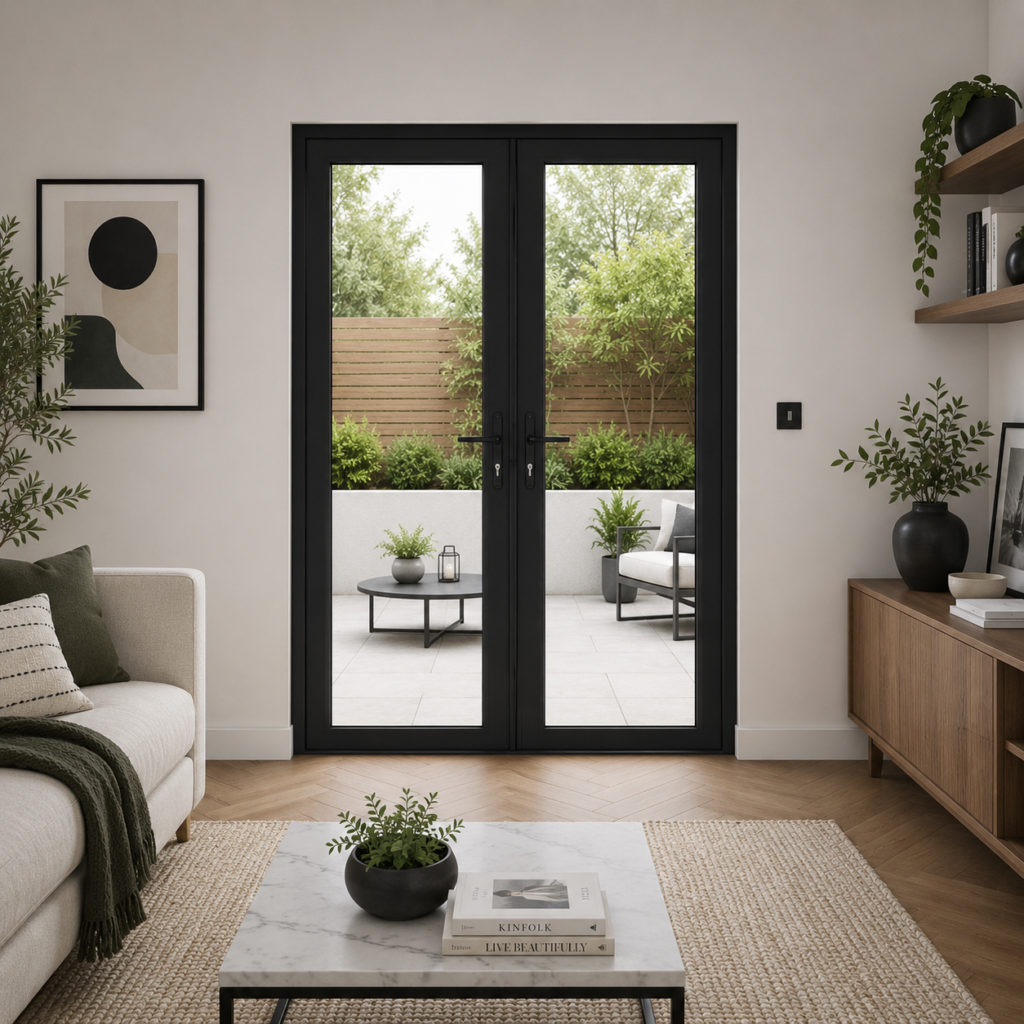
French doors and single residential doors still have an important place too. Not every project needs a large-span glazed system. Smaller openings, side access, period-style homes and practical upgrade projects may be better served by a more traditional format with the same attention to energy efficiency and security.
This is where a supplier with a broad range becomes useful. Instead of trying to force one product into every application, you can compare systems properly and buy based on how the property will be used.
Buy now pay later doors for homeowners vs trade buyers
Homeowners usually view finance through the lens of the wider renovation budget. They are balancing visible upgrades with unseen costs such as structural work, electrics and plastering. In that context, finance can make a premium door set more achievable while preserving budget for the rest of the scheme.
Trade buyers tend to look at it differently. For builders, developers and installers, timing and cash flow are often the deciding factors. The ability to secure products for a project while managing payment cycles can be commercially useful, especially when multiple elements are being sourced at once. That said, trade buyers also need certainty on lead times, technical information and aftersales support. Price matters, but reliability matters more when there is a programme to hit.
A polished buying experience helps both audiences. Online configuration tools, technical downloads and UK-based support can remove a lot of friction from what is otherwise a complex purchase. That is particularly valuable with bespoke glazed products, where dimensions, threshold types, glazing choices and hardware all affect the final result.
When finance is a smart move and when it is not
There are clear situations where finance works well. If the doors are central to the project, the specification is settled and the repayments fit comfortably within your budget, spreading the cost can be a sensible way to move ahead. The same applies if delaying the order would delay the build, increase labour costs or force a compromise on product quality.
It may be less suitable if your measurements are still uncertain, your project scope keeps changing or you are relying on future funds that are not secure. Bespoke products are not impulse buys. If the opening could change or the wider job is not fully costed, it is usually better to pause and confirm the details first.
The strongest decisions are the ones that balance aspiration with realism. Premium doors can add value, improve daily living and transform how a room feels, but the finance arrangement still needs to be comfortable in practical terms.
Getting the most value from your order
If you are considering finance, it makes sense to use it well. That means choosing the right specification from the start rather than planning to upgrade later. Think carefully about frame colour, hardware finish, glazing options and threshold requirements. These details affect how the doors look and perform every day.
It is also worth considering the wider package. A supplier that combines competitive pricing with technical support, bespoke options and dependable delivery can offer better overall value than a lower headline price alone. For many customers, that blend of product quality and buying support is what makes the purchase feel confident rather than risky.
Horizon Windows and Doors positions itself in that practical middle ground – premium products made more accessible through clear specification, expert support and flexible payment options.
Buy now pay later doors are not just about spreading cost. At their best, they give you the freedom to choose doors that genuinely suit the property, the project and the standard you want to achieve. If the numbers work and the specification is right, that can be a very sensible way to brighten your home, keep a project moving and invest in a result you will notice every day.