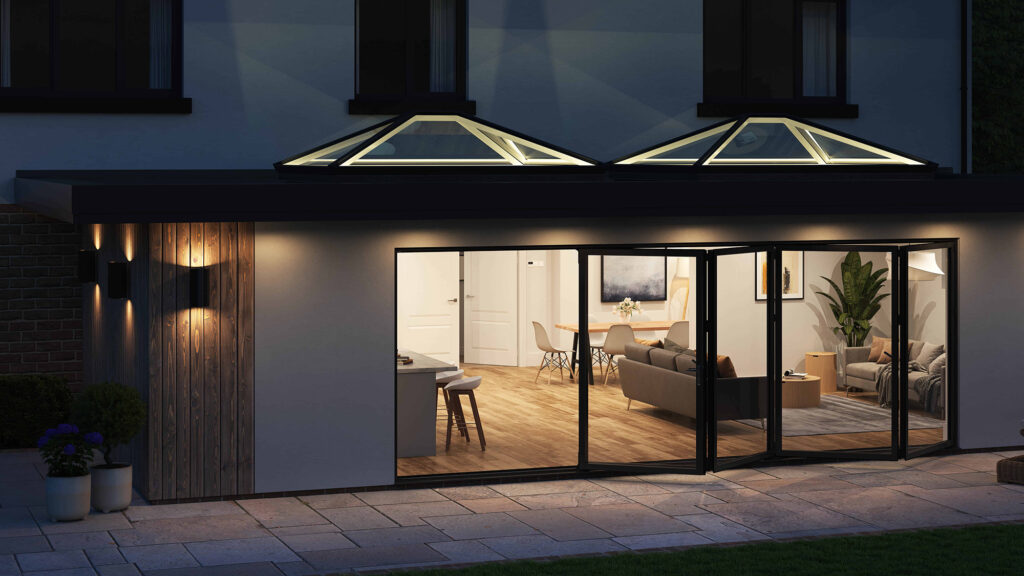
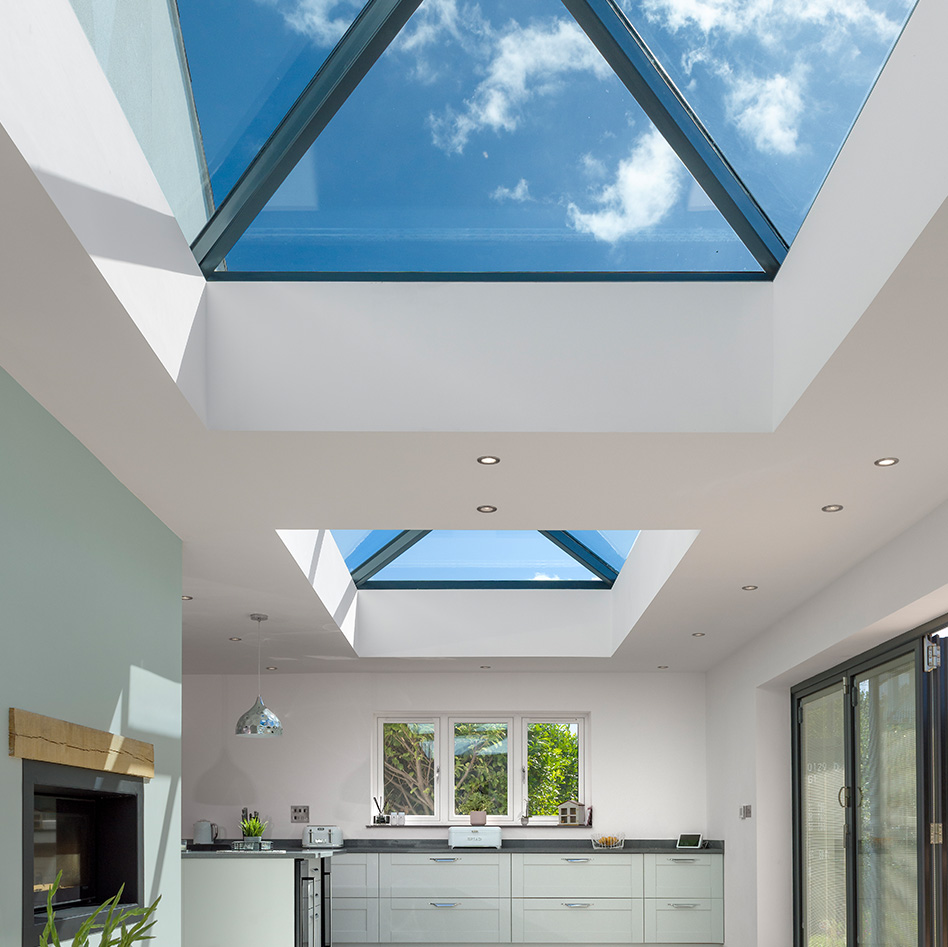
If you are planning an extension, garden room or rear renovation, the frame matters just as much as the glass. Slim frame patio doors have become a go-to choice for homeowners and trade professionals who want larger panes, cleaner sightlines and a more refined finish without making the whole specification feel overly technical.
The appeal is easy to understand. More glass means more daylight, better garden views and a stronger connection between inside and out. But not every slimline system delivers the same result. Sightlines, thermal performance, threshold options, glazing specification and panel configuration all affect how the doors will look and perform once installed.
Why slim frame patio doors are in demand
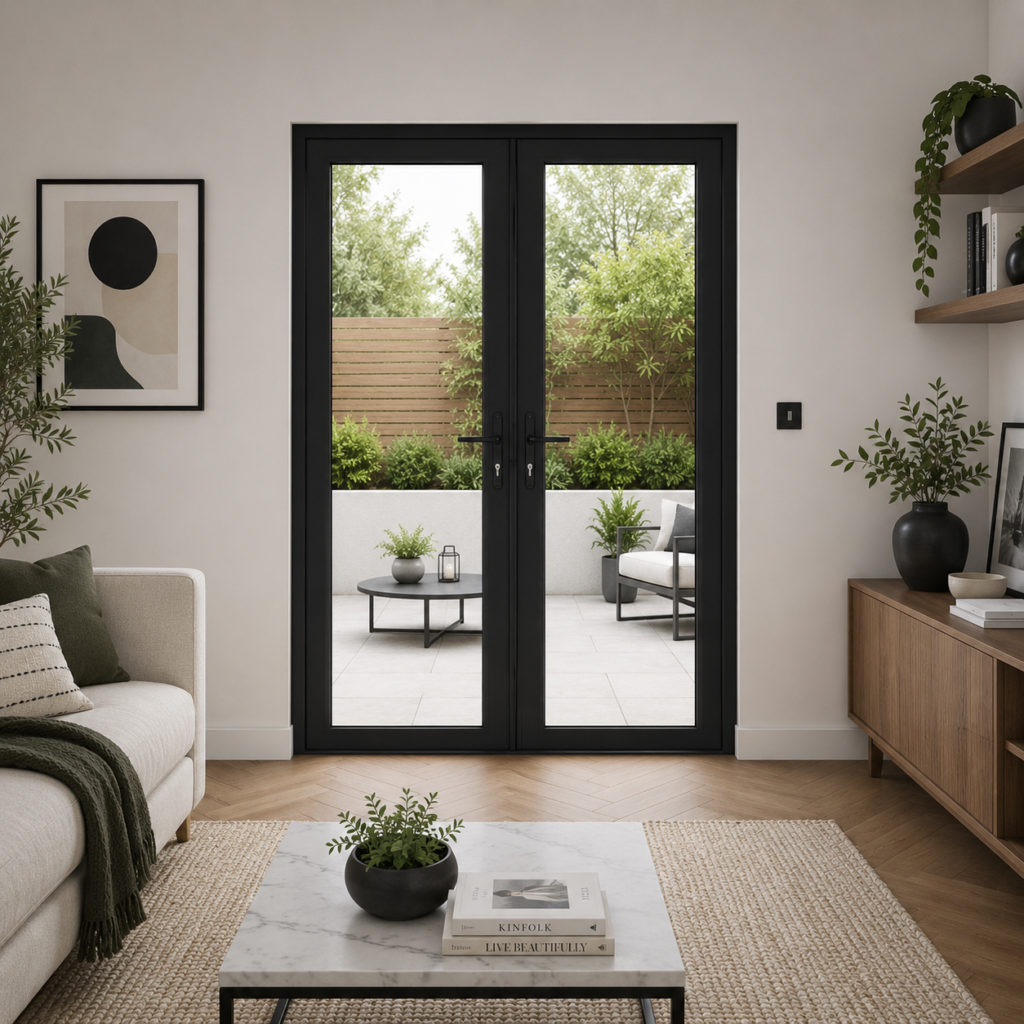
Standard patio doors can still do a good job, but slimmer frames change the feel of a space. They reduce the amount of visible aluminium or uPVC around the glass, which creates a lighter, more contemporary look. In practical terms, that often means rooms feel brighter and opening sizes feel wider, even if the structural opening has not changed.
For homeowners, that visual difference is usually the starting point. A kitchen extension with narrow sightlines looks sharper and more expensive. A garden room feels less boxed in. A renovated rear elevation gains a cleaner architectural finish.
For trade buyers, slimline systems also help with specification. Clients increasingly ask for more glass and less frame, especially on modern extensions and improvement projects where natural light is a major selling point. Choosing the right patio door system can help meet that brief while still keeping an eye on lead times, budget and installation practicality.
What counts as slim frame patio doors?
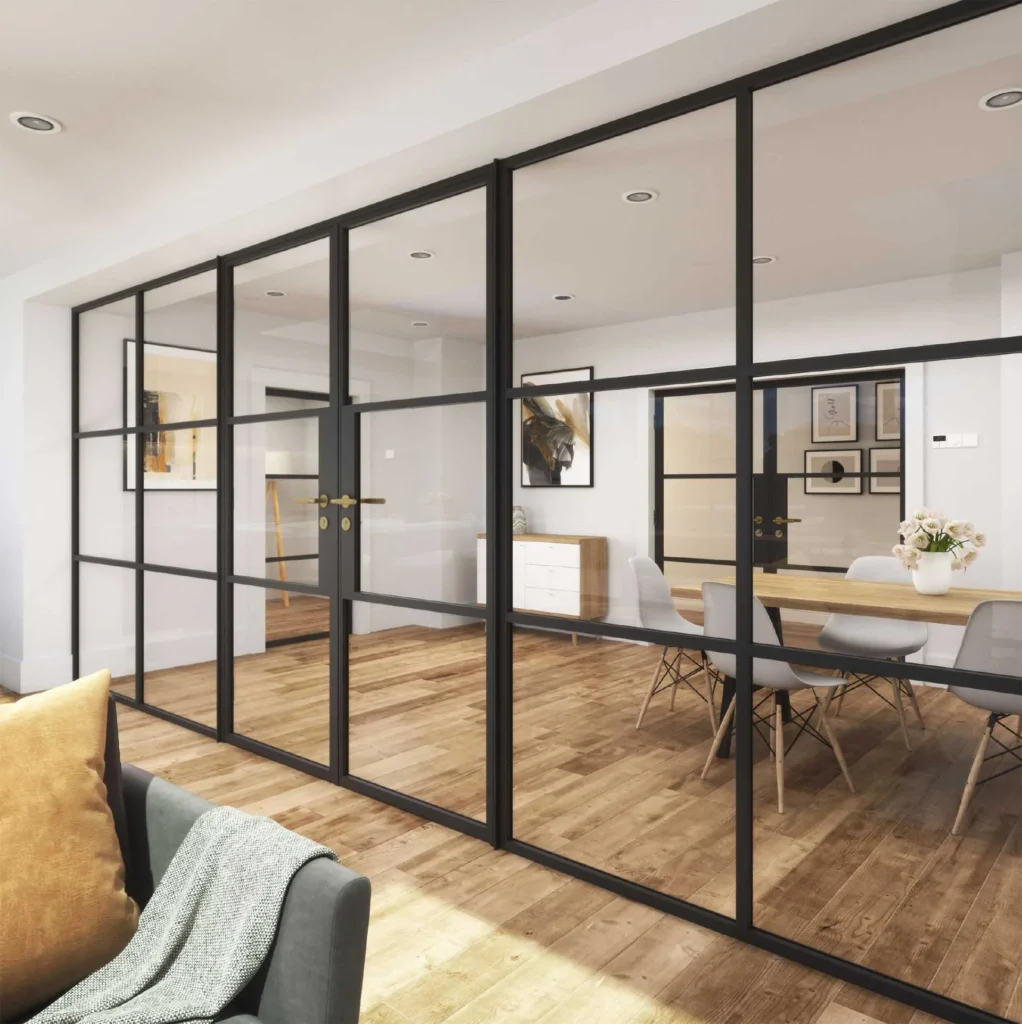
The term is used widely, so it is worth being clear. Slim frame patio doors generally refer to glazing systems designed with reduced visible frame sections compared with more traditional alternatives. That can apply to sliding patio doors, bifold doors and some steel-look or heritage-inspired glazed doors, although sliding systems usually create the slimmest overall result across larger openings.
The most noticeable dimension is the sightline – the visible width of the frame when the doors are closed. The narrower that line, the more glass you see. On a large set of doors, even a modest reduction in sightline can make a substantial difference to the final appearance.
That said, slimmer is not always better in isolation. Very slim profiles need to work alongside structural strength, weather performance and glazing weight. A door should not be chosen on looks alone if it will be exposed to strong winds, heavy use or challenging site conditions.
Sliding or bifold – which suits a slimline look?
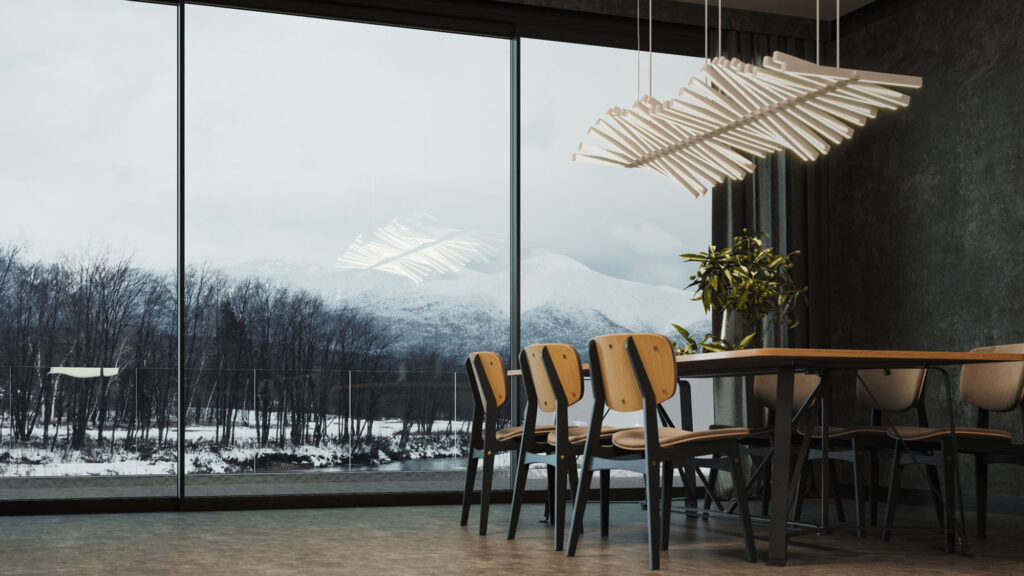
If your priority is the narrowest possible framing, sliding doors usually lead the way. Large sliding panels allow for expansive glazed areas with minimal interruption, which makes them especially popular on contemporary extensions and open-plan rear elevations. They are ideal when the goal is to maximise light and space while keeping the visual clutter to a minimum.
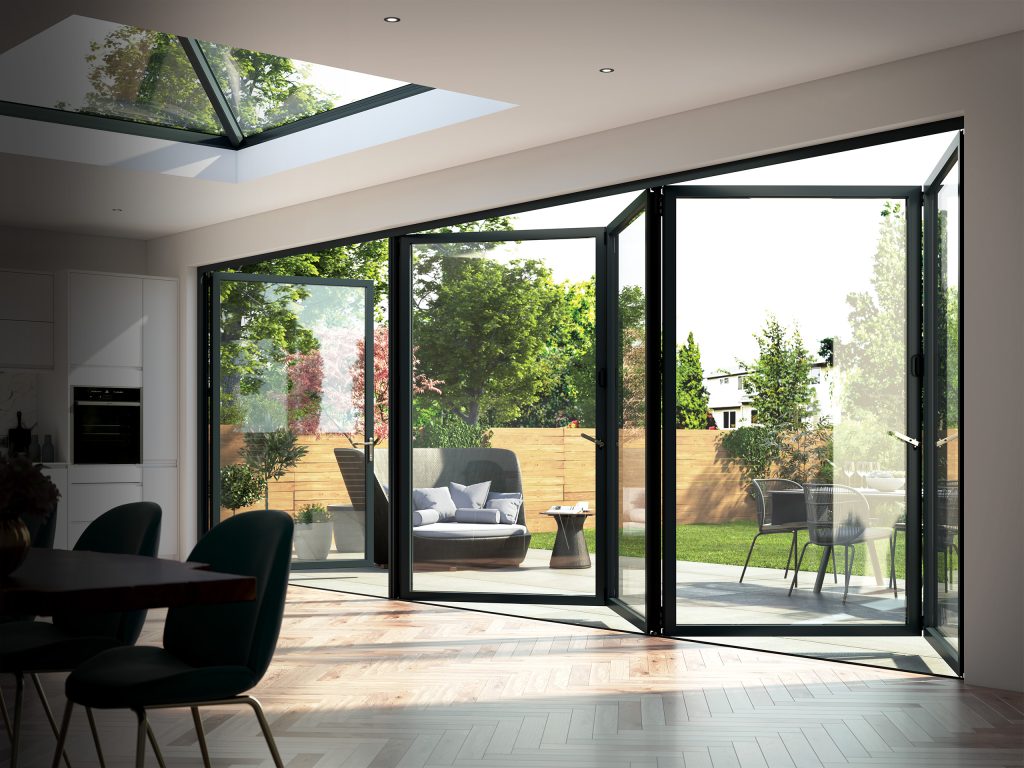
Bifold doors still have a strong place, particularly where you want the opening to fold fully back and create a wider access point. The trade-off is that bifolds include more vertical frame lines because of the multiple panel arrangement. They can still look elegant and modern, but they will never appear quite as uninterrupted as a well-designed slimline sliding system.
This is where the project brief matters. If the client wants a near-panoramic view across the garden, sliding doors are often the better fit. If they care more about opening up almost the full width of the extension in summer, bifolds may be worth the extra visible framing.
Material choice and how it affects the finish
Aluminium is the strongest contender for slim frame patio doors, and for good reason. It allows for narrower profiles without compromising structural integrity, and it suits contemporary homes particularly well. Powder-coated finishes are durable, low maintenance and available in a broad range of colours, so it is easier to match the doors to rooflights, windows or external trims.
uPVC patio doors can be a more budget-conscious option, but they typically have chunkier profiles. For some projects, especially straightforward replacements, that may be perfectly acceptable. However, if the priority is a premium minimal-frame appearance, aluminium is usually the stronger choice.
There is also the question of scale. Larger openings and heavier double or triple glazed units place more demand on the frame. Aluminium systems are often better equipped to handle those sizes while maintaining cleaner sightlines.
Performance matters as much as appearance
A slim profile should not mean compromising on comfort. In the UK, patio doors need to do more than look good on a sunny afternoon. They need to hold heat in during winter, resist draughts, cope with rain and provide reliable security day-to-day.
That is why thermal performance deserves proper attention. U-values, glazing make-up, warm edge spacer bars and frame design all play a part. A door with slim sightlines and poor thermal performance can leave a new extension feeling colder than expected. On the other hand, a well-specified aluminium system with quality glazing can offer both the minimalist look and the insulation levels modern projects demand.
Security is another area where details matter. Multi-point locking, high-quality hardware and tested system performance should all be part of the conversation. Most buyers want clean aesthetics, but not at the expense of peace of mind.
The details that change the user experience
A patio door is a feature element, but it is also something people use every day. That is why thresholds, handle design, panel weight and opening direction all deserve careful thought.
A low threshold can improve accessibility and create a neater transition to the patio, especially in family homes or garden rooms. However, flusher threshold options may depend on drainage planning and the exposure of the site. On sheltered elevations they can work brilliantly. On more exposed locations, weather performance may require a more considered setup.
Panel size is another balancing act. Bigger panes create a striking look, but they also increase weight. That affects how the doors slide or fold, the hardware required and sometimes the practicality of installation. A door that looks excellent on paper still needs to operate smoothly in real life.
Customisation without overcomplication
One of the biggest advantages of modern glazed systems is flexibility. Slim frame patio doors can usually be configured in a range of widths, heights, panel layouts and colours, which helps both homeowners and trade buyers tailor the product to the project rather than settling for a one-size-fits-all solution.
For homeowners, this means you can align the doors with your extension design, flooring levels and preferred sightlines. For builders and installers, it makes it easier to meet architectural drawings and client expectations without endless compromise.
The key is to keep the buying process clear. It helps to work from the opening size first, then move onto door style, panel configuration, glazing, threshold and finish. When technical documents and expert support are available, specification becomes much more straightforward, even on bespoke projects.
When slimline is worth the premium
Slimmer systems often sit higher on the price ladder than more standard patio doors, particularly in aluminium. Whether that extra spend is worth it depends on the role the doors play in the overall scheme.
On a modest side extension where the opening is relatively small, the visual gain may be less dramatic. In that case, a mid-range system with solid performance could offer better value. But on a wide rear extension, a garden-facing kitchen diner or a design-led renovation, slim frame doors can have a major effect on the result. They change how the room feels, how much light enters and how premium the finished space appears.
That is often where the best value sits – not simply in the cheapest product, but in the product that makes the most of the opening you have invested in creating.
Choosing the right supplier
A slimline patio door is only as good as its specification, manufacture and support. Product quality matters, but so does the buying experience. Clear configuration options, realistic pricing, access to technical information and responsive guidance can make the difference between a smooth project and an avoidable headache.
This is especially relevant for bespoke orders and trade supply. Installers need confidence in dimensions, lead times and documentation. Homeowners need reassurance that the system they choose will genuinely suit their property, budget and performance expectations. That is why many buyers favour suppliers that combine online convenience with UK-based advice and product knowledge.
If you are comparing options, look beyond the headline image. Ask about sightlines, glazing capacity, threshold detail, security features and available configurations. A good supplier should be able to explain the differences clearly and help you specify a door that works on site, not just on screen.
Slim frame patio doors are popular because they do something visible straight away – they brighten your home, sharpen the architecture and make better use of every glazed opening. The right system will not just look slimmer. It will feel better to live with, every time you walk through it.