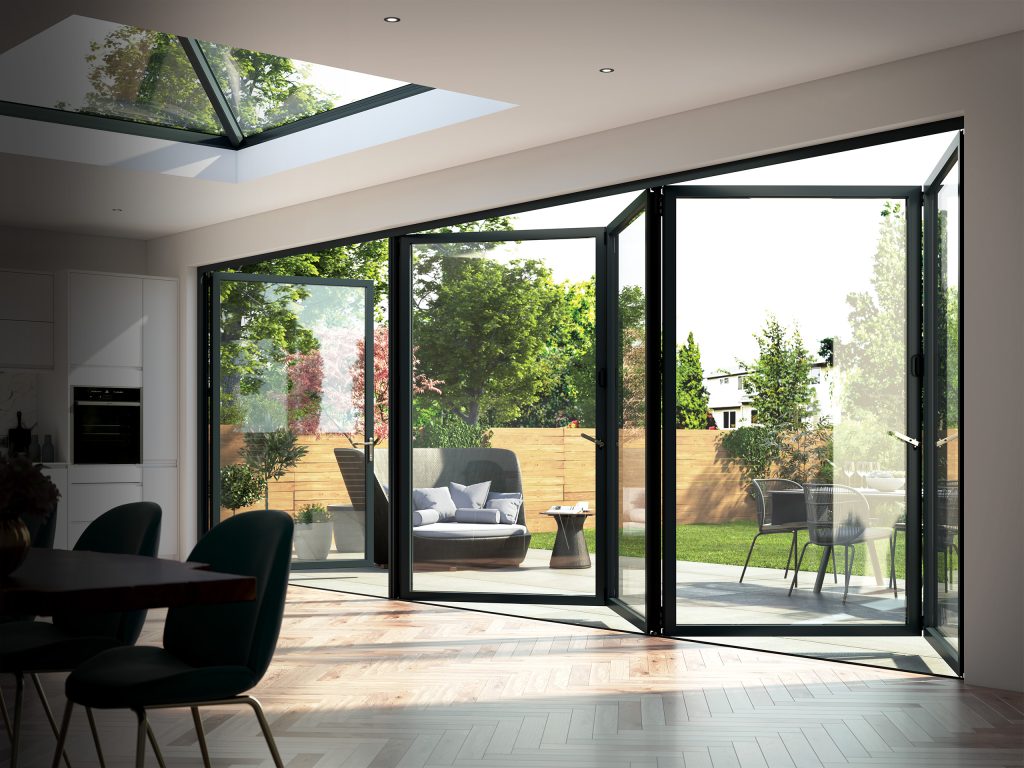
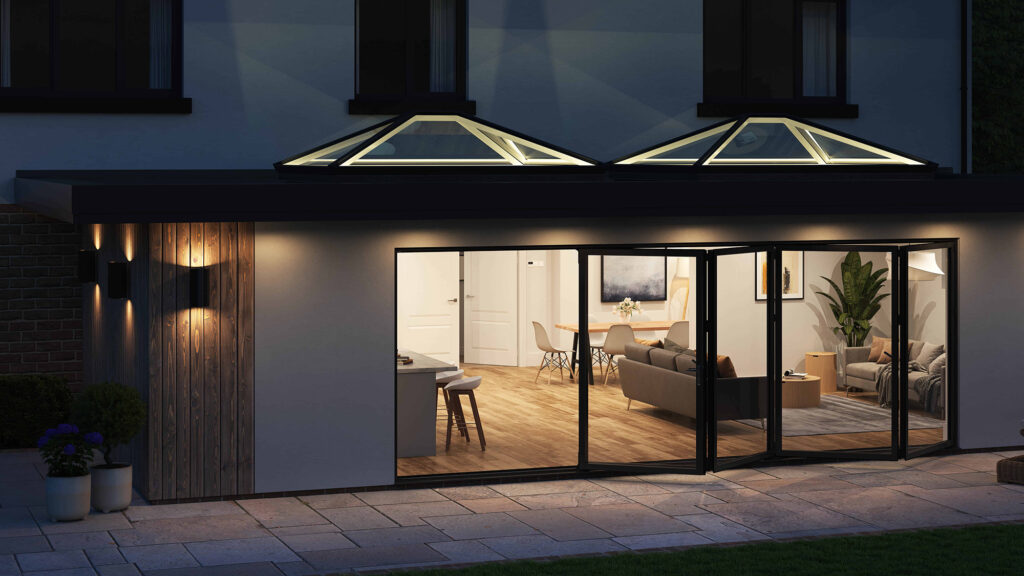
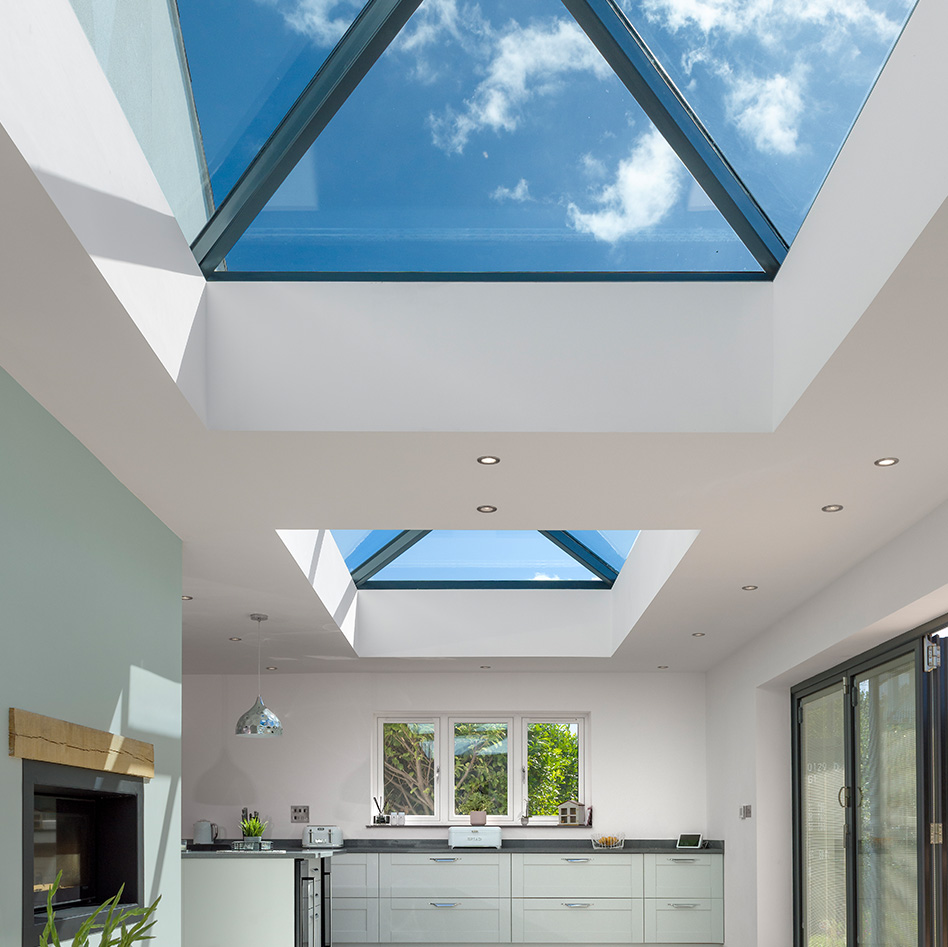
The quickest way to make a flat-roof extension feel bigger is not always to add more square metres. Often, it is to bring light in from above. Roof lanterns do exactly that, turning darker single-storey spaces into bright, open rooms that feel more connected to the garden, the sky and the rest of the home.
For homeowners, that usually means a kitchen diner that feels more expensive and more enjoyable to use every day. For trade professionals, it means a proven way to add visual impact to an extension without overcomplicating the specification. When chosen well, roof lanterns combine design appeal with practical performance, which is why they remain such a popular option for renovations, orangeries, garden rooms and new-build rear extensions.
Why roof lanterns work so well
A vertical window can only bring in light from one direction. A glazed roof structure changes that completely. Because roof lanterns sit proud of the roofline and capture daylight from multiple angles, they distribute light deeper into the room and help reduce the heavy feel that flat-roof spaces can sometimes have.
That difference is especially noticeable in open-plan layouts. A central kitchen island, dining table or seating area beneath a lantern feels naturally defined without the need for walls or awkward zoning tricks. You get a brighter centre to the room, stronger views upward and a more architectural finish than a simple flat glazed unit can offer.
This does not mean a lantern is always the right answer. If a project needs the cleanest possible external sightline, or if the goal is a very minimal contemporary roof opening, a flat rooflight may be a better fit. But where the brief is to maximise light and space while creating a standout feature, a lantern usually wins on presence.
Where roof lanterns make the biggest impact
The most common setting is a rear extension, particularly over a kitchen diner. That is where people tend to notice the change most – darker middle zones become brighter, the ceiling line feels higher and the room gains a focal point without relying on decorative extras.
They also work well in orangery-style builds, garden rooms and refurbished utility or family rooms with flat roofs. In period properties, a more traditional bar layout can sit comfortably alongside heritage features. In newer homes, slimmer aluminium designs suit sharper architectural lines and larger panes of glass.
For installers and builders, the appeal is straightforward. Roof lanterns offer a product that clients can immediately understand. They can see the value, they can picture the result and they often make decisions faster because the visual benefit is obvious.
Choosing the right roof lanterns for your project
The right specification depends on more than size alone. Proportion, glazing performance, frame finish and roof construction all matter, and getting these details right early helps avoid compromises later.
Size and proportion
Bigger is not automatically better. An oversized lantern can dominate the roof and create too much solar gain in summer, while an undersized one may look mean in a generous extension. In most cases, the best result comes from matching the lantern to the room proportions rather than simply filling as much roof area as possible.
A rectangular design often suits kitchen extensions, especially when aligned with cabinetry, islands or dining tables. Square lanterns can work beautifully in more symmetrical spaces. The key is balance – enough glazing to brighten the room, enough solid roof to keep the design grounded.
Material and sightlines
Aluminium remains the preferred choice for most premium roof lanterns. It offers slim profiles, good structural strength and a clean finish that works across both modern and classic properties. The slimmer the framing, the more glass you see, and that generally improves the overall effect.
Timber alternatives may suit some specialist heritage projects, but for most residential and trade applications aluminium is the practical choice due to durability, lower maintenance and sharper contemporary detailing.
Glazing performance
This is where design and practicality need to meet. A roof lantern should brighten your home, but it also needs to support comfort through the seasons. High-performance glazing helps reduce heat loss in winter and manage solar gain when temperatures rise.
For south-facing or exposed aspects, solar control glass may be worth considering. For privacy-sensitive locations, glazing specification may need a closer look depending on neighbouring properties. It is always worth assessing orientation and room use before finalising the glass package.
Ventilation and access
Some lanterns are fixed, while others can incorporate opening vents. Whether that matters depends on the room. In a busy kitchen, extra ventilation can be useful. In a garden room or living space with good wall openings already in place, it may be unnecessary.
There is a trade-off here. Opening sections add function, but they can also add cost and complexity. If the room already has strong airflow through doors or windows, a fixed lantern may offer the simpler and more cost-effective route.
Roof lanterns and thermal performance
One of the most common concerns is whether a glazed roof feature will make a room too cold in winter or too hot in summer. Older products sometimes earned that reputation, but modern roof lanterns are a different proposition when properly specified.
Frame design, glazing quality and installation standards all play a part. A well-made lantern with efficient glazing and correct fitting should support a comfortable interior environment rather than undermine it. That said, no roof glazing is entirely neutral. More glass overhead means more sunlight entering the room, which can be a major advantage in the right setting and something to manage carefully in others.
That is why project context matters. Orientation, shading, room size and ventilation strategy should all be considered together. A lantern that performs brilliantly in one extension may need a different glazing specification in another.
Style choices that shape the final look
The colour and bar design have a bigger impact than many buyers expect. Anthracite grey remains a strong choice for modern homes because it pairs well with aluminium doors and windows, but black, white and bespoke finishes can also work well depending on the surrounding glazing and interior scheme.
Internally, the goal is often to keep the structure feeling light and refined. Externally, the lantern should sit naturally on the roof rather than looking like an afterthought. That is where kerb design, upstand preparation and overall proportions become just as important as the lantern itself.
For projects with bifold or sliding doors below, coordination matters. Matching finishes and maintaining a consistent glazing language across the extension creates a more deliberate, premium result.
What homeowners and trade buyers should check before ordering
A good-looking product still needs to fit the reality of the build. Before ordering, it is worth confirming structural opening sizes, roof build-up, kerb requirements, lead times and glazing specification. For homeowners, that usually means working closely with the builder or installer. For trade buyers, it means making sure technical details are clear before site dates are locked in.
Ease of installation matters too. Some systems are designed to simplify fitting with pre-prepared components and straightforward assembly, which can save valuable time on site. Others may require more involved installation. Neither is inherently wrong, but the labour allowance should reflect the product choice.
This is also where supplier support becomes important. Access to technical documents, clear product options and UK-based guidance can make specification much more straightforward, particularly on bespoke projects where dimensions, finishes and glazing choices need to be tailored.
Are roof lanterns worth it?
In many cases, yes. If your aim is to brighten a flat-roof space, create more visual height and add a feature that lifts the whole extension, roof lanterns offer excellent value. They can improve how a room looks, how it feels and how people use it day to day.
They are not the automatic choice for every project. A flat rooflight may suit a minimalist scheme better, and a poorly sized lantern can feel more showy than useful. But when the design, glazing and proportions are right, the result is hard to beat.
For anyone planning an extension or specifying glazing for a client, the smartest approach is to treat the roof opening as part of the room design rather than a last-minute add-on. Get that decision right and the whole space tends to work harder.
If you are investing in a new extension, make the ceiling do more than close the room in. Let it bring the room to life.