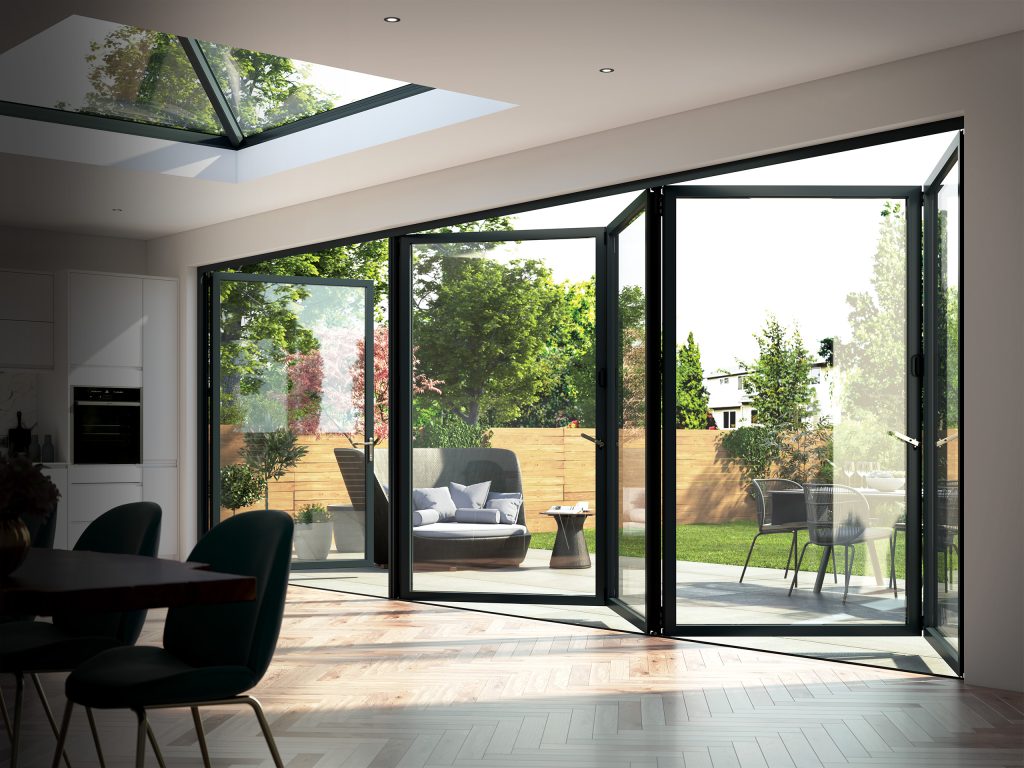



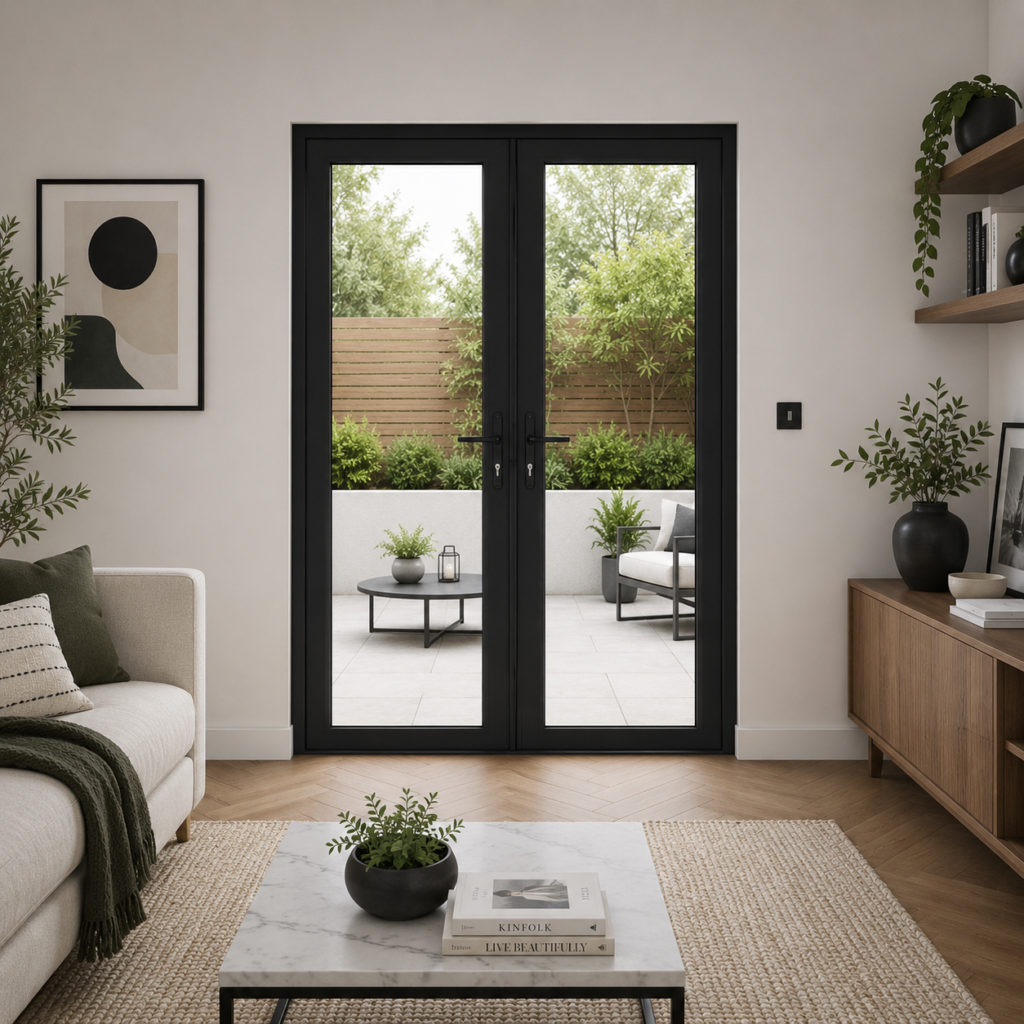
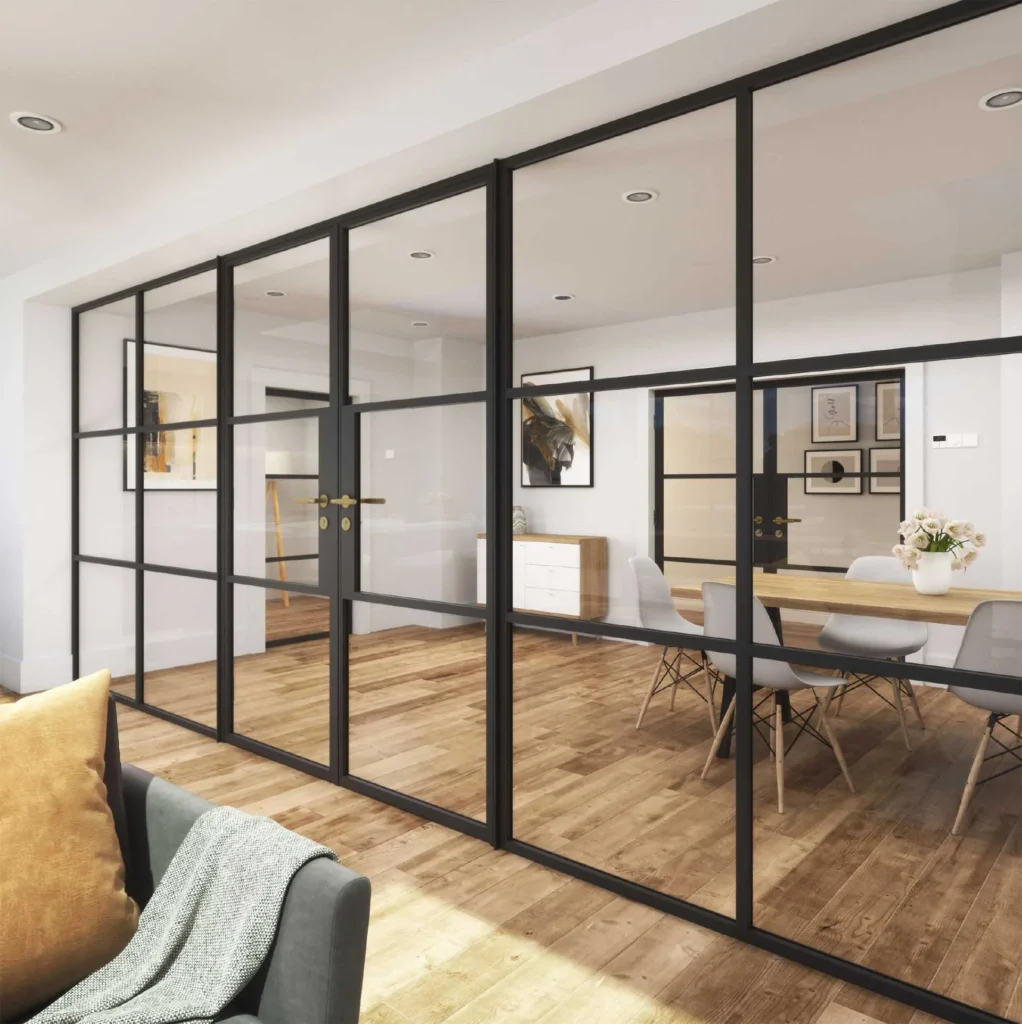



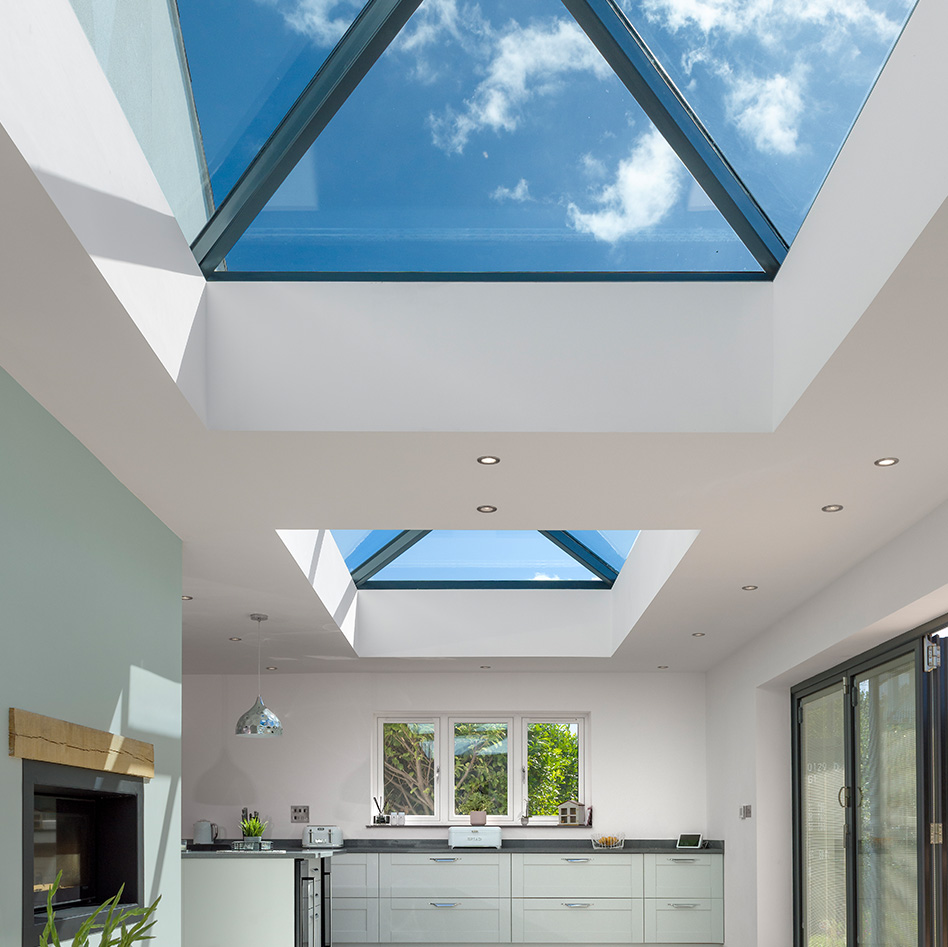


If you are pricing up bifold doors for a housing plot, ordering rooflights for a garden room package, or sourcing windows across multiple renovation jobs, one question comes up quickly: can trade buyers get discounts? In most cases, yes – but the real answer depends on what you buy, how often you buy, and how your supplier structures its trade offering.
For builders, installers and developers, discounting is rarely just about getting a lower headline figure. It is about protecting margin, keeping quotes competitive and making sure the supply side supports the job properly. For homeowners working with a contractor, it also helps to understand how trade pricing works, because it can affect both budgeting and specification choices.
Can trade buyers get discounts on windows and doors?
Yes, trade buyers can often get discounts on windows, doors, roof glazing and related products, especially when they are purchasing regularly or ordering in volume. In the glazing sector, this is standard commercial practice rather than a special favour. Suppliers recognise that trade customers bring repeat business, larger basket values and more predictable ordering patterns.
That said, not every trade discount looks the same. One supplier may offer fixed account pricing across selected product lines. Another may price each project individually based on size, specification and quantity. Some will combine account discounts with volume-based savings, while others may build value into service extras such as technical support, nationwide delivery or easier reordering.
The key point is simple: trade status does not always mean one universal percentage off everything.
What affects trade discounts?
The biggest factor is volume. If you are ordering multiple aluminium windows, a run of sliding doors or products for several plots at once, there is more room for preferential pricing than there would be on a one-off order. Larger orders improve efficiency for the supplier and usually justify a sharper commercial rate.
Product type also matters. Bespoke glazing products are not priced like off-the-shelf goods. A made-to-measure heritage door, a structurally glazed rooflight and a standard white uPVC casement window all sit in different pricing brackets. Material, brand, lead time, glazing specification, hardware choices and colour finish can all change the discount position.
Frequency matters too. A trade buyer placing steady monthly orders may receive stronger pricing than someone opening an account for a single project. From the supplier’s perspective, repeat business is more valuable than a one-time transaction, so account terms often reflect that.
There is also a margin reality behind the scenes. Premium systems from recognised brands can carry tighter pricing controls, particularly where manufacturer positioning matters. In those cases, the discount may be more modest, but the overall value can still be strong when you consider product quality, reduced snagging and customer satisfaction.
Why suppliers offer trade pricing
Trade pricing exists because trade customers have different needs from retail buyers. A homeowner may spend weeks comparing colours and sightlines before ordering one set of doors. A builder or installer needs reliable costs, clear lead times and technical certainty so they can move a project forward.
That commercial relationship works best when both sides benefit. The buyer gets more competitive pricing, practical support and a smoother ordering process. The supplier gains repeat business and a clearer pipeline of work. When handled properly, trade pricing is part of a long-term working relationship, not just a short-term discount.
This is especially true with made-to-order products. If a supplier understands your typical project types, preferred systems and documentation requirements, quoting becomes faster and specification errors become less likely. That can save more money over time than an extra percentage point off the invoice.
Trade discounts are not always the same as the cheapest price
This is where a lot of buyers get caught out. The lowest advertised figure is not always the best trade deal.
For example, a cheaper door set may look attractive at quote stage, but if it comes with patchy support, unclear drawings or inconsistent lead times, your costs can rise elsewhere. Delays on site, remedial visits, unhappy clients and time spent chasing updates all affect your margin. Good trade buying is not just about purchase cost. It is about the total cost of delivering the job.
A reliable supplier with competitive trade rates, sound technical backup and dependable delivery can often offer better overall value than a rock-bottom quote with weak service behind it. For trade professionals, that difference matters.
Can homeowners benefit from trade discounts?
Sometimes, yes. If a homeowner is purchasing through a builder, installer or developer, the project may benefit from trade pricing that would not be available on a direct retail order. Whether that saving is passed on in full, partly retained within the contractor’s margin, or used to strengthen the overall project package depends on the agreement in place.
That is perfectly normal. Trade buyers are not only sourcing products – they are usually handling measuring, project coordination, installation responsibility and aftercare. Their margin reflects that broader service.
For homeowners, the useful question is not whether a contractor is getting a discount. It is whether the final proposal offers fair value, the right specification and confidence in the result. A good installer using a trusted supplier can often deliver better outcomes than a direct purchase made on price alone.
How to qualify for trade pricing
If you are asking can trade buyers get discounts, the next question is how to access them. Usually, you will need to show that you are operating as a genuine trade customer. That might mean working as a builder, installer, contractor, developer or property professional placing project-based orders.
Most suppliers will want some basic account information before confirming trade terms. They may ask about your business type, expected order volumes or the kinds of products you typically buy. This is less about gatekeeping and more about understanding whether a trade account makes commercial sense on both sides.
If you are new to a supplier, it helps to be clear. Explain what you install or build, which systems you are pricing, whether you need technical documents, and how often you expect to order. A straightforward conversation usually gets you further than simply asking for “best price” with no context.
What trade buyers should ask before accepting a discount
A good discount only works if the rest of the offer stacks up. Before moving ahead, trade buyers should check the detail around quoting, lead times and service support.
Ask whether pricing is fixed across product categories or quoted per project. Clarify what is included in the rate – glazing upgrades, hardware options, delivery, ancillaries and any extras that could appear later. Confirm the lead time for standard and bespoke items, and make sure technical information is available before you commit.
It is also worth asking how issues are handled. If a unit arrives damaged or a specification needs checking, who do you speak to, and how quickly can it be resolved? A strong trade partnership is usually built as much on responsiveness as it is on price.
Can trade buyers get discounts on bespoke products?
Yes, but bespoke products are where the answer becomes more conditional. Discounting is still common on made-to-measure aluminium windows, bifold doors, sliding systems and roof glazing, but the level of discount may vary more than it would on simpler or more standardised products.
That is because bespoke items have more moving parts in the costing. Special colours, larger sizes, upgraded glass, specialist bars, heritage styling and unusual configurations all affect manufacturing cost. If a product is highly customised, the supplier may have less room to move on price.
Even so, trade buyers can still benefit from project pricing, account rates or commercial support built around the order value. On larger developments or repeat specification work, suppliers are often more flexible because the relationship has wider value than a single product line.
The best way to approach trade buying
The most effective trade buyers treat pricing as one part of a broader commercial conversation. They know their specification, understand their client’s priorities and give suppliers enough detail to quote properly. That usually produces better results than chasing multiple rough figures with limited information.
If you are sourcing premium glazing products, it helps to work with a supplier that can support both the commercial and technical side of the order. Horizon Windows and Doors, for example, combines trade discounts with bespoke product options, technical documentation and UK-based support, which is often what busy installers and builders need most.
For trade professionals, the aim is not simply to spend less. It is to buy well, install with confidence and protect margin without compromising the finish. That is where trade pricing has real value.
So, can trade buyers get discounts? Yes – often, and for good reason. But the strongest deals usually come from clear specifications, repeat business and a supplier relationship that helps you deliver better projects, not just cheaper ones.