




A wet windowsill on a cold morning can look like a minor winter nuisance, but repeated condensation can damage paintwork, encourage mould and leave timber frames vulnerable to moisture. To prevent window condensation effectively, it helps to tackle the real cause: warm, moisture-laden air meeting a cold glass surface. The right balance of ventilation, heating and well-specified glazing makes a noticeable difference without making your home feel draughty.
Why condensation forms on windows
Everyday life creates moisture indoors. Cooking, showering, drying washing, boiling a kettle and even breathing all add water vapour to the air. When that warm air reaches a window that is colder than the room air, it cools quickly and releases moisture as droplets on the glass.
Condensation is most common overnight and first thing in the morning. Bedrooms are often cooler, closed for longer and occupied while people sleep, so humidity rises while the external temperature drops. Kitchens and bathrooms have obvious moisture sources, but a whole-house problem can also show up on windows in living rooms, hallways and extensions.
Not all condensation means the same thing. Moisture on the room-facing side of the glass is internal condensation and usually points to high humidity, cold glazing or both. Condensation on the outside pane is often a sign that highly efficient glazing is keeping heat inside the home, leaving the exterior surface cool. This is normal and normally clears as the day warms. Moisture trapped between double-glazed panes is different again: it can indicate a failed sealed unit and will not be resolved by improving ventilation.
How to prevent window condensation with better airflow
Ventilation is the most direct way to lower indoor humidity. The aim is not to leave windows wide open all day in January. It is to remove moisture at source and give damp air a controlled route out.
Use extractor fans whenever you cook or shower, and let them run for a short period afterwards. A kitchen extractor should vent outdoors where possible, rather than simply recirculating air through a filter. In bathrooms, a humidistat fan can be a practical upgrade because it continues operating until moisture levels have fallen.
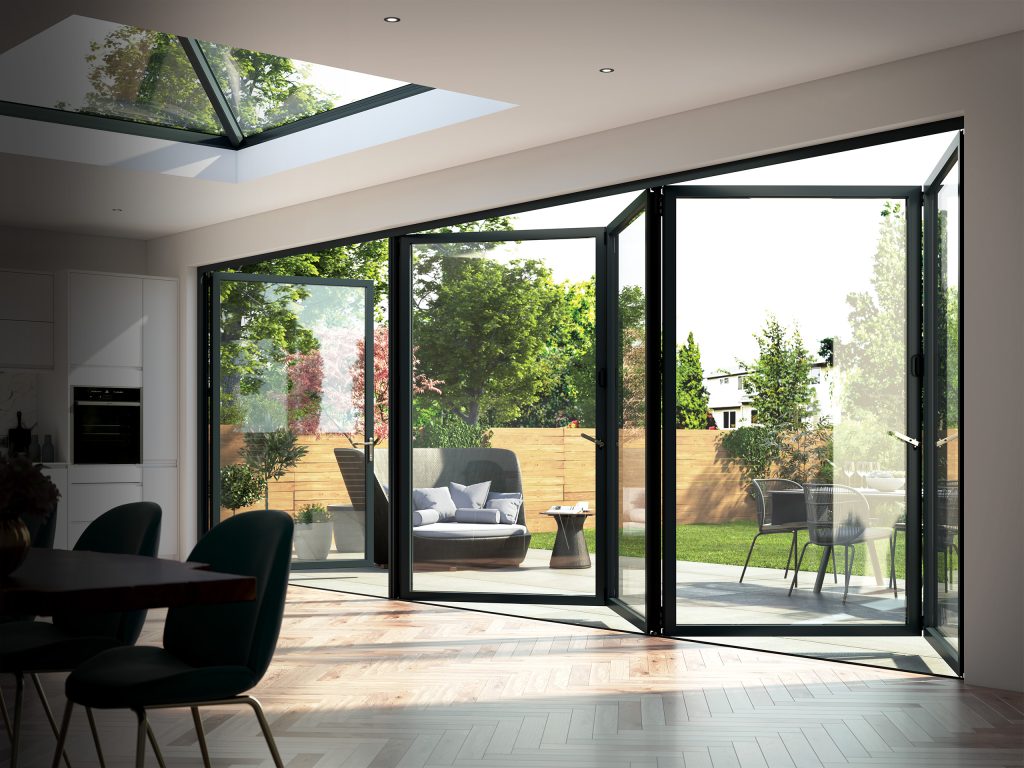
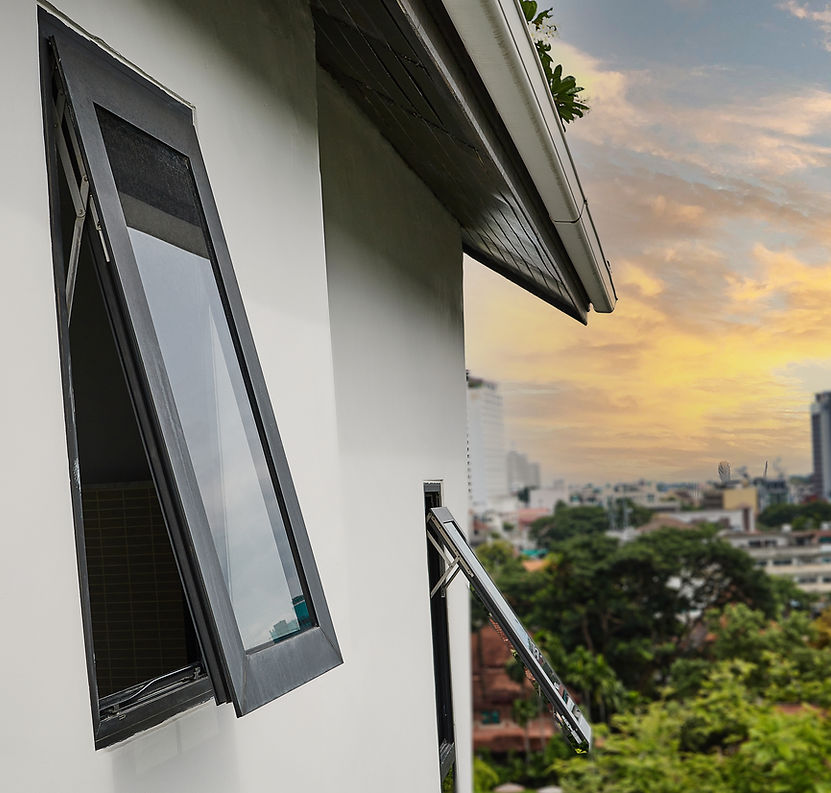
Trickle vents can help maintain gentle background airflow, particularly in bedrooms and recently upgraded properties that are more airtight than older homes. Keep them open where practical, especially in rooms that regularly fog up. If you have bifold doors, sliding doors or opening roof windows, brief ventilation can clear a build-up of humid air quickly. Ten minutes of cross-ventilation after cooking, showering or drying clothes can be more effective than leaving one small opening ajar for hours.
Ventilation has a trade-off: fresh air can make a room feel cooler and increase heating demand. That is why controlled, short bursts and effective extract ventilation are usually preferable to relying on permanently open windows. For major renovation projects, mechanical ventilation with heat recovery may be worth considering, but it needs to be designed around the property rather than added as an afterthought.
Reduce moisture before it reaches the glass
A window is often where the issue becomes visible, not where it starts. Reducing the amount of water vapour produced indoors will make any glazing system work better.
Dry clothes outdoors when conditions allow, or use a vented tumble dryer that discharges outside. If indoor drying is unavoidable, use a closed room with an open trickle vent, an extractor fan or a dehumidifier. Avoid placing airers directly in front of radiators, as this sends a large volume of humid air into the room.
When cooking, keep lids on pans and use the extractor from the start, not just once the room feels steamy. Close the kitchen door where possible to prevent humid air travelling to cooler rooms. After a shower, keep the bathroom door shut until the extractor has had time to clear the air.
A dehumidifier can be useful in homes with persistent condensation, particularly during building work, after plastering or in a newly completed extension. It is a support measure rather than a replacement for ventilation or suitable glazing. Check its collection container regularly and choose a model sized for the room or area you need to manage.
Keep the inside pane warmer
Heating matters because warmer glass is less likely to fall below the dew point – the temperature at which airborne moisture turns to water. A consistent, moderate indoor temperature is generally more effective than allowing rooms to get very cold and then heating them intensely for short periods.
Try not to block radiators with heavy furniture or full-length curtains. Warm air needs to circulate across the window surface. Blinds and curtains improve comfort at night, but if they are tightly closed against cold glass in a humid room, moisture can be trapped behind them. Opening them in the morning helps air reach the window and allows the surface to dry.
In rooms with large areas of glazing, such as garden rooms, rear extensions or open-plan kitchens, the specification of the glass and frame becomes especially important. A larger glazed area can transform natural light and views, but it also needs a thermal performance appropriate to its orientation, size and use. South-facing glazing may gain more solar warmth, while north-facing elevations benefit from especially strong insulation.
Choose glazing that suits the project
Modern double glazing with low-emissivity glass, warm-edge spacer bars and gas-filled cavities keeps the inner pane much warmer than older units. Triple glazing can improve insulation further, though it is not automatically the best answer for every project. It can cost more, add weight and may reduce useful solar gain in some situations. The best choice depends on the frame system, window size, orientation and the overall performance target for the property.
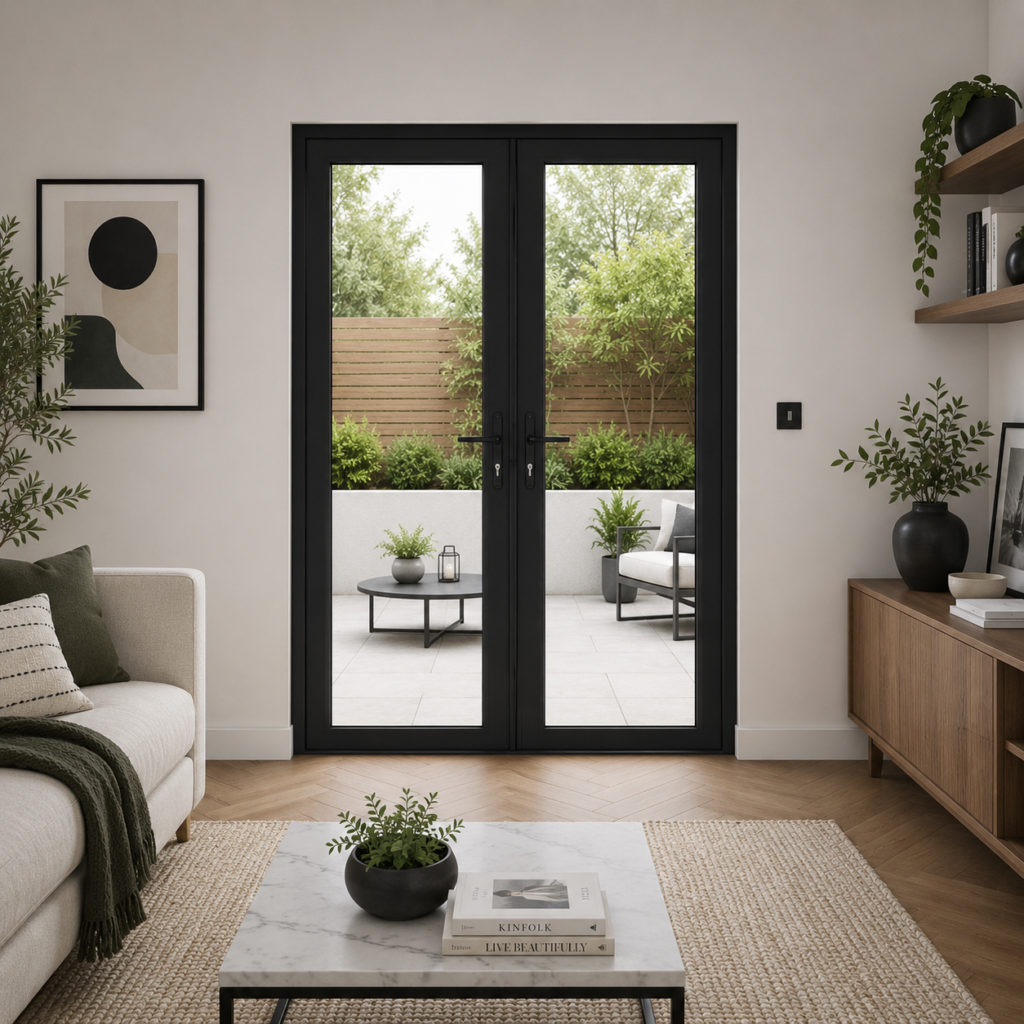
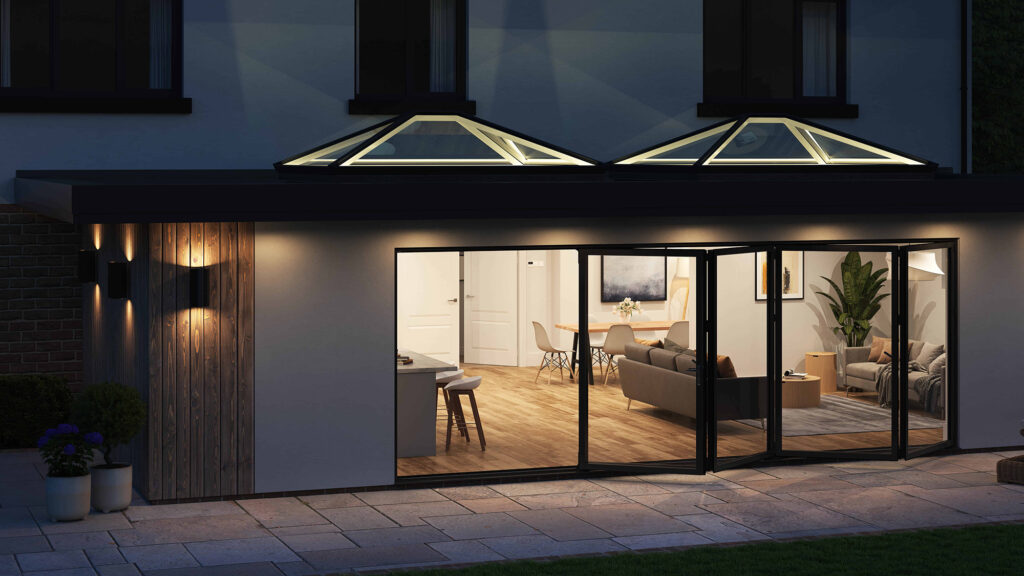
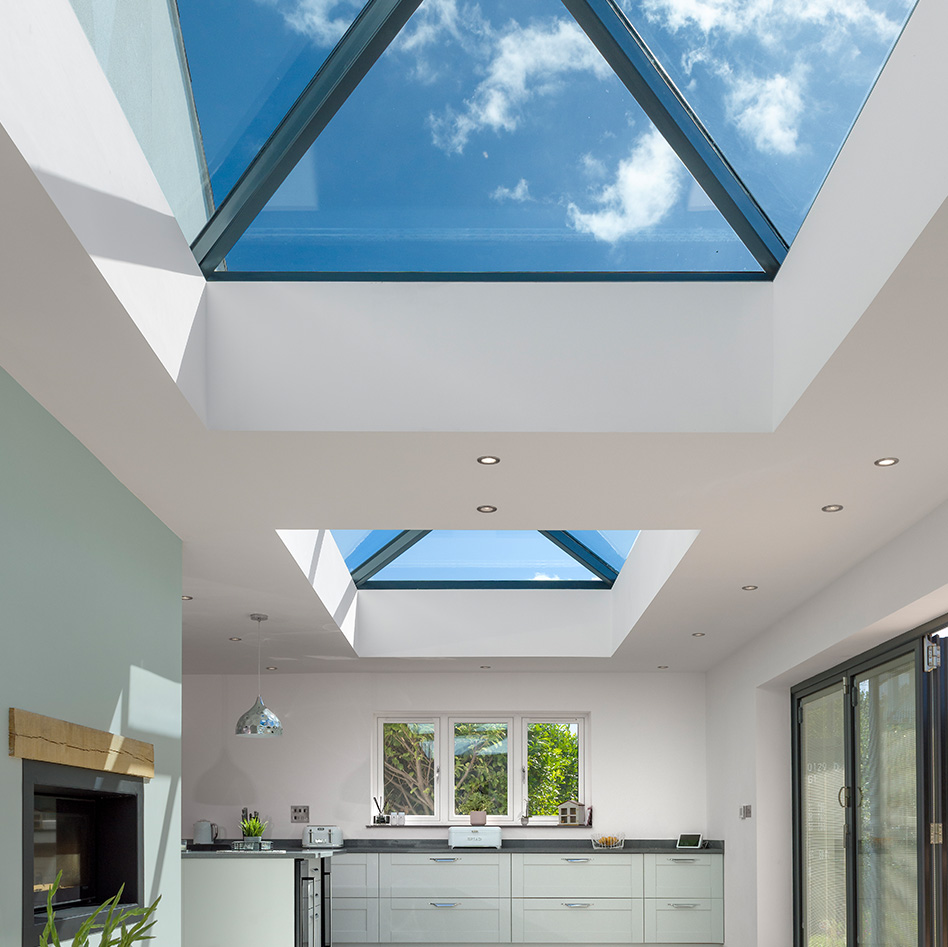
Aluminium windows with a properly engineered thermal break offer slim sightlines and long-term durability, while quality uPVC systems provide strong thermal performance and value. Both can perform well when the unit, frame and installation are specified correctly. For rooflights and roof lanterns, insulated kerbs, suitable glazing and careful detailing are vital because warm air naturally rises towards the roof.
For homeowners planning a replacement window project or extension, ask for the whole-unit performance rather than focusing on the centre of the glass alone. The frame, spacer, seals and installation all influence how warm the internal surface will remain.
Do not overlook installation and draughts
New windows should be fitted squarely, sealed correctly and integrated with the surrounding wall construction. Gaps around frames can create cold spots, while poorly insulated reveals can allow condensation to form at the edges even when the glass itself appears clear.
This is particularly relevant when replacing windows in older properties. A high-performance new unit installed into an uninsulated reveal may still expose a weak point in the wall. Your installer or project designer should consider insulation, airtightness and ventilation together. Improving one element without the others can change how moisture moves through the home.
If condensation is concentrated around one window, inspect the seals, opening sash and surrounding plaster for obvious gaps, damage or staining. If droplets are consistently between the panes, the sealed unit may need replacing. That is a glazing repair issue, not a housekeeping issue.
Simple habits that protect frames and finishes
Even after improving humidity and insulation, occasional internal condensation can happen during very cold weather. Wipe it away from glass, frames and sills each morning with an absorbent cloth. This is especially important on timber windows, painted reveals and areas around silicone seals, where standing water can cause gradual deterioration.
Keep an eye on black spotting at corners, behind furniture or around window reveals. Mould is a sign that surfaces are staying damp for too long. Move large furniture slightly away from external walls to improve airflow, and deal with the humidity source rather than repeatedly painting over the marks.
For a quick sense check, a small hygrometer is useful. Most homes are more comfortable when relative humidity is broadly between 40% and 60%, although the ideal figure varies with temperature and household activity. If readings remain high despite everyday ventilation, investigate extract fans, indoor drying habits and potential sources of water ingress.
When it is time to upgrade your windows
Older single glazing, failing double-glazed units and poorly insulated frames leave little margin for error in winter. If you regularly see heavy water on the inside pane despite sensible ventilation and heating, replacement glazing may be the most durable solution. This is particularly true where windows feel cold to stand near, draughts are noticeable or frames show recurring signs of moisture damage.
A well-planned upgrade is about more than stopping droplets. It can brighten your home, improve comfort near the glass and reduce the effort needed to keep rooms warm. Horizon Windows and Doors can help homeowners and trade customers compare high-performance aluminium and uPVC options for the needs of a specific project.
The goal is not a sealed-up house with no fresh air, nor a home that is expensive to heat. It is a well-balanced space where moisture is removed, warmth is retained and your windows can do the job they were chosen for: bringing in light without becoming the coldest surface in the room.