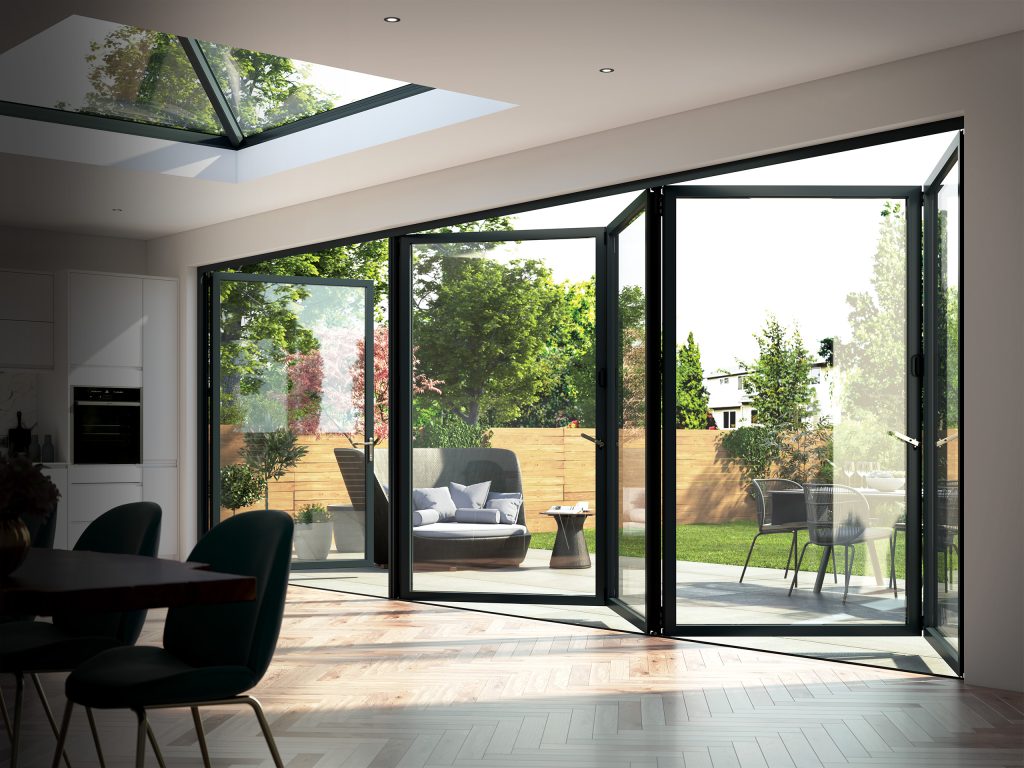
A kitchen extension can have generous floor space, beautiful cabinetry and wide garden doors, yet still feel darker than expected once the ceiling goes in. The best roof glazing for kitchens solves that problem at the source, bringing daylight into the centre of the room rather than relying solely on glazing around the perimeter. The right choice also needs to manage heat, privacy, ventilation and the everyday reality of cooking beneath a glazed roof.
For most contemporary kitchen extensions, a fixed flat rooflight is the strongest all-round option. It gives a clean, minimal finish, delivers excellent overhead light and suits both modern flat-roof designs and more restrained period-property upgrades. But there is no single answer for every project. A roof lantern can create a more architectural focal point, while an opening roof window may be the practical choice where steam and warm air need somewhere to escape.
Best roof glazing for kitchens by project type
The most suitable system depends on the roof design, the room’s orientation and how the kitchen will be used. Start with the feeling you want from the space, then work back to the technical specification.
Fixed flat rooflights for clean, even daylight
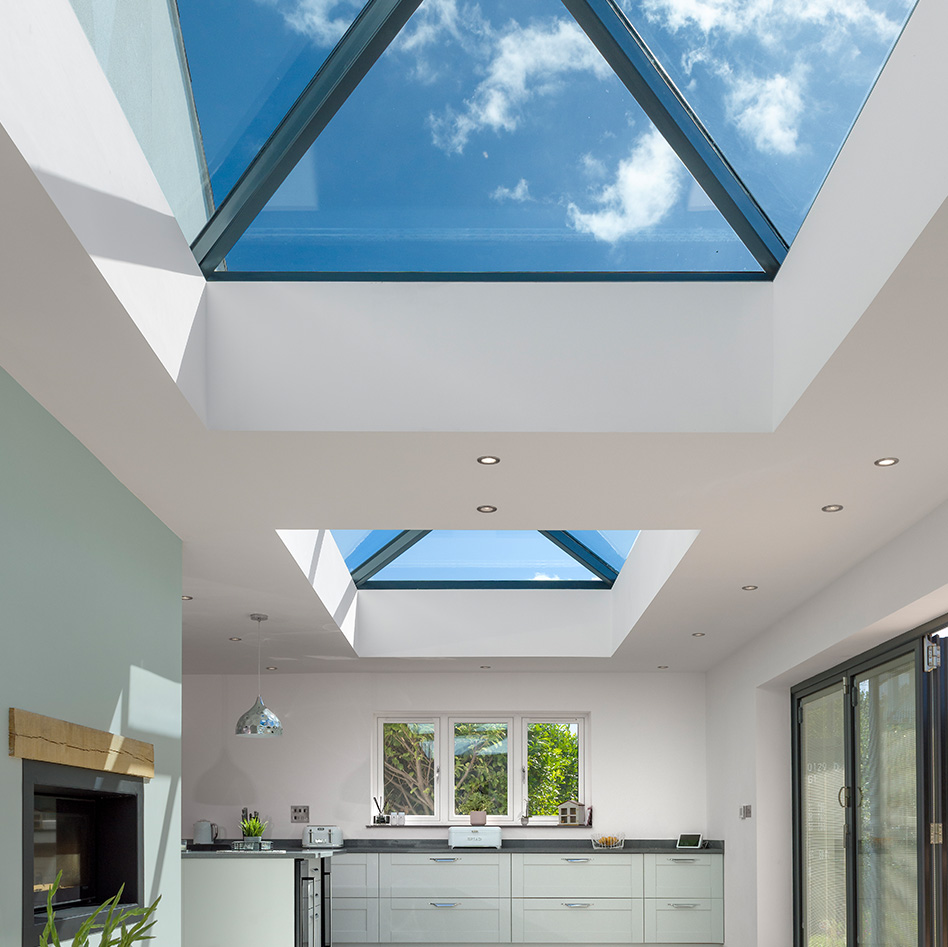
A flat rooflight is often the best fit for a single-storey rear extension with a flat roof. Its low-profile design sits close to the roofline, keeping views open from inside and maintaining a crisp external appearance. Because the glass is set directly above the room, it can brighten areas that standard doors and windows struggle to reach, including kitchen islands, dining tables and rear-facing working zones.
This is the practical choice when you want maximum light with minimum visual interruption. Frameless or slim-framed rooflights are particularly effective in contemporary kitchens, where too many visible bars can compete with the cabinetry, pendant lights and garden views.
For a kitchen-diner, one large rooflight over the dining area can work well. In a longer extension, two or three rooflights arranged along the roof often provide more balanced daylight and a better sense of rhythm than one oversized unit.
Roof lanterns for height and architectural presence
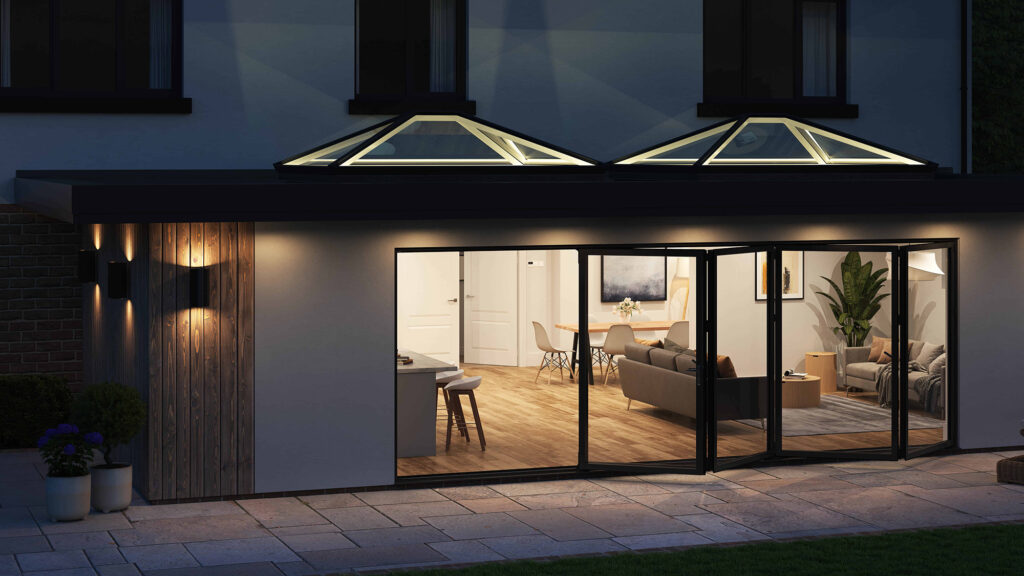
Roof lanterns are designed to be seen. Their raised, pitched form adds height, shape and a stronger visual centre to a kitchen extension. They are a popular choice for orangery-style spaces, traditional homes and larger rooms where a flat sheet of glass could look understated.
A lantern is especially effective over a dining table or central island. It draws the eye upwards and can make a standard ceiling height feel more generous. Slim aluminium rafters are worth prioritising, as they preserve more of the glass area and keep the structure looking refined.
The trade-off is that lanterns have more frame lines than flat rooflights and project above the roof. That is exactly what many homeowners want, but it may not suit a very minimal extension or an area where neighbouring upper-storey views are a concern.
Opening roof windows where ventilation matters most
If your kitchen regularly fills with steam, cooking heat or strong smells, opening roof glazing deserves close attention. Warm air rises, so an opening roof window can release it quickly and naturally. This can be particularly useful in compact kitchens, rooms with limited side windows or extensions where the hob sits away from external walls.
Opening units are not a replacement for proper extraction at the hob. They work alongside it, helping to clear residual warmth and improve comfort after cooking. Electric opening models can be useful for high-level installations, especially when paired with rain sensors or remote controls.
For many projects, the most successful arrangement is a fixed rooflight for broad daylight combined with an opening roof window positioned where ventilation will be most useful. This gives the kitchen both a bright focal point and a practical route for warm air to escape.
Get the size and position right before choosing glass
A small rooflight can transform a narrow galley extension, but it may disappear in a wide open-plan room. Equally, covering too much of the roof with glass can create a space that is difficult to keep comfortable through summer. Proportion matters more than simply choosing the largest possible unit.
Think about where daylight is needed at different times of day. A rooflight above the rear of the kitchen can lift darker cabinetry and worktops. One above the dining zone creates a brighter place to gather. A run of glazing along the roof can bring light deep into an extension without dominating a single point.
Avoid placing a rooflight directly above the hob where possible. It can make cleaning more demanding and may complicate extractor positioning. Over an island, consider how the glazing will work with pendants, ceiling-mounted extraction or a feature light. Planning these elements together prevents the ceiling from looking crowded.
Orientation is equally important. North-facing roof glazing provides cooler, more consistent light, making it a sensible choice for kitchens where glare is a concern. South-facing glass can deliver striking brightness in the UK, but should be specified with solar control in mind. East-facing glazing catches morning sun, while west-facing installations can bring intense late-afternoon warmth, particularly in rooms used for evening dining.
Specify roof glazing for comfort, not just looks
Kitchen roof glazing has to perform through cold mornings, bright summer afternoons and wet winter weather. The glass specification is therefore as important as the style of rooflight or lantern.
Thermal performance and insulated frames
Look beyond a single advertised U-value. Manufacturers may quote the centre-pane performance of the glass, the complete unit or the overall rooflight system, and these are not interchangeable. For a meaningful comparison, ask for the value for the complete product and check that the frame, upstand and installation detail support the claimed performance.
Quality double or triple glazing, low-emissivity coatings and thermally broken aluminium frames all help limit heat loss. Triple glazing is not automatically the best option in every kitchen, however. It can improve insulation, but weight, cost, solar gain and the intended product design need to be considered as a whole.
Solar control and glare reduction
Large overhead glass receives more direct sun than a vertical window. Solar-control coatings can reduce heat build-up while still allowing useful natural light into the room. They are a particularly sensible consideration for south- and west-facing extensions, large glazed roofs and kitchens with limited opportunities for external shading.
A tinted or solar-control finish may slightly alter the appearance of the glass and reduce some light transmission. That is usually a worthwhile exchange when a room would otherwise become too warm or suffer uncomfortable glare. For stronger control, internal blinds can help, although they should be chosen for roof-glazing use and fitted so they do not detract from the clean ceiling line.
Safety glass, weathering and maintenance
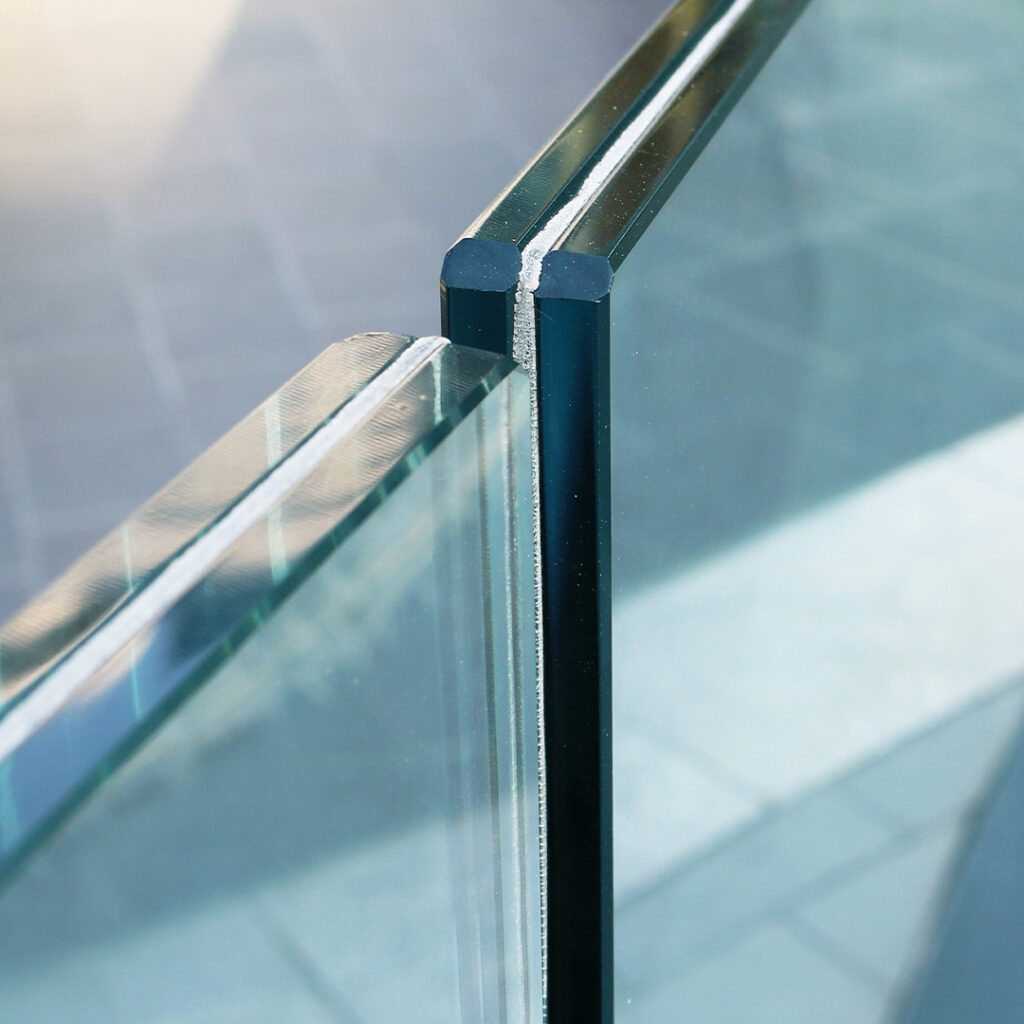
Overhead glazing should be specified as a complete safety-led system, with appropriate toughened or laminated glass where required. The roof build-up, kerb or upstand, flashing detail and drainage arrangement are just as critical as the glass itself. A well-made unit can still underperform if it is installed onto an unsuitable opening or finished without the manufacturer’s required detail.
Self-cleaning glass can reduce the frequency of maintenance, but it is not maintenance-free. Pollen, traffic film, leaves and kitchen-related residue will still need occasional cleaning. Consider access from the start, especially for large lanterns or rooflights over an island where reaching the internal surface may be difficult.
Match the product to your roof and planning route
A flat rooflight typically needs a correctly formed upstand to raise it above the finished roof surface and support effective weathering. Roof lanterns also require a sound, level kerb and careful installation because small alignment errors are far more visible on a raised structure. Roof windows are generally designed for pitched roofs and need compatible flashing for the roof covering.
For extensions, roof glazing may fall within permitted development in some circumstances, but this depends on the property, location and the proposed design. Listed buildings, conservation areas, flats and projects with previous planning conditions need particular care. Building Regulations will also affect structural support, thermal performance, safety glazing and ventilation. Your builder, designer or installer should confirm the route before the order is finalised.
Trade buyers should check opening sizes, roof pitch where relevant, external dimensions, delivery access and lead times before committing. Homeowners benefit from doing the same, as bespoke glazing is far easier to specify correctly than alter after manufacture.
A simple way to make the final choice
Choose a fixed flat rooflight if you want a modern, low-profile solution that maximises daylight in a flat-roof kitchen extension. Choose a roof lantern if the room needs ceiling height, character and a clear architectural focal point. Choose opening roof windows when natural ventilation is a priority, or combine an opening unit with fixed glazing for a more complete result.
Then refine the specification around orientation, solar control, thermal performance, glass safety and the roof construction. A made-to-measure product is not simply about finding a size that fits the opening. It is about creating a kitchen that stays bright, comfortable and enjoyable long after the extension is finished.
The best result is usually the option that makes the room feel naturally lit on an ordinary overcast morning, while still giving you confidence when the summer sun and a busy evening of cooking put the space to work.