
The best patio doors UK buyers choose are not always the most expensive or the most dramatic. They are the doors that suit the opening, the layout, the level of insulation you need, and how you actually want to use the space every day. A three-metre garden opening in a modern extension needs a different answer from a compact kitchen renovation or a heritage-style rear elevation.
That is where many buying decisions go wrong. People start with a picture in mind, usually a wall of glass folded neatly away or a slim sliding system opening onto the patio, and only later think about sightlines, threshold levels, traffic doors, frame material and thermal performance. If you want to maximise light and space without creating compromises elsewhere, it pays to compare the options properly.
Best patio doors UK buyers compare first
In the UK market, the main contenders are bifold doors, sliding patio doors and French doors. Each has a clear place, and none is automatically the right choice in every project.
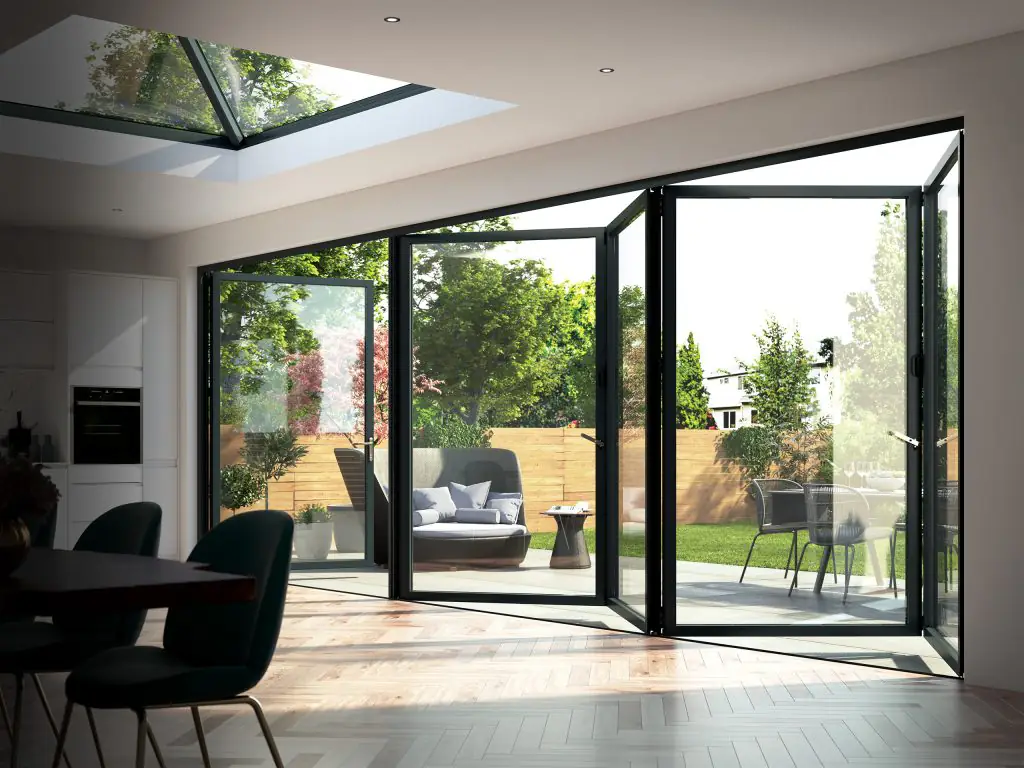
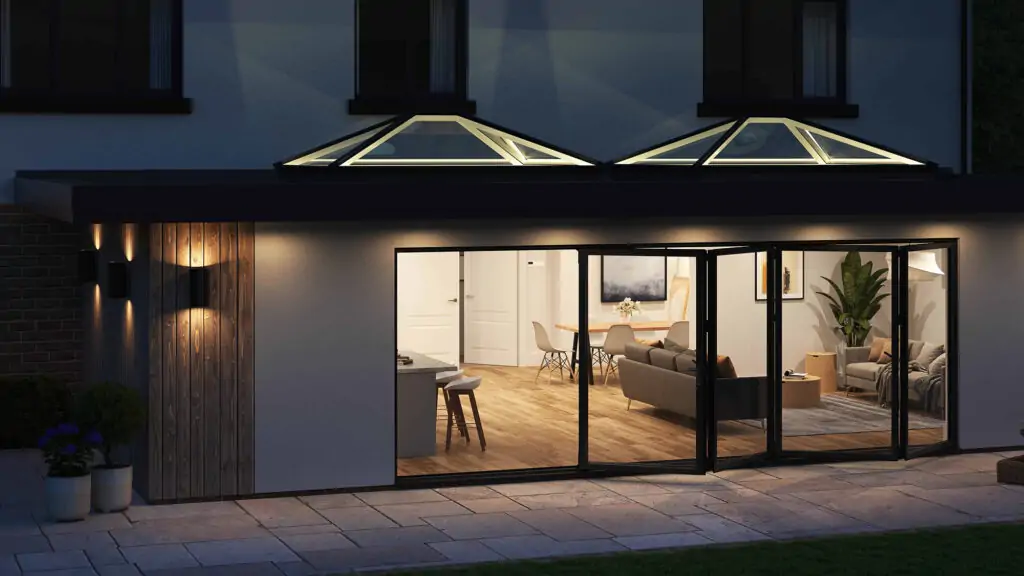
Bifold doors are often the first option people consider for extensions and open-plan living spaces. They can open up a large proportion of the aperture, which is why they are popular for kitchens that lead straight onto the garden. When folded back, they create a wide opening that genuinely changes how the room feels in warmer months. The trade-off is that you will have more frame lines than you would with a sliding system, and the stacked panels need somewhere to sit when open.
Sliding patio doors are a strong choice if your priority is glass area and uninterrupted views. Because the panels slide behind one another rather than folding, sightlines are usually cleaner and the frame-to-glass ratio can be more impressive. They are especially effective in contemporary extensions, garden rooms and properties with attractive outdoor views. The compromise is practical rather than visual – only part of the opening is accessible at once, because one panel always sits behind another.
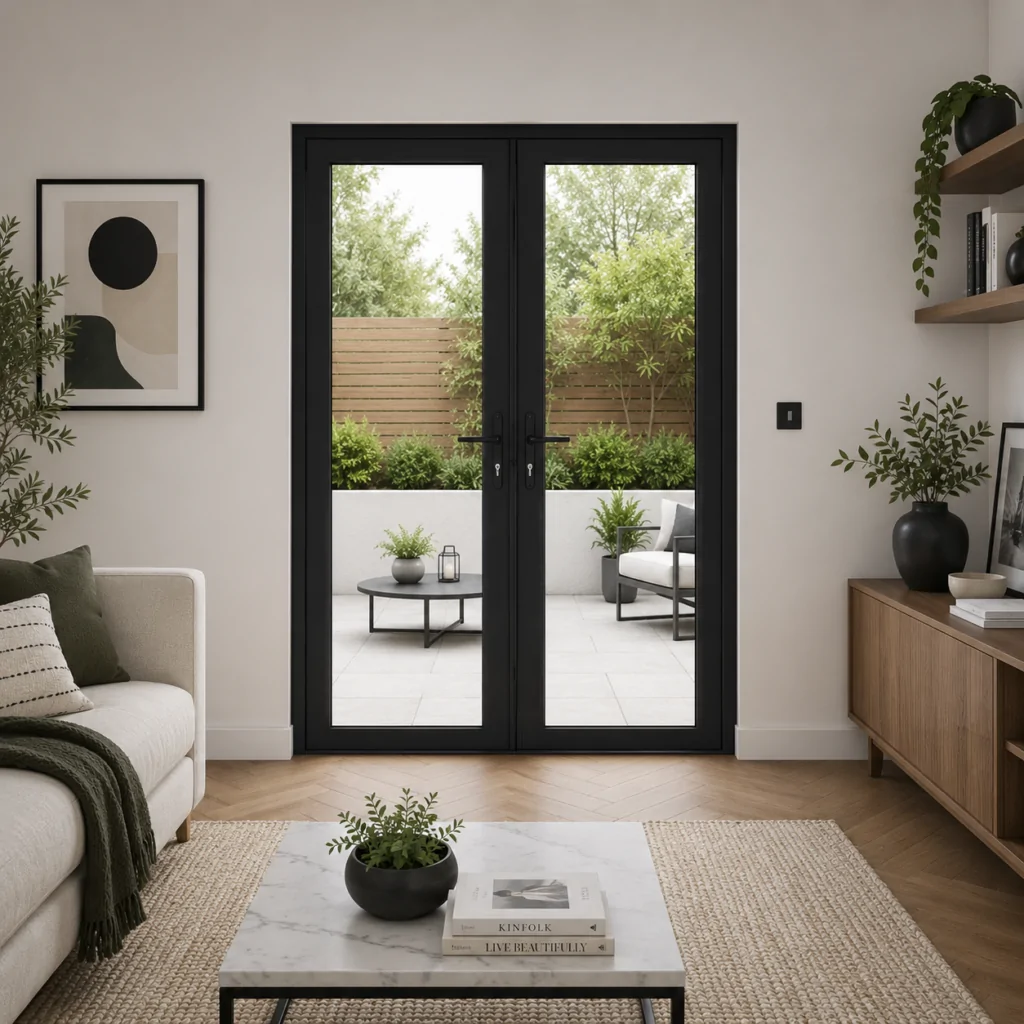
French doors still earn their place, especially on smaller openings or homes where symmetry matters. They are simple, familiar and often cost-effective, with a classic look that suits traditional properties. They do not deliver the same scale of glazing as larger bifold or sliding systems, but on the right elevation they can still brighten your home and improve access to outside space without overcomplicating the design.
How to choose the best patio doors UK homes actually need
The smartest way to choose is to work backwards from the room, not forwards from the brochure image.
Start with the size of the opening
Large structural openings usually make better use of bifold or sliding doors. If the span is generous and you want to open up your home for entertaining, bifolds can be a strong fit. If the opening frames a garden, countryside view or a landscaped patio, sliding doors often make more sense because they keep the view cleaner even when closed.
Smaller openings may not need a complex system at all. French doors or a two-panel slider can be a better-value answer that still improves light and practicality.
Think about how you will use the doors daily
This matters more than many buyers expect. If the doors will be your main route into the garden, convenience is key. A bifold with a traffic door can give you everyday access without folding the whole set back. A sliding door is very easy to operate and ideal where furniture placement is tight, because the panels do not swing into the room or outside.
If you only expect to fully open the doors occasionally, the visual benefit of a sliding system may outweigh the advantage of a fully open aperture.
Consider the room layout
Furniture, kitchen islands, dining tables and external features all affect what works best. Bifold doors need stacking space. French doors need swing clearance. Sliding doors are usually the least intrusive because they stay within their own frame footprint.
That can make a real difference in compact extensions or garden rooms where every square metre counts.
Material matters as much as door style
Once you have chosen a door type, the frame material will shape performance, appearance and budget.
Aluminium is the premium choice for many modern projects. It offers slim frames, strong structural performance and a clean architectural finish that suits contemporary homes. It also performs well on wider openings and is available in a broad range of colours and configurations. If your priority is sightlines, durability and a sharper design-led look, aluminium is hard to beat.
uPVC remains popular because it offers solid thermal performance and good value. It can be an excellent option for homeowners who want to improve energy efficiency and appearance without stretching to a higher aluminium budget. The look is usually less refined on large, high-end openings, but for many projects it is a sensible and cost-effective solution.
For trade buyers and homeowners working to a specification, the right material often comes down to balancing aesthetics with commercial reality. A premium aluminium slider might be perfect for the rear of a statement extension, while a more budget-conscious system works well on a side return or smaller garden access point.
Thermal performance, security and thresholds
Patio doors are a visual purchase, but performance is what you live with once they are installed.
Thermal efficiency matters in every UK property, especially on larger glazed openings. Good patio doors should help keep warmth in during winter and reduce draughts all year round. That means looking beyond broad marketing claims and checking the actual specification – glazing options, frame design, weather performance and the overall system quality all count.
Security should be treated the same way. Multi-point locking, quality hardware and a well-engineered frame are not luxury extras. They are part of what makes a patio door worth buying. On family homes, rental properties and projects where rear access is more exposed, security specification deserves proper attention.
Threshold choice also has practical consequences. Low thresholds create a neater transition to patios and help with accessibility, but they need to be specified carefully to suit drainage and weather exposure. A flush-looking finish is appealing, yet the right solution depends on where the doors sit and how sheltered the opening is.
Bifold vs sliding doors – which is better?
This is usually the key question, and the honest answer is that it depends on what matters most.
If you want the widest possible opening in summer, bifold doors generally win. They are ideal for social spaces where inside and outside living is the whole point of the project. They also give a flexible, high-impact feel that many homeowners want from a rear extension.
If you want bigger panes, slimmer sightlines and a stronger year-round view of the garden, sliding doors are often the better choice. They tend to look calmer and more minimal, especially in contemporary settings. They can also feel more premium visually because the glass does more of the work.
For some projects, the answer comes down to how often the doors will be fully open. If that will happen every sunny day, bifolds can justify themselves quickly. If most of the year the doors will be closed and the priority is daylight and outlook, sliding doors are usually the more elegant solution.
What makes a patio door worth the price?
Cheap patio doors can look similar online, but specification gaps often show up later in operation, finish and longevity. This is particularly true with large-format glazed systems, where manufacturing quality and hardware make a noticeable difference over time.
A better patio door should feel solid in daily use. It should glide or fold smoothly, close cleanly, and offer confidence in weather resistance and security. It should also be configurable enough to suit the opening properly, rather than forcing a standard size into a bespoke project.
That is why many buyers now look for suppliers that combine product choice with practical support. Being able to compare brands, review technical information, tailor sizes and configurations, and get UK-based advice before ordering reduces mistakes and makes the buying process far more straightforward. For homeowners and trade customers alike, value is not just about the ticket price. It is about getting the right system first time.
A practical shortlist for different project types
If you are renovating a modern extension and want maximum glass, start with aluminium sliding doors. If you are creating a sociable kitchen-diner that opens fully onto the patio, look closely at aluminium bifold doors. If the opening is modest or the property has a more traditional character, French doors may be the best fit.
If budget is a driving factor, uPVC deserves serious consideration. If design impact is higher on the list, aluminium will usually justify the step up. And if you are specifying for a client or managing multiple plots, consistency of supply, technical clarity and lead times can matter as much as the door itself.
For buyers comparing the best patio doors UK suppliers offer, the strongest choice is usually the one that balances appearance, performance and practicality without forcing compromises on the rest of the project. Horizon Windows and Doors reflects that approach by offering premium glazed systems that can be tailored around the opening rather than the other way round.
A good patio door should do more than look impressive on installation day. It should brighten your home, work smoothly every day, and make the space beyond the glass feel like part of the room.