
Stand in the middle of a dark extension at 3pm and the answer can feel obvious. If a room relies too heavily on side windows, especially in rear extensions, kitchens or garden rooms, it often never feels quite finished. That is usually why people ask, are rooflights worth it – not as a design theory, but as a practical question about light, comfort, energy use and overall value.
The short answer is yes, rooflights are often worth it. But they are not automatically the right choice for every project. The real value depends on where the room sits, how much daylight it already gets, the performance of the glazing, and whether the product is properly specified and installed.
Are rooflights worth it for most homes?
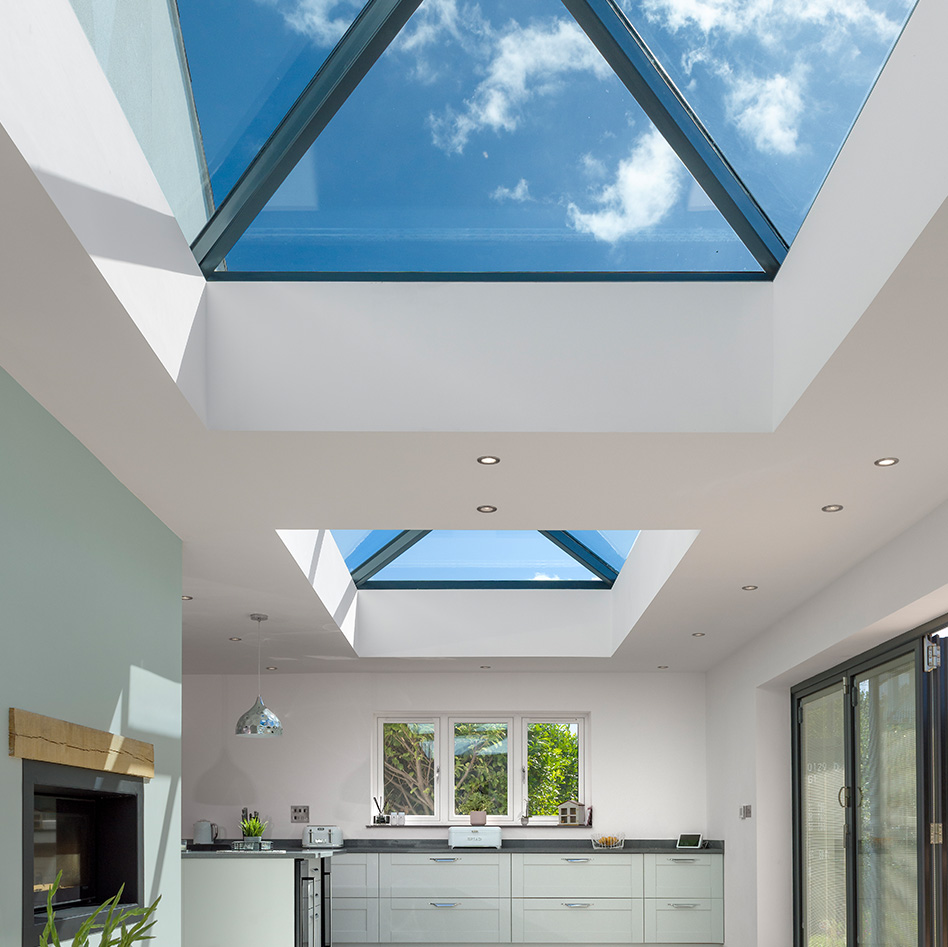
In many UK homes, they are. A well-placed rooflight can transform the feel of a room more dramatically than a larger standard window. That is because light coming from above reaches deeper into the space and creates a brighter, more open effect throughout the day.
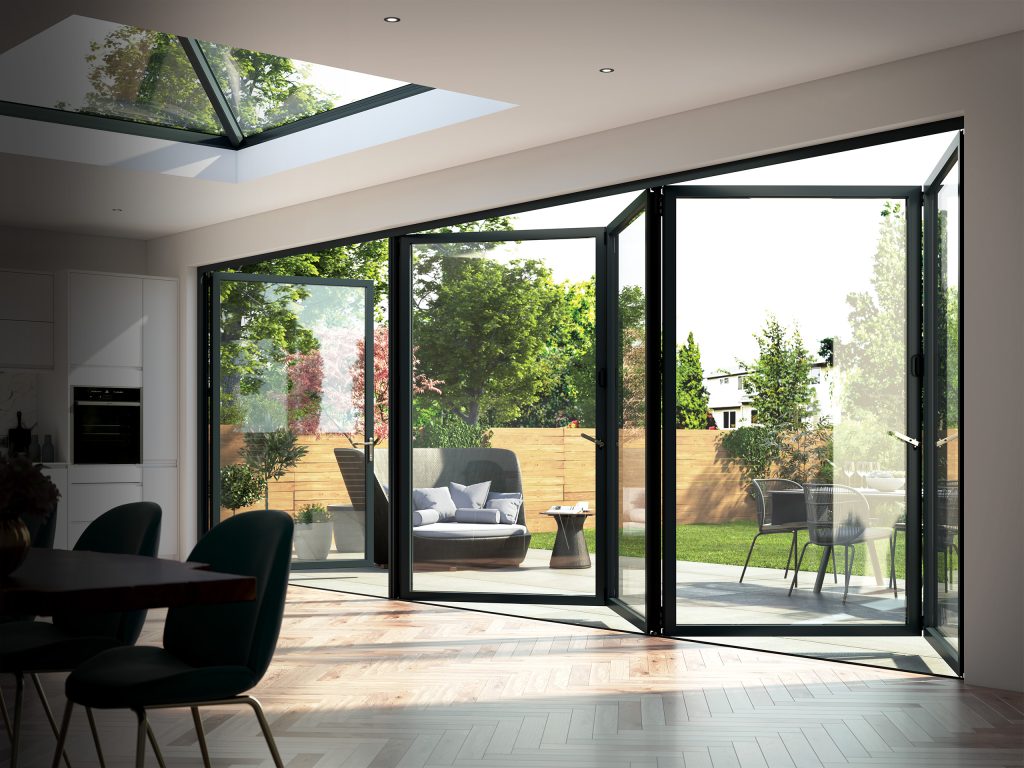
This matters most in single-storey extensions, flat roof kitchen diners, orangery-style spaces, loft conversions and garden rooms. In these settings, wall space is often taken up by cabinetry, doors or neighbouring boundaries. A rooflight gives you another route to daylight without sacrificing layout.
The benefit is not purely visual. Better natural light can make a room more usable, reduce reliance on artificial lighting and help a space feel larger. For many homeowners, that is where the return starts – not just in resale terms, but in how the home works every day.
The biggest reasons rooflights are worth considering
The first is obvious: they brighten your home. But the quality of that light matters just as much as the amount. Rooflights can soften darker areas of a room and balance light levels across the space, which is especially useful in deep-plan extensions where the back of the room gets plenty of glazing but the centre still feels dim.
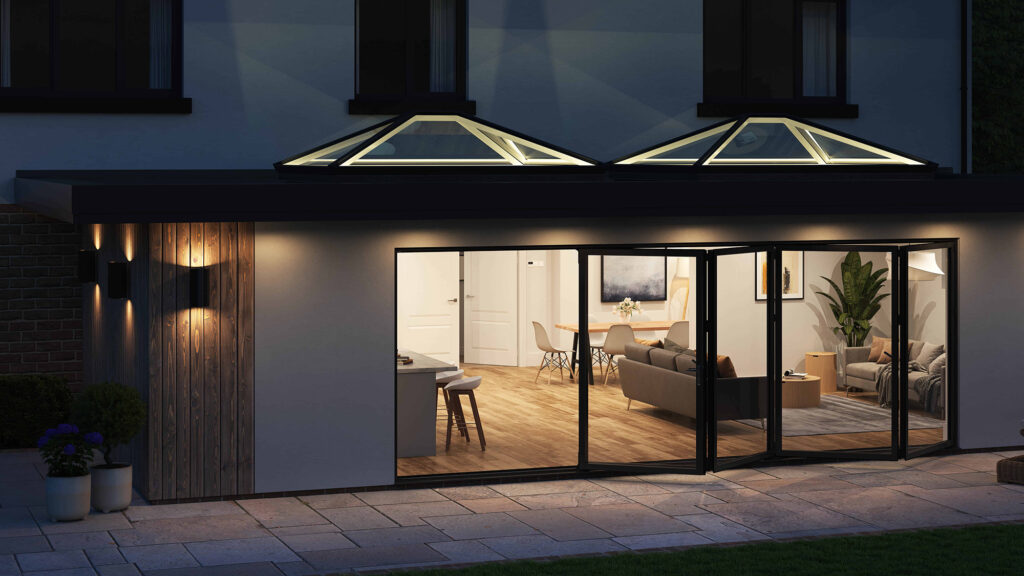
The second is visual impact. Flat rooflights and roof lanterns can make a straightforward extension feel more considered and more premium. They draw the eye upward, add architectural interest and help connect the interior with the sky. If you are investing in a major renovation, that design uplift can be a big part of the appeal.
The third is ventilation, if you choose an opening option. In kitchens, bathrooms and upper-floor rooms, an opening rooflight can help release heat and moisture. That can improve comfort in warmer weather and support better airflow in spaces that are prone to condensation.
There is also a property value argument, although it should be treated realistically. Rooflights alone will not guarantee a higher sale price, but they can strengthen the appeal of a well-designed extension or refurbishment. Buyers respond to bright, airy rooms. If a rooflight helps create that impression, it can absolutely support broader home improvement value.
Where rooflights deliver the best return
Rooflights tend to offer the strongest return where daylight is otherwise limited. A rear extension with bifold or sliding doors may still feel darker than expected in the middle of the room. A flat rooflight above the dining area or kitchen island often solves that.
Loft conversions are another strong case. In roof spaces, standard vertical windows are not always enough to make the room feel open. Roof windows or pitched rooflights can pull in light at the angle the space needs.
Garden rooms and home offices also benefit. If you want a room to feel bright without turning one elevation into full glazing, rooflights can introduce light while preserving privacy and wall space.
For trade professionals, this usually comes down to performance and practicality as much as design. If a rooflight helps deliver the look the client wants while meeting thermal targets and keeping the room usable, it becomes an easy specification to justify.
Are rooflights worth it when you consider energy efficiency?
This is where specification matters. Older or poor-quality glazed units could let too much heat escape in winter and allow overheating in summer. Modern rooflights are a different proposition, especially when they use high-performance glazing and thermally efficient frames.
A good rooflight should help maximise light without creating a weak point in the building envelope. Double or triple glazing, low-emissivity coatings, warm edge spacer bars and thermally broken frames all make a difference. The right unit can support energy efficiency rather than work against it.
That said, more glass in the roof will always need careful planning. South-facing positions can bring excellent daylight, but they may also increase solar gain in warmer months. In some projects, solar control glazing or a more considered rooflight size is the better answer than simply choosing the largest option possible.
So are rooflights worth it from an energy point of view? Yes, if they are chosen with orientation, glazing specification and room use in mind. No, if they are treated as a purely aesthetic feature with little thought for performance.
The cost question: are rooflights worth the money?
They can be, but the answer depends on what you compare them with. A rooflight is an added cost in both product and installation terms, and premium models will naturally cost more than basic alternatives. If structural work is needed, that also affects the budget.
Even so, many homeowners see rooflights as high-impact spending. Compared with some finishing upgrades, they can change the whole atmosphere of a room. A better worktop or flooring choice matters, but neither can turn a gloomy extension into a bright one.
The value becomes clearer when the rooflight solves a problem that would otherwise need a more expensive redesign. If side glazing is limited, or planning and privacy constraints affect window placement, rooflights can offer a practical route to a better result.
For cost-conscious projects, the key is to choose the right type rather than the biggest or most complex. A fixed flat rooflight may deliver exactly what the room needs without stretching the budget into opening systems or oversized glazing.
When rooflights may not be worth it
There are cases where they are less compelling. If a room already receives excellent daylight from multiple elevations, adding a rooflight may offer little extra benefit. In some homes, it becomes a feature rather than a necessity.
Bedrooms can be another grey area. Some people love waking up to more natural light, while others prefer more control over darkness and privacy. In those spaces, the lifestyle fit matters more than the visual impact.
Poor orientation can also reduce the return. Too much direct sun in the wrong room may cause glare or overheating, especially if the glazing is not suited to the aspect. Likewise, if the budget only allows for a low-spec product, the long-term experience may disappoint.
Installation quality is another deciding factor. Even the best rooflight can become a problem if it is poorly fitted. Water ingress, condensation issues and thermal bridging are not product category problems so much as specification and installation problems. This is why technical details matter just as much as appearance.
Choosing the right rooflight makes all the difference
If you are weighing up whether rooflights are worth it, focus less on the idea and more on the fit. Ask what the room needs. Is it more daylight, better ventilation, a cleaner roofline, or a stronger design feature?
Flat rooflights suit contemporary extensions and are often ideal for kitchens and rear additions. Roof lanterns make more of a statement and can work well where you want a central feature and a more traditional glazed roof look. Roof windows are often the better match for lofts and pitched roofs.
Size should be handled carefully. Too small and the benefit is underwhelming. Too large and the room may feel overexposed or thermally harder to control. This is where expert guidance can save money as well as mistakes, especially if you are balancing aesthetics, U-values, ventilation and structural openings.
For homeowners and trade buyers alike, a supplier that offers technical support, custom sizing and clear product information tends to make the decision easier. That is particularly true when you are working to a programme, matching a design brief or trying to compare branded systems on quality and price.
So, are rooflights worth it?
If your goal is to maximise light and space, they very often are. The best rooflights do more than brighten a room. They improve how the space feels, support a better layout and add the kind of finish that makes an extension or renovation feel complete.
But the real answer is this: rooflights are worth it when they are solving a genuine problem or delivering a clear design benefit. Get the size, glazing and positioning right, and they can be one of the smartest upgrades in the project. If you are still deciding, start with the room itself. The right glazing choice should work hard every day, not just look good on plans.