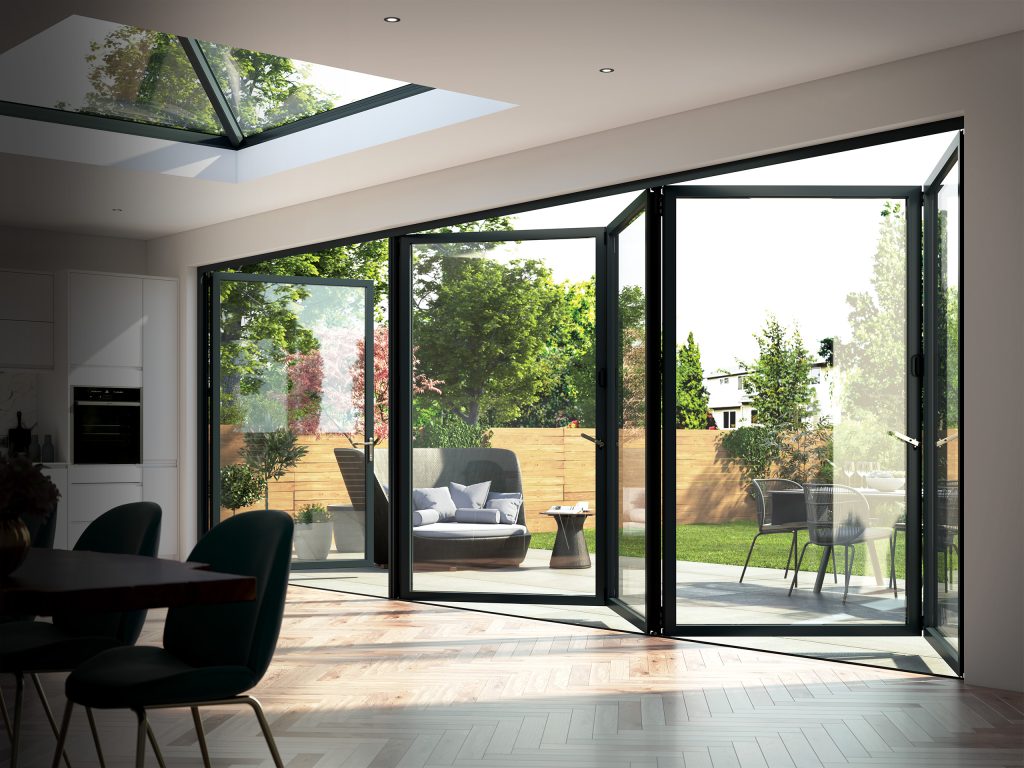
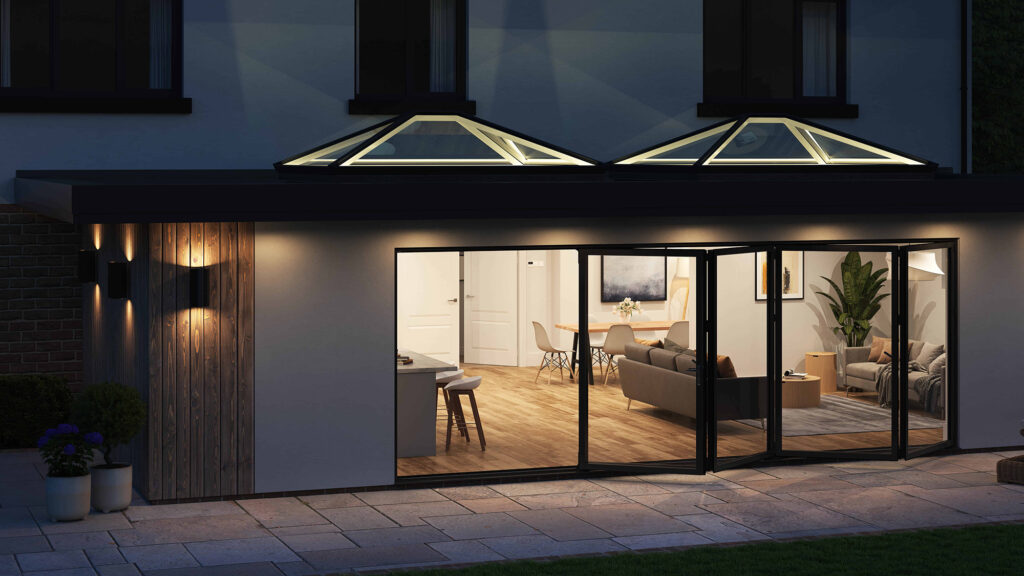
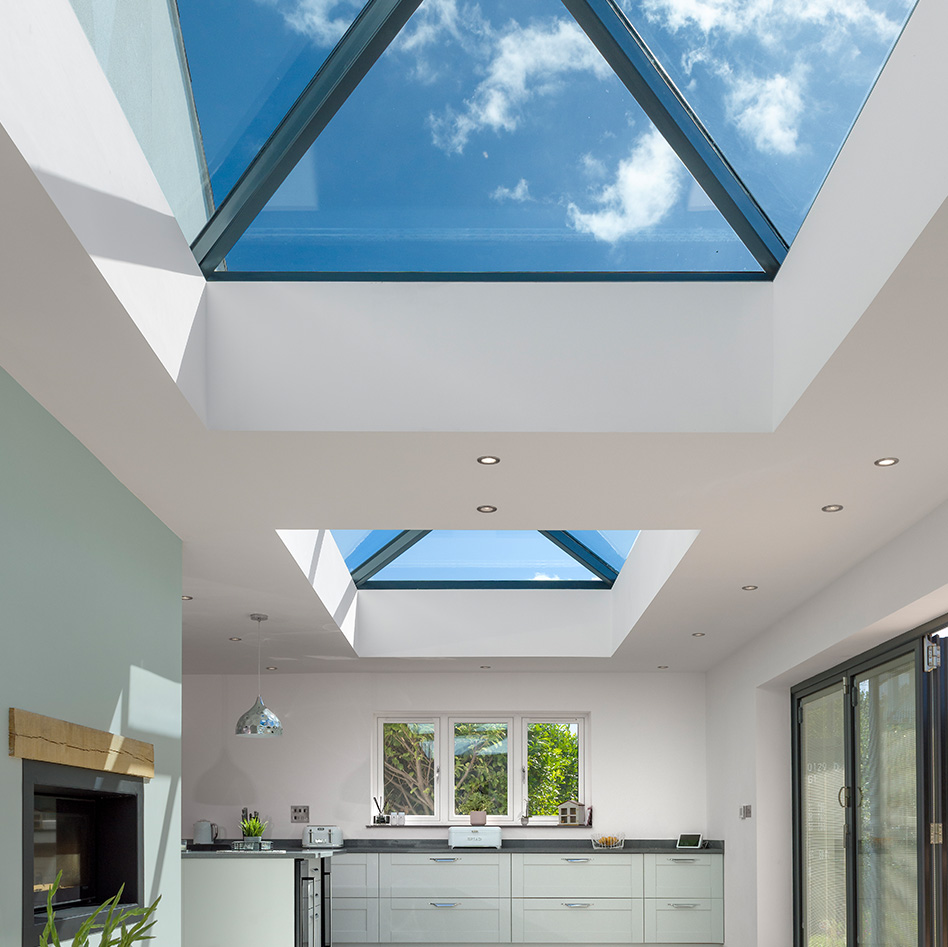
A roof lantern can transform a flat roof extension, but the wrong glass can leave you with a space that looks impressive and feels uncomfortable. Too much solar gain and the room overheats by lunchtime. Too little thermal performance and you notice the chill as soon as the weather turns. If you are trying to choose roof lantern glazing options, the best place to start is not the frame – it is how you want the room to perform every day.
Why glazing matters more than most buyers expect
The frame gives the roof lantern its shape and style, but the glazing does most of the hard work. It affects how much natural light enters the room, how warm the space feels in winter, how well it resists overheating in summer, and even how much glare you get on screens and polished surfaces.
That matters whether you are planning a kitchen extension, a dining space, an orangery or a garden room. A lantern over a south-facing open-plan kitchen has very different demands from one over a hallway or a north-facing family room. The right specification is rarely about choosing the most expensive glass on the list. It is about matching the glazing to the room, the orientation and the way the property is used.
How to choose roof lantern glazing options for your space
Before comparing glass types, think about three practical questions. How much sun does the roof receive? How warm does the room already get? And what matters most to you – maximum daylight, better temperature control, easier maintenance or a balanced mix of all three?
If the lantern sits on a south or west-facing roof, solar control usually deserves serious attention. If the room tends to be cold, thermal insulation becomes a bigger priority. If you are creating a bright central living area and want the cleanest possible look, you may lean towards clear glass with strong energy performance. Good specification starts with real use, not just appearance.
Clear glazing
Clear glazing is often the first choice because it delivers a bright, open feel and shows the sky properly. In many extensions, that crisp, unobstructed look is exactly the point of installing a roof lantern in the first place.
The trade-off is that clear glass admits more of the sun’s energy unless it also includes a solar control coating. On a modest lantern or a shaded roof, that may be perfectly fine. On a large lantern above a heavily glazed extension, it can create too much heat and glare. Clear glazing works well when you want maximum daylight and the room orientation is relatively forgiving.
Solar control glazing
Solar control glass is designed to reduce the amount of solar heat passing into the room. For many UK homeowners, this is the option that makes the biggest practical difference, especially in modern kitchen-diners with bifold or sliding doors already bringing in plenty of sun.
It helps keep the space more comfortable through spring and summer, and it can reduce glare as well. The compromise is that some solar control coatings slightly alter the appearance of the glass or reduce light transmission compared with standard clear units. In most cases, that is a worthwhile exchange for a room that feels usable throughout the day rather than uncomfortably hot.
Tinted glazing
Tinted glass can soften brightness and cut glare, and some buyers choose it for a more architectural look. Grey or bronze tones can suit contemporary projects where a slightly darker external appearance complements aluminium frames and minimalist detailing.
That said, tinted glazing is usually more of a design-led decision than a universal upgrade. It changes the character of the light coming into the room, so it is worth considering how that will affect interior finishes, wall colours and the general feel of the space. If your goal is simply better heat control, specialist solar control glazing is often the more targeted solution.
Thermal efficiency and comfort through the year
When buyers compare glazing, visible light often gets the most attention. In everyday use, thermal performance can matter even more. A well-specified double glazed unit helps retain warmth, improves comfort near the opening and supports better energy efficiency across the extension.
Look closely at the overall roof lantern specification rather than glass in isolation. The glazing unit, warm edge spacer, coatings and frame design all contribute to performance. A lantern that looks slim and elegant should still be engineered to reduce heat loss effectively. For homeowners, that means a more comfortable room in colder months. For trade professionals, it means fewer compromises at specification stage.
Double glazing or triple glazing?
For most roof lantern applications in the UK, high-performance double glazing is the standard and often the sensible choice. It offers a strong balance of thermal efficiency, weight, cost and practicality.
Triple glazing can improve insulation, but it is not automatically the best answer for every project. It is heavier, can affect structural requirements and may not deliver proportionate benefits in all extensions. If you are working on a project with particularly demanding thermal targets, triple glazing may be worth exploring, but many domestic roof lanterns achieve excellent results with quality double glazed units.
Safety glazing is not optional
Any overhead glazing must meet safety requirements, which is why roof lantern glass is typically supplied as toughened, laminated or a combination of the two, depending on the design and specification.
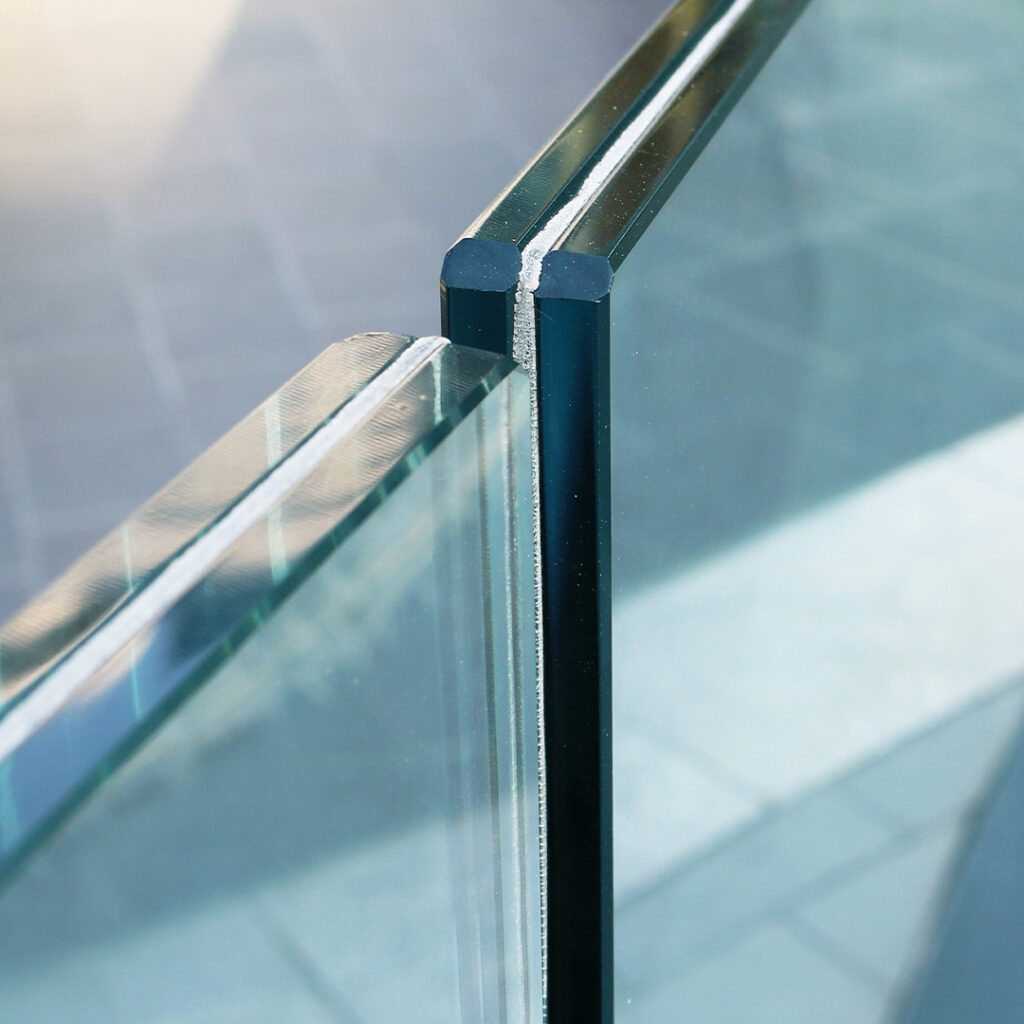
Toughened glass is heat-treated to improve strength. Laminated glass includes an interlayer that helps hold the pane together if broken. In overhead applications, laminated inner panes are often especially important because they provide added protection below the glass. This is less about upgrades for the sake of it and more about choosing a roof lantern that is built for the job properly.
For buyers comparing products online, this is one of the details worth checking carefully. A low headline price can look attractive until you realise the glazing specification is more basic than expected.
Self-cleaning glass – useful, but not magic
Self-cleaning coatings can be a worthwhile addition, especially on roof glazing that is hard to access. The coating helps break down dirt so rainwater can wash it away more effectively. That can reduce maintenance and help the lantern stay clearer for longer.
Still, it is best to see it as lower-maintenance rather than maintenance-free. Pollen, heavy grime and long dry spells can still leave marks behind. If your roof lantern sits below trees or in an area prone to airborne dirt, self-cleaning glass can help, but occasional cleaning may still be needed.
Choosing roof lantern glazing options by room type
A kitchen extension usually benefits from a balanced specification – strong daylight, good thermal performance and solar control where needed. Kitchens generate heat already, so adding a large glazed roof without considering solar gain can tip the room from bright to uncomfortable.
In a dining room or living space, glare may be just as important as temperature. If television screens, laptops or polished worktops sit directly below the lantern, some control over brightness can make the space easier to use. In hallways and less exposed rooms, clear high-performance glazing may be all you need.
For garden rooms and dual-aspect extensions with a lot of surrounding glass, it makes sense to view the lantern as part of the full glazing strategy. If the vertical doors and windows already admit significant sun, the roof glazing may need to work harder on solar control to keep the room balanced.
What trade buyers and renovators should check before ordering
Specification becomes much easier when the product information is clear. U-values, glass make-up, safety details, solar control performance and technical drawings should all be easy to review before purchase. That is especially important for installers and builders who need confidence that what arrives on site will match the job requirements.
Lead time, delivery, roof pitch compatibility and kerb requirements also matter. The right glazing option is only useful if it integrates properly with the build-up and can be installed without delays or awkward revisions. This is where a supplier with practical technical support can save time as well as cost.
For homeowners, the same principle applies in simpler terms. Ask what the glass is designed to do, not just what it is called. A premium-looking lantern should perform well on a cold January morning and a hot July afternoon, not just look good in product photos.
The best choice is usually the balanced one
There is rarely one universal answer when you choose roof lantern glazing options. Clear glass gives you the cleanest sky views. Solar control improves comfort in sunny spaces. Tinted glazing can suit particular designs. Triple glazing may help on some projects, while high-spec double glazing is often the smarter all-round choice.
The strongest results come from matching the glazing to the room, the roof orientation and the performance you actually need. Get that right and a roof lantern does what it should – maximise light and space, brighten your home and make the extension feel better to live in every day. If you are still weighing up the best specification, a quick conversation with a UK-based glazing specialist can often clarify more than hours of comparing product names alone.