
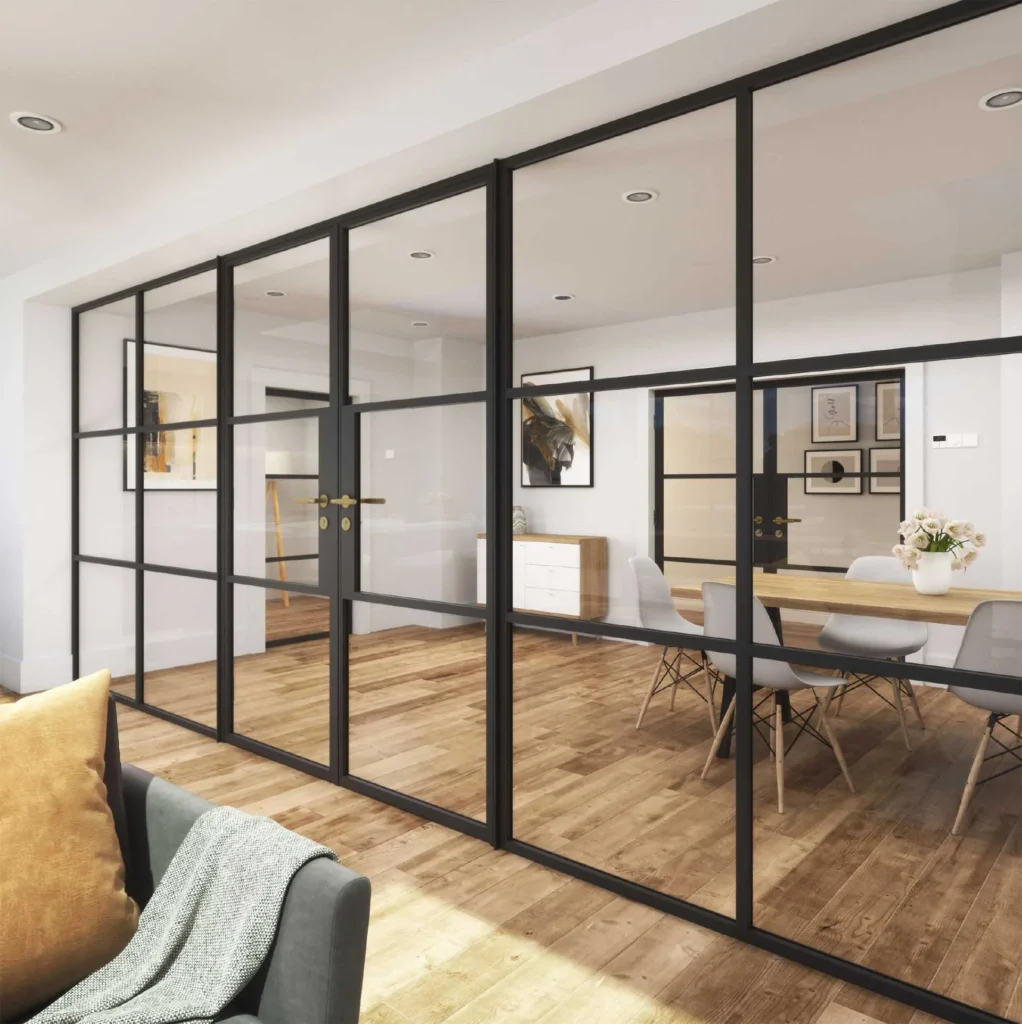
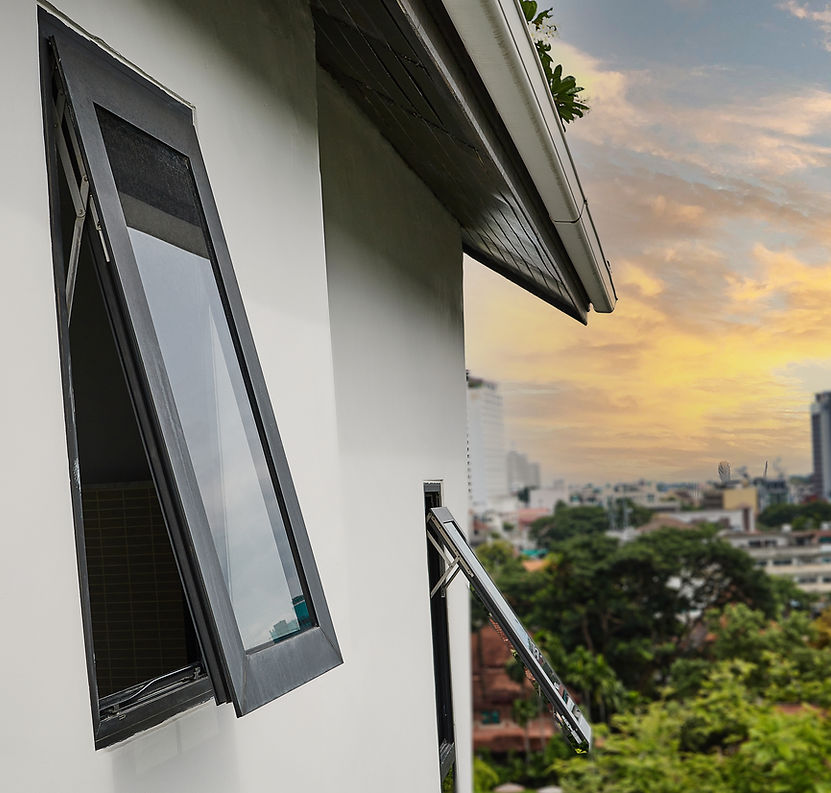
A cold spot beside a window can make an otherwise well-designed extension feel disappointing. When weighing up double glazing vs triple glazing, the best choice is not simply the option with the most panes. It is the glazing system that suits your home’s orientation, insulation levels, room use, budget and the frame profile chosen around the glass.
For a new build, major renovation or high-spec extension, glazing is a long-term decision. It affects how warm the room feels in January, how much outside noise reaches it, how much daylight enters and how heavy the finished windows or doors become. Getting the specification right before ordering helps avoid paying for performance you may not need, or compromising where it matters most.
Double glazing vs triple glazing: the core difference
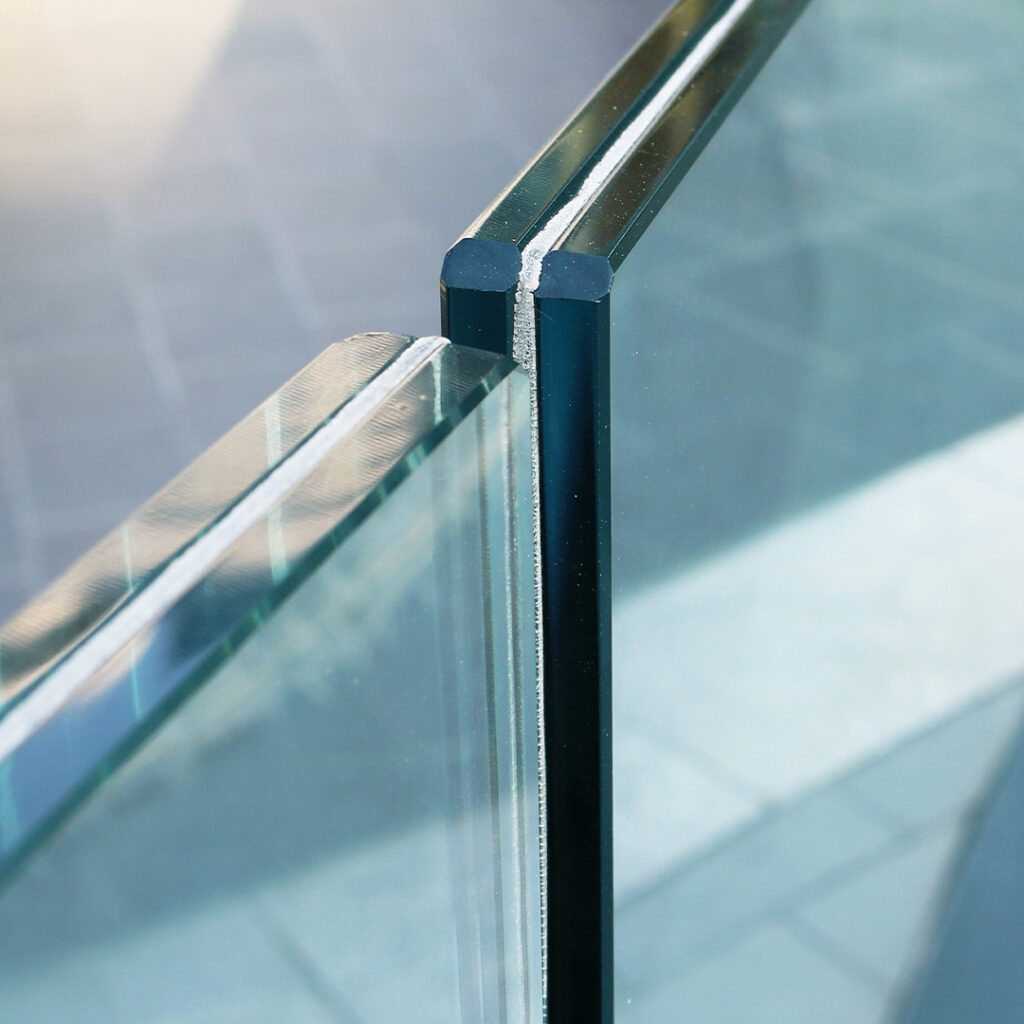
Double-glazed units use two panes of glass separated by a sealed cavity, usually filled with air or an insulating gas such as argon. Triple glazing adds a third pane and a second cavity. That extra layer creates another barrier to heat transfer, which can improve thermal performance.
The figure to compare is the U-value. In simple terms, a lower U-value means less heat passes through the window. However, always ask whether the figure relates to the glass alone or the complete window. A centre-pane glass value can look impressive, but the whole-window U-value also accounts for the frame, spacer bars and edge details. This is the more useful measure when comparing finished products.
High-quality double glazing can achieve excellent results in a well-insulated UK property, particularly when paired with thermally efficient aluminium or modern uPVC frames. Triple glazing can take performance further, but the difference is most valuable when the rest of the building fabric is designed to match it.
When triple glazing earns its place
Triple glazing is often a strong fit for rooms where comfort is the priority. A north-facing living space, a bedroom exposed to winter winds, or a garden room used every day can benefit from the warmer internal glass surface it provides. This reduces the sensation of cold radiating from the window and can make seating close to glazing much more comfortable.
It is also worth considering for homes aiming for very low running costs, new builds with high insulation standards, and projects where the client wants to exceed basic building regulation requirements. In these settings, triple glazing supports a joined-up thermal strategy rather than trying to solve one weak point on its own.
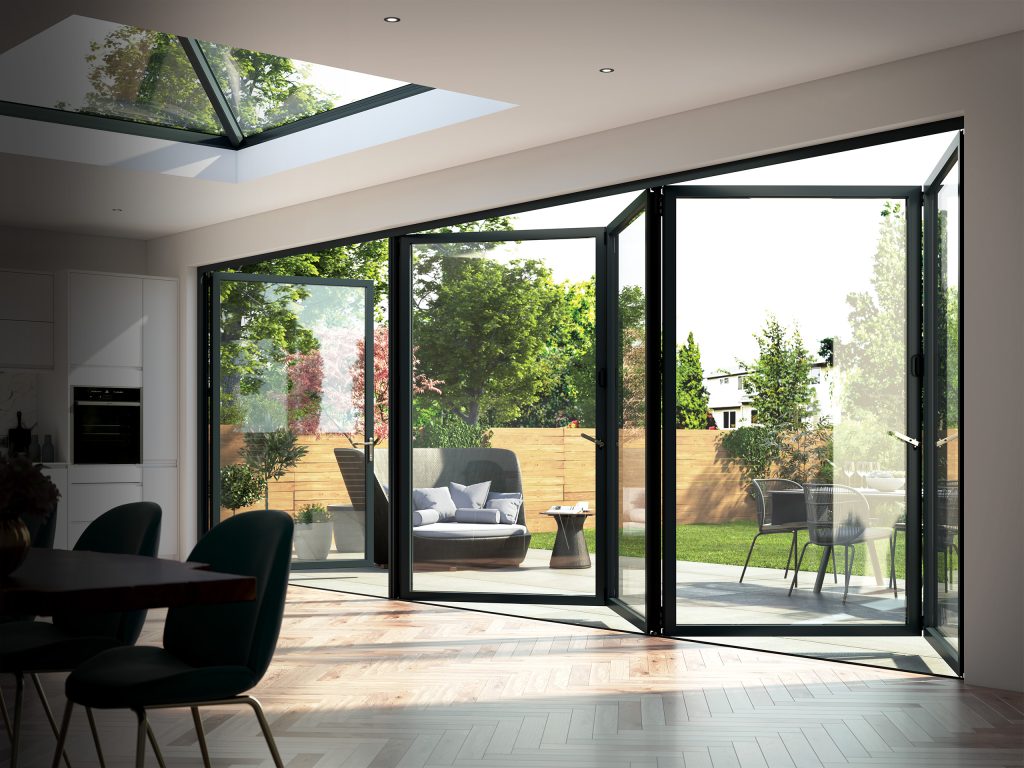
Large areas of glazing need more careful thought. Triple-glazed units are heavier, so the window, door and hardware system must be designed to carry that additional weight. On opening sashes, this can affect maximum panel sizes and handling. For bifold and sliding door projects, a well-specified double-glazed system may offer the ideal balance of slim sightlines, practical panel dimensions and strong thermal performance.
Triple glazing can improve acoustic performance, but it is not automatically the quietest option. Noise reduction depends on glass thickness, cavity widths, laminated glass and the type of sound outside. For traffic, rail noise or busy urban locations, an acoustic glass specification with panes of differing thicknesses can be more effective than simply adding a third pane. Specify for the noise you actually have rather than relying on pane count alone.
Why double glazing remains the practical choice for many homes
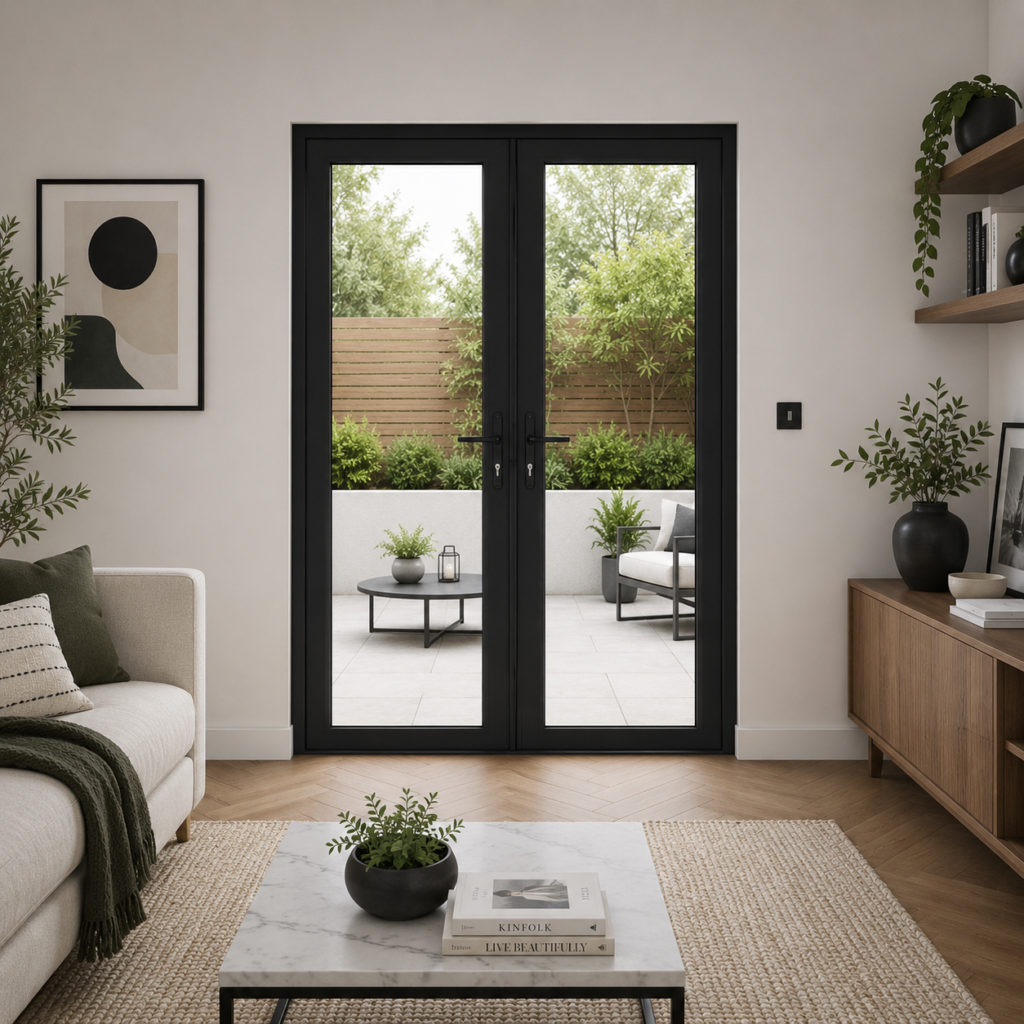
Modern double glazing is far from a compromise. It is lighter, generally more cost-effective and widely suited to replacement windows, patio doors and everyday renovation projects. With low-emissivity coatings, argon-filled cavities and warm-edge spacer bars, a premium double-glazed unit can make a noticeable difference to warmth and draught comfort compared with older units.
It is especially sensible where the property has other priorities for the budget. Improving roof insulation, addressing draughts, insulating a solid wall or upgrading an old heating control can sometimes deliver a bigger improvement to overall comfort than moving from good double glazing to triple glazing.
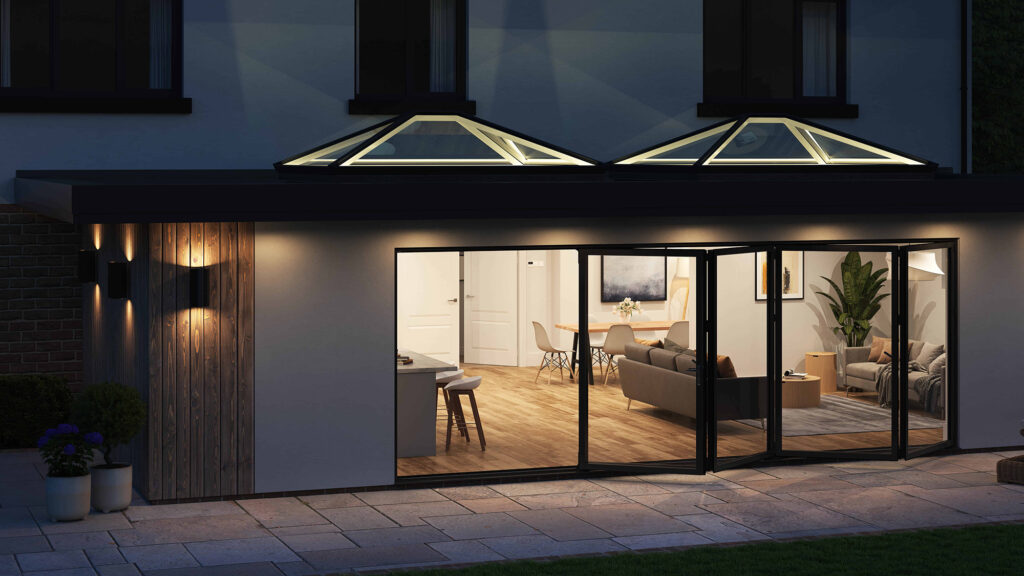
Double glazing also allows greater flexibility where a project calls for larger opening elements. This matters in extensions designed to open up to the garden, where wide sliding doors or multiple bifold panels are central to the design. The right system should still meet the required thermal standard without making operation heavier than it needs to be.
For many UK homeowners, the question is not whether double glazing is good enough. It is whether the additional investment in triple glazing will be felt in the particular room and justified over the life of the installation.
Heat loss, solar gain and the direction your windows face
Thermal performance should not be considered in isolation. South- and west-facing glazing can bring welcome solar gain in cooler months, but it may also create overheating in a sunny extension. Triple glazing reduces heat loss, yet it can also reduce the amount of solar energy passing through the glass depending on the coating and specification.
That is why an all-triple-glazed approach is not always the automatic answer. A north-facing elevation may benefit most from a lower U-value, while south-facing doors may require a considered balance of insulation, light transmission and solar control. Blinds, overhangs, roof design and ventilation all play a part.
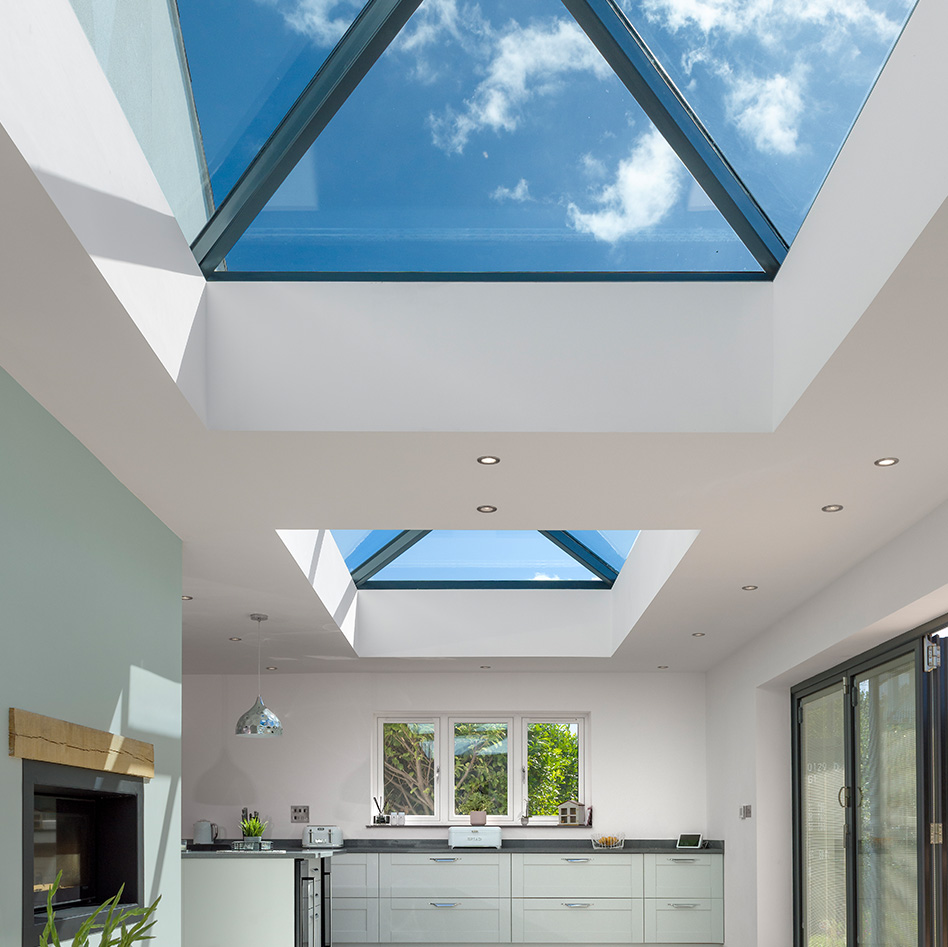
For rooflights and roof lanterns, solar control is particularly relevant because overhead glazing receives stronger sunlight. The best specification may be a double- or triple-glazed unit with solar-control glass selected for the room, rather than a standard glass build-up chosen solely on U-value.
Cost, value and realistic payback
Triple glazing usually costs more than equivalent double glazing because it uses additional glass, spacers and gas filling, and can require more substantial hardware or profiles. The exact uplift varies by product, size, finish and glass specification, so compare like for like rather than relying on a broad percentage.
The value is not limited to energy savings. A warmer room edge, less internal condensation risk and better comfort near windows can be worthwhile benefits, particularly in bedrooms, home offices and open-plan family spaces. Conversely, if the window area is modest and the home has larger heat-loss issues elsewhere, the financial payback may be slow.
For trade professionals, installation and programme requirements matter too. Triple-glazed units need careful handling due to their weight. Confirm access, lifting arrangements, opening sizes and the manufacturer’s panel limits early, especially on upper floors or tight sites. A specification that works on paper must also be practical to deliver and install safely.
Details that matter as much as the number of panes
Whether you choose double or triple glazing, the finished result depends on the full specification. The frame material and thermal break, glazing spacer, seals, installation method and surrounding insulation all influence performance. Poor fitting can create gaps and thermal bridges that undermine a high-performing glass unit.
Ask for clear product information before placing an order: whole-window U-values, glass make-up, safety-glass locations, acoustic options, maximum sash sizes and certification where required. If you are replacing existing windows, check the survey carefully. Triple glazing is not usually something that can simply be inserted into frames designed for double-glazed units.
Appearance also deserves attention. Triple-glazed units can be thicker, and some systems may have slightly different sightlines or external details. For heritage-style windows, period properties and slim-profile aluminium designs, confirm that the chosen glass build-up preserves the look you want.
Making the right specification choice
Start with the room, not the marketing label. Consider how often it is used, which direction it faces, how exposed the property is, the scale of the glazing and what insulation upgrades are planned elsewhere. Then compare complete systems on their stated performance, not just the number of panes.
Horizon Windows and Doors can help homeowners and trade customers match window and door systems with the right glass specification, whether the priority is maximum light, lower heat loss, acoustic control or large-format openings. A little care at the specification stage makes it far easier to enjoy the finished space every day.
Choose triple glazing where its extra thermal comfort supports the wider build, and choose quality double glazing where it provides the right performance, design freedom and value. The best window is the one that makes your home feel brighter, warmer and easier to live in long after the work is complete.