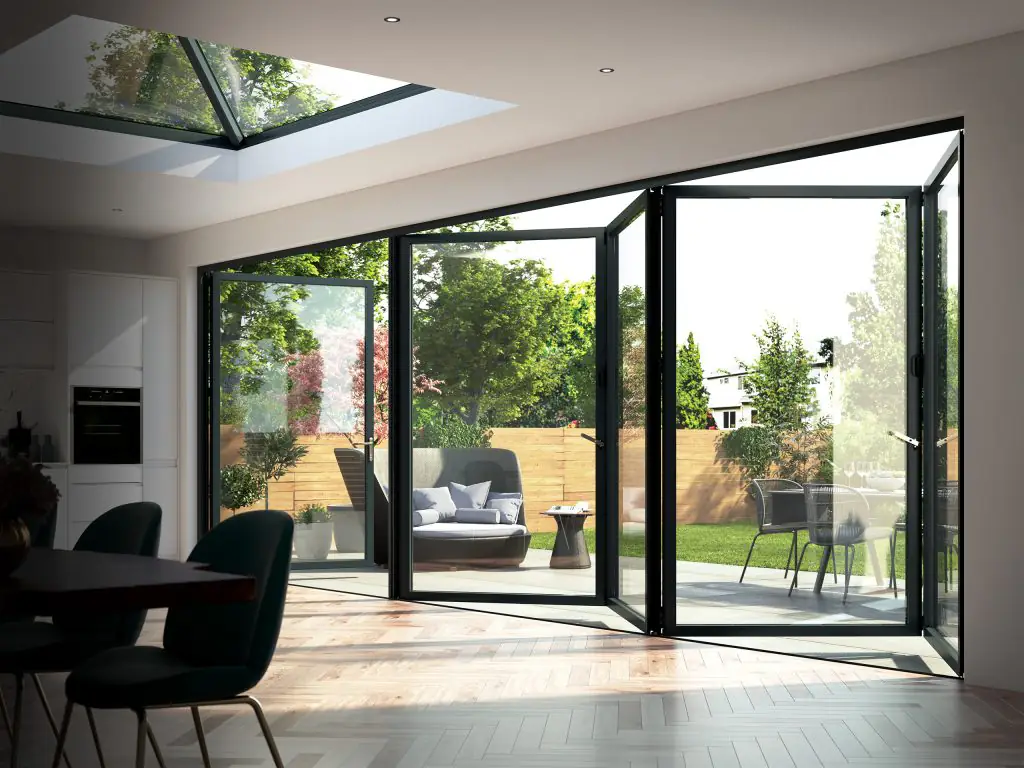

A standard bifold rarely feels quite right once you start measuring a real opening. The brickwork is slightly out, the ceiling detail matters, the garden level is awkward, or the sightlines need to match existing glazing. That is why bespoke bifold doors UK homeowners and trade professionals choose are usually about far more than picking a frame colour. They are about getting the opening, performance and finish right from the start.
For some projects, that means creating a cleaner connection to a new extension. For others, it means solving a specification problem on a renovation, garden room or replacement scheme. Either way, made-to-order bifold doors give you more control over how the space looks, feels and performs.
Why bespoke bifold doors make more sense
Off-the-shelf sizes can work in straightforward openings, but many UK projects are not straightforward. Older properties can be out of square, new builds may have specific design requirements, and trade jobs often need products tailored to drawings rather than adjusted around stock sizes.
A bespoke set allows you to choose the exact width and height, the number of door leaves, the opening configuration and the details that affect daily use. That matters if you want the traffic door on a particular side, need the stack to sit away from a feature wall, or want better access to a patio without an awkward step.
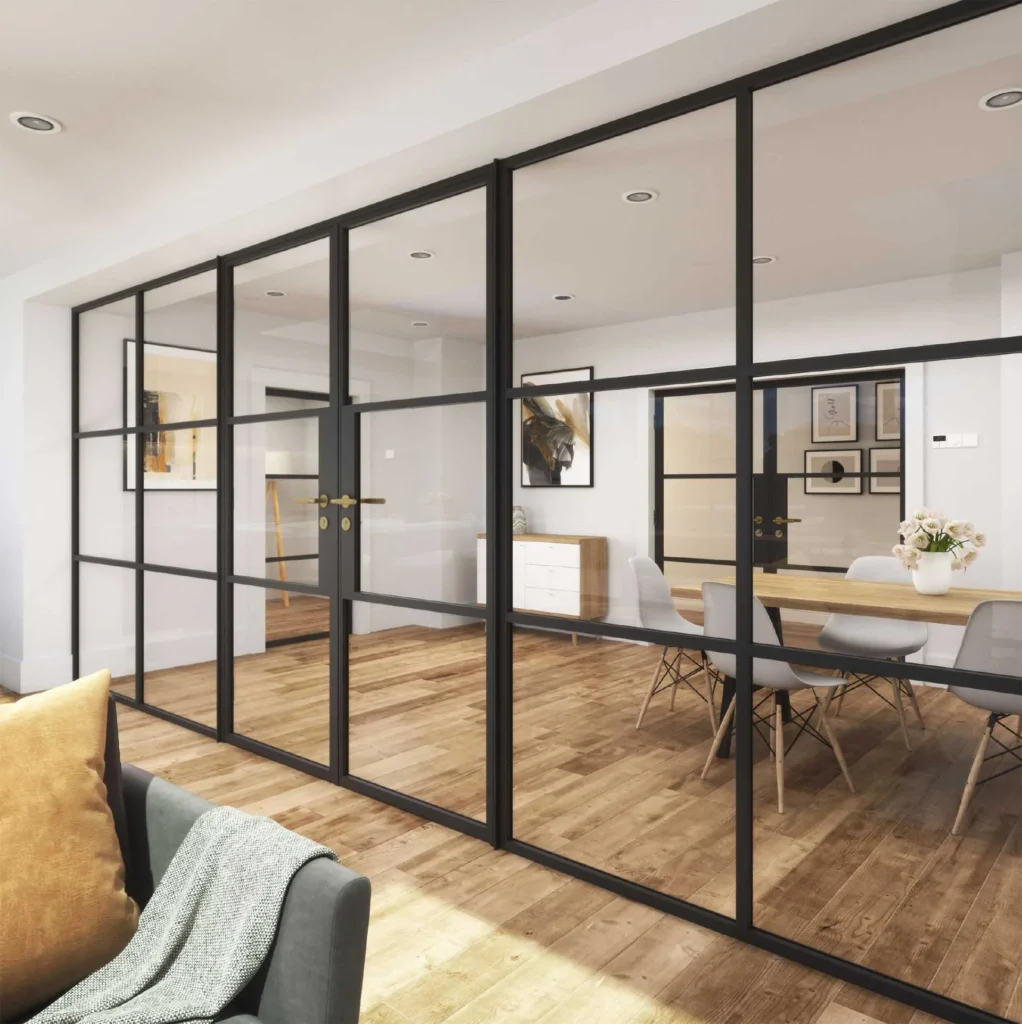
There is also the visual side. Slimmer frames, cleaner thresholds, coordinated hardware and the right powder-coated finish can make bifold doors feel properly integrated with the rest of the property, not simply added on at the end. If you are investing in an extension or refurbishment, that difference shows.
What to look for in bespoke bifold doors UK suppliers offer
The best specification is not always the most expensive one. It is the one that fits the opening, the property and the way the doors will be used.
Material choice affects more than appearance
Aluminium is the go-to option for most premium bifold systems because it offers strength, slim sightlines and long-term durability. It suits contemporary extensions particularly well, but it can work just as effectively on more traditional homes when paired with the right colour and glazing style.
uPVC bifold doors can be a cost-conscious route for some projects, though they tend to be less refined visually and may not offer the same frame slimness or broad design flexibility as aluminium. If the goal is to maximise glass area and achieve a sharper architectural finish, aluminium usually comes out ahead.
Configuration changes how the room works
The number of panels is not just a design choice. It affects sightlines, stacking, access and how much of the opening is usable day to day. A three-panel setup may suit a smaller extension well, while larger openings often call for four, five or more leaves.
The traffic door is another detail worth getting right. If you use the opening regularly to move between kitchen and garden, having a convenient everyday access door makes a real difference. It saves you from folding back the full set every time you want fresh air or need to step outside.
Thresholds need practical thought
A low threshold can improve accessibility and create a neater transition to the outside. It is a popular choice in modern extensions where the aim is to blur the line between inside and out.
That said, threshold choice depends on exposure and site conditions. In some locations, especially where weather can drive against the opening, you may need to balance aesthetics with weather performance. This is one of those decisions where a little technical guidance is worth having before you order.
Size, glazing and thermal performance
Bifold doors are often sold on the promise of light and space, which is fair enough. But large glazed openings also need to perform well in British weather.
Double glazing is standard on most quality systems and can deliver strong thermal performance when paired with a well-designed frame. In some cases, triple glazing may be worth considering, particularly where energy efficiency targets are tighter or the property sits in a more exposed spot. The trade-off is usually increased weight, higher cost and, depending on the system, slightly different frame requirements.
Glass specification matters too. Solar control glazing can help reduce overheating in south-facing rooms, while obscure or specialist glass may be useful if privacy is an issue. If your bifolds open onto a compact garden or neighbouring boundary, that can be just as relevant as thermal values.
For homeowners, this means comfort and running costs. For installers and builders, it means checking that the chosen system aligns with project requirements rather than treating all bifolds as broadly the same.
Design details that lift the finished result
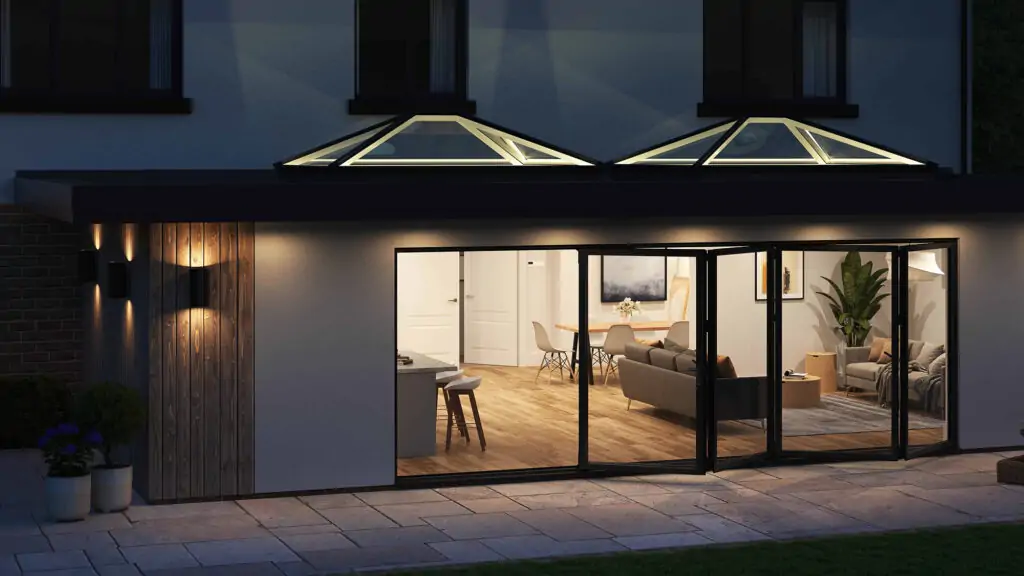
Bifold doors do a lot of visual work. When closed, they can dominate the rear elevation. When open, they change how the room feels and how people move through it. Small design choices have a bigger effect than many buyers expect.
Colour is a good example. Anthracite grey remains popular because it is versatile and suits a wide range of property styles, but black, white and dual-colour options can be equally effective depending on the scheme. A dual-colour finish can be especially useful if you want one look outside and a softer interior finish inside.
Hardware also deserves attention. Handles, hinges and running gear should feel solid and consistent with the rest of the product. A bifold door that looks premium but feels clumsy in operation quickly loses its appeal.
Sightlines matter as well. Slimmer frames generally create a more contemporary look and allow more glass, but the overall effect depends on the full system, not just one headline measurement. It is worth looking at how the door will appear closed as much as how wide it opens.
Buying for a home project versus a trade job
Homeowners usually start with the finished picture in mind. They want to open up the kitchen, brighten an extension or make better use of the garden. In that case, support through the specification process is often just as valuable as the product itself. Clear sizing options, sensible configuration choices and access to technical guidance can make the whole purchase far less stressful.
Trade buyers tend to focus on efficiency, documentation and reliability. Lead times, installation practicality, technical drawings and consistent product quality matter because they affect programme, labour and client satisfaction. Competitive pricing matters too, but not at the expense of a product that creates problems on site.
That is why a supplier that combines online configuration with proper UK-based support often makes more sense than a basic checkout-only model. The convenience is useful, but being able to sense-check a specification before ordering can save time, cost and hassle later.
Common mistakes to avoid
One of the most common issues is focusing only on width and forgetting the wider opening context. Lintel depth, floor finish buildup, external paving levels and plaster line all affect the final result.
Another is choosing a panel layout based purely on symmetry. A perfectly balanced configuration may look good on paper but work poorly in practice if the traffic door ends up in the wrong place or the stacked leaves interrupt furniture layouts.
It is also easy to underestimate delivery and installation considerations. Larger door sets need suitable access, careful handling and accurate preparation. For trade customers, that means coordinating site readiness. For homeowners, it means asking the right questions early rather than assuming every product arrives and fits in the same way.
Making the right choice for your project
The best bespoke bifold doors UK buyers choose are rarely selected on one feature alone. They are the result of balancing appearance, performance, budget and practicality.
If your priority is a premium finish with strong long-term value, aluminium is usually the strongest place to start. If thermal performance is high on the list, look closely at both the glazing specification and the frame system rather than relying on broad claims. If ease of use matters most, spend time on configuration, threshold design and hardware quality.
For many projects, the real value of bespoke design is confidence. You are not trying to force a standard product into a non-standard opening. You are specifying a door set that fits the property properly and supports the way the space will be used.
That is especially relevant whether you are upgrading a family home in Surrey, fitting out an extension in Manchester or managing multiple residential plots elsewhere in the UK. Different projects bring different pressures, but the principle is the same. Better specification leads to a better result.
Horizon Windows and Doors focuses on that balance – premium glazing made more accessible through tailored options, clear technical support and a buying process that feels straightforward rather than overwhelming.
If you are weighing up your options, start with the opening itself and work forward from there. The right bifold doors should not just fit the space on paper. They should make the room brighter, the layout smarter and the finished project feel complete.