
Replacing windows during a renovation is one of those decisions that looks simple until you start comparing frame materials, sightlines, glazing options and planning constraints. The best windows for renovations are not always the most expensive or the most minimal. They are the ones that suit the property, improve thermal performance, and give you the finish you actually want to live with for years.
That matters whether you are updating a tired 1990s house, restoring a period property, or finishing a new extension at the back of the home. Good window choices can brighten your home, reduce heat loss and improve kerb appeal in one move. Poor choices can do the opposite, especially if the style feels out of place or the specification is too basic for the project.
How to choose the best windows for renovations
The right starting point is not the brochure. It is the property itself. A full renovation usually brings together design goals, practical limitations and budget, and your windows need to sit in the middle of all three.
If the aim is a cleaner, more contemporary look, slim aluminium frames are often the obvious fit. If you are renovating a family home and want strong insulation with a lower upfront cost, modern uPVC can make more sense. If the house has heritage character, the best answer may be a window that preserves traditional proportions while still offering current performance standards.
This is where many renovation projects go wrong. Homeowners often focus only on appearance, while trade buyers may prioritise cost and lead time above everything else. In reality, the best result comes from balancing sightlines, thermal efficiency, maintenance, security, budget and planning requirements.
Material matters more than most people expect
Aluminium windows
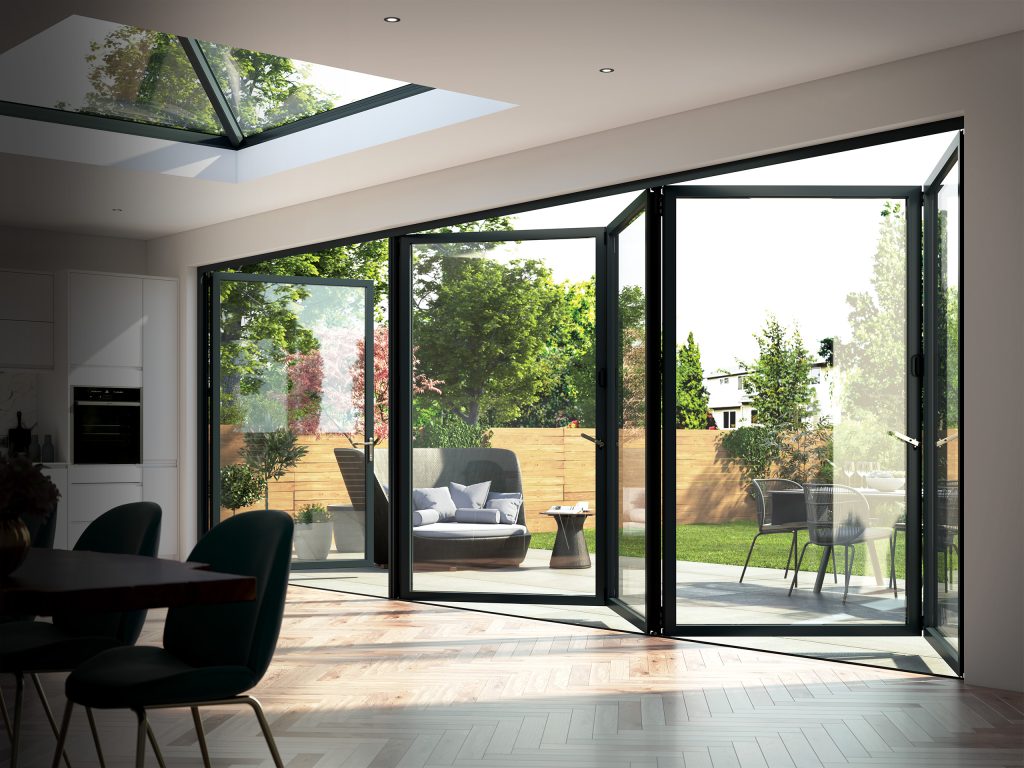
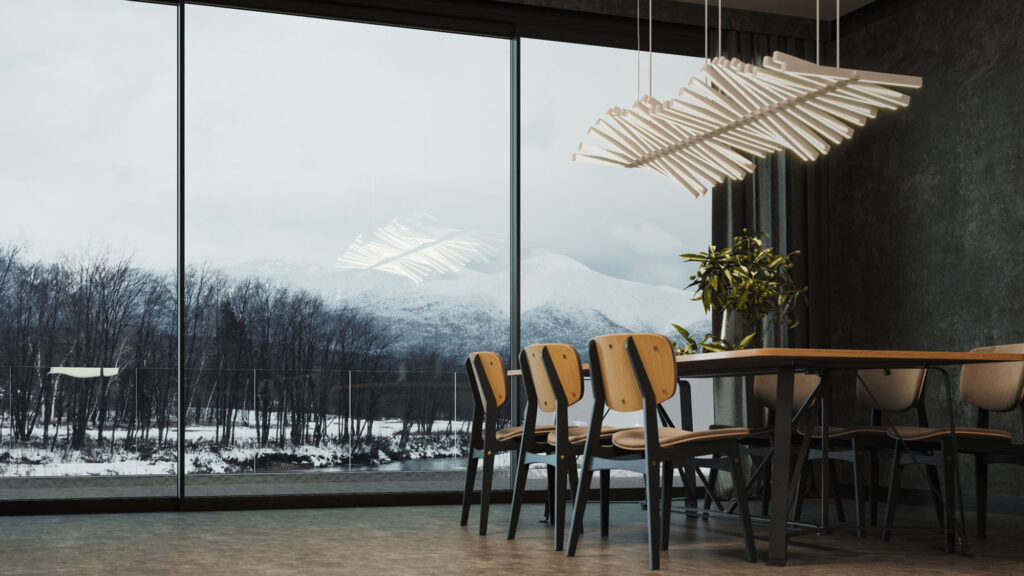
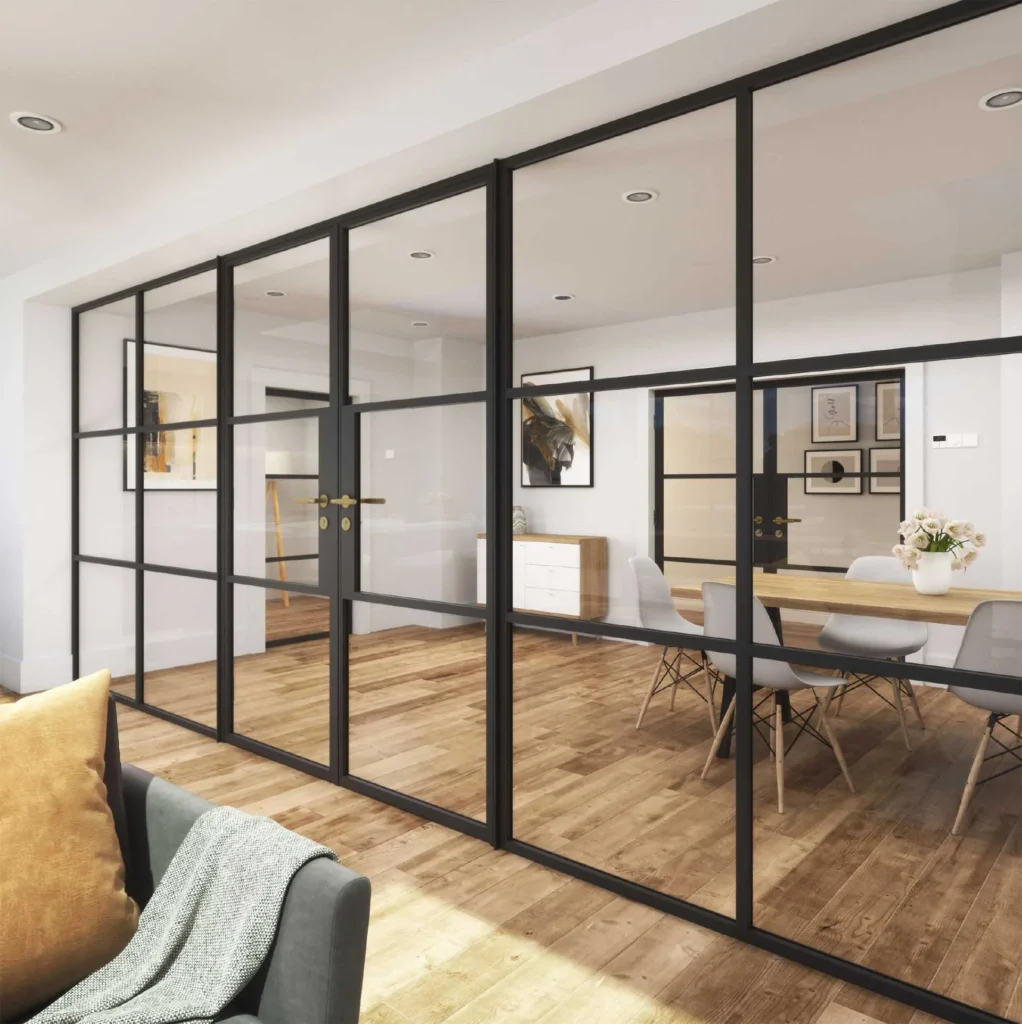
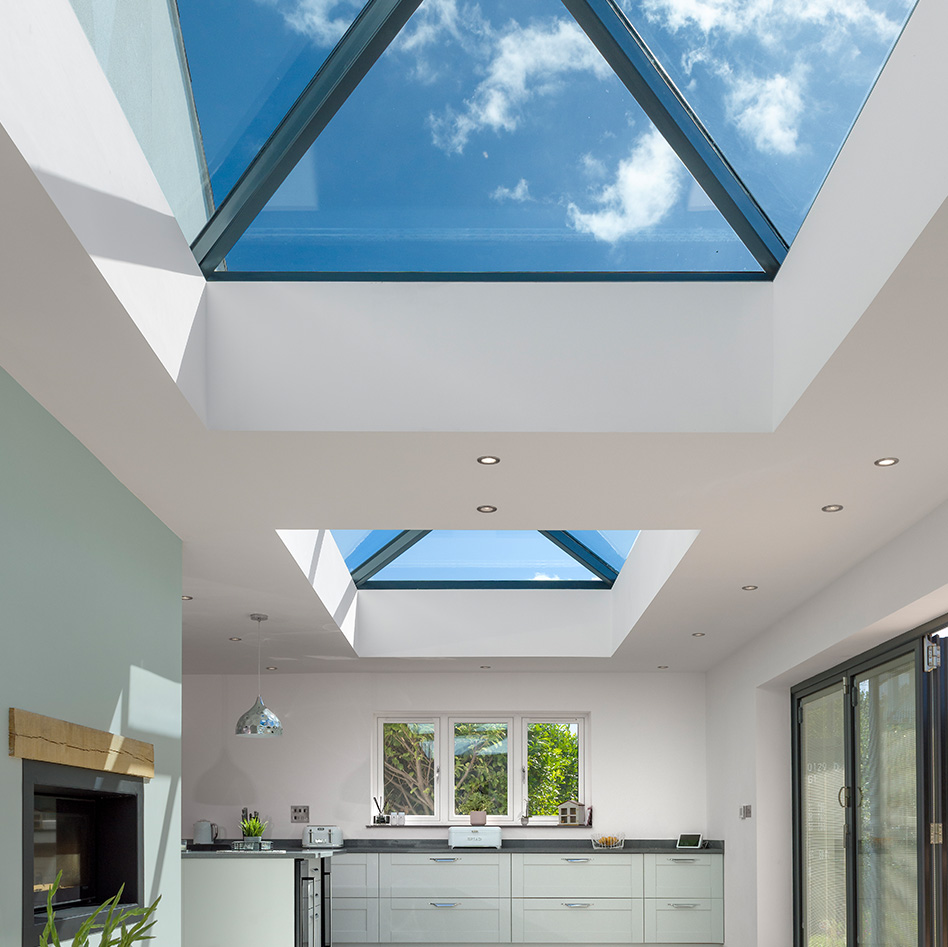
For many UK renovation projects, aluminium windows are among the best windows for renovations because they combine a premium finish with strong performance and slim frames. That slim profile allows for larger glazed areas, which helps maximise light and space. On rear extensions, garden rooms and open-plan remodels, that can make a noticeable difference.
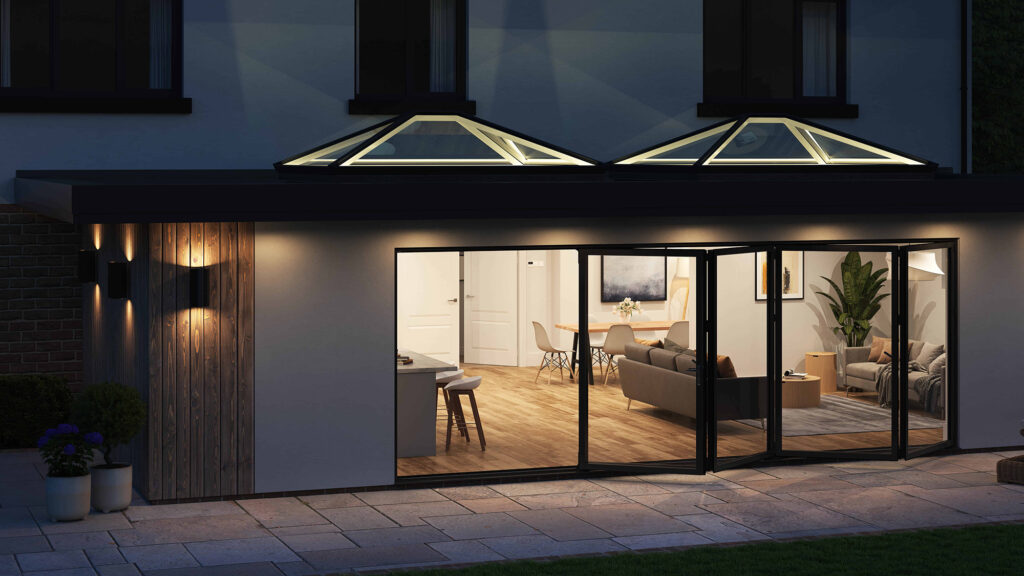
Aluminium also suits modern architecture particularly well. If you are pairing windows with bifold doors, sliding doors or rooflights, matching aluminium systems can create a more coherent finish across the whole project.
The trade-off is cost. Aluminium is usually more expensive than uPVC, and while it delivers a sharper architectural look, it may not always be the best value option for every room in the house. On some renovations, a mix of materials works well – aluminium where design impact matters most, and a more cost-effective option elsewhere.
uPVC windows
uPVC remains a very strong contender, especially for whole-house upgrades. It is affordable, thermally efficient and low maintenance, which is exactly why it continues to be popular with homeowners and installers alike.
Today’s better-quality uPVC windows are far removed from the bulky, dated frames people often picture. With improved profiles, cleaner detailing and a broader range of finishes, they can work well on both traditional and contemporary homes.
Where uPVC is especially effective is on renovation projects where budget control matters. If you are replacing every window in the property, the overall saving compared with aluminium can be significant. The main compromise is aesthetic. Even the best uPVC tends to have chunkier sightlines, so if your priority is the slimmest possible frame and a high-end architectural appearance, aluminium often wins.
Matching the window style to the property
A window can be technically impressive and still feel wrong on the house. Style should never be treated as an afterthought during a renovation.
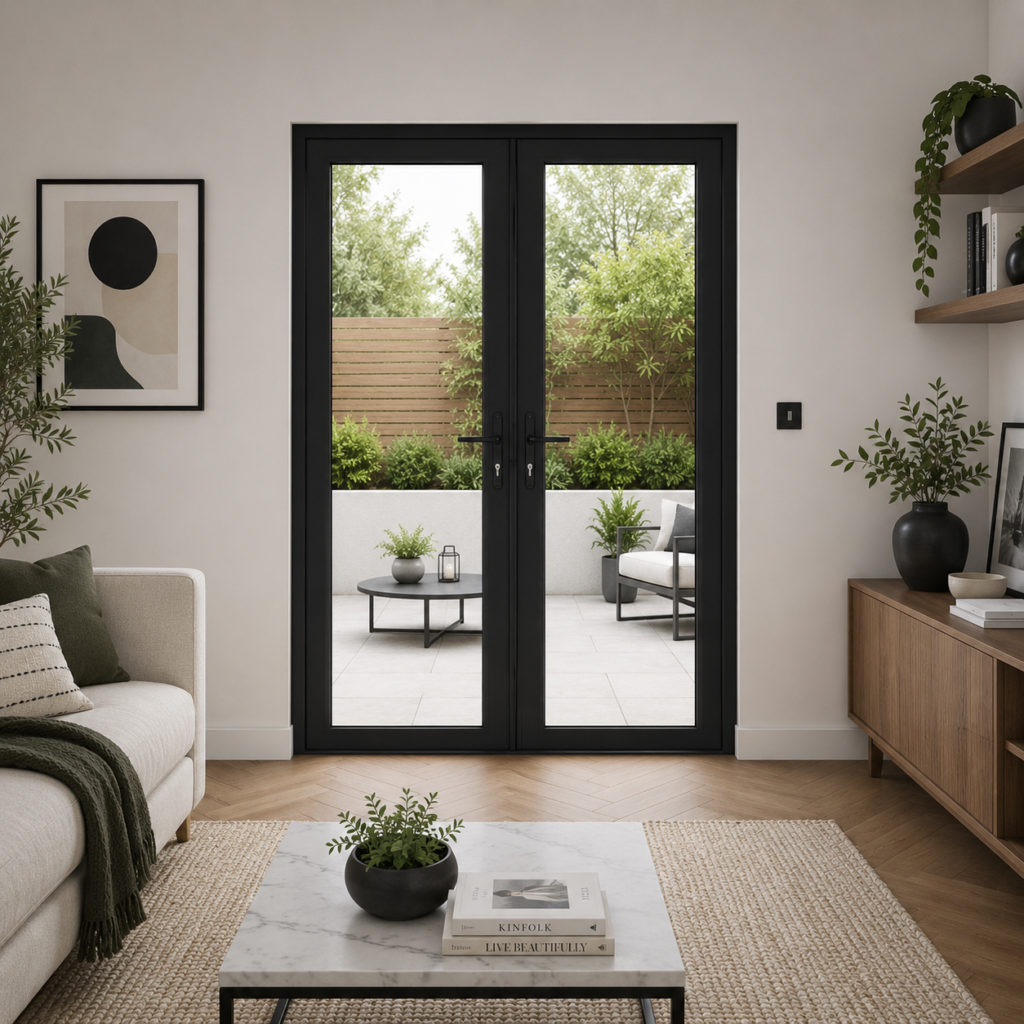
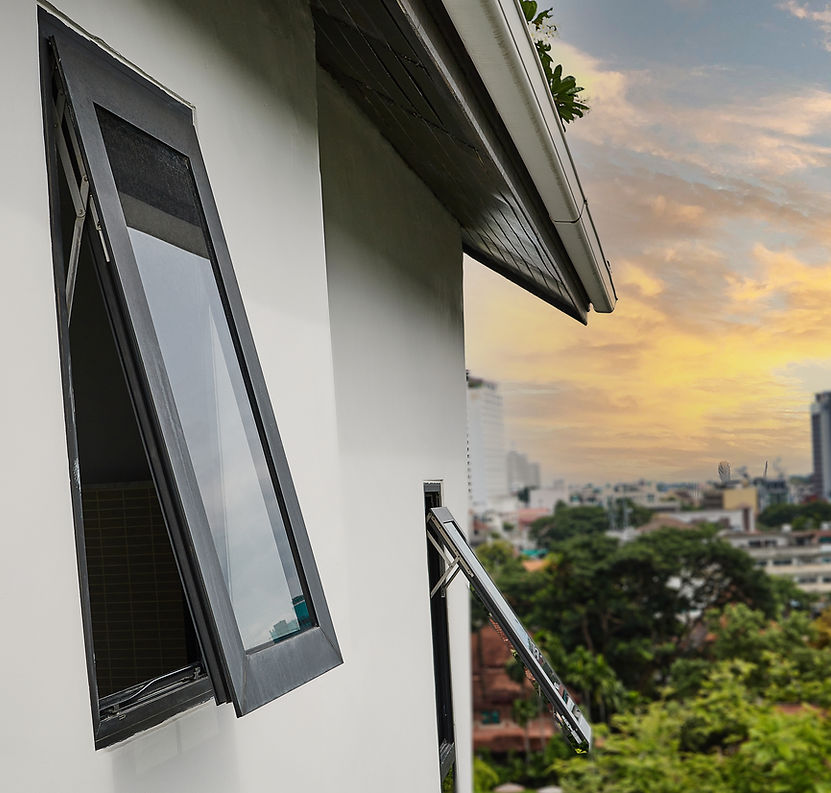
Casement windows are the most versatile option and suit a wide range of UK homes. They are practical, secure and available in both aluminium and uPVC, which makes them a reliable choice for everything from straightforward replacements to larger refurbishments.
Flush casement windows are often a better fit where a more refined, heritage-inspired appearance is needed. Their flatter profile gives a neater, more traditional look without forcing you into the maintenance demands of timber. For period-sensitive renovations, they can bridge the gap between classic design and modern performance.
If you are working on a listed building or in a conservation area, the decision becomes more complex. In those cases, the best windows for renovations may be those that most closely replicate original detailing while still meeting current expectations for insulation and security. Planning restrictions can shape the specification just as much as budget or taste.
Glazing performance should be part of the brief
During a renovation, it is easy to focus on frame colour and opening style first. But the glass itself has a major effect on comfort, energy use and even how the room feels through the seasons.
Double glazing is the standard choice for most projects and usually offers the right balance of efficiency and value. In many homes, upgrading old windows to modern double-glazed units delivers a clear improvement in warmth and noise reduction.
Triple glazing can be worth considering, but it is not automatically the best option. It tends to be heavier and more expensive, and the gains may be less noticeable in some parts of the property than others. For homes in exposed locations, busy urban settings or colder parts of the UK, it can make sense. For other renovations, a high-quality double-glazed specification may be the smarter investment.
Solar control glass, acoustic glass and privacy glazing can also be useful depending on the room. South-facing elevations that overheat in summer may benefit from solar control. Bedrooms or front-facing rooms near traffic may justify acoustic upgrades. This is where a renovation-led specification usually performs better than a one-size-fits-all order.
Renovation goals change what “best” really means
Not every project is trying to achieve the same thing, so the best windows for renovations will vary from one property to another.
If you are renovating to sell, value and broad appeal tend to matter most. Clean, energy-efficient windows in a style that suits the house will usually outperform over-specified products that push the budget too hard.
If you are renovating a long-term family home, comfort and daily usability become more important. Easy maintenance, secure locking, strong thermal performance and the right ventilation options can matter more than shaving a little off the initial spend.
For design-led projects, sightlines and coordination with doors and roof glazing often become the priority. In these cases, bespoke sizing, frame finish and product consistency across the scheme can have a bigger visual impact than people expect.
Trade professionals will often look at the same decision from another angle – reliability of supply, technical documentation, configuration flexibility and aftersales support. On a busy schedule, the right product is not just the right style. It is one that can be specified clearly, delivered reliably and installed without unnecessary complications.
Don’t ignore installation and measurements
Even the best product can disappoint if the survey, sizing or installation is poor. Renovation work often involves older openings, uneven reveals or non-standard dimensions, which means off-the-shelf assumptions can quickly cause delays.
That is why bespoke options are often worth considering. They give you more control over proportions, frame depth, glazing bars and opening configurations, which helps the finished result feel intentional rather than forced to fit.
It is also worth thinking ahead about trickle vents, cill details, handle finishes and how each window will function in the room. These smaller details influence the final experience more than most people expect.
So what are the best windows for renovations?
For contemporary extensions and high-spec home upgrades, aluminium windows are often the standout choice. They offer slim sightlines, a premium finish and strong compatibility with wider glazing products such as sliding doors and rooflights.
For cost-conscious whole-house refurbishments, modern uPVC windows remain one of the best all-round options. They provide excellent thermal efficiency, practical durability and accessible pricing, especially when multiple windows are being replaced at once.
For period-style homes, flush or heritage-inspired designs usually deliver the most convincing result. They respect the character of the property while bringing performance up to modern standards.
The strongest renovation outcomes usually come from asking a better question than simply which window is best. Ask which window is best for this house, this budget and this end result. That is when the specification becomes clearer, and the purchase feels far more confident.
If you are planning a renovation, take the time to compare materials, sightlines and glazing options properly before you commit. The right windows do more than fill an opening – they shape how the whole project looks, feels and performs once the dust has settled.