Choosing windows sounds simple until you start comparing frame profiles, sightlines, U-values, opening styles and powder-coated finishes. That is where a proper aluminium window buyers guide earns its place – not by making the decision feel bigger, but by helping you narrow it down with confidence.
For many UK homeowners and trade buyers, aluminium sits in the sweet spot between design, durability and performance. It offers slim frames, a clean modern finish and strong long-term value, but the right choice still depends on the project. A rear extension needs something different from a heritage renovation, and a one-off self-build has different priorities from a trade order with repeat specifications.
Why aluminium remains a strong choice
Aluminium windows have moved well beyond their old reputation as purely commercial products. Today’s systems are designed for residential use, with thermally broken frames, high-spec glazing and a wide choice of configurations that suit everything from contemporary new builds to upgraded period properties.
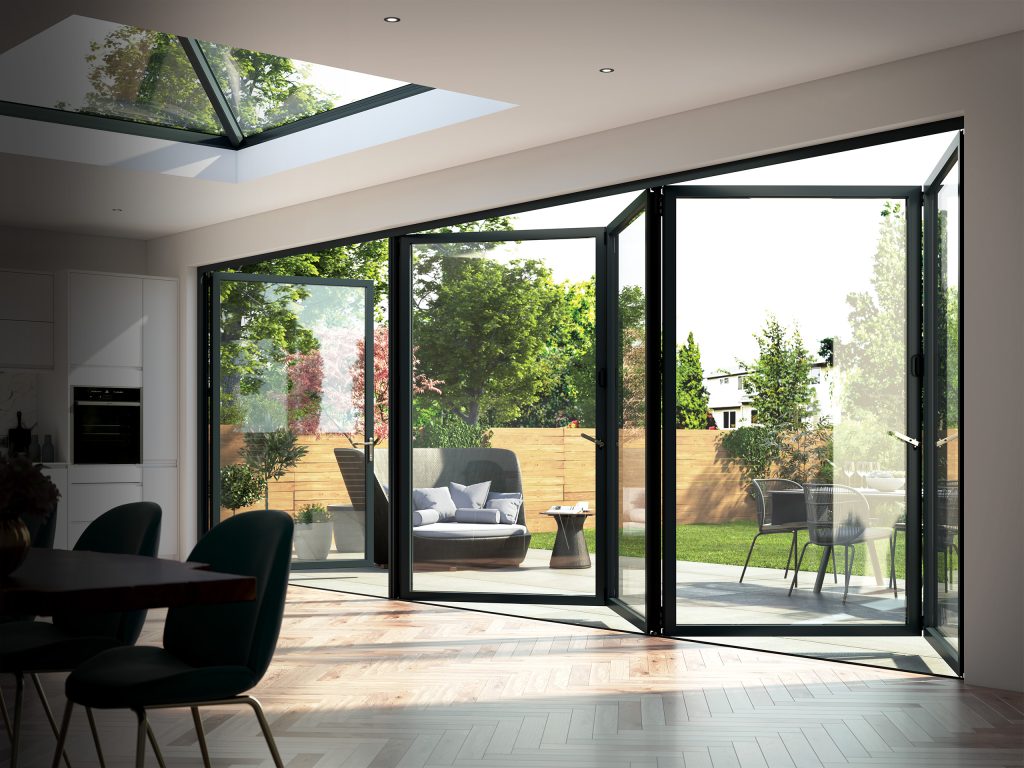
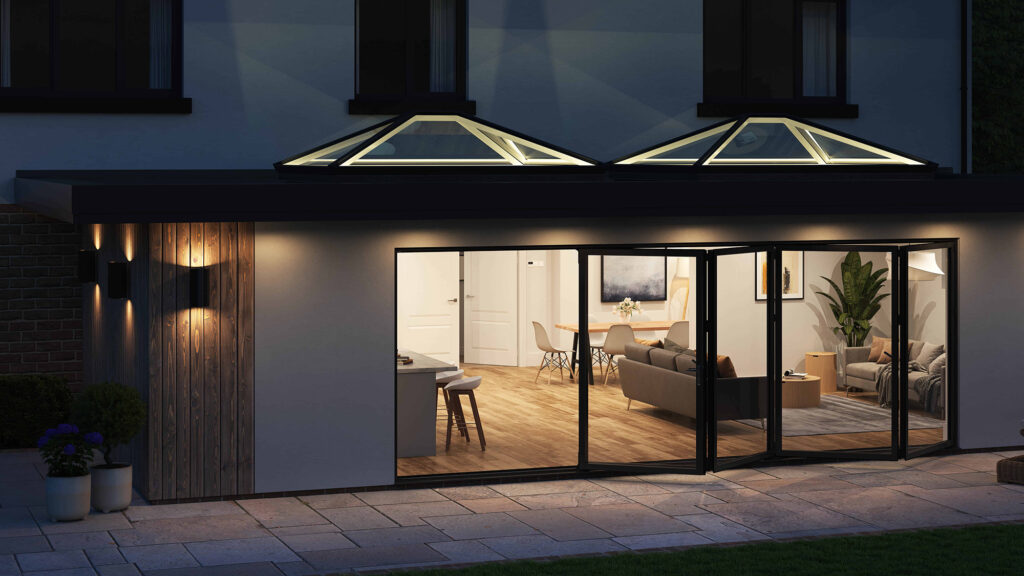
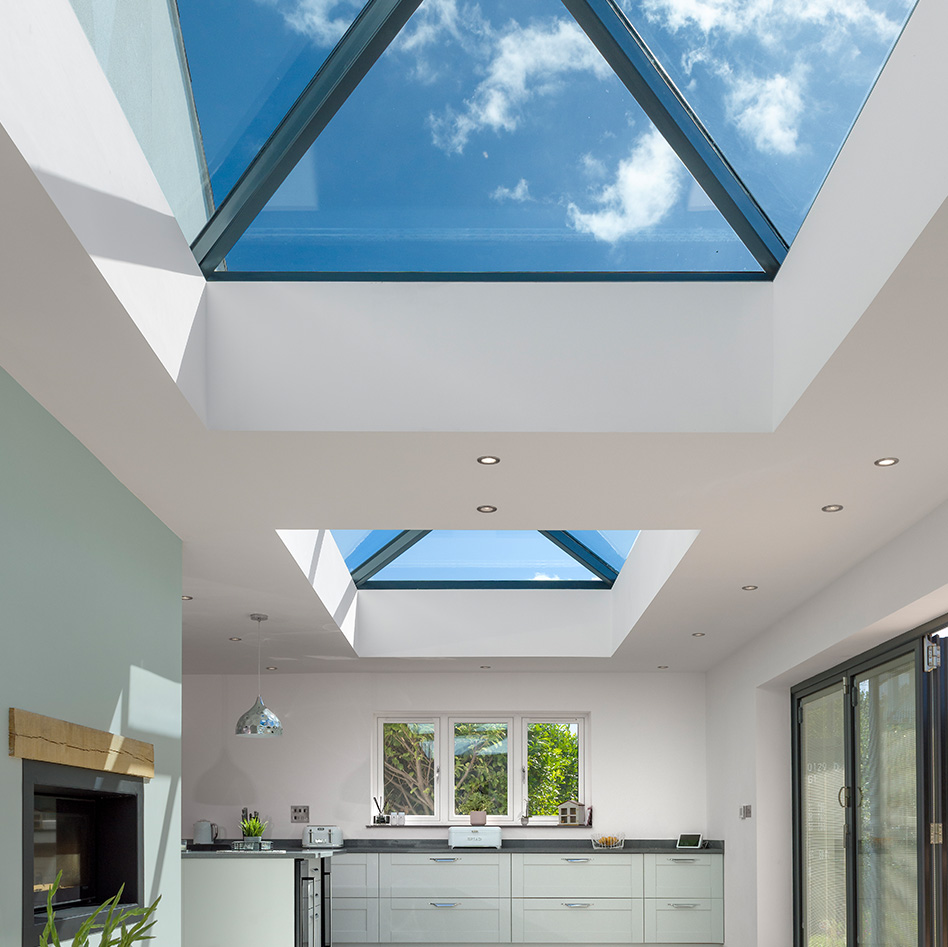
The biggest appeal is often visual. Aluminium can support larger panes with slimmer frames than many alternative materials, which helps maximise light and improve the overall look of the elevation. If your aim is to brighten your home, create cleaner lines or make an extension feel more open, that matters.
There is also a practical case for aluminium. It is strong, low maintenance and resistant to warping, swelling and rot. In the UK climate, that reliability counts. A well-specified aluminium window should keep its shape and finish for years with minimal upkeep beyond basic cleaning.
That said, aluminium is not automatically the right answer for every budget or every property style. It usually costs more than standard uPVC, and some traditional homes need careful product selection to avoid a finish that feels too stark or modern.
Aluminium window buyers guide: start with the property
Before comparing brands or prices, look at the building itself. The best specification starts with the age, style and purpose of the property.
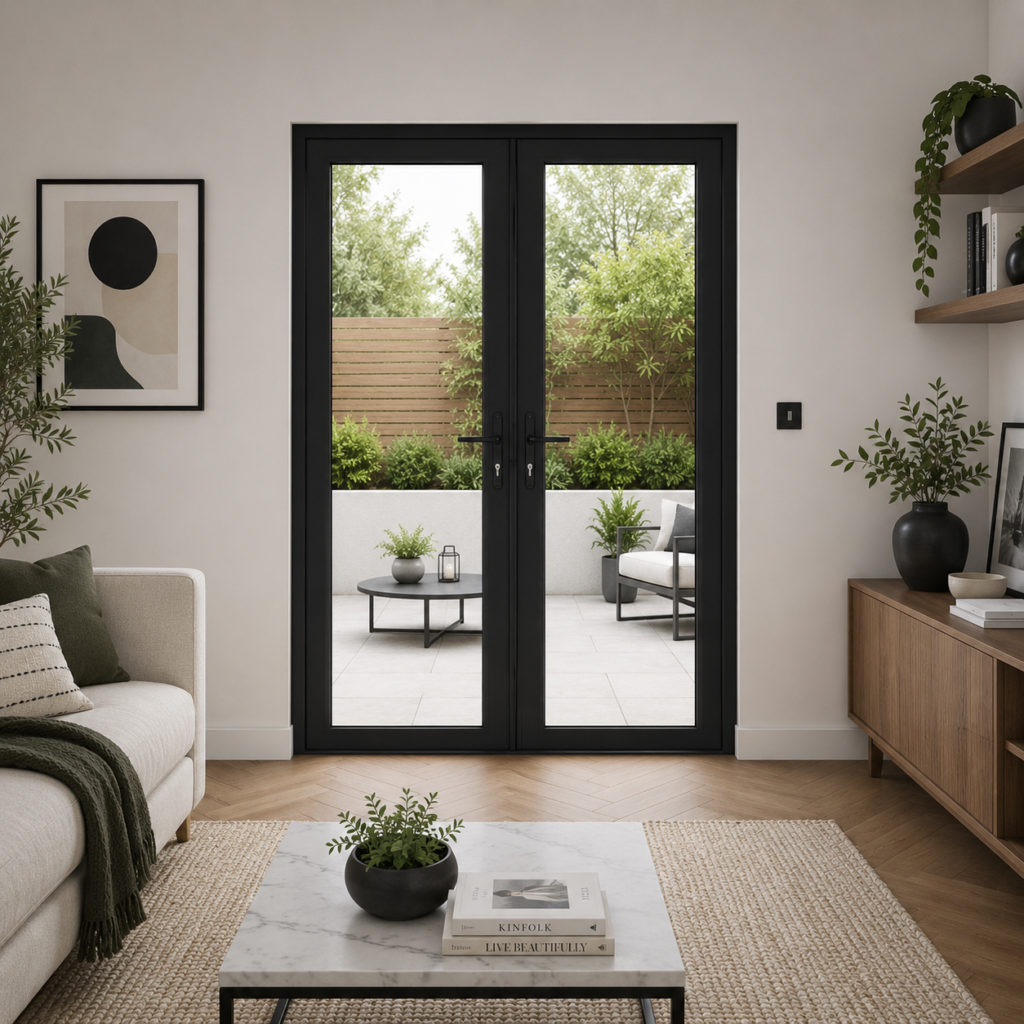
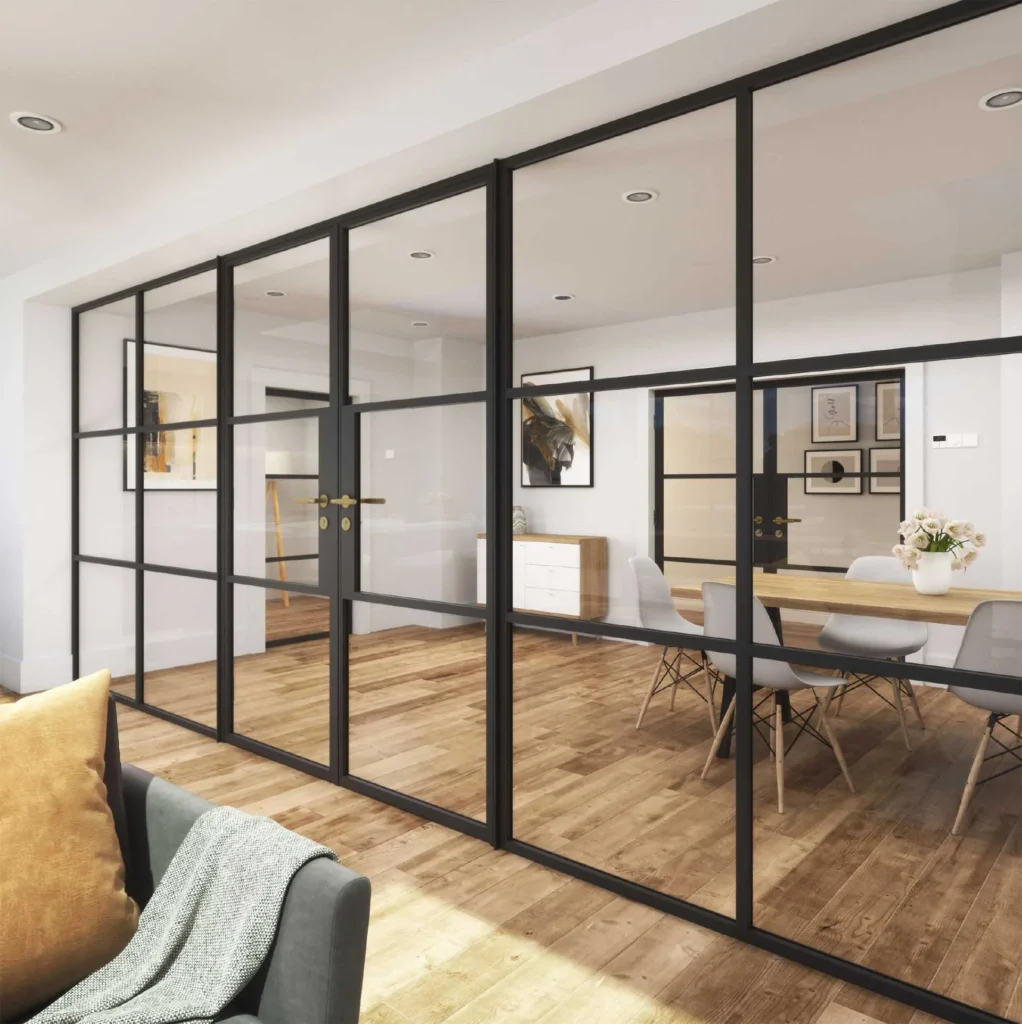
On a contemporary home or extension, slimline aluminium frames often feel like the natural fit. They support larger glazed areas and sharper architectural lines, which works well where open-plan living, garden views and natural light are key priorities.
On an older property, the answer is more nuanced. Aluminium can still work beautifully, especially where you want improved thermal performance without bulky frames, but the details matter more. Frame proportions, glazing bar layout, colour choice and handle style all influence whether the final result feels sympathetic or out of place.
For trade buyers, this is often where early conversations save time later. A product that looks excellent on one plot may not be the best option across a whole development if budget, lead time or installation consistency are the main drivers.
Choose the right window style for the job
Window style affects ventilation, cleaning access, external appearance and cost just as much as aesthetics.
Casement windows are the most common choice and suit a wide range of homes. They are versatile, straightforward and available in many configurations. If you want a reliable all-round option for most residential projects, this is usually the starting point.
Flush aluminium windows create a neater, more design-led appearance, with the opening sash sitting level with the outer frame. They are popular where cleaner lines are important and can also work well on properties that need a more refined look.
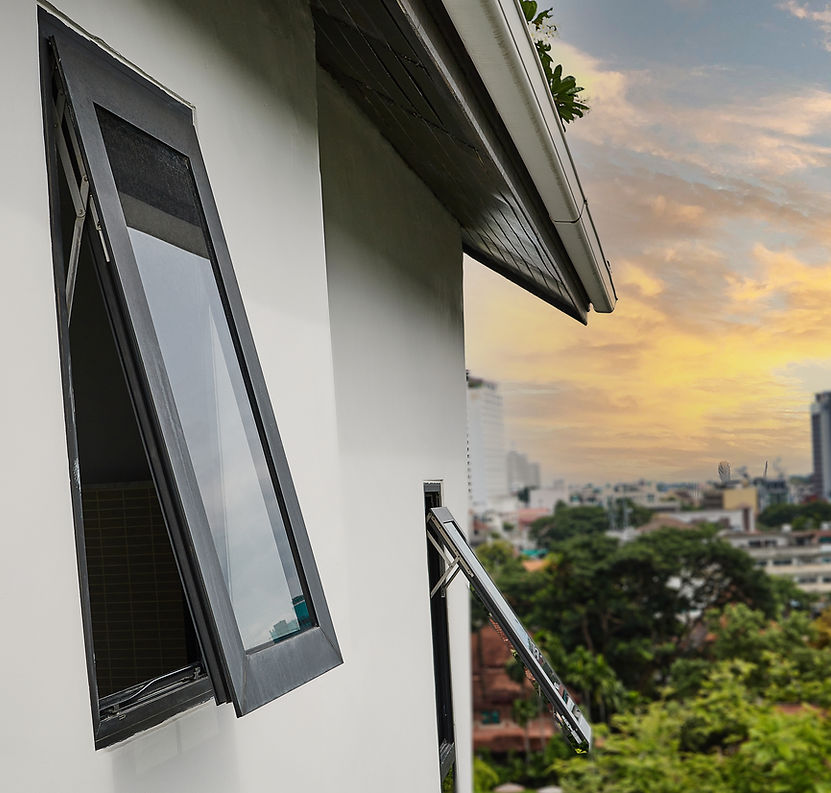
Tilt and turn windows are often chosen for upper floors, flats and contemporary developments. They offer practical ventilation and easier cleaning from inside, which can be a major benefit in the right setting. The trade-off is that the aesthetic is less traditional, so they do not suit every project.
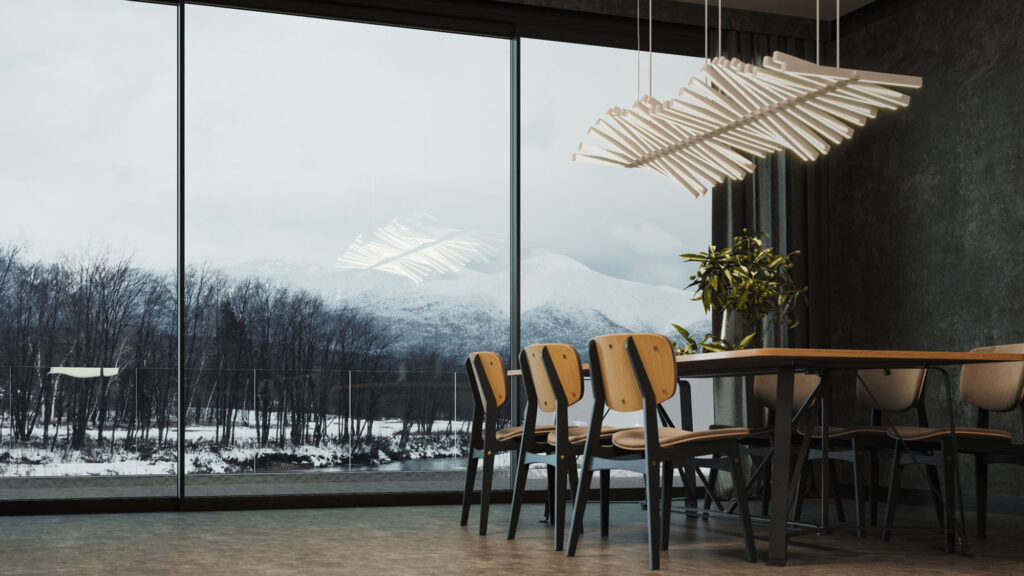
Fixed picture windows are ideal where the goal is to maximise light and frame a view. They do not provide ventilation, but they pair well with opening lights elsewhere in the room.
Performance matters more than brochure language
A good-looking frame is only part of the purchase. The real test is how the window performs once it is installed.
Thermal efficiency should be high on the list. Look at whole-window U-values rather than just centre-pane figures, because that gives a more realistic view of actual performance. Better insulation can help reduce heat loss, improve comfort and support compliance with current building requirements.
Glazing specification is equally important. Double glazing is standard for most homes, while triple glazing may suit some projects where energy performance or acoustic control is a major priority. Triple glazing is not always the automatic upgrade people assume. It can add weight and cost, and the benefits depend on the frame system and the property itself.
Sound reduction is worth considering if the property is near a main road, rail line or busy town centre. In those cases, the right glass specification can make a noticeable difference to day-to-day comfort.
Weather performance also deserves attention, especially in exposed areas. Good aluminium systems are designed to cope with wind and rain effectively, but that performance depends on the quality of the product and the installation.
Security should be built in, not bolted on later
Most buyers now expect strong security as standard, and rightly so. A quality aluminium window should combine a strong frame with reliable locking hardware and secure glazing details.
Look for systems that have been tested to recognised security standards where relevant. Multi-point locking, quality hinges and dependable hardware all contribute to the overall package. It is also worth checking whether security features vary by configuration, because not every opener performs identically.
For ground-floor windows and accessible openings, this becomes even more important. Trade professionals will often balance this with ease of installation and consistency across multiple units, while homeowners tend to focus on peace of mind. Both are valid, and the right product should deliver both.
Colour, finish and sightlines change the final result
One of aluminium’s biggest strengths is flexibility in appearance. Powder-coated finishes offer a durable, attractive surface in a wide range of colours, from anthracite grey and black to softer neutrals and bolder architectural tones.
This is not just a decorative choice. Colour changes how prominent the frames look from inside and outside, and it can shift the whole feel of a room. Darker shades often create contrast and a sharper contemporary edge. Lighter finishes can feel softer and more understated.
Sightlines matter too. Slim frames are a big reason many buyers choose aluminium, but not all systems are equally slim. If glazing area and minimal framing are a priority, compare actual profile dimensions rather than relying on general marketing terms.
Understand what affects cost
If you are budgeting from online prices alone, it is easy to compare the wrong things. Aluminium window costs vary according to size, style, glazing, colour, hardware, profile system and overall specification.
A standard white window with basic dimensions will naturally cost less than a bespoke design in a premium finish with upgraded glazing and matching ancillary items. That does not mean the higher price is poor value. In many cases, the extra cost reflects better thermal performance, stronger visual impact or a more tailored fit for the project.
Installation also needs to be considered alongside product cost. A cheap window that causes delays, fitting issues or remedial work rarely stays cheap for long. For trade buyers especially, reliability of supply and clarity of technical information can be just as valuable as headline pricing.
The details that buyers often miss
A few specification points regularly get overlooked until late in the process. Cills, trickle vents, glazing bars, handle finishes and opening restrictors all affect the final window package.
Trickle vents, for example, may be a requirement depending on the project, but buyers sometimes treat them as an afterthought. Their position and appearance can influence the overall look of the window, so it is better to factor them in early.
Lead times and delivery practicalities matter as well. If you are ordering for a renovation with tight sequencing, or for a site programme with multiple trades booked in, the supply plan needs to be realistic from the outset.
This is one area where a consultative supplier can add real value. Being able to configure products properly, review technical documents and sense-check choices before purchase reduces the risk of expensive mistakes.
Aluminium window buyers guide: questions worth asking before you order
The strongest buying decisions usually come from asking better questions, not just collecting more quotes. Is the priority maximum glass, lower maintenance, a heritage-friendly look, improved energy performance or a tight cost plan? Which compromises are acceptable, and which are not?
You should also ask how the windows will work with the rest of the project. They need to complement doors, roof glazing and the wider design scheme, not sit in isolation. A well-chosen aluminium window package creates consistency across the home and helps the finished space feel intentional.
For homeowners, that often means balancing aspiration with budget. For builders and installers, it usually means balancing specification with programme and repeatability. Neither approach is wrong. The right aluminium windows are the ones that suit the job, the property and the people using them.
If you take one thing from this aluminium window buyers guide, let it be this: buy on specification, not just appearance. A window should look good on day one, but it should also perform properly through winter, handle daily use with ease and still feel like the right decision years after installation.