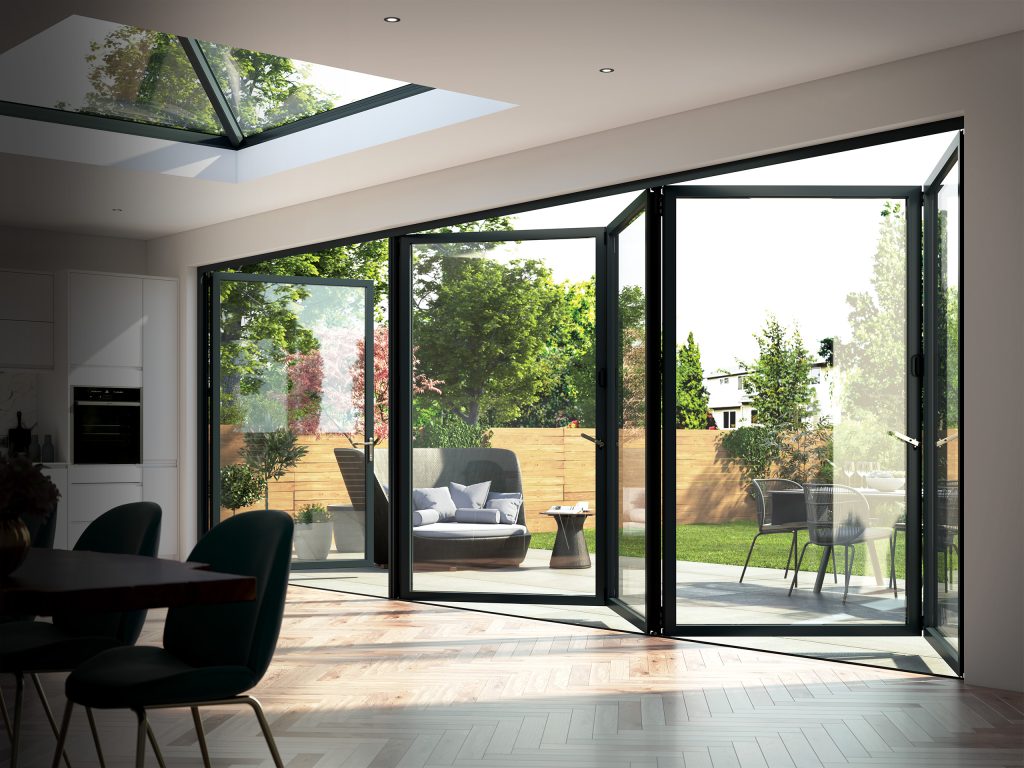
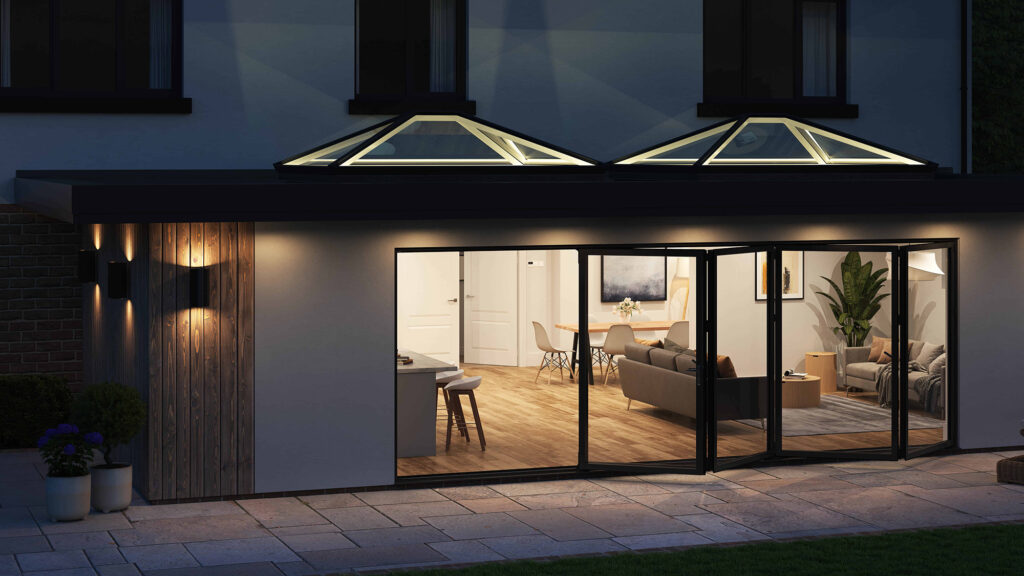
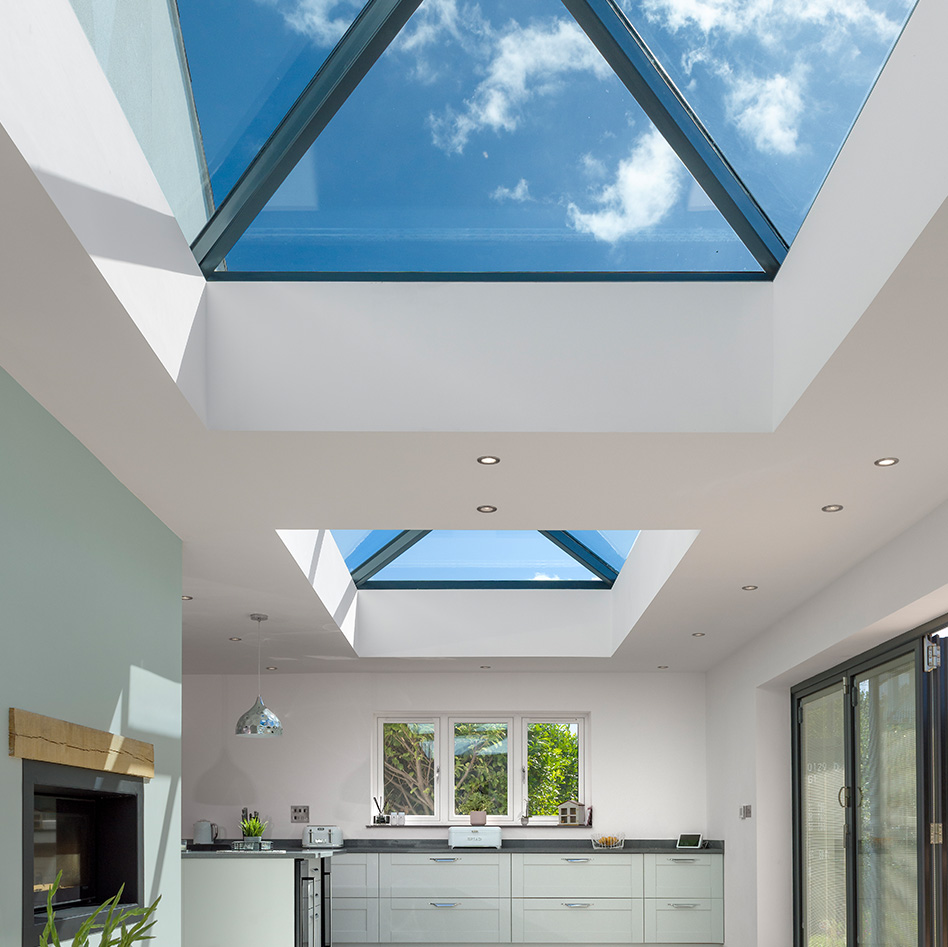
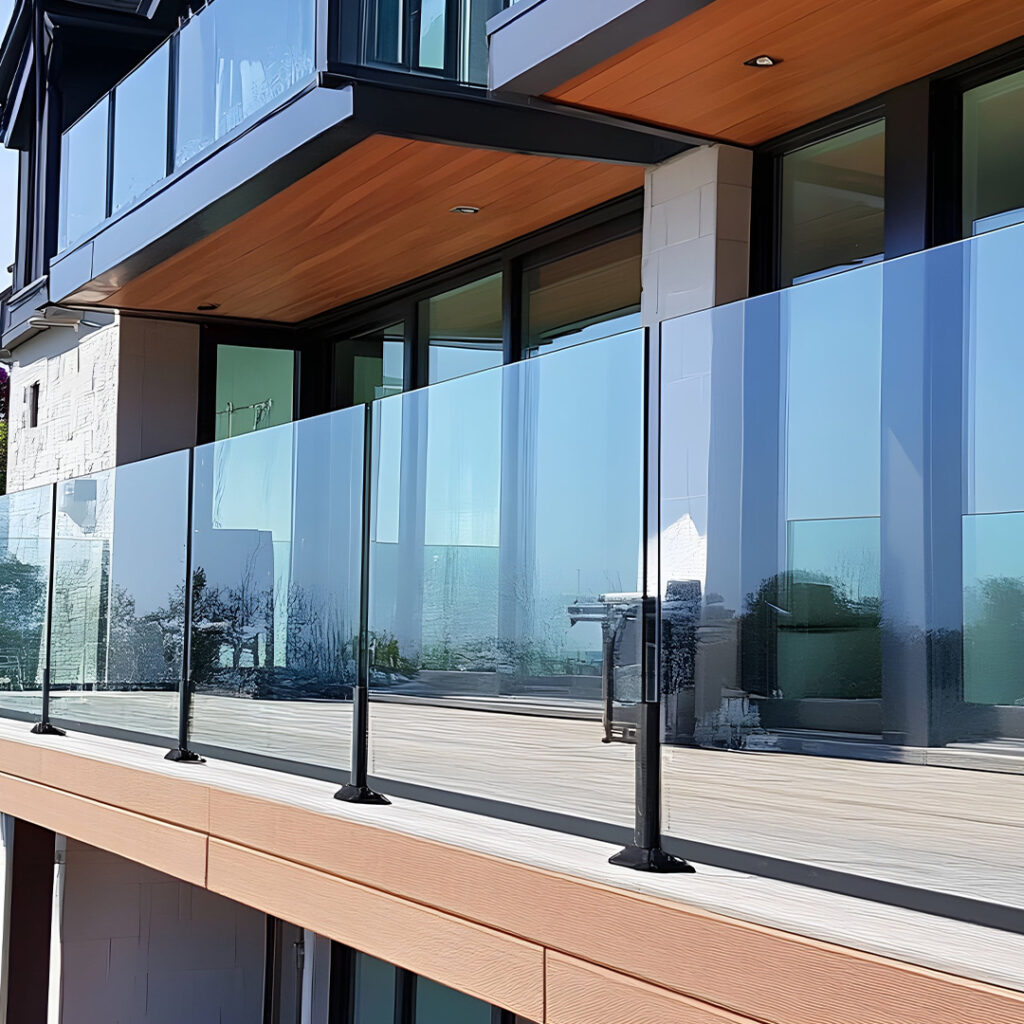
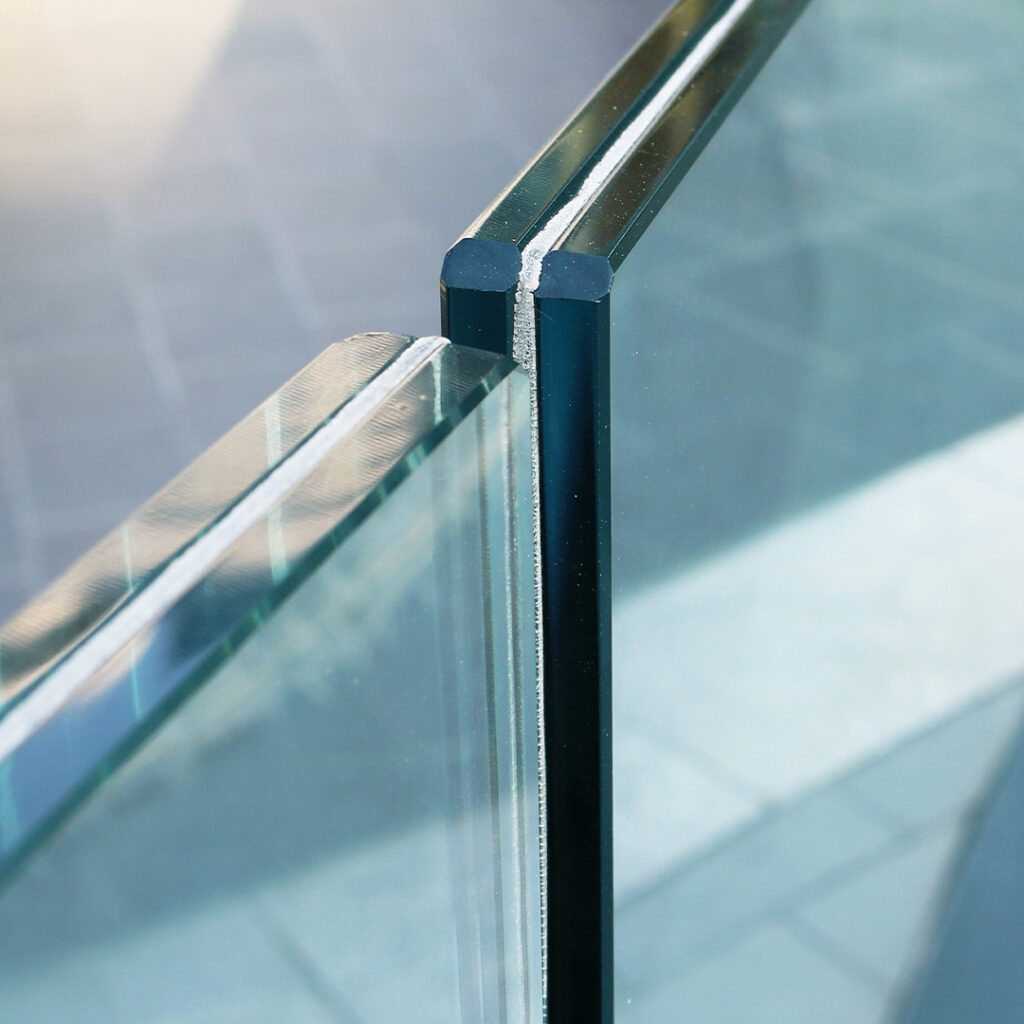
A slim frame can make a room feel bigger before you move a single wall. That is one reason aluminium windows are such a popular choice in renovations, extensions and new builds across the UK. If you are working out how to choose aluminium windows, the right answer is rarely just about appearance. It usually comes down to balancing sightlines, thermal performance, security, budget and how the windows need to function in everyday life.
Aluminium has earned its place in both modern and traditional projects because it gives you strength without bulky framing. You can maximise light and space, create a cleaner external finish and specify larger panes than you would typically expect from chunkier materials. But not all aluminium windows are equal, and the best option for one property can be the wrong fit for another.
How to choose aluminium windows for your property
The first question is not which brand or colour you want. It is what the windows need to do. A kitchen extension with large openings has different priorities from a front elevation on a period property, and a trade project with tight programme dates needs a different buying route from a homeowner planning a phased renovation.
Start with the room, the property style and the performance you expect. If the aim is to brighten your home and create a sharper, more contemporary look, slim-profile aluminium windows may be the priority. If you are replacing tired existing frames in a cooler part of the house, thermal efficiency and airtightness may matter more than ultra-minimal sightlines. For installers and builders, ease of fitting, consistency of supply and access to technical information can be just as important as the product itself.
Decide on the right window style first
Before comparing specifications, choose the opening style that suits the building. Casement windows are the most common and tend to offer a straightforward balance of ventilation, security and cost. They work well for most homes and are usually the easiest route when replacing existing windows.
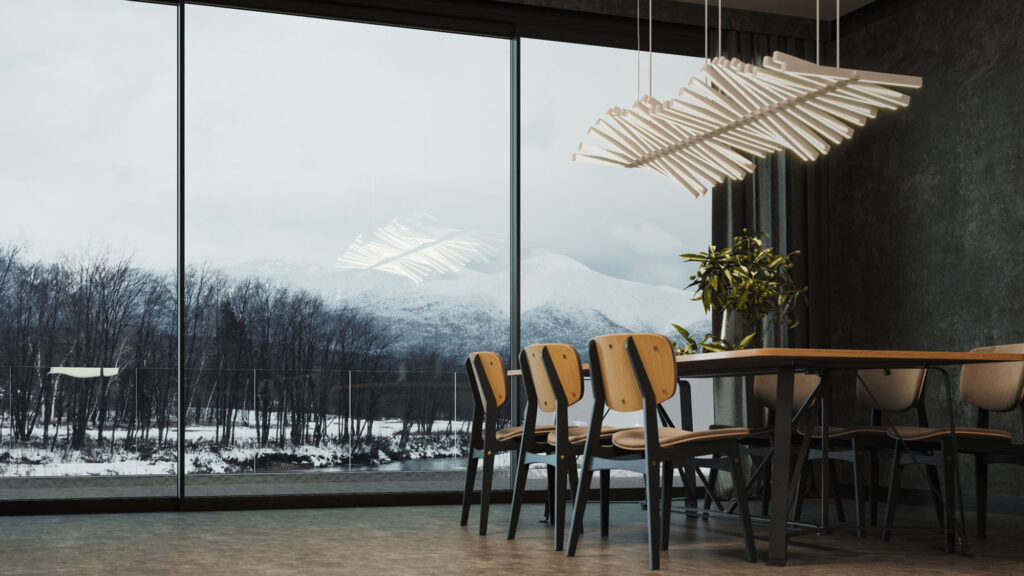
Fixed frame windows are ideal where the goal is uninterrupted glass and maximum daylight. They suit feature windows, stairwells and contemporary elevations, but they do not provide ventilation, so they need to be part of a wider glazing plan.
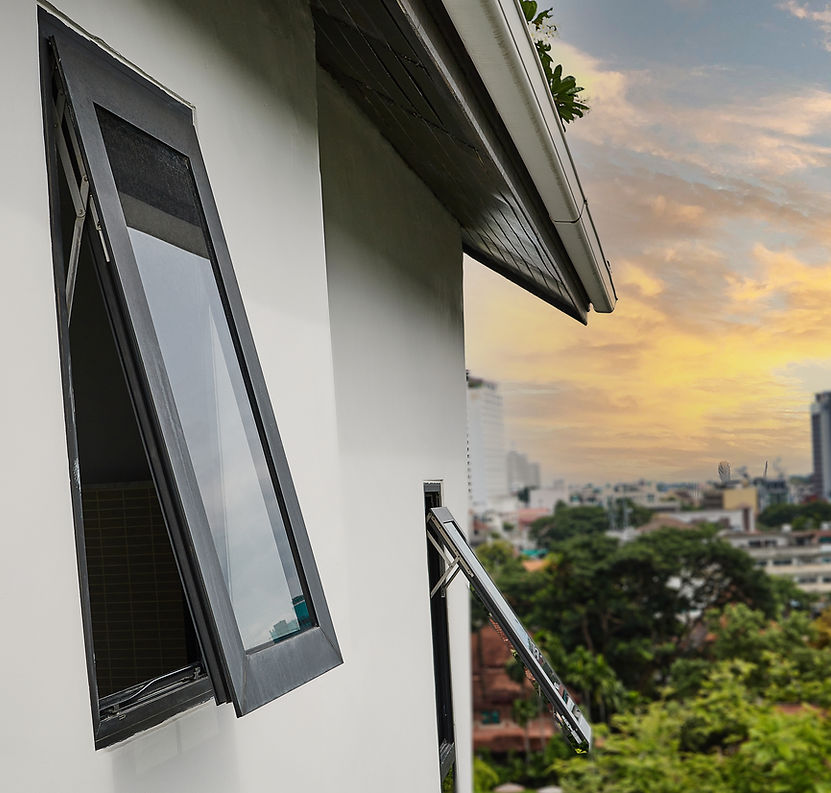
Tilt and turn windows are often used in modern homes and flat-style projects where easy cleaning and flexible ventilation are useful. They can be practical, especially on upper floors, though the look is usually more functional than heritage-led.
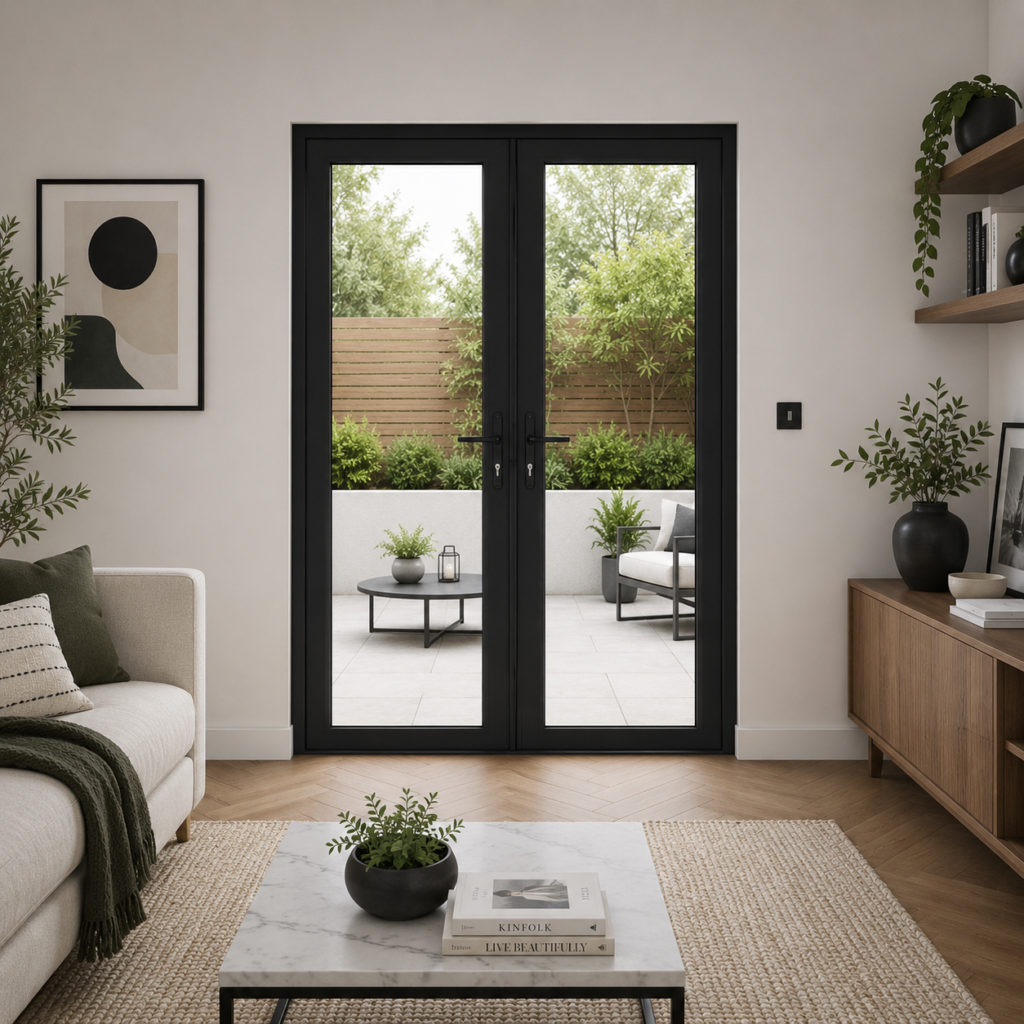
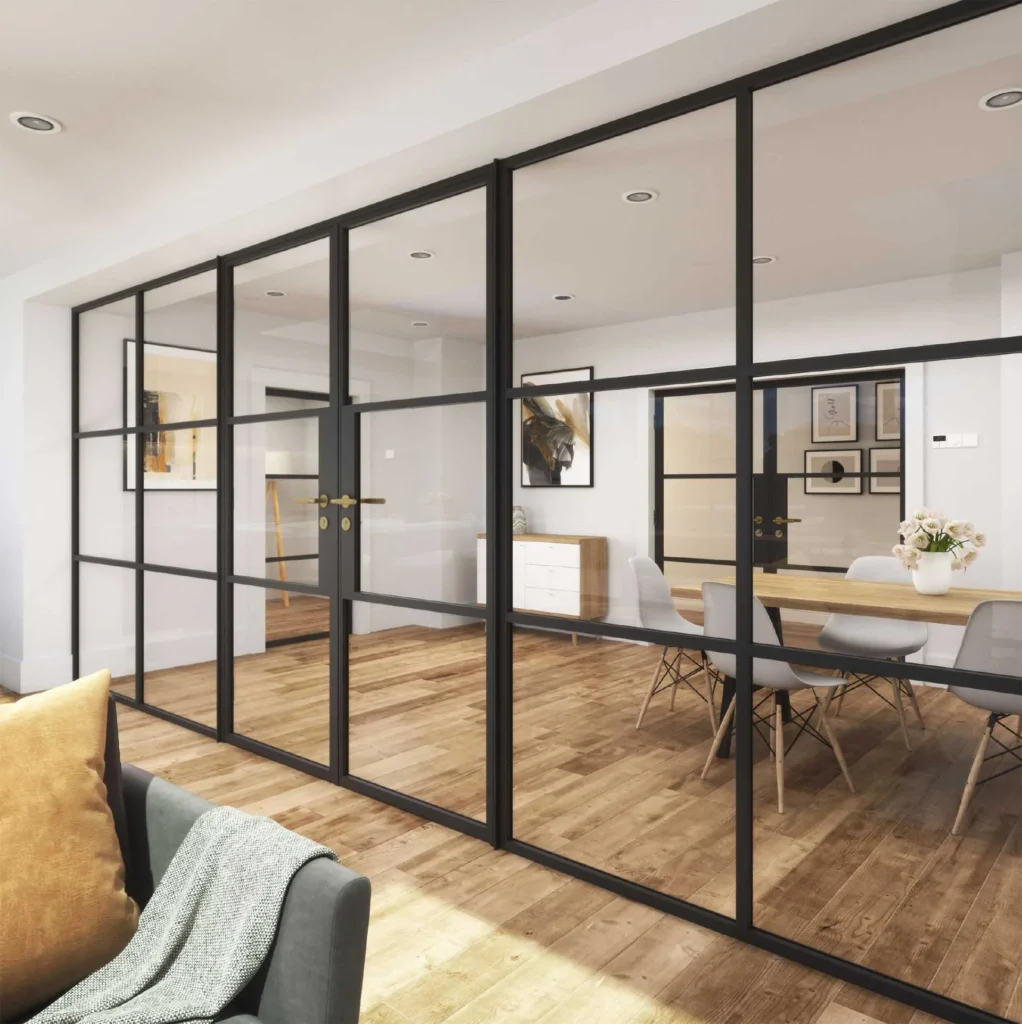
If you are matching a specific character, such as a steel-look design or a more traditional renovation, frame styling matters. Some aluminium systems are made to suit heritage schemes with glazing bars, stepped frames and period-appropriate detailing, while others are clearly built for crisp modern lines. The wrong style can make an expensive window look out of place.
Think carefully about sightlines
One of aluminium’s biggest selling points is slim framing. That does not automatically mean every system looks the same. Sightlines vary by product, and small differences can have a big impact when windows sit alongside sliding doors, bifolds or roof glazing.
If your project is design-led, ask to see the true frame dimensions rather than relying on general claims about slim profiles. A slightly more substantial frame may still be the better choice if it delivers stronger thermal values, better hardware or a more competitive price point. In other words, slimmer is attractive, but not if you compromise too much elsewhere.
Look beyond U-values
Thermal performance is one of the biggest factors in how to choose aluminium windows, but it helps to read the numbers properly. Many buyers focus on the headline U-value alone. That matters, but it is only part of the picture.
Check whether the stated figure relates to the whole window or just the centre pane. Whole-window values are far more useful. Also consider the glazing specification, spacer bars, gaskets and thermal break within the frame. A well-designed aluminium system can perform very effectively, but cheaper systems may offer less impressive insulation in real-world use.
This is where project type matters. For a garden room used all year, stronger thermal performance is likely worth paying for. For a utility area or secondary elevation, you may decide the premium for the very lowest U-value is harder to justify. It depends on budget, room use and the wider insulation standard of the property.
Glazing specification makes a real difference
The frame gets plenty of attention, but the glass does much of the heavy lifting. Double glazing is standard for most residential projects, though glazing options still vary significantly. Solar control glass can help in south-facing rooms that overheat, while acoustic glass can be a smart upgrade near busy roads or urban areas.
Obscure glazing may be needed for bathrooms or overlooked boundaries. Toughened or laminated glass may be required in critical locations for safety and compliance. If you simply choose the default glass package without thinking about orientation and room use, you can miss an easy performance upgrade.
Security should feel built in, not bolted on
A premium-looking window still needs to feel secure. Multi-point locking, high-quality handles and tested hardware all matter, particularly on ground floors and accessible elevations. Ask whether the window system is suited to recognised security standards and whether the locking setup comes as standard or as an upgrade.
Security is also about build quality. A well-manufactured frame, correctly glazed and professionally installed, will perform better over time than a budget product with a stronger-looking spec sheet. For trade buyers, this is often where call-backs are either avoided or created.
Choose a finish that works now and later
Aluminium windows are available in a broad range of powder-coated colours, including popular greys, blacks, whites and heritage shades. Dual-colour options can also be useful if you want one finish outside and a lighter tone inside.
Colour should suit the architecture, but also the lifespan of the project. Anthracite grey remains a safe choice because it works with brick, render and contemporary cladding, though it is not the right answer for every property. A softer neutral can sit more comfortably on traditional homes, while bold black frames create contrast but can feel harsher on smaller elevations.
Also think about finish consistency across the wider scheme. If your windows will sit next to aluminium bifolds, sliders or roof glazing, matching or closely coordinating the powder coat helps the project feel intentional.
Do not treat installation as an afterthought
Even excellent windows can disappoint if they are poorly measured or badly fitted. Tolerances, packers, sealing and reveals all affect how the finished window looks and performs. That is why buying support matters, especially on bespoke orders.
For homeowners, it is worth checking what level of guidance is available before you commit. For trade customers, accurate technical drawings, section details and specification documents can save time on site and reduce mistakes before installation day. A good supplier should make the process easier, not more complicated.
Price matters, but value matters more
Aluminium windows are rarely the cheapest option upfront, so comparison shopping is natural. The mistake is judging price without looking at what is included. Lead time, hardware quality, glazing spec, colour finish, delivery and aftersales support all affect value.
A lower headline cost can become less attractive if it excludes the specification you actually need. Equally, the most expensive quote is not automatically the best. The strongest option is often the one that gives you the right performance and appearance, with clear technical backup and realistic lead times, at a price that makes sense for the project.
This is especially relevant when ordering multiple products together. If windows need to coordinate with doors or rooflights, buying through a supplier that understands whole-project specification can make life simpler.
How to choose aluminium windows without overcomplicating it
If the number of choices feels excessive, strip the decision back to five practical questions. What style suits the property? How important are slim sightlines? What thermal and acoustic performance does the room need? What finish will still look right in ten years? And do you trust the supplier to support the order from specification to delivery?
That approach works for homeowners upgrading one elevation and for trade buyers pricing a full schedule. It keeps the focus on performance, appearance and reliability instead of marketing noise.
Aluminium windows are a long-term purchase. Get them right and they brighten your home, sharpen the design and support everyday comfort for years. The best choice is not the one with the longest feature list. It is the one that fits the building, fits the brief and still feels like the right decision after the project dust has settled.