A patio door can change how a room feels in a single decision. Get it right and you bring in more light, improve garden access and make the whole rear elevation feel bigger, brighter and better connected. That is why choosing the best doors for patios is less about following trends and more about matching the right door style to your space, budget and day-to-day use.
For some homes, a wide expanse of glazing is the priority. For others, it is thermal performance, a clean threshold, or a practical opening that works around furniture and family life. There is no single best option for every property, but there is usually a best-fit option once you look at the details properly.
Which are the best doors for patios?
In most UK homes, the shortlist comes down to bifold doors, sliding patio doors and French doors. Each can work well. The difference is in how they open, how much frame you see, how much uninterrupted glass you want and how you plan to use the opening.
If your goal is to open up an extension almost completely in summer, bifold doors are often the strongest choice. If you want larger panes of glass and a more minimal look all year round, sliding doors are hard to beat. If the opening is smaller or you want a more traditional appearance, French doors still make a lot of sense.
That means the best decision is usually not about which door is most popular. It is about which one solves the practical and visual brief most effectively.
Bifold doors for patios
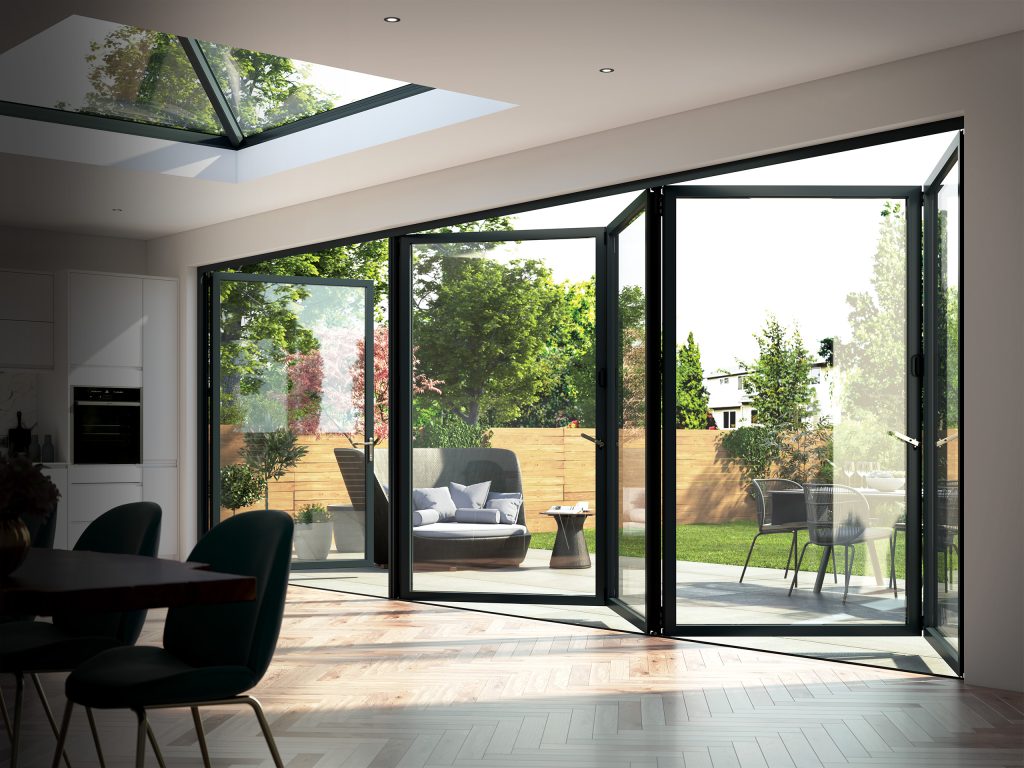
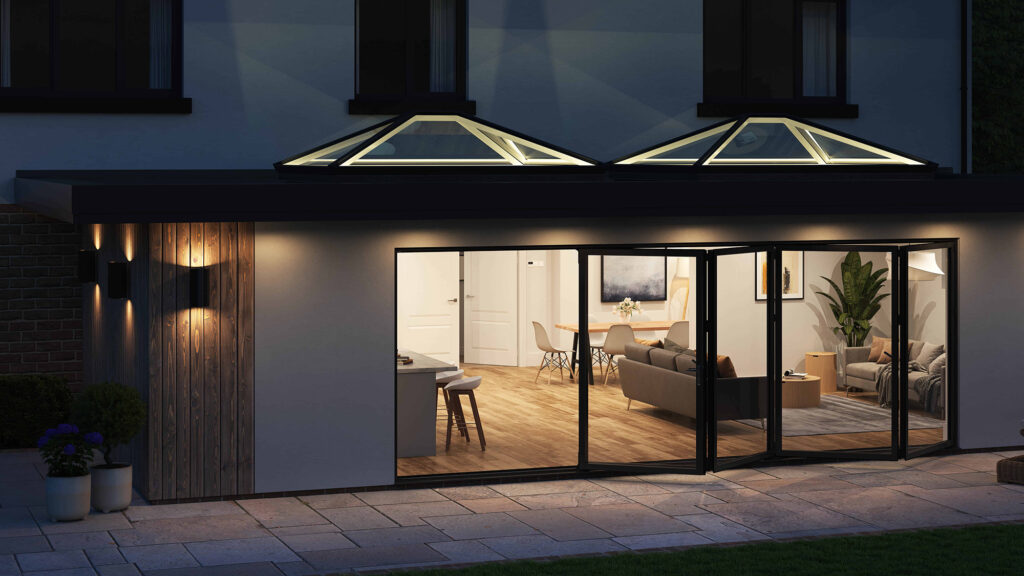
Bifold doors remain one of the most popular patio options for extensions and garden-facing renovations. The main appeal is obvious – the panels fold and stack to one or both sides, creating a wide, open connection to the outside.
This makes them particularly effective for kitchen diners, open-plan family rooms and garden rooms where the patio is used as an extension of the living space. If you entertain often or want that indoor-outdoor feel in warmer months, bifolds deliver a very different experience from other door types.
The trade-off is that bifolds have more vertical frames because they are made up of multiple folding sashes. You get the benefit of a larger opening, but not the same uninterrupted glass view as a sliding system. When the doors are shut, sightlines are busier. For some buyers that is a small compromise. For others, especially on homes with a strong contemporary design, it matters.
Threshold choice is another detail worth thinking about early. A low threshold improves access and creates a cleaner transition to the patio, but there are weather performance considerations depending on exposure and installation. This is one of those areas where good specification advice is genuinely useful.
Sliding patio doors
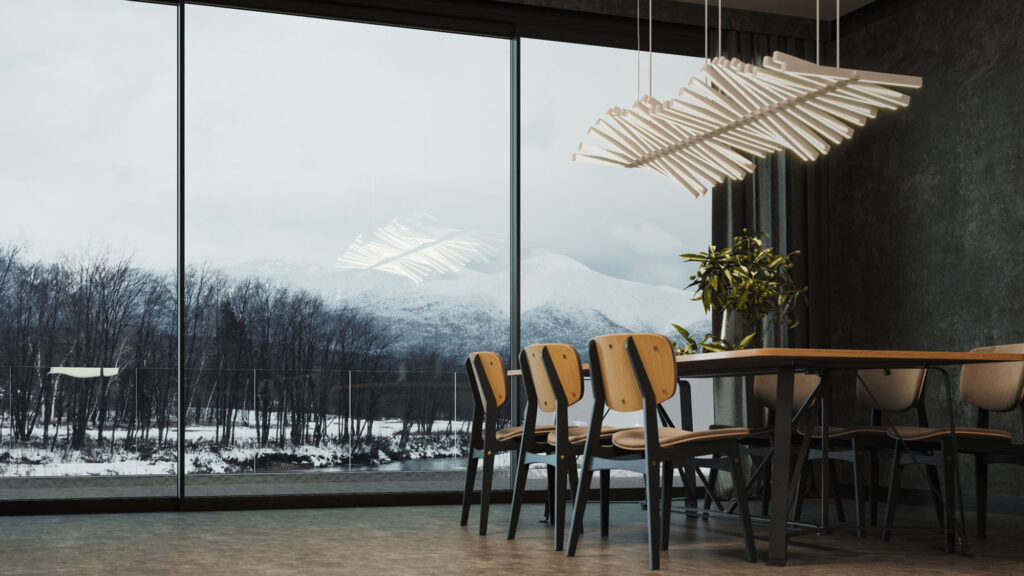
If your priority is glass, sliding doors are often the best doors for patios. Because the panels slide rather than fold, the frame lines are slimmer and the glazed area is usually more generous. The result is a cleaner, more contemporary look with stronger views out to the garden.
They are especially effective in rear extensions where the aim is to maximise light and keep the architecture feeling calm and modern. Large sliding doors can also work well in spaces where furniture layout matters, because the panels move within their own track and do not project inwards or outwards.
The main limitation is that sliding doors do not open fully across the entire aperture. One panel slides behind another, so part of the opening is always fixed. For many households, this is not a problem at all. If everyday use is more about easy garden access, ventilation and a strong visual connection outside, sliding doors can be the more practical choice.
In aluminium, sliding systems also suit wider openings particularly well. They offer a premium feel, strong durability and the slim profiles that many homeowners and developers are looking for in modern projects.
French doors for patios
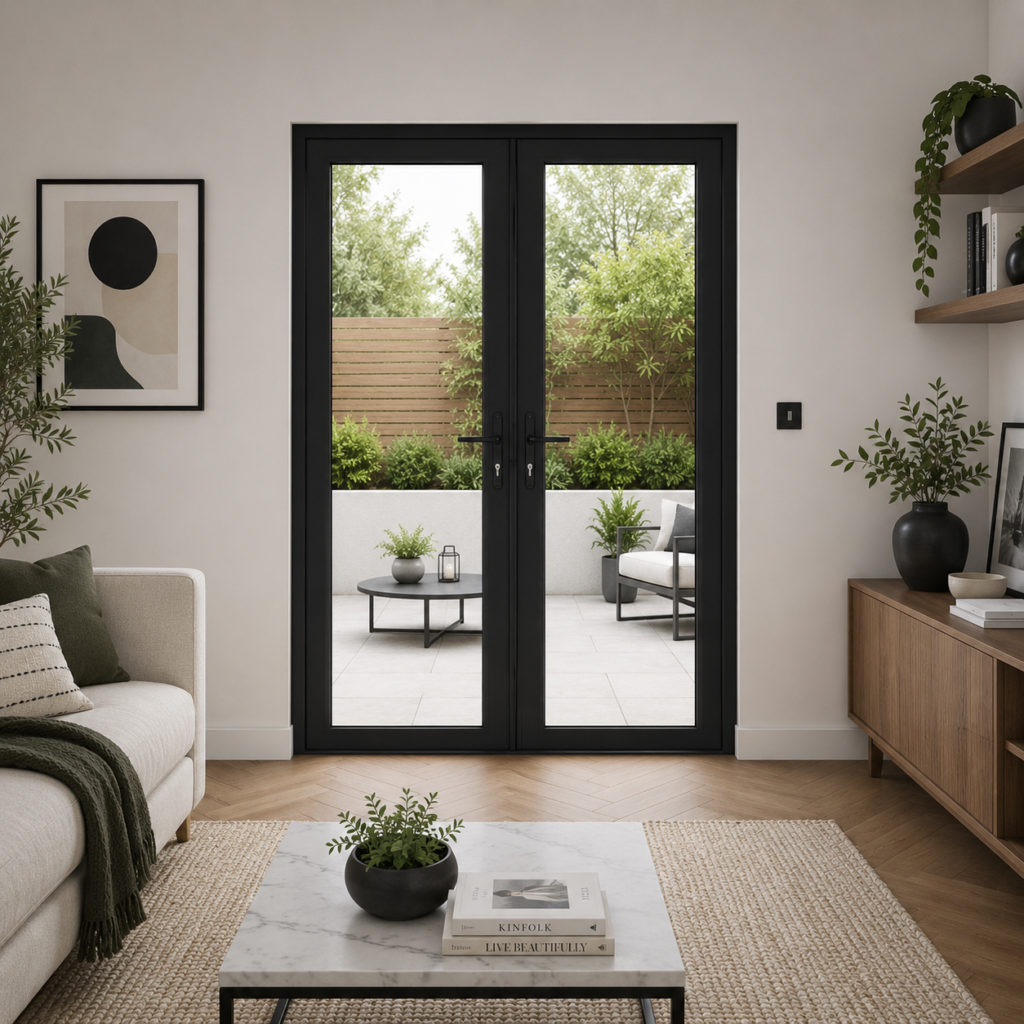
French doors are sometimes overlooked, but they are still a smart option in the right setting. For smaller openings, period homes and more traditional properties, they can be the most proportionate and cost-effective solution.
They offer a familiar hinged opening, a symmetrical look and straightforward operation. In a dining room, snug or modest extension, French doors can provide enough access and daylight without overcomplicating the design.
They are not usually the first choice for very wide apertures, and they will not create the same dramatic glazed wall effect as sliding or bifold doors. Even so, if the opening size is limited, or if you want to retain character in a heritage-style renovation, French doors may be exactly the right answer.
Aluminium or uPVC?
Material has a big influence on performance, aesthetics and price. In the patio door market, aluminium and uPVC are the two most common choices, and both have their place.
Aluminium tends to be the premium option. It is strong, low maintenance and particularly well suited to larger glazed doors because the frames can stay relatively slim while supporting bigger panes. It also fits modern design schemes very well and is widely chosen for contemporary extensions and new-build projects.
uPVC is often the more budget-friendly route and can still deliver very good performance when specified well. It works especially well for standard-sized openings and more traditional homes where ultra-slim sightlines are less of a priority. If value matters but you still want better light, better access and improved insulation, uPVC patio doors can be a very sensible choice.
This is where budget and design expectations need to be weighed together. If the rear of the property is the showpiece of the project, aluminium often earns its place. If the goal is a reliable, attractive upgrade without stretching costs unnecessarily, uPVC deserves serious consideration.
What matters beyond the door style
Door configuration is only part of the buying decision. The specification behind it will affect comfort, longevity and day-to-day satisfaction just as much.
Glazing matters first. Double glazing is standard, but the right unit build-up can improve thermal performance, reduce outside noise and help manage solar gain. South-facing patios, for example, may benefit from glass choices that reduce overheating in summer while still letting in plenty of light.
Security is another key factor. Multi-point locking, quality hardware and tested door systems all contribute to confidence, especially on ground-floor rear elevations. For homeowners, this is about peace of mind. For trade buyers, it is also about choosing products that are easy to specify and defend to clients.
Then there is colour and finish. Anthracite grey remains popular, but black, white and bespoke finishes all have their place depending on the property style. The right colour should support the architecture rather than dominate it.
Choosing the right patio door for your space
The best patio door is usually the one that suits the opening and the way the room works. A large extension with uninterrupted garden views may suit a sliding system perfectly. A family kitchen opening onto a patio used for summer dining may benefit more from bifolds. A smaller renovation or classic home may look better with French doors.
Room layout also matters more than many people expect. Think about dining tables, sofas, kitchen islands and circulation space. A door can look ideal on paper and still feel awkward if the opening pattern clashes with the furniture plan.
It is also worth thinking about how often the doors will be open fully. Some buyers are drawn to bifolds because of the large opening, but in reality use only a traffic door most of the year. Others assume sliding doors will feel restrictive, then realise they suit their lifestyle better because they are quick to operate and keep the view clean.
A practical buying approach
If you are narrowing down options, start with the aperture size and the main objective. Ask whether you want the biggest possible opening, the most glass, the most traditional look, or the best balance of all three. That one decision makes the next steps much easier.
After that, look at material, sightlines, threshold detail and glazing specification. For trade projects, technical drawings and installation requirements should come into the discussion early. For homeowners, it helps to view the doors as part of the wider renovation rather than a standalone product. The best result comes when the door style works with the roofline, flooring level, internal layout and garden design.
For many UK projects, a supplier that offers bespoke sizing, clear technical support and a strong choice of systems will make the process far simpler. That is especially true when you are comparing premium options and want confidence that the finished result will match both the design brief and the practical demands of the space.
The right patio door should do more than fill an opening. It should brighten your home, improve how the room works and make every trip to the garden feel easier.