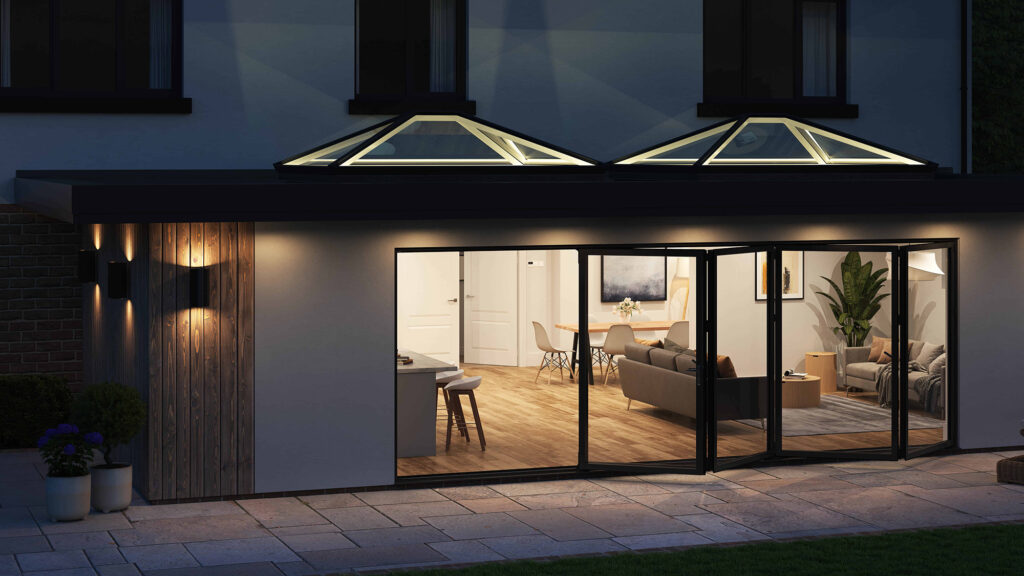
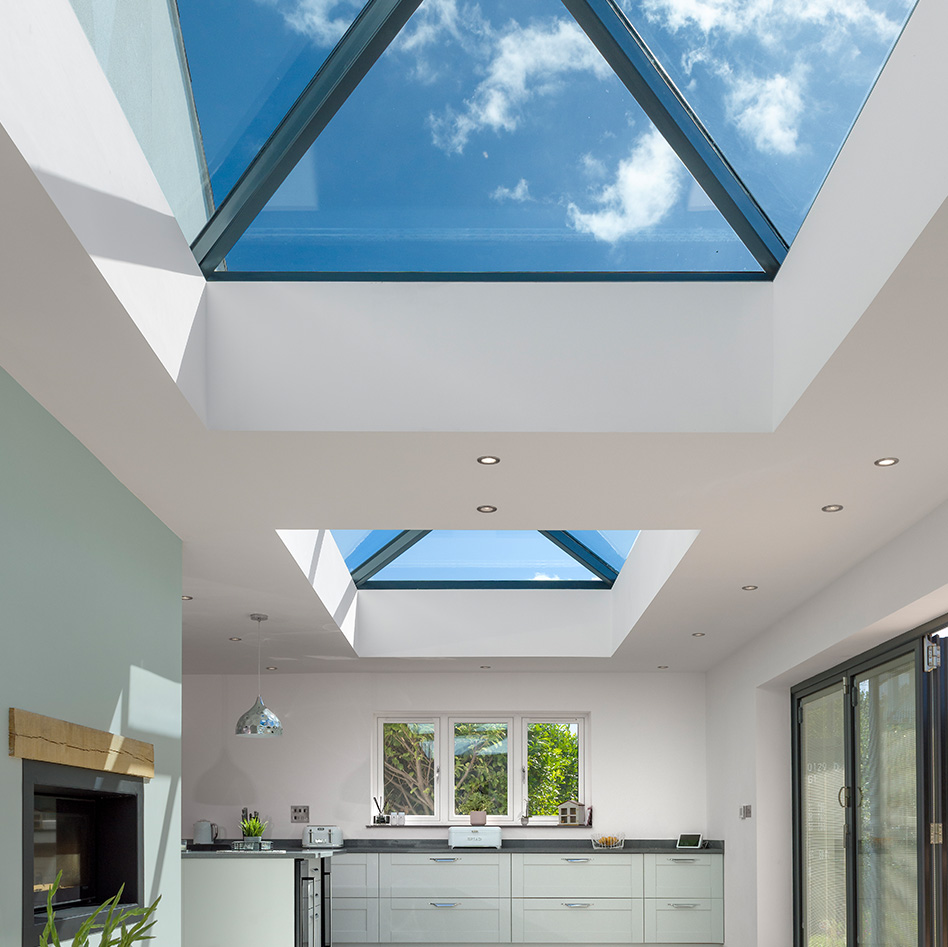
When a staircase feels heavy or a patio edge interrupts the view, glass usually solves both problems in one move. The top glass balustrade design ideas are not just about making a space look smarter – they change how light travels, how open a layout feels and how premium a project appears without adding visual bulk.
For homeowners, that can mean a brighter landing, a cleaner rear extension or a balcony that feels properly connected to the garden. For trade buyers, it often comes down to specifying a system that looks sharp, performs well and suits the build method without creating avoidable installation issues. The best design choice is rarely the flashiest one. It is the one that fits the property, the sightlines and the level of maintenance your client is happy with.
Top glass balustrade design ideas for modern homes
Some styles work because they make the glass the feature. Others work because they let the glass disappear. That balance is what shapes a strong result.
1. Frameless glass for the cleanest possible look
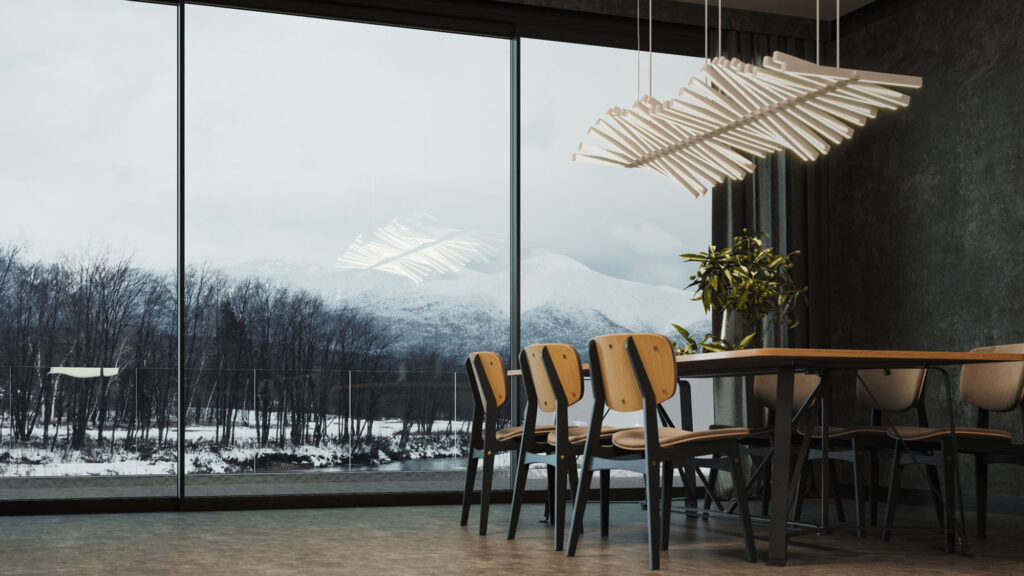
If the aim is minimal and architectural, frameless glass is the standout option. It gives you uninterrupted lines, maximum light and a finish that works particularly well with contemporary extensions, roof terraces and statement staircases.
This style is especially effective where the view matters, such as raised patios, balconies or gardens with strong landscaping. Inside, it helps stairwells feel wider and more open. The trade-off is that frameless systems can demand more careful specification and installation, especially where fixing details need to stay discreet. It is worth getting those details right early, because the whole appeal of frameless glass lies in its visual simplicity.
2. Glass with slimline metal posts for easier integration
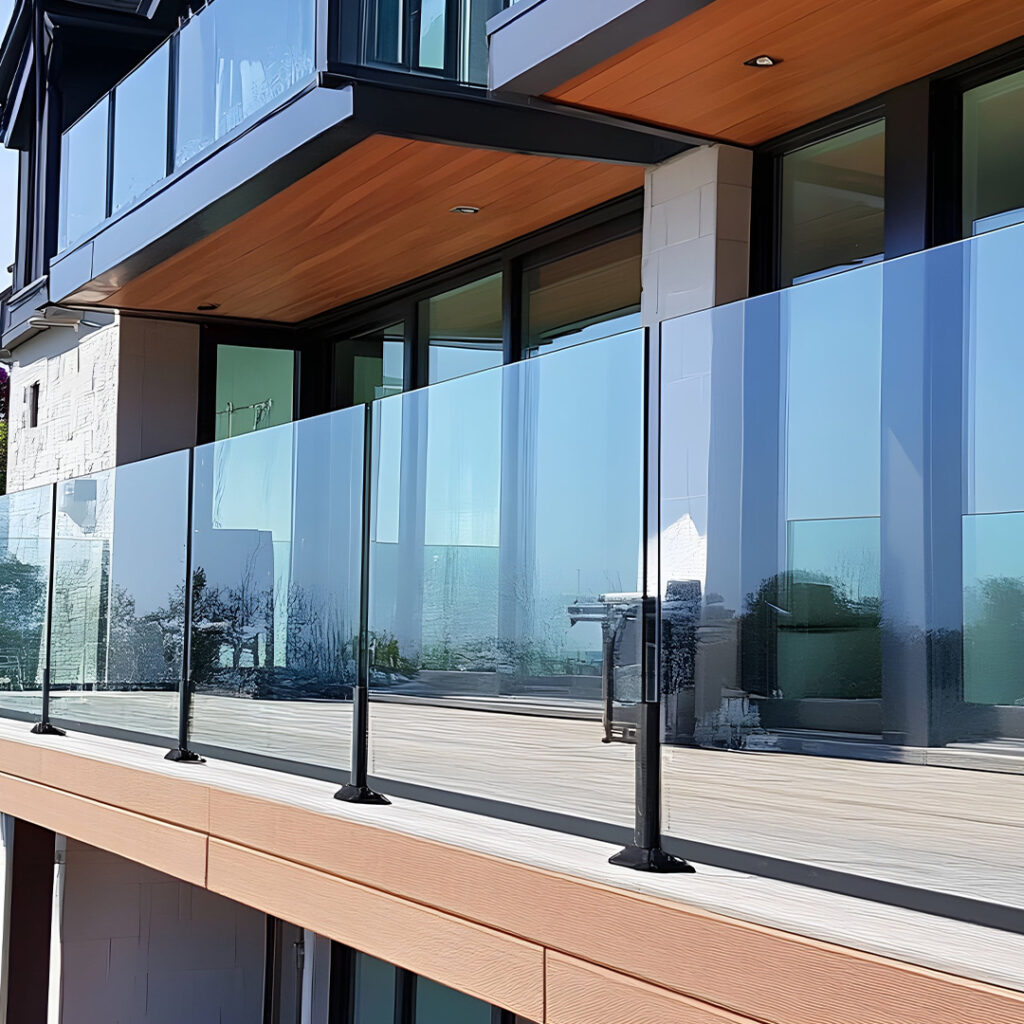
Not every project needs a fully frameless finish. Glass panels paired with slim aluminium or stainless steel posts offer a more structured look while still keeping the space open. This is often a practical middle ground for residential refurbishments, mixed-material schemes and projects where budget matters.
The benefit here is flexibility. Post-supported systems can be easier to adapt to different layouts and edge details, and they suit both indoor and outdoor use. They also bring a slightly more defined architectural rhythm, which can work well on decks, external steps and garden room thresholds.
3. Tinted glass for solar control and privacy
Clear glass is the obvious choice, but it is not the only one worth considering. Grey or bronze tinted glass can soften glare, add privacy and introduce a more designed finish, especially on exposed balconies or south-facing terraces.
This idea works best when the rest of the scheme has similar tonal depth – darker frames, anthracite doors, aluminium windows or contemporary cladding. The caution is that tinted glass changes the overall feel of the space. It can look striking, but it will not give the same crisp, almost invisible effect as low-iron clear glass. If your priority is preserving every bit of light, standard clear or extra-clear glass may still be the better route.
4. Frosted or obscured panels where privacy matters
For overlooked gardens, side return terraces or split-level homes close to neighbouring properties, frosted or obscured glass can be the smarter design move. It keeps the system light and modern while screening sightlines where you need them.
This is a strong option for Juliet balconies, first-floor terraces and side boundaries that would feel too exposed with fully clear glazing. A common approach is to use clear glass where views are desirable and obscured glass only on specific sections. That selective use tends to look more refined than applying privacy glass everywhere.
Best staircase glass balustrade ideas
Internal staircases are often where glass has the biggest visual impact. A dated stair can make the whole house feel closed in, while the right balustrade can modernise the space without altering the footprint.
5. Side-mounted glass for a floating stair effect
Fixing the glass to the side of the staircase rather than on top of the treads creates a cleaner line and gives more width visually. It is one of the strongest choices for modern renovations where you want the stair to feel lighter and more sculptural.
This works particularly well with timber treads, black stringers or oak details, because the contrast between warm materials and clear glazing gives the stair some presence without making it heavy. It does, however, need proper planning around structure and fixings. On some refurbishments, existing stair construction may limit the options, so it is worth checking feasibility before settling on the design.
6. Glass with a timber handrail for a softer finish
If fully minimal glazing feels a little too stark, adding a timber handrail can make the design more comfortable in traditional or transitional homes. Oak is the usual favourite because it adds warmth and sits comfortably alongside flooring, doors and joinery.
This approach is often a good fit for family homes where the goal is to brighten the stairwell without making the scheme feel overly commercial. You still gain the openness of glass, but the handrail helps tie the balustrade into the rest of the interior.
Balcony and outdoor glass balustrade ideas
External balustrades need to do more than look good. Exposure, cleaning, safety and long-term durability all matter, especially in coastal or elevated locations.
7. Low-iron glass for premium rear elevations
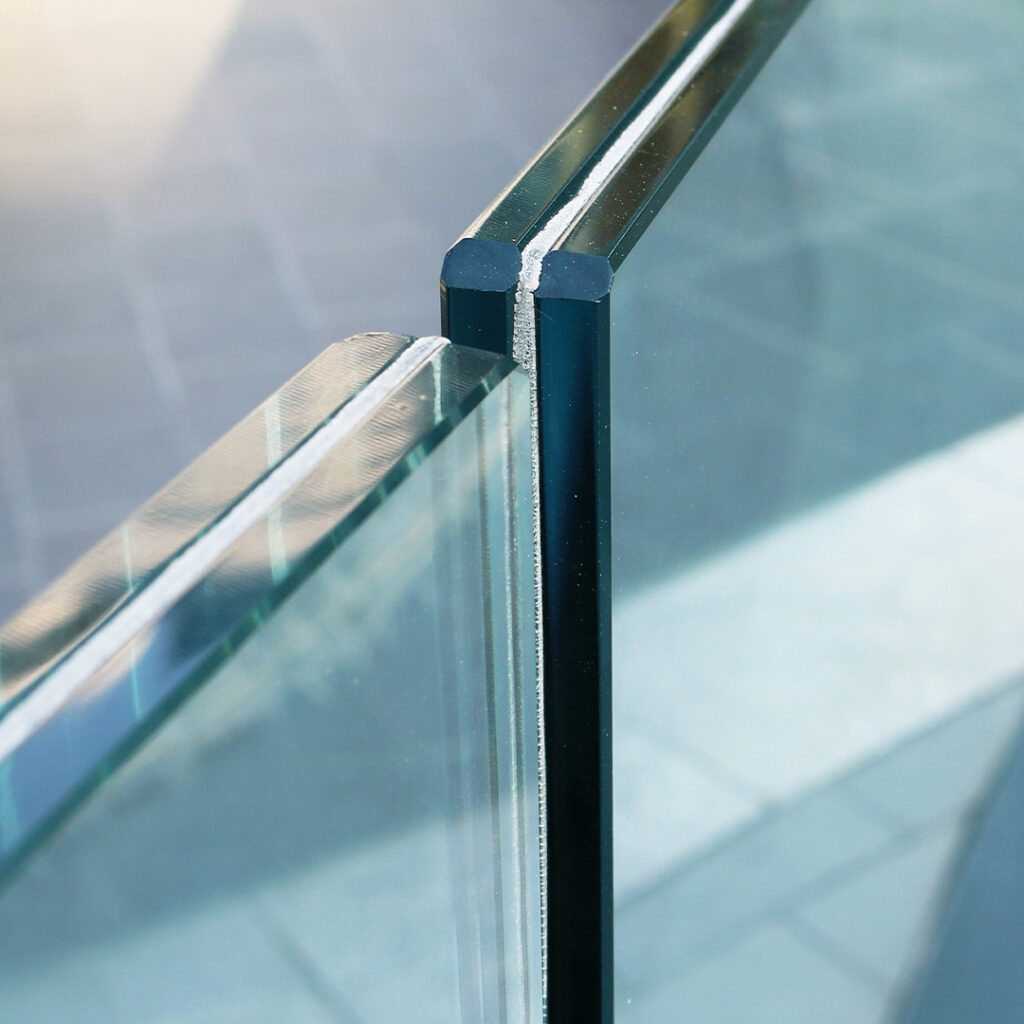
Standard toughened glass can carry a slight green tint, particularly on thicker panels. Low-iron glass reduces that effect and gives a clearer, more polished finish. On rear extensions with large glazed doors, rooflights or panoramic openings, that extra clarity can make a noticeable difference.
It tends to be most worthwhile where the balustrade sits close to other glazing products and you want the full scheme to feel consistent and high end. It may not be essential on every project, but on premium homes and design-led renovations, it often earns its place.
8. Glass balustrades with integrated channels for terraces
Base channel systems are popular for patios, balconies and raised decking because they keep visible hardware to a minimum. The glass appears to rise directly from the floor line, which gives a very crisp finish and helps the architecture do the talking.
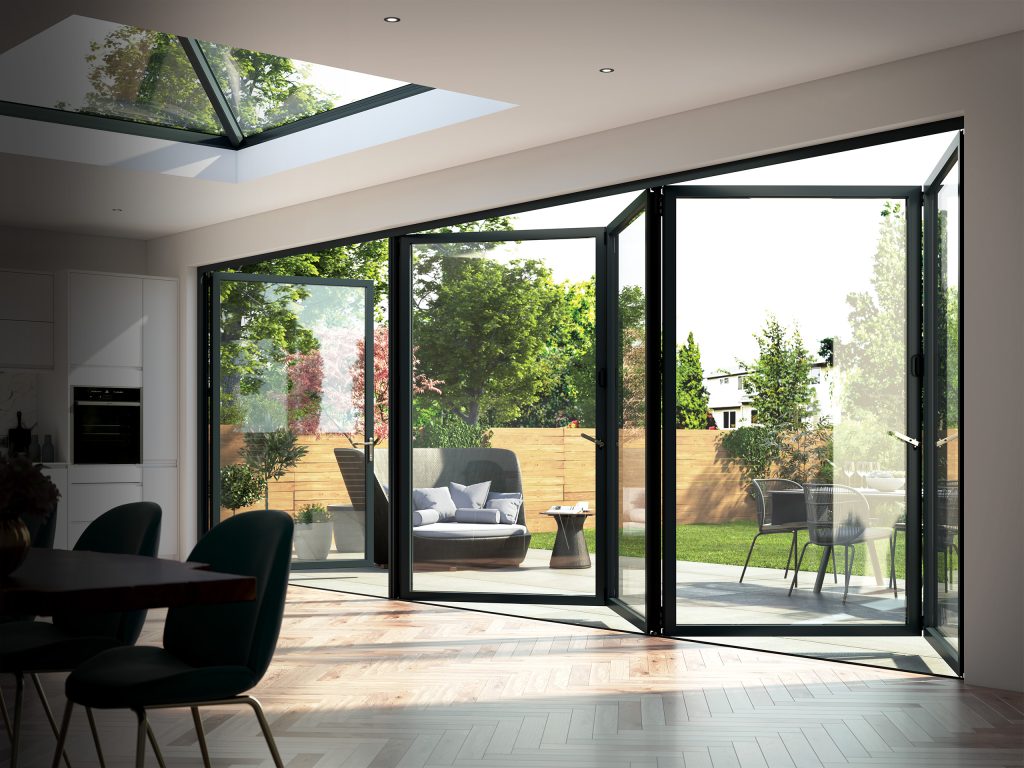
This style works well with porcelain paving, rendered walls and broad sliding door openings where the aim is to open up the home and preserve long views. The key consideration is drainage and setting out. Outdoor systems need careful attention to water management and substrate suitability, not just the visual finish.
9. Mixed-material balustrades for a more characterful look
Glass does not have to do all the work on its own. Combining it with aluminium, timber or masonry can produce a more layered result, especially on period renovations or gardens where an ultra-minimal system might feel out of place.
For example, short rendered piers with glass infill panels can suit a heritage-style extension better than a purely frameless run. Likewise, dark aluminium posts can tie in neatly with bifold or sliding door frames. The strength of this idea is that it gives you openness without forcing the entire project into one aesthetic.
What makes a glass balustrade design work well?
The strongest schemes usually get four things right: proportion, fixing detail, glass specification and context. A beautiful panel can still look awkward if the heights are wrong, the handrail feels bulky or the post spacing interrupts the rhythm of the elevation.
Context matters just as much. A sleek frameless system may be perfect for a new extension with large-format glazing, but a post-supported design could be the better answer for a renovation where you are balancing old and new materials. There is no single best option for every property.
For homeowners, it helps to think beyond the product photo. Ask how the balustrade will look from inside, how often it will need cleaning and whether privacy is part of the brief. For installers and builders, it pays to consider edge conditions, tolerances and how the balustrade interfaces with surrounding doors, steps or deck structures. A design that looks simple on paper is not always the easiest one to fit.
Choosing the right finish for your project
A good glass balustrade should feel intentional, not added on at the end. If your home already features aluminium glazing, clean rooflines and modern materials, a frameless or slim-post design will usually sit comfortably. If the property has more texture or traditional detailing, a softer mixed-material approach may feel more natural.
This is also where bespoke sizing and specification matter. Off-the-shelf dimensions may suit some straightforward layouts, but many projects benefit from a more tailored approach, particularly on staircases, balconies and split-level gardens. Being able to match the design ambition with practical technical support makes the process much easier, especially when timings are tight or the brief has multiple moving parts.
The best balustrade design is the one that improves the space every day – by opening up a view, bringing in more light or making a layout feel more refined and complete. Start there, and the right style usually becomes much clearer.