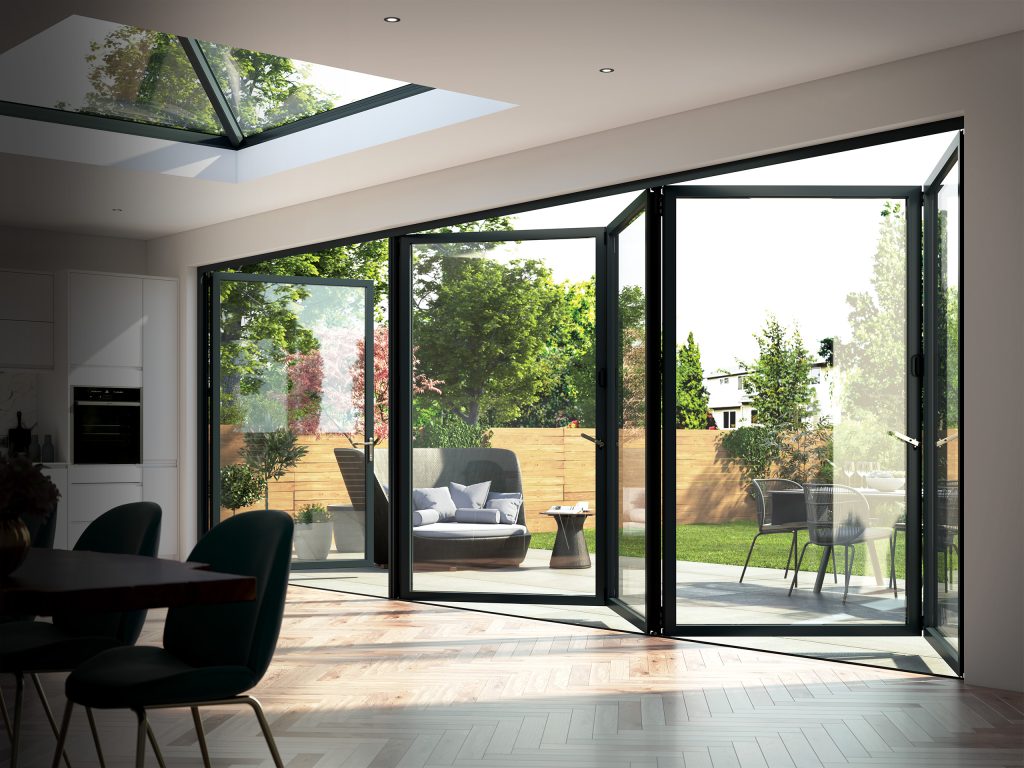



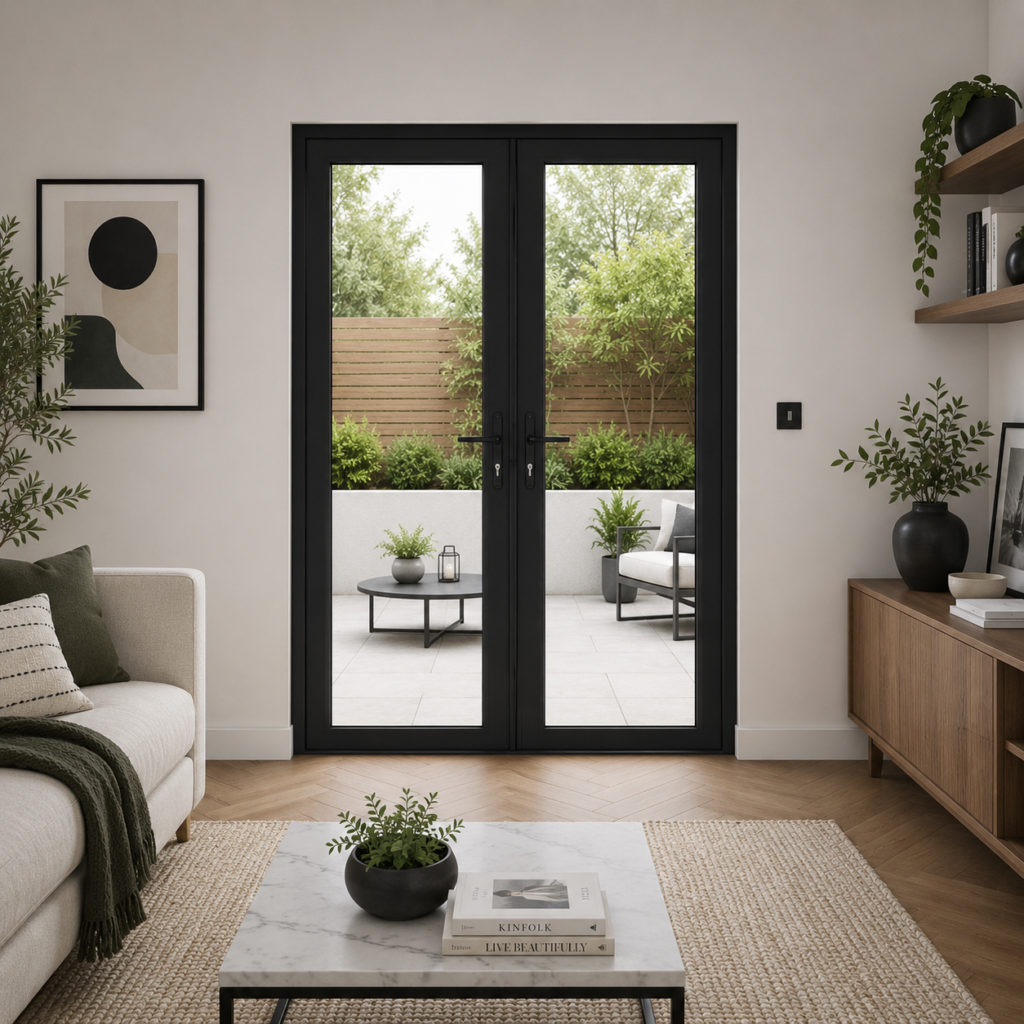
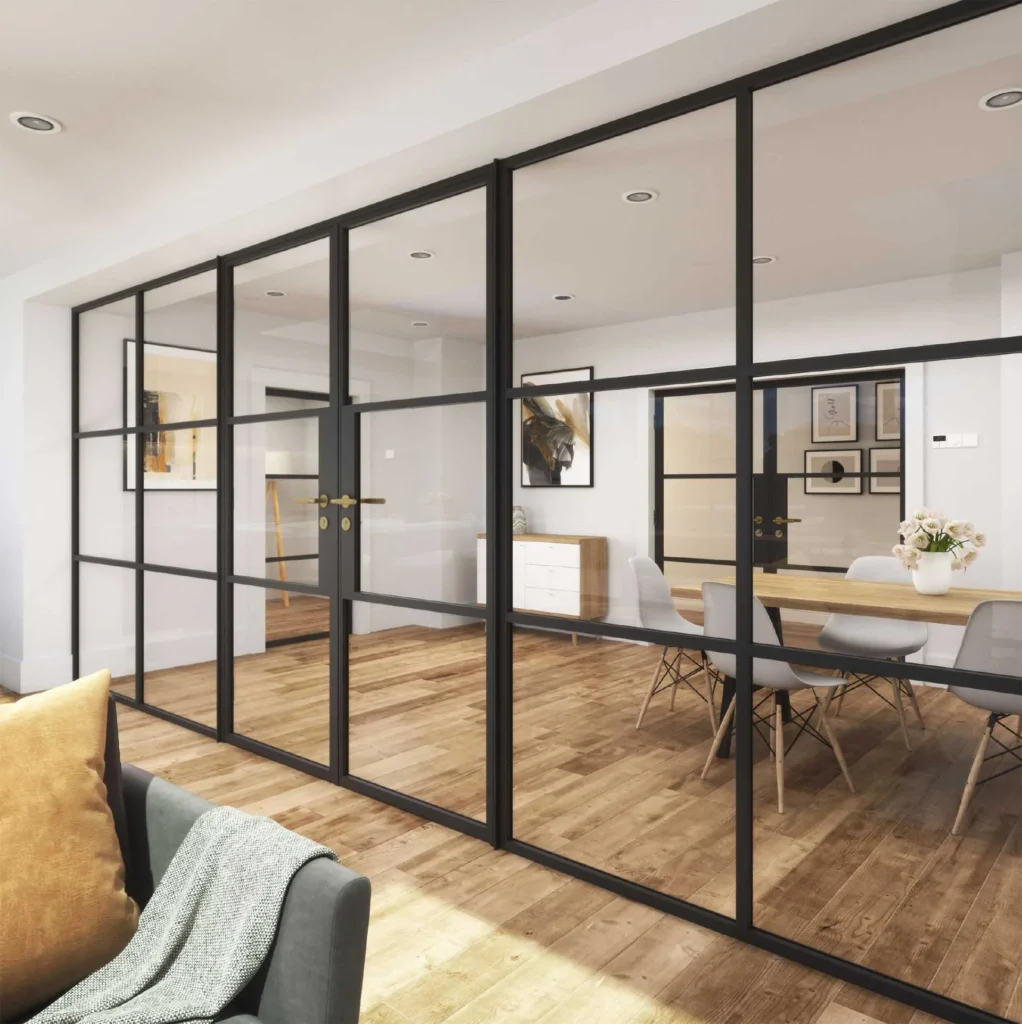
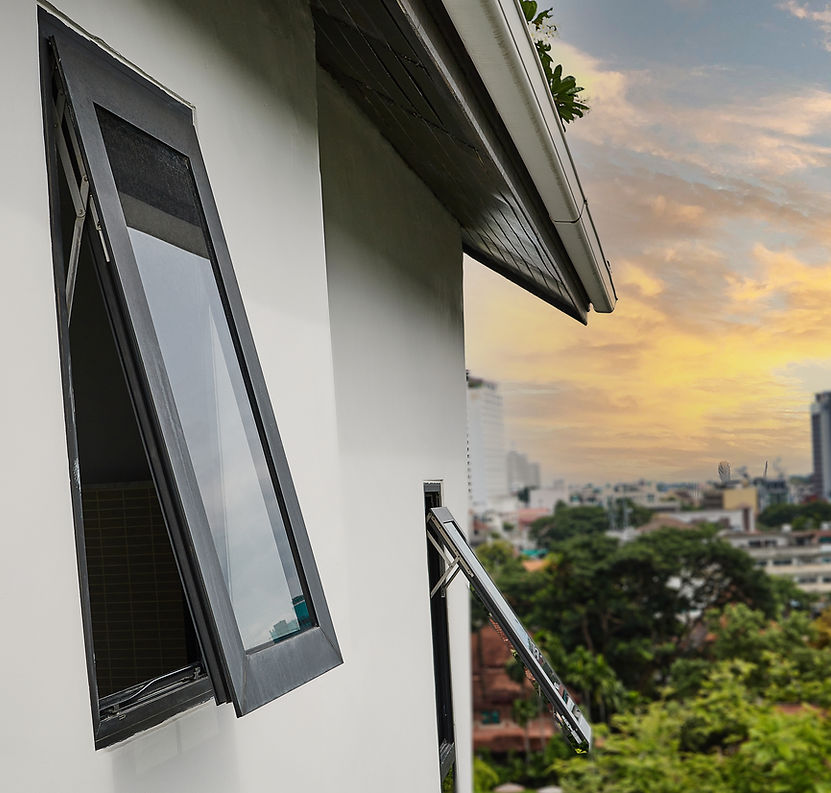
A cheap window quote can become an expensive mistake very quickly. One supplier looks hundreds less than another, but the sizes are not quite the same, the glazing spec is lighter, and installation may not even be included. If you want to know how to compare window quotes properly, the key is to look past the bottom-line figure and check exactly what you are being offered.
That matters whether you are replacing a few tired windows, pricing a full renovation, or sourcing products for a client project. A well-compared quote helps you protect your budget, improve thermal performance, and avoid delays once the order is moving.
Why window quotes can vary so much
On paper, two quotes may appear to cover the same job. In reality, one could be based on slimmer aluminium frames, another on standard uPVC, while a third includes upgraded glass, trickle vents, tougher security hardware and installation. The price difference is not always a sign that one company is overcharging. Often, it reflects a different product, a different service level, or a different set of assumptions.
This is why comparing quote against quote without a fixed specification rarely works. You need to compare like for like. If the details are inconsistent, the cheapest option is simply the least detailed one.
How to compare window quotes without missing the important details
Start by checking whether each quote covers exactly the same windows. Look at the number of units, the opening styles, the dimensions, the frame material and the colour or finish. A quote for made-to-measure aluminium windows with bespoke cills, heritage bars and dual colour frames should not be compared directly with a basic white uPVC alternative.
If you are collecting quotes from several suppliers, it helps to create a simple specification sheet first. List the room, the window size, the style, the material, the glazing type and any must-haves such as acoustic glass, obscure glass, ventilation, safety glazing or matching doors. That gives every supplier the same starting point.
Check the frame material and system
Material has a major impact on both price and performance. Aluminium windows usually offer slimmer sightlines, a more architectural finish and strong long-term durability. uPVC tends to be more cost-effective and is still a solid choice for many homes. Timber or heritage-style systems may come at a premium because of their appearance and detailing.
It is also worth checking the system or brand being quoted. Not all aluminium or uPVC windows are equal. Sightlines, thermal breaks, profile depth, hardware quality and colour options can vary significantly between systems. If one quote uses a recognised premium system and another uses a more basic profile, the price gap may be justified.
Compare glazing specifications carefully
Glass is one of the easiest places for quotes to look similar while being materially different. Double glazing is not just double glazing. You should check the pane thickness, cavity size, low-emissivity coatings, gas fill, spacer bars and any special performance features.
For some homes, solar control glass is valuable on large south-facing elevations. For others, acoustic glazing is more useful if the property is near a busy road. Safety toughened or laminated glass may also be required in certain locations. If one quote includes upgraded glazing and another does not, the numbers will naturally differ.
Pay attention to the stated U-values as well, but read them with care. Some suppliers quote centre-pane performance, while others quote whole-window performance. The latter gives a more realistic picture of how the full unit performs once installed.
Look at what is included beyond the windows themselves
This is where many quote comparisons go wrong. A lower price may exclude essential items that appear later as extras.
Check whether the quote includes survey, delivery, installation, disposal of old windows, making good internally, trims, cills, fixings and sealants. If scaffolding is likely to be required, ask whether it is included or excluded. Also confirm VAT, because a quote can look more attractive until tax is added.
For supply-only orders, make sure ancillary items are clearly listed if you need them. Trade buyers will usually spot omissions quickly, but homeowners can easily assume they are included when they are not.
Installation or supply only?
A supply-only quote is not directly comparable with a fully installed quote. The first may still require you to arrange fitting, sealants, skips, finishing work and any snagging support. The second may include project management, site survey and a workmanship guarantee.
Neither route is automatically better. It depends on your project. If you already have a trusted installer, supply only can be a cost-effective choice. If you want one point of responsibility, a fitted package may offer more reassurance.
Ask about lead times and logistics
Price matters, but timing matters too. A delayed window order can hold up plastering, kitchen installation, decorating and final sign-off. For trade projects, that can affect multiple follow-on trades and client expectations.
When comparing quotes, ask for realistic lead times, not optimistic ones. Also check delivery arrangements. A nationwide supplier with dependable delivery and clear communication may provide better overall value than a cheaper option that causes programme problems.
Security, compliance and guarantees matter more than many buyers expect
Windows are a visible design choice, but they are also a performance product. A quote should give you confidence that the windows meet current standards and are suitable for the application.
Check for details on security features such as multi-point locking, internal glazing where relevant, hinge protection and tested hardware. For building regulation compliance, ask whether the specification meets the required thermal standards and whether any certification is provided after installation.
Guarantees also deserve proper attention. A 10-year guarantee sounds straightforward until you find out it only applies to the frame, not the sealed units, hardware or finish. Read what is actually covered and for how long. A slightly higher quote from a supplier with strong aftercare can be the better buy.
Watch for allowances, vague wording and missing detail
If you are wondering how to compare window quotes with confidence, clarity is usually the deciding factor. A good quote should be specific. It should tell you what is included, what is excluded and what assumptions have been made.
Be cautious with wording such as “standard glass”, “white handles”, or “installation as required” if those points have not been discussed properly. Vague descriptions leave room for substitutions and extras later. The more bespoke the project, the more important detail becomes.
It is also sensible to question unusually low prices. Sometimes they are genuine promotional offers or trade rates. Sometimes they rely on a stripped-back specification, low-grade hardware, or omitted elements that reappear after the order is placed.
Use a simple scoring method instead of focusing only on price
For larger projects, a straightforward scoring table can help. Give each quote a rating for product specification, thermal performance, aesthetics, service, lead time, guarantee and total cost. That stops the decision being driven solely by the cheapest headline number.
This is especially useful when comparing premium glazing products where the differences are more about finish, performance and support than dramatic shifts in appearance. A quote that costs 8 to 12 per cent more may still offer better value over time if the product is stronger, warmer, easier to maintain and backed by better technical support.
Questions worth asking before you decide
If two quotes are still close, ask each supplier a few direct questions. Confirm whether the windows are made to order, what the expected lead time is, whether colour and hardware options affect price, and how any issues are handled after delivery or installation.
You should also ask who is responsible for final measurements. That point matters. If measurements are based on estimated sizes rather than a proper survey, your quote may change later.
For design-led projects such as extensions, garden rooms or whole-home upgrades, it helps to ask for sightline drawings or technical details where available. Premium products often justify their cost through cleaner lines, larger glazed areas and more refined specifications, not just through the brand name on the brochure.
One well-prepared quote with clear specification, honest timings and dependable support is usually worth more than three vague cheap ones. If a supplier makes it easy to understand the product, the options and the final cost, you are already much closer to a confident purchase.