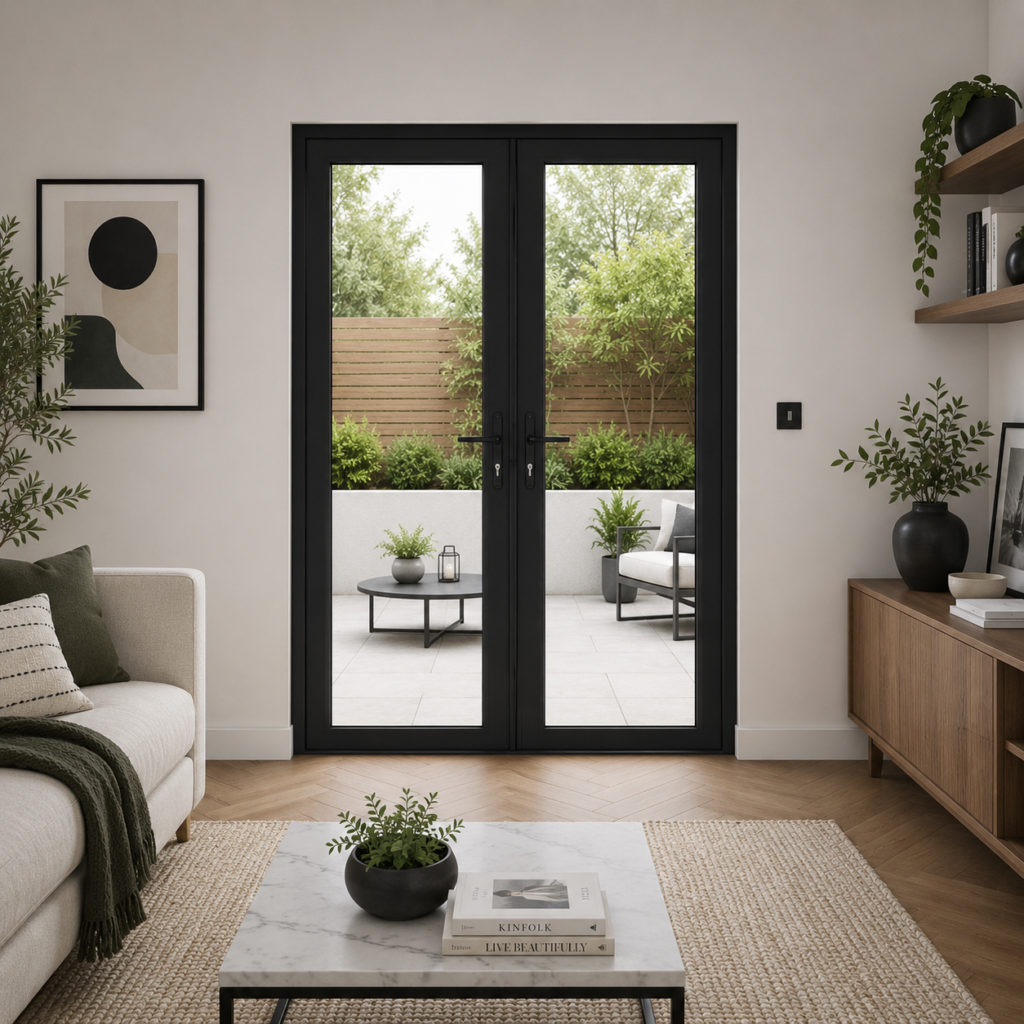
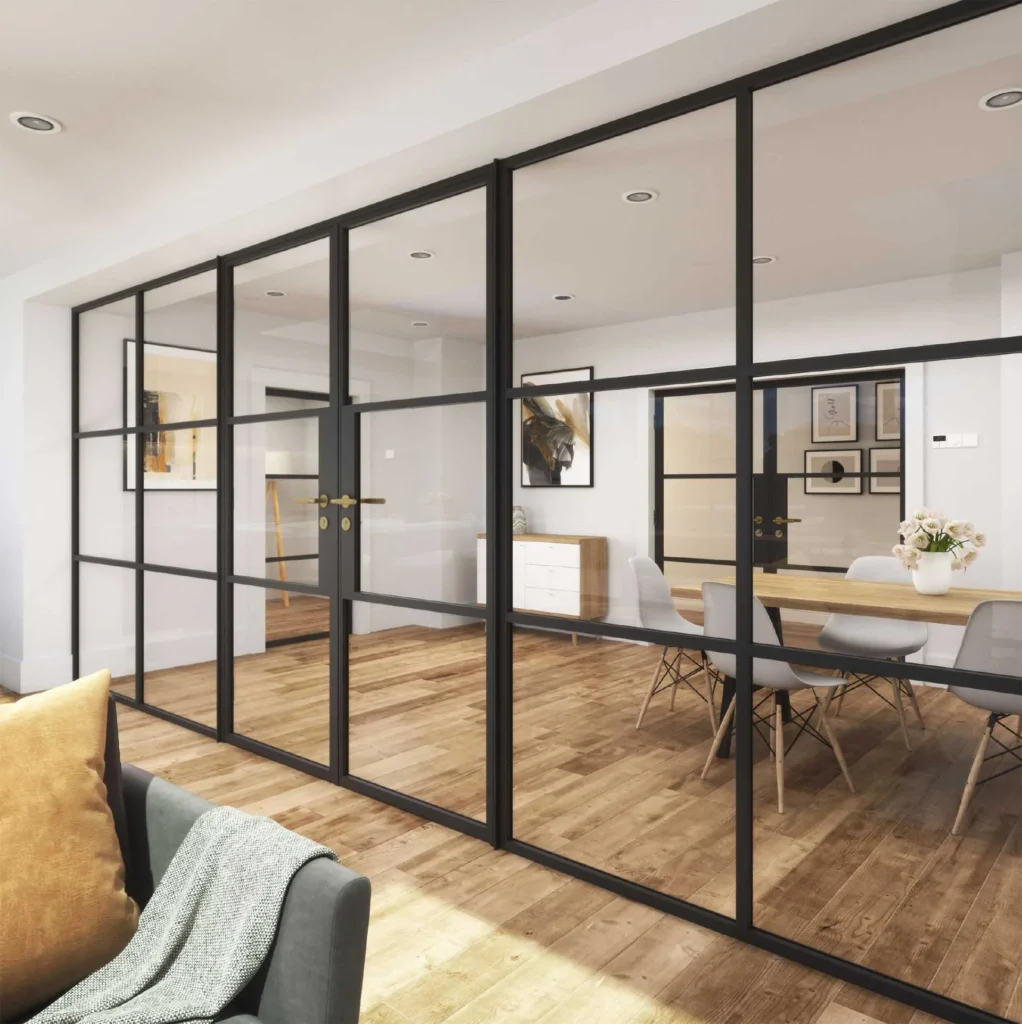
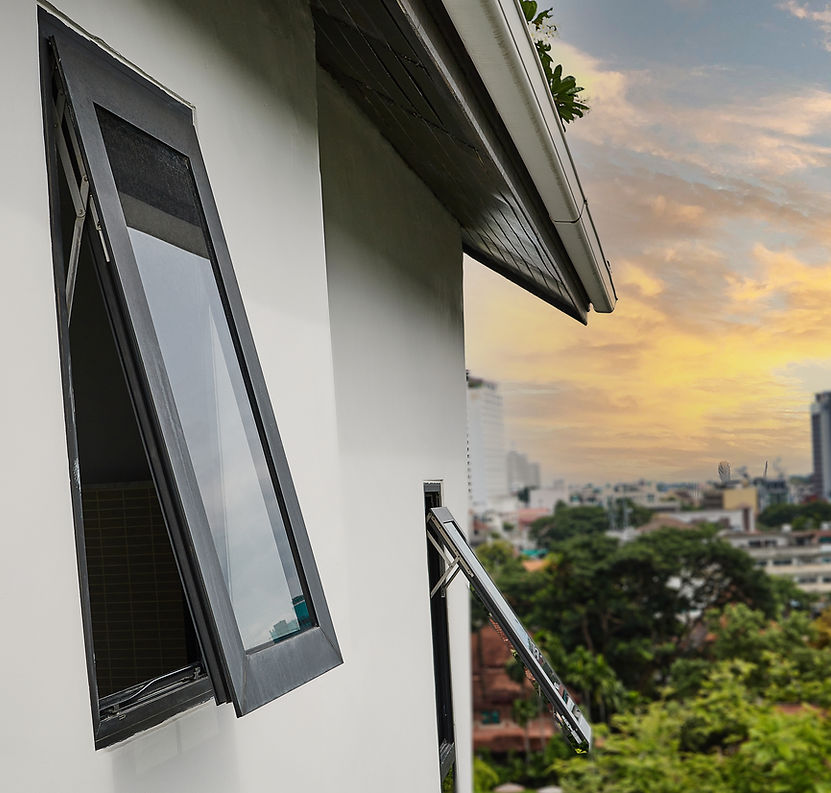

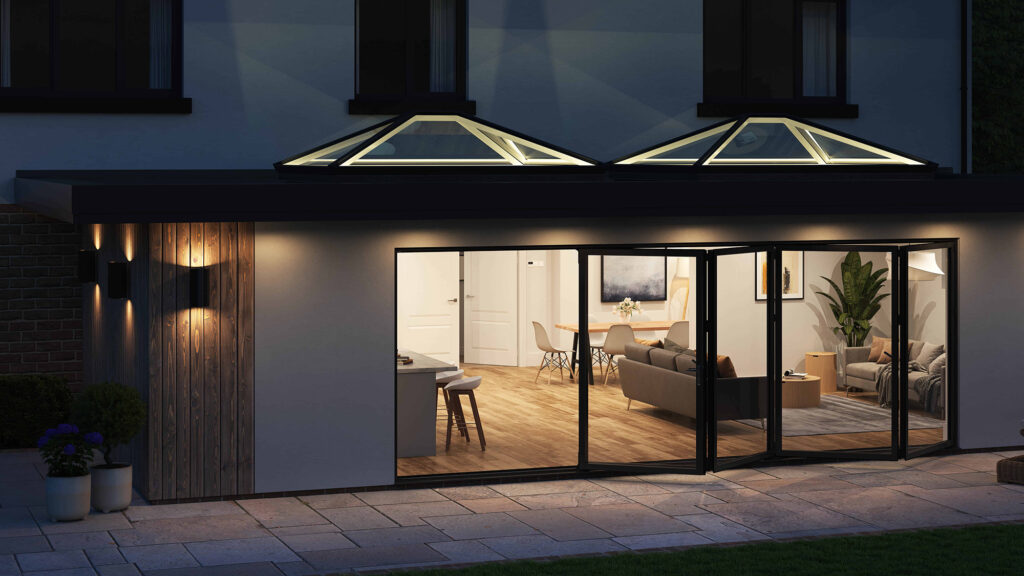
A garden room only works properly when it feels connected to the garden rather than shut off from it. That is why sliding doors for garden rooms are often one of the most important decisions in the whole project. Get them right and the room feels brighter, larger and more useful throughout the year. Get them wrong and even a well-built space can feel heavier, darker and less practical than you expected.
For most homeowners, and for trade professionals specifying on behalf of clients, the appeal is obvious. Sliding doors give you wide panes of glass, clean sightlines and easy access without the swing space of French doors or the stacked opening of bifolds. They suit compact garden rooms, larger entertaining spaces and home offices alike. But choosing the right system comes down to more than looks.
Why sliding doors for garden rooms make sense
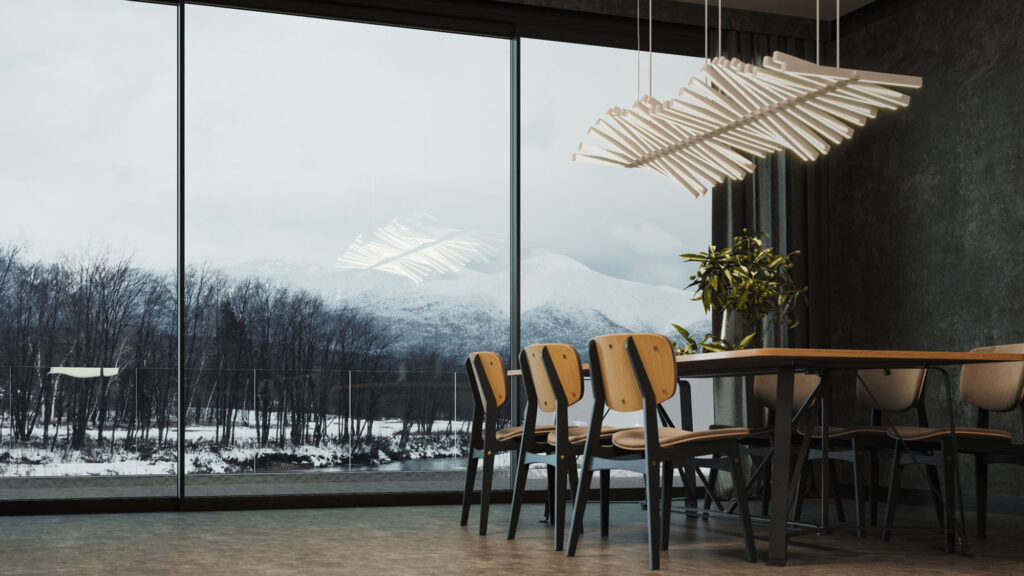
Garden rooms are usually built to bring in more natural light and create a better connection to outdoor space. Sliding doors do that particularly well because they prioritise glass. Slimmer framing and larger glazed areas can make a garden room feel open even on overcast days, which matters in the UK where daylight is not always generous.
They are also a practical option when space is tight. Because the panels move along a track rather than opening in or out, you do not need to allow clearance for furniture, planters or internal layouts. That can be a real advantage in garden gyms, studios and workspaces where every square metre needs to earn its keep.
There is also a strong design argument. Sliding doors tend to create a more contemporary look than traditional patio arrangements, especially in aluminium. If the aim is to maximise light and space without making the room feel fussy, they are often the cleaner solution.
Aluminium or uPVC – which is better?
For many garden rooms, aluminium is the stronger fit. It gives you slimmer frames, a sharper finish and the structural strength needed for larger panes. If the project is aiming for a premium architectural look, aluminium sliding doors are usually the preferred route.
That said, uPVC still has a place. It can be a sensible option where budgets are tighter, or where the opening size is more modest and the brief is focused on performance and value rather than ultra-slim sightlines. A good specification matters more than the headline material alone.
The real choice depends on what the project needs most. If visual impact, colour choice and larger expanses of glass matter, aluminium will generally come out ahead. If cost control is the main concern and the design is straightforward, uPVC may be enough.
What matters most when you compare systems
Thermal performance
Garden rooms are no longer just summer spaces. Many are used as home offices, lounges, hobby rooms or year-round entertaining areas, so thermal efficiency should be near the top of the list. Look closely at U-values, glazing specification and frame design rather than assuming all sliding systems perform the same.
A large glazed opening will always need careful specification if you want the room to stay comfortable in winter and avoid overheating in warmer weather. Double glazing is standard, but the glass make-up, coatings and overall system design all affect day-to-day performance.
Security
A garden room may sit away from the main house, so security matters. Multi-point locking, toughened safety glass and well-engineered frames all add reassurance. For homeowners, this is about peace of mind. For installers and builders, it is about avoiding false economies that can undermine the whole job.
Sightlines and panel size
This is where products can look similar on paper but feel very different in reality. Some systems offer noticeably slimmer interlocks and larger maximum panel sizes, which can make a substantial visual difference. If the brief is to brighten the room and frame the garden properly, sightlines are worth paying for.
Threshold options
Think about how the room will be used. A low threshold improves accessibility and gives a cleaner transition from inside to out, but site conditions and weather exposure need to be considered. In some settings, especially where drainage or driving rain is a concern, a slightly more weather-defensive threshold may be the wiser choice.
How wide should the opening be?
This depends on the purpose of the room as much as the size of the wall. A compact office garden room might only need a two-panel sliding door to bring in light and provide simple access. A larger social space used for dining or entertaining may benefit from a wider configuration with more glass and a bigger opening section.
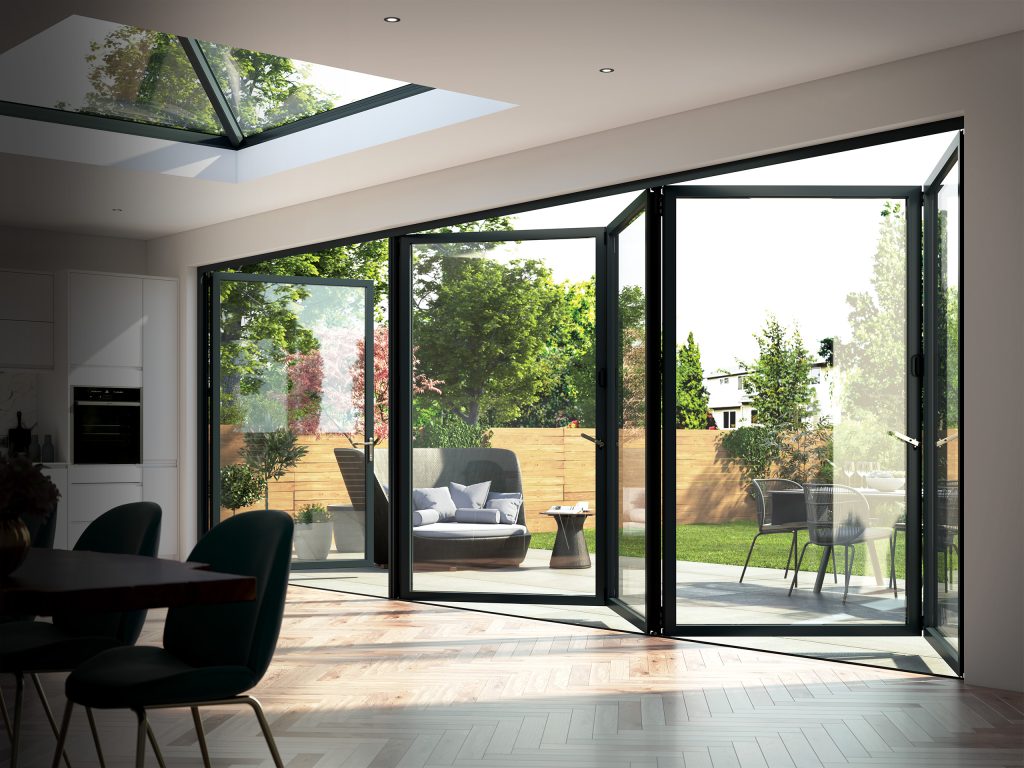
It is worth being realistic here. Sliding doors do not open up the entire aperture in the same way bifolds can. If your main priority is the widest possible clear opening for summer hosting, bifolds may still suit better. If your priority is uninterrupted views, more glass and a neater everyday look, sliding doors often win.
That trade-off is one of the biggest specification points. There is no universal best choice, only the right one for how the space will actually be used.
Design details that change the result
Frame colour and finish
Anthracite grey remains popular for good reason. It suits modern garden rooms, works well against brick, render and timber cladding, and keeps the look crisp without feeling stark. Black can look striking, but in smaller structures it can sometimes feel heavier. White remains practical, though it usually creates a more standard appearance.
For more bespoke projects, especially where the garden room is designed to complement a renovated property, colour choice can help tie everything together. The doors should feel like part of the architecture, not an afterthought.
Glass specification
Privacy, solar control and orientation all matter. A south-facing garden room with a large glazed opening may need more thought around solar gain than one in a shaded corner of the plot. Likewise, if neighbouring properties overlook the space, glazing choices and layout become more important.
Hardware and operation
A sliding door should feel solid and easy to use. Smooth operation is not a luxury – it affects how often the doors get opened and how the room feels in daily use. Poor rollers or weaker hardware can quickly make a premium-looking installation feel disappointing.
Common mistakes when buying sliding doors for garden rooms
One of the most common mistakes is prioritising price over specification. Cheap doors can look acceptable in photos, but lower-grade hardware, weaker thermal performance and chunkier sightlines become obvious once they are installed.
Another is underestimating the importance of the opening design. The fixed and sliding panel arrangement affects furniture layout, ventilation and access. It is worth checking how the door will operate in practice, not just how it looks on an elevation drawing.
There is also the issue of installation. Even a high-quality product can underperform if it is measured or fitted badly. Tolerances, structural support and threshold detailing all matter. This is especially relevant for trade buyers managing programme pressure and homeowners coordinating multiple parts of a garden room build.
Buying with confidence
The best buying process is one that makes specification easier, not more confusing. That means clear product options, sensible configuration choices and access to technical information when needed. Homeowners want enough guidance to make a confident decision without being overwhelmed. Trade customers want dependable supply, accurate details and products that perform on site as expected.
This is where a supplier with a broad range can make a real difference. If the opening is straightforward, one system may suit perfectly. If the project calls for larger panes, slimmer sightlines or a more premium finish, another option may be the better fit. Having that flexibility matters because garden rooms vary so much in size, style and use.
Are sliding doors the right choice for your project?
If you want to maximise light and space, create a strong visual link to the garden and keep the overall look clean and contemporary, sliding doors are a very strong option. They are particularly effective in garden rooms designed as year-round living space rather than occasional summer use.
They are not always the default answer. If full-width opening is the top priority, or if the project is aiming for a more traditional style, another door type may suit better. But for many UK garden room projects, sliding doors strike the right balance between performance, design and everyday practicality.
A well-chosen set of sliding doors should do more than fill an opening. It should make the whole room work harder – brighter on grey mornings, warmer in winter, more inviting in summer and better to live with every day.