A glass balustrade can look beautifully simple once it is installed. Specifying one is not quite so simple. The right glass balustrade specification guide helps you get past the visual appeal and make sound decisions on safety, compliance, fixing detail and finish – before the order is placed and before site issues start costing time.
For homeowners, that usually means confidence that the system will suit the design and meet Building Regulations. For installers and builders, it means fewer surprises on site, cleaner detailing and a product that performs as expected. In both cases, the specification matters just as much as the glass itself.
Why a glass balustrade specification guide matters
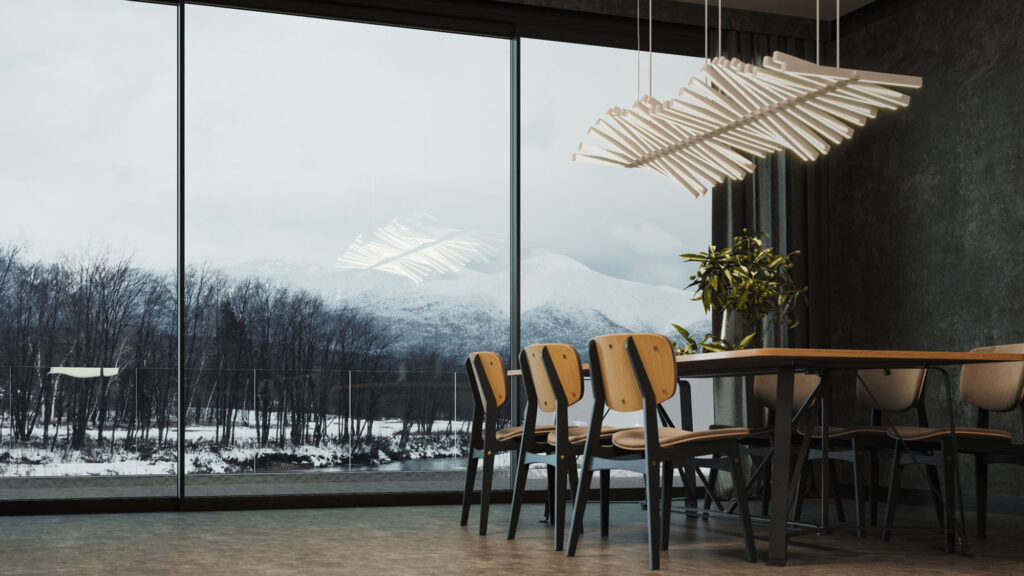
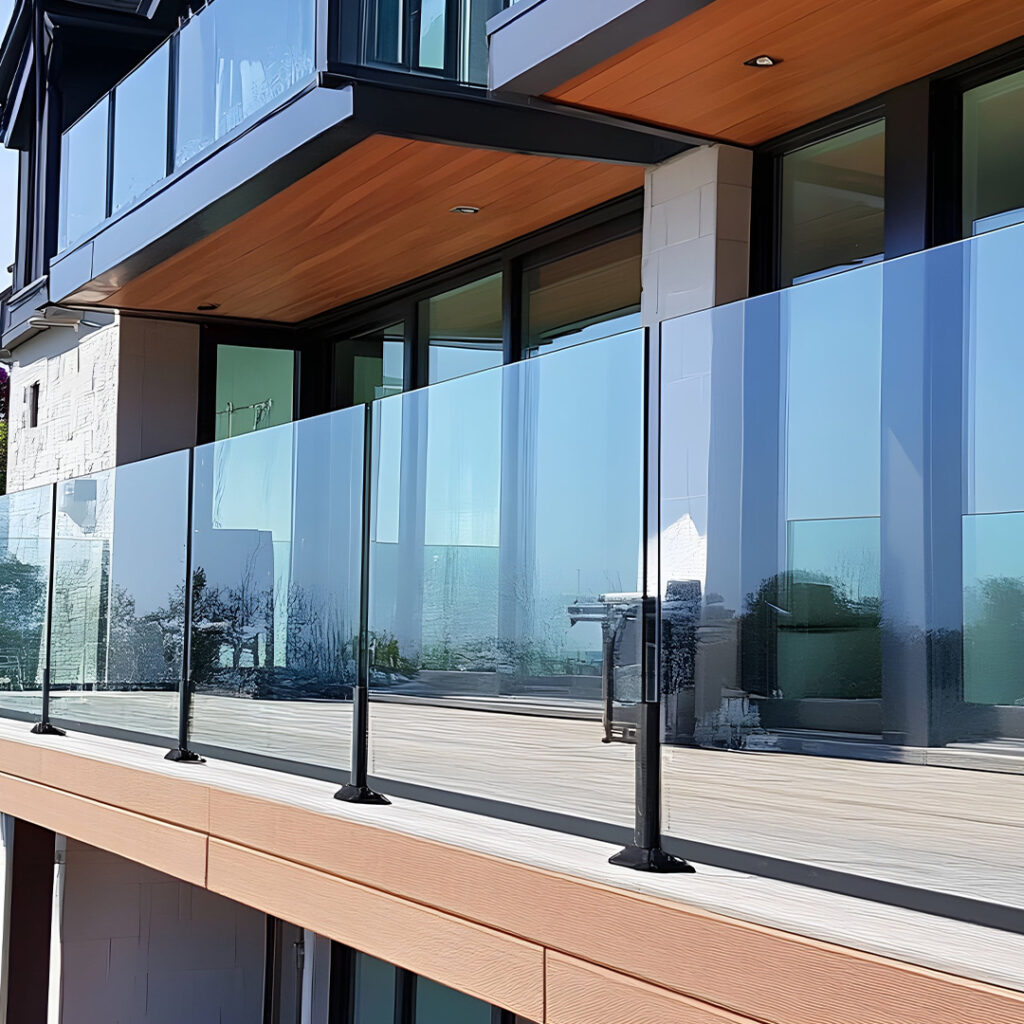
Glass balustrades are often chosen for one reason first – they maximise light and preserve views. That is exactly why they work so well on balconies, terraces, staircases and external steps. They open up the space rather than visually chopping it up.
But a frameless or glazed balustrade is still a barrier system. It must resist loads, use the correct glass build-up and be suited to its location. A staircase inside a house, for example, does not demand exactly the same solution as an exposed external balcony on a windy elevation. If the brief only focuses on appearance, the wrong system can be specified very quickly.
A good specification process keeps the design clean while making sure the practical details are covered early. That includes glass thickness, interlayer choice, fixing method, handrail requirements, edge protection and the conditions the system will face over time.
Start with the location and use
The first question is not what style you want. It is where the balustrade is going and how it will be used.
Internal stair balustrades are generally a different proposition from external raised terraces. External applications need more thought around weather exposure, drainage, corrosion resistance and the visual effect of dirt, water marks and coastal conditions. A balustrade fitted in a sheltered garden room opening may be straightforward. One fitted to a rooftop terrace in an exposed position is not.
You should also think about who will use the space. A family home, a block development and a commercial-style residential project may each call for a different level of performance or a different interpretation of what feels safe and comfortable. Even where regulations can be met in more than one way, the best option often depends on the everyday reality of the project.
Glass balustrade specification guide: choosing the right glass
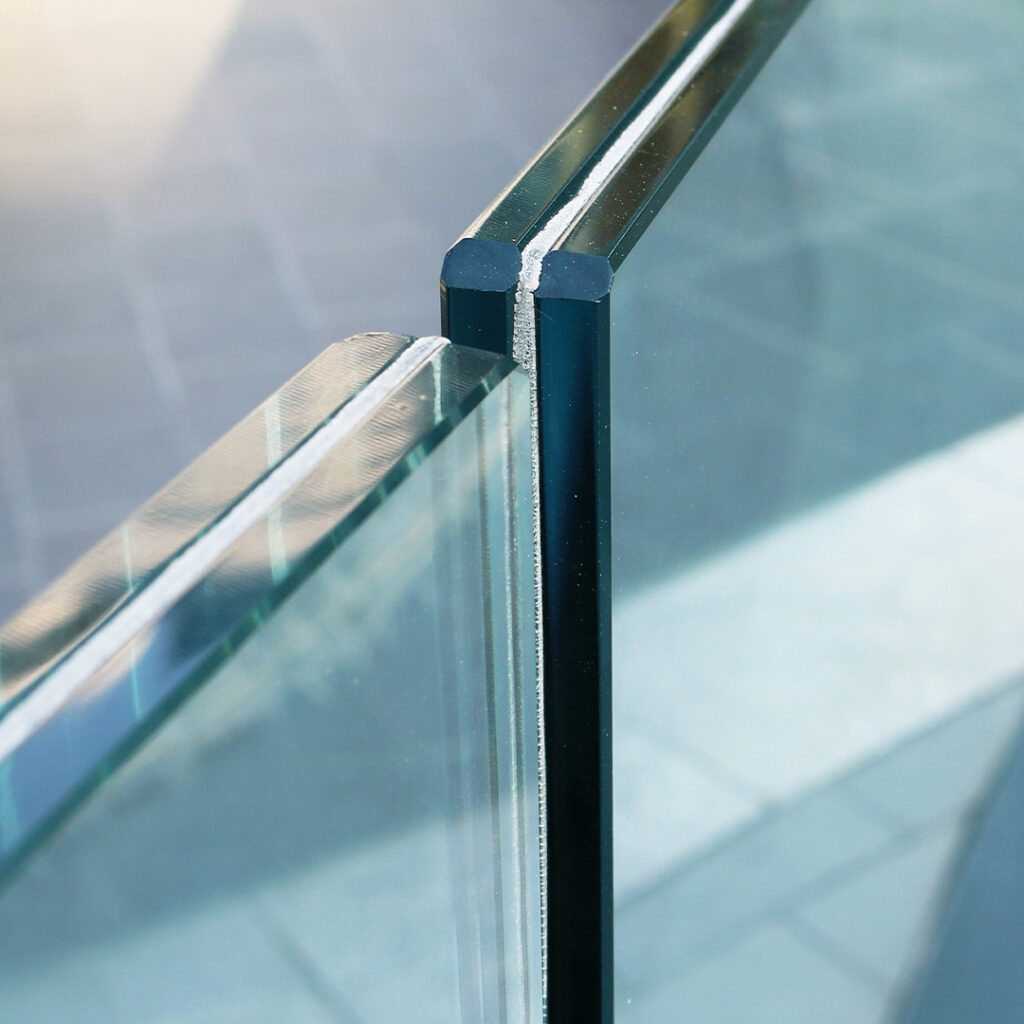
In most cases, toughened laminated glass is the preferred choice for balustrades. That combination gives the strength of toughened glass with the post-breakage integrity of lamination. If one pane breaks, the interlayer helps hold the panel together rather than allowing it to fall away immediately.
This matters because balustrades are safety-critical. Standard toughened glass on its own may be suitable in some glazing applications, but balustrades typically require a more protective approach. The exact build-up will depend on the design, loading and span of the panel, along with whether the system is framed, semi-frameless or fully frameless.
Low-iron glass is another consideration if visual clarity is a priority. Standard clear glass can carry a slight green tint, especially at the edges and in thicker panels. Low-iron glass reduces that tint and gives a cleaner, lighter appearance. It is a popular upgrade in contemporary projects where minimal detailing and uninterrupted views are part of the brief. The trade-off is cost. Not every project needs it, but on premium schemes the difference is often worth making.
You may also need to think about privacy, manifestation or solar exposure depending on the setting. Frosted sections, tinting or other specialist treatments can be specified, but they should be balanced against the clean, open look that most buyers want from glass balustrades in the first place.
Fixing methods and visual style
The fixing method has a major effect on both appearance and installation.
Post systems are often the most familiar and can be a practical choice where budget, adjustability and ease of fitting are key. Stainless steel posts with glass infill panels create a modern look without demanding the heavier structural detailing of a fully frameless base channel system.
For a more minimal finish, frameless systems use a continuous base shoe or channel fixed into the structure. This produces the cleanest sightline and can be especially effective on balconies and terraces where the aim is to preserve as much of the view as possible. It does, however, place greater importance on substrate quality, setting out and accurate tolerances. If the supporting structure is out, the glass line will show it.
Side-fixed systems are another option, particularly where you want to maximise usable floor width on a balcony or staircase. By fixing to the face of the structure rather than the top, you can keep the deck or stair width cleaner. The detail needs to be planned properly, especially around waterproofing and edge construction.
No single method is always best. A homeowner may lean towards frameless for style, while a builder may favour a post system on a challenging retrofit because it is more forgiving on site. That is not compromise for the sake of it – it is specification based on real conditions.
Compliance, loading and handrails
This is the part that should never be guessed.
In the UK, balustrades need to satisfy relevant Building Regulations and performance requirements for the application. Loading requirements vary depending on whether the project is domestic or in a setting with higher expected crowd pressure. Heights, guarding rules and climbability considerations can also come into play depending on the layout.
A common assumption is that a frameless glass balustrade will always avoid the need for a top rail. Sometimes that is possible, but not always. In some systems a handrail or capping rail forms part of the tested and compliant assembly. Remove it for aesthetic reasons and the performance basis may change. That is why the system should be reviewed as a complete package, not as a collection of separate design preferences.
For trade buyers, this is where technical documentation becomes especially valuable. Load tables, fixing guidance, test evidence and installation details should support the final specification. For homeowners, the key point is simpler – if the design has not been checked against the actual use and location, it is not ready to order.
Finishes, maintenance and long-term performance
A well-specified balustrade should still look good after years of use, not just on handover day.
If your system uses metal components, finish and grade matter. Stainless steel can be an excellent choice, particularly externally, but the right grade should be selected for the environment. Powder-coated aluminium components can also work well and offer more flexibility on colour, especially where the balustrade needs to coordinate with windows, doors or other glazing systems.
Maintenance should also be considered honestly. Frameless glass looks striking, but every fingerprint, rain mark and pollen build-up is more visible than on a more framed design. On upper-level external installations, access for cleaning may affect how practical that choice feels a year later. That does not mean you avoid frameless systems. It just means the decision should be made with open eyes.
In coastal or highly exposed areas, corrosion resistance and ongoing care become even more important. A specification that works perfectly inland may need adjusting when salt air and harsher weather are part of the picture.
Getting the details right before you buy
Most specification problems begin before manufacturing, not after delivery. Late changes to dimensions, unclear substrate assumptions and missed interface details with decking, paving or stair structures can all create delays.
It helps to confirm a few essentials early: finished floor levels, upstand details, drainage considerations, fixing zones, panel sizes and whether the supporting structure has been designed to take the required loads. Bespoke glass balustrade systems can deliver an excellent result, but they depend on accurate information.
This is where a consultative supplier adds real value. Being able to review technical documents, discuss the application and sense-check the design before ordering can save far more than it costs. Horizon Windows and Doors works with both homeowners and trade customers in exactly that way, helping turn a visual idea into a specification that is practical, compliant and ready for site.
The best glass balustrade projects feel effortless when finished. That usually means the specification did the hard work early – balancing appearance, performance and installation detail so the final result is every bit as clean as the design promised.