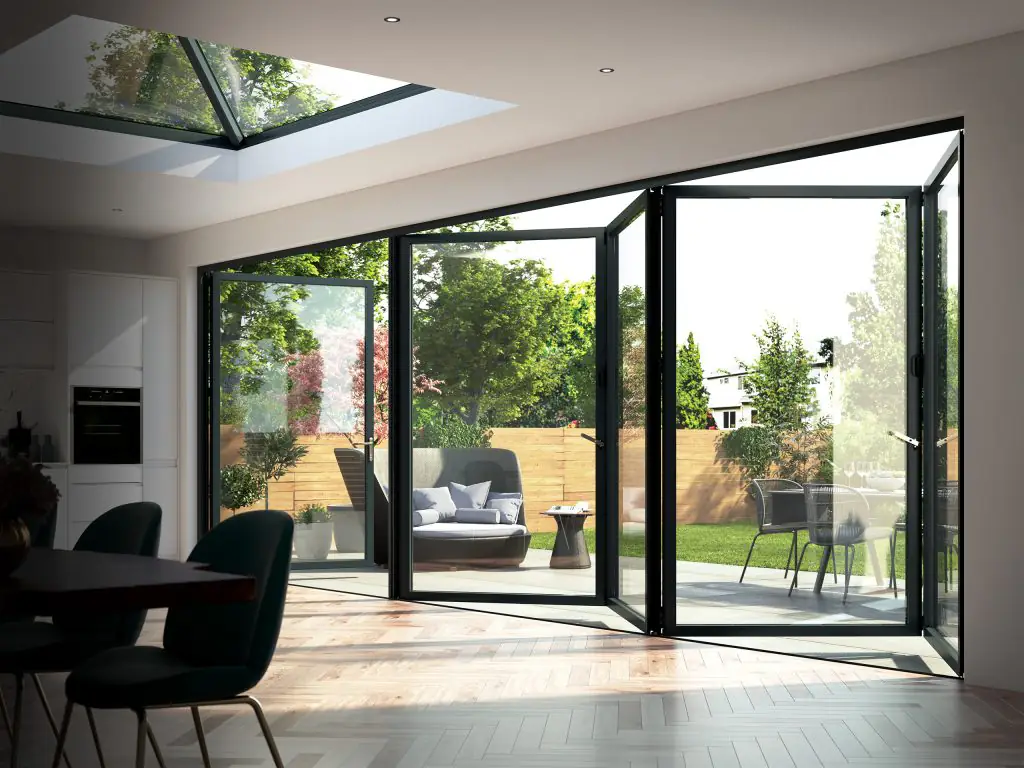


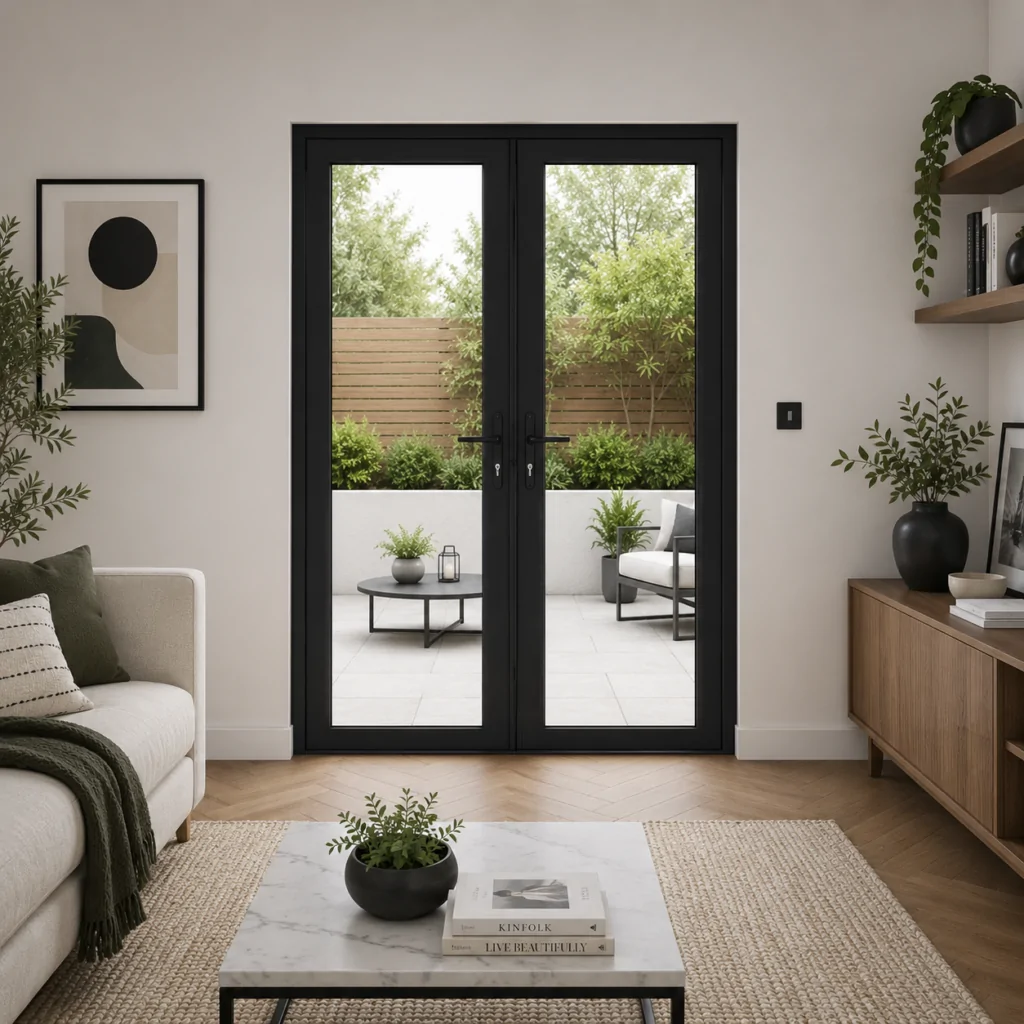
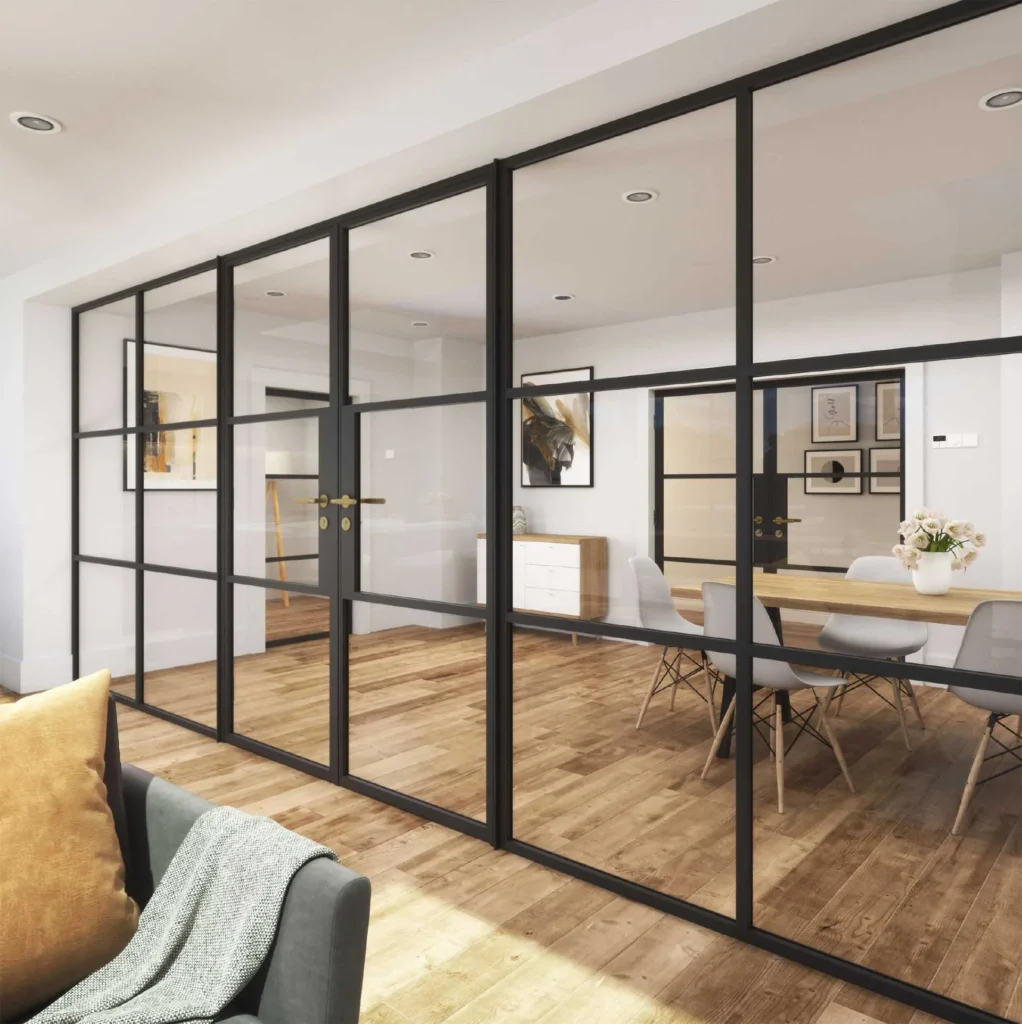

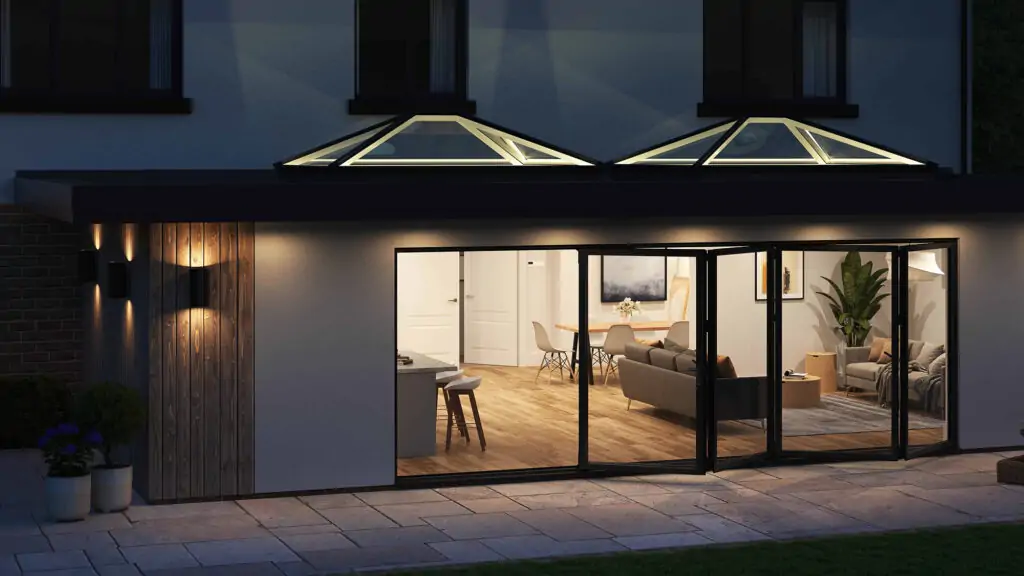
A bright rear extension can quickly become too hot, too exposed or difficult to use at certain times of day. Are integral blinds the answer? For many homeowners, they are a smart way to add privacy and glare control to glazed doors and windows without covering the clean lines of the frame.
Integral blinds, also known as blinds-in-glass or sealed-unit blinds, sit inside the cavity of a double- or triple-glazed unit. Rather than being fitted to the face of the glass, they are enclosed between the panes, protected from dust, moisture, pets and everyday wear. They are particularly popular with bifold doors, sliding patio doors, French doors and large fixed windows where conventional blinds can feel awkward or cluttered.
What are integral blinds?
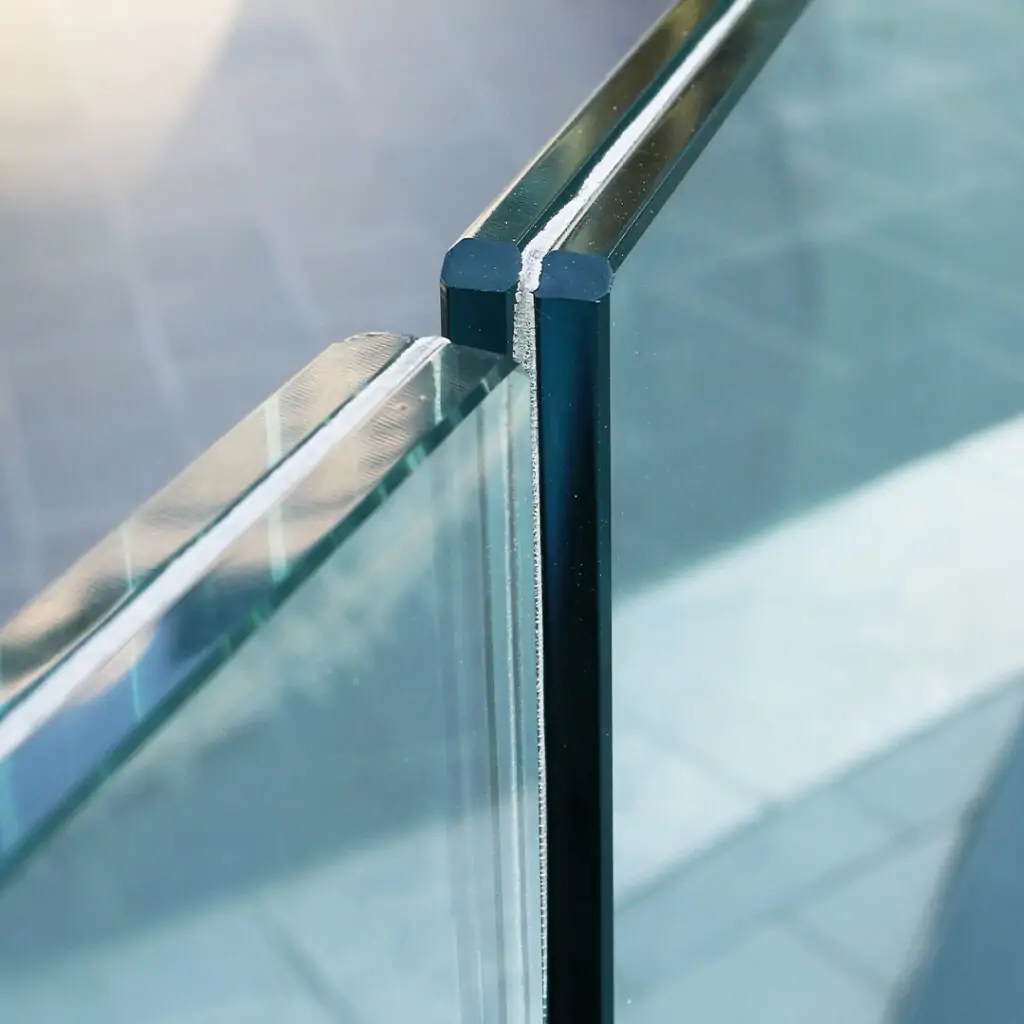
An integral blind is a venetian blind built into a hermetically sealed glazed unit. The aluminium slats tilt to control light and privacy, then raise neatly into the headrail when you want an uninterrupted view outside.
Because the blind is within the glazing cavity, it cannot be touched from either side of the glass. This makes it a practical choice for busy family homes, kitchens, garden rooms and doors leading onto patios, where standard blinds may collect cooking residue, dust or fingerprints.
The blind is operated without breaking the seal of the unit. Depending on the system selected, this may be done with a magnetic slider, a magnetic cord, a discreet manual control or a motor. Motorised options can use a wall switch, remote control or smart-home integration, although the available controls will vary by glass size, door design and supplier.
Why homeowners choose blinds in glass
The most obvious benefit is appearance. When the blinds are raised, there is very little visual interruption to the glass, helping doors and windows feel open and contemporary. This suits modern aluminium glazing especially well, where slim frames and wide glass areas are often the main design feature.
They are also exceptionally low maintenance. There are no slats to dust, no fabric to wash and no cords hanging inside the room. The blind remains clean behind the glass, which is useful in spaces where conventional window dressings need regular attention.
For doors, integral blinds can be more practical than surface-mounted alternatives. Bifold panels fold and stack, while sliding doors move across one another. A standard blind fitted close to these systems can get in the way, catch during use or require careful positioning. A blind within the glazed unit moves with the panel and leaves the operation of the door clear.
Privacy and glare control are equally valuable. Tilting the slats lets daylight enter while reducing overlooking from neighbouring properties. In south- or west-facing rooms, they can also soften strong sunlight and make screens easier to see. They do not replace a considered glazing specification, but they give you far more control over how a bright room feels throughout the day.
How integral blinds are controlled
The right operating method depends on how often the blind will be used, the location of the glazing and the level of convenience you want.
Magnetic sliders and cords
Manual magnetic controls are common on integral blinds. A magnet on the room side of the glass connects with the blind mechanism inside the unit, allowing you to raise, lower and tilt the slats. These controls keep the glass surface uncluttered and avoid dangling cords.
This is usually a cost-effective option for standard-sized windows and doors. However, the control needs to be accessible, so it may be less suitable for very high-level glazing or difficult-to-reach rooflights.
Motorised integral blinds
Motorised systems are useful for larger glass areas, roof glazing and projects where a cleaner finish is the priority. The blind can be adjusted at the touch of a button, and some systems can be grouped so several units operate together.
The trade-off is higher upfront cost and more planning. Power requirements, control placement and access for future servicing should be considered before the glazing is ordered. For a major extension or new build, this planning is straightforward. For a small replacement window project, a manual system may offer better value.
Are integral blinds worth it?
Integral blinds are worth considering if you value a tidy finish, low maintenance and easy control of privacy across large glazed areas. They can make particular sense where doors are opened frequently, such as a kitchen extension flowing into the garden, or where glazing is near a dining area and you do not want fabric blinds or cords in the way.
They are not automatically the best choice for every room. Conventional blinds generally offer a wider choice of colours, textures and decorative styles. If the window is in a bedroom where full blackout is essential, a purpose-designed blackout blind or curtain may provide better darkness around the edges than an integral venetian blind.
Price is another consideration. Integral blinds usually cost more than a basic off-the-shelf blind because they are part of a bespoke glazed unit. The final cost depends on pane size, glass specification, control type, colour, whether the unit is double or triple glazed, and the quantity required. Motorisation increases the investment further.
For many projects, the calculation is not simply about the cheapest option. It is about whether a protected, built-in blind will improve the daily use of the room and preserve the clean appearance of premium glazing for years to come.
Where integral blinds work best
Large glazed doors are a natural fit. Bifold and sliding doors can open up a home beautifully, but they also create wide areas of glass that may need privacy after dark. Integral blinds allow each panel to be adjusted while keeping the door system easy to operate.
They also work well in garden rooms, home offices and street-facing living spaces. In a home office, angled slats can reduce screen glare without leaving the room in darkness. In a garden room, they offer flexible shade when the sun is low without adding bulky window coverings.
For rooflights and roof windows, suitability depends on the product. Many roof glazing systems use external or internal blinds designed specifically for overhead installation rather than integral units. Always check the available shading solution for the exact rooflight, lantern or roof window you are specifying.
Points to check before you order
Integral blinds must be selected at the glazing stage. They are not normally something that can be slipped into an existing double-glazed unit later. Retrofitting usually means replacing the sealed glass unit, and on some door systems it may be more economical to specify new glazing from the outset.
Start by confirming that your chosen door or window system can accommodate integral blind units at the required size. Larger panes have weight limits, while some configurations, such as opening sashes or slim-framed sliding systems, have specific glazing restrictions. Your supplier should confirm the maximum sizes, glass build-up and permitted blind options before manufacture.
It is also worth thinking about solar performance. A blind inside the glass helps manage brightness, but solar control glass may still be advisable on heavily exposed elevations. In a warm south-facing extension, combining the right glass specification with adjustable blinds can create a more comfortable result than relying on either one alone.
Finally, choose colour with the room as well as the frame in mind. White and light-coloured slats keep the look subtle and reflect daylight well. Anthracite, black and other darker shades can create a more architectural finish, but may make the glass appear more shaded when the blinds are lowered.
Choosing integral blinds for doors and windows
A well-specified glazed system should suit how the property is actually used, not just how it looks on installation day. Consider when the room receives direct sun, where privacy is needed, whether children will use the space and how often the doors will open.
For homeowners planning an extension, Horizon Windows and Doors can help make these decisions clearer by matching the glazing layout, frame system and practical shading requirements before an order is placed. For trade customers, confirming the glass and blind specification early also helps avoid costly changes once manufacturing has started.
The best integral blind is one that disappears when you want maximum light, works effortlessly when you need shade, and complements the doors or windows you chose to brighten your home.