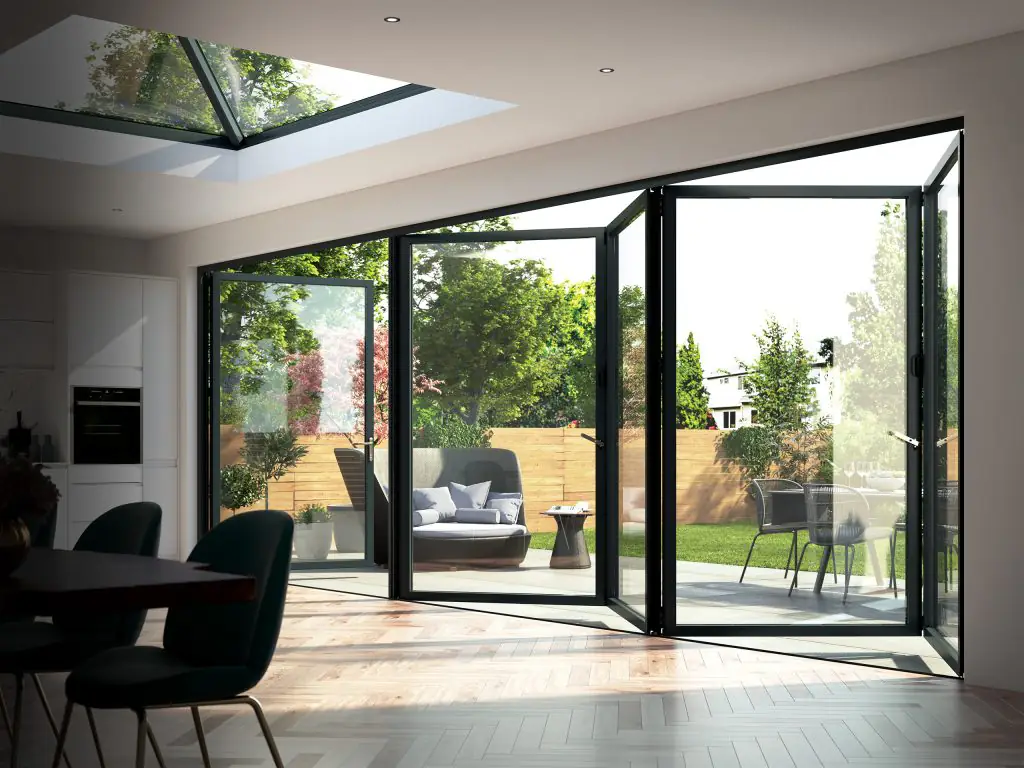
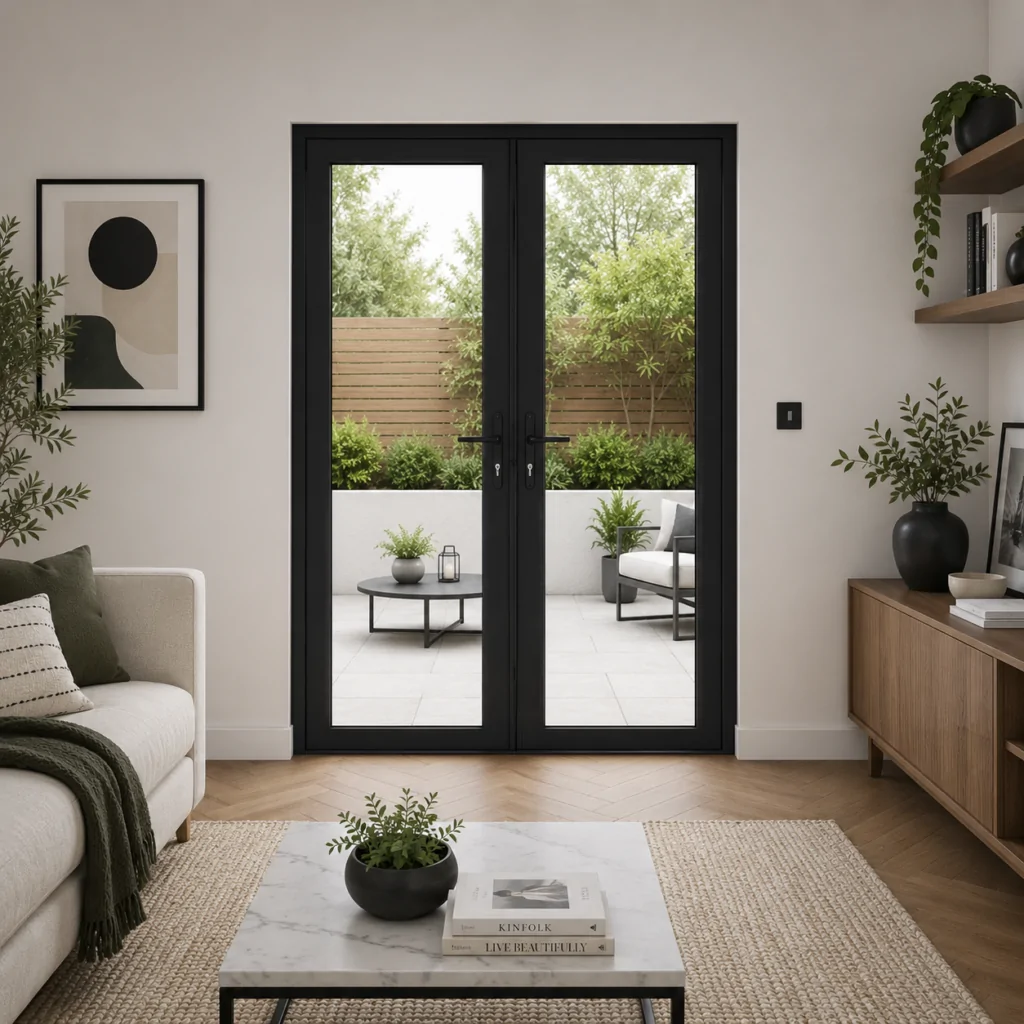
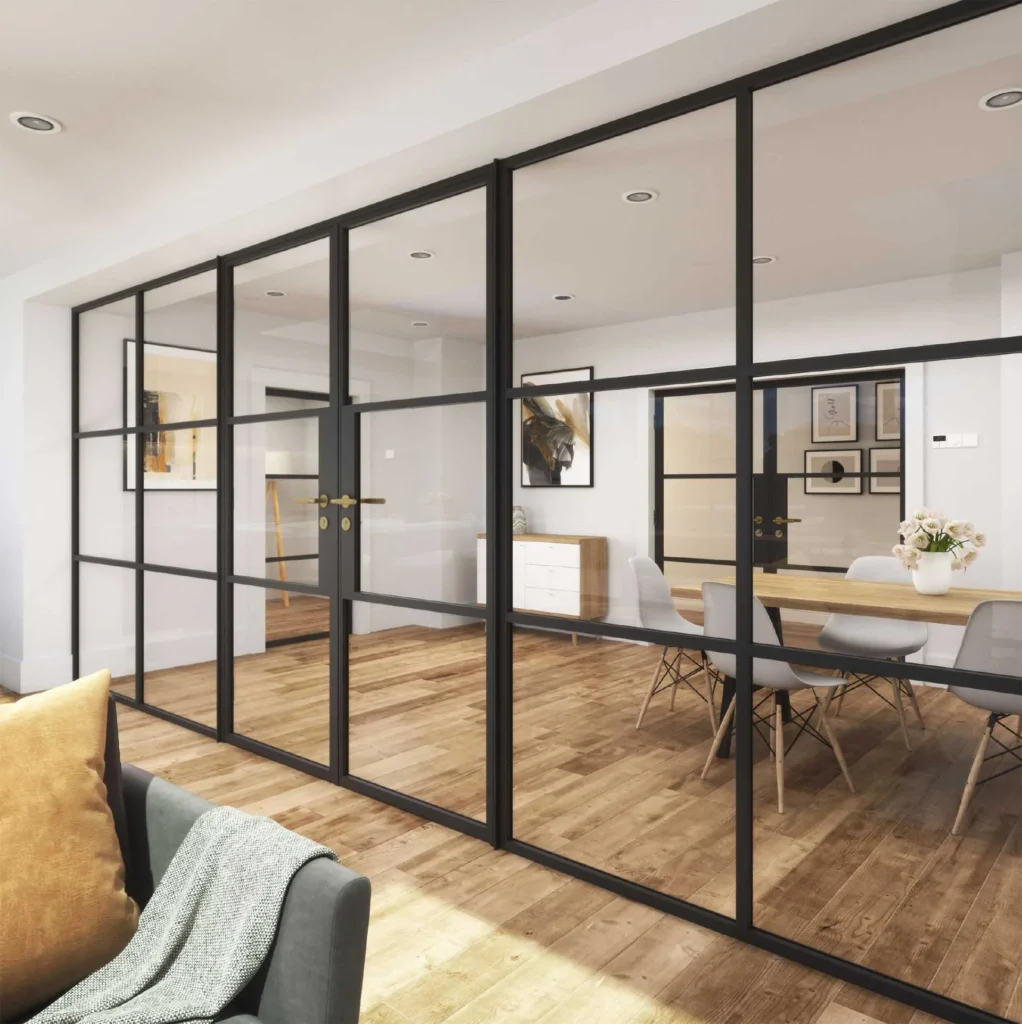
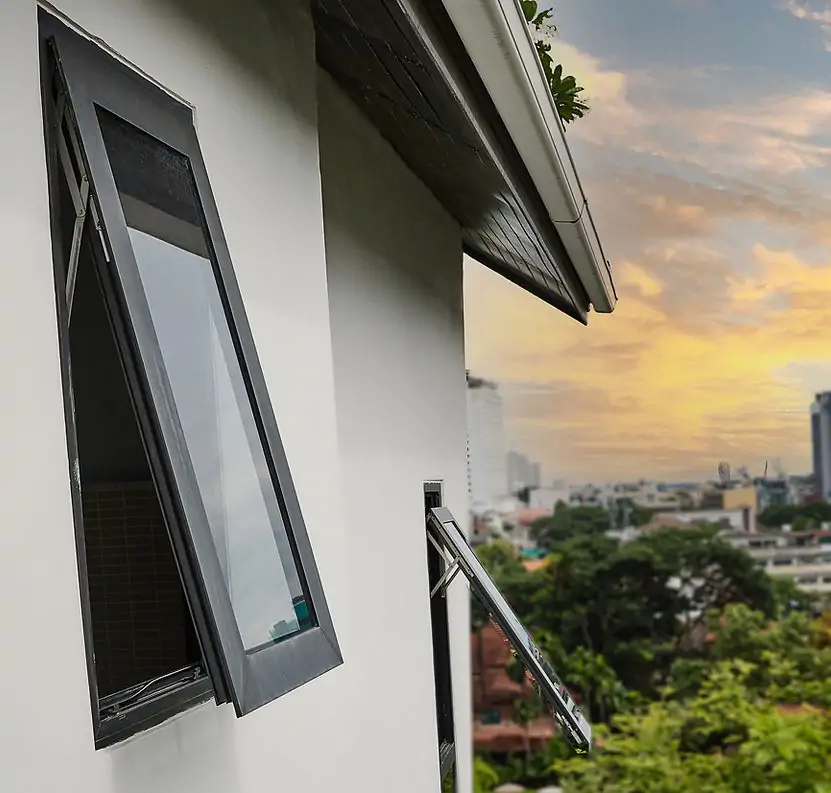

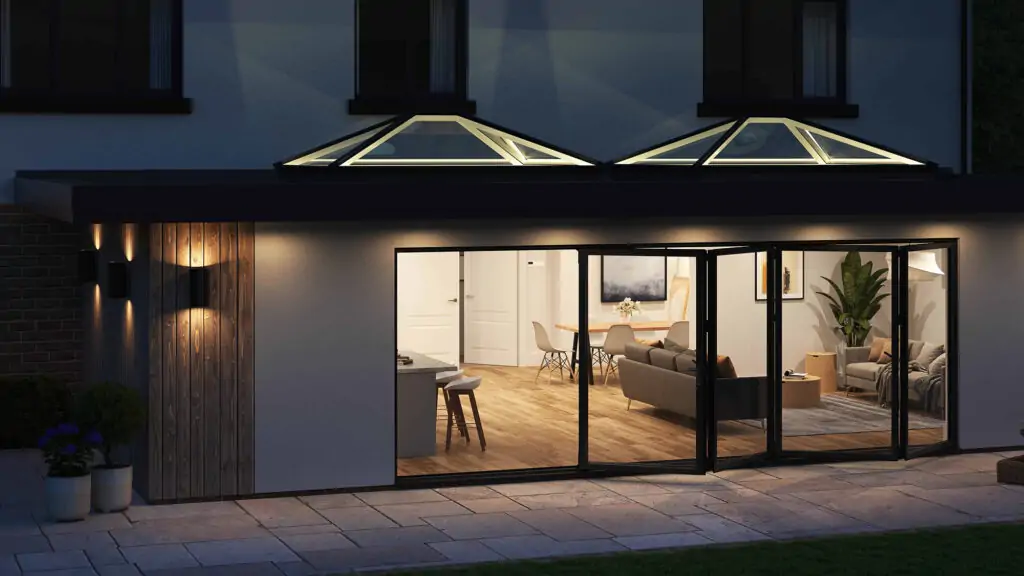
A bifold door opening can be the feature that transforms an extension from a building site into a room you want to live in. But UK bifold door lead times need to be part of the plan from the start, not an afterthought once the plastering is booked and the patio is due to be laid.
Most bifold doors are made to order around your exact opening, configuration, glass specification, colour and hardware. That is what gives you a better-fitting, more considered result, but it also means a bifold system is not usually a product to order on Friday and expect the following week. Careful sequencing protects your programme, your budget and the finish of the project.
Typical UK bifold door lead times
As a working guide, standard made-to-measure aluminium bifold doors often take around four to eight weeks from a fully approved order to delivery. Some configurations may be available sooner, while more bespoke systems can take longer. The stated lead time should always be treated as an estimate until your specification, survey measurements and manufacturing slot have been confirmed.
For a straightforward project, the process normally includes finalising the design, checking technical details, manufacturing the frames and sashes, glazing where required, quality checks, and arranging delivery. Each stage matters. A door that arrives quickly but does not suit the structural opening, threshold detail or required glass performance can create a much more expensive delay later.
Lead times can extend to eight to twelve weeks, or occasionally beyond, where a door has an unusual size, specialist finish, non-standard glazing or a complex layout. This is not necessarily a negative. It often reflects a genuinely bespoke product being manufactured correctly rather than a standard unit being adapted at the last minute.
What affects bifold door delivery times?
The biggest influence is specification. A three-panel aluminium bifold in a popular colour and familiar size will generally be simpler to produce than a six-panel, corner-opening arrangement with integral blinds, solar-control glass and a specialist marine-grade finish.
Size, layout and opening direction
Bifold doors are configured around the available opening and the way you want to use the space. Panel count, traffic-door position, whether the doors stack internally or externally, and whether they open from the left, right or centre all affect production planning.
Larger openings may need heavier glass, reinforced profiles or particular hardware arrangements. That does not make them difficult to buy, but it does mean accuracy is essential. The more complex the system, the less sensible it is to rely on an early estimate from a drawing alone.
Frame colour and finish
White, anthracite grey and black remain popular choices, and commonly specified finishes may have shorter manufacturing routes. Dual colours, textured coatings and less common RAL colours can add time. If colour matching is important across windows, rooflights and doors, it is worth deciding this early rather than changing your mind once production has started.
A bespoke colour can be a worthwhile choice for a design-led renovation. Just allow for it in the programme. The right finish will be visible for years, whereas a few extra weeks during construction are often manageable when planned properly.
Glass specification
Every bifold door needs safety glass in the appropriate locations, but the glass package can go far beyond the basics. You may choose enhanced thermal performance, solar control for a south-facing extension, obscured glass for privacy, laminated glass for added security, or integral blinds.
Specialist glass is one of the most common reasons a lead time differs from an initial expectation. It can also be one of the most valuable upgrades, particularly on wide glazed elevations that receive strong sun or face a busy garden boundary.
Thresholds, handles and extras
A low threshold is a popular option for improving access between the home and garden, but it needs to suit the weathering detail and finished floor levels. Handle styles, trickle vents, floating mullions and upgraded locking features may also affect the build specification.
Confirm these details before ordering. Late amendments can mean drawings need to be reapproved or parts have to be reordered, both of which can move the delivery date.
Seasonal demand and supply conditions
Spring and early summer are busy periods for home improvements. Homeowners want doors fitted before warmer weather, while builders are working to complete extensions and garden rooms. Factory capacity and delivery schedules can become tighter during these periods.
Christmas shutdowns and bank holidays can also affect production and transport. For trade customers managing several plots, factoring these dates into procurement is particularly useful. A realistic programme gives installers time to prepare, rather than asking them to rearrange labour because a door arrives after the opening is ready.
When should you order bifold doors?
The best time to start selecting bifolds is usually once the extension design and structural opening are understood, but before construction reaches the point where the doors are urgently needed. For many projects, that means researching systems during planning or early build stages and placing an order after critical measurements have been confirmed.
Do not order solely from architect’s drawings if the final opening could change. Steelwork, insulation build-ups, render details, flooring and drainage levels can all influence the finished dimensions. The cost of ordering too early and receiving the wrong size can be far greater than the benefit of gaining a week or two.
Equally, do not wait until the builder asks for the doors next week. A useful approach is to work backwards from the intended installation date. Add the supplier’s confirmed lead time, allow time for final measuring and order approval, then include a contingency period for site changes or delivery scheduling.
For example, if your installer needs the doors fitted in late June, aim to have specification and measurements settled well before the manufacturer’s stated production window begins. This is especially important if your project depends on the doors being installed before plastering, final flooring or external landscaping can be completed.
How to avoid delays after placing an order
The fastest route is usually the most accurate one. Make sure the structural opening is measured correctly, including the width, height, diagonals and available clearance for folding panels. Confirm which floor level the threshold is measured from and whether external finishes, such as decking or paving, will sit below it.
It also helps to agree responsibilities between your builder, installer and supplier. Who is providing final dimensions? Who checks the structural support above the opening? Who will receive and inspect the delivery? These are practical questions, but answering them early prevents avoidable confusion.
Before production starts, check the order acknowledgement carefully. Review the overall dimensions, opening direction, panel arrangement, colour, glazing, handle finish and threshold. A door can be technically well made yet still be wrong for the project if the traffic door opens on the less convenient side.
At Horizon Windows and Doors, customers can compare premium glazed systems and access UK-based support before committing to a specification. That is useful when you are weighing up a fast-moving construction programme against the benefits of a more tailored configuration.
Delivery day and installation planning
Bifold doors are substantial glazed products. A large set may need more than one person to unload and move safely, with clear access from the delivery vehicle to a secure, dry storage area. Check whether access restrictions, narrow side passages, parking controls or upper-floor delivery requirements need to be discussed in advance.
Avoid booking your installer for the same hour as delivery wherever possible. Inspect frames, glass and components when they arrive, following the supplier’s delivery procedure, and allow time to resolve any transport issue before installation begins. Keeping products protected from damage on site is just as important as getting them there on time.
Installation should happen only when the opening is structurally ready, weathering details are understood and finished floor levels have been agreed. Rushing the fitting stage can compromise alignment, drainage and operation. A well-installed bifold should fold smoothly, lock securely and create a clean transition to the garden.
Is a shorter lead time always better?
Not necessarily. A shorter lead time is valuable when a project genuinely needs it, but it should not be the only buying decision. The best bifold door is one that matches the opening, thermal target, style of the property and way the household will use it.
For a compact kitchen extension, a standard configuration in a stocked colour may be the smart, efficient choice. For a wide rear elevation in a high-spec renovation, waiting longer for the right panel layout, glass and finish may deliver a far better result. Ask for an expected delivery window based on your actual specification, then build the project around a door you will be pleased to use every day.